
Art therapy is more than just drawing or painting. It is a powerful way to explore emotions, release stress, and understand yourself on a deeper level. You don’t need to be an artist to benefit from art therapy activities. What matters most is the process, not how your artwork looks.
Many people struggle to put their feelings into words, especially during times of stress, anxiety, grief, or personal change. Creative expression gives your mind a different language, one that allows thoughts and emotions to flow freely without judgment. Through simple artistic exercises, you can begin to heal, reflect, and reconnect with yourself.
In this guide, you will discover meaningful art therapy activities that support emotional healing while remaining easy and accessible for beginners. If you want to continue learning about emotional wellness, coping strategies, and self-care tools, read or explore more mental health–related articles here at the Knowledge Hub.
What Is Art Therapy?
Art therapy is a form of creative expression that uses artistic activities to support emotional and psychological well-being. While professional art therapists guide structured sessions, many activities can also be practiced at home for self-reflection and stress relief.
The goal is not to create perfect art. Instead, art therapy focuses on:
- Exploring emotions safely
- Processing experiences visually
- Reducing mental overwhelm
- Increasing self-awareness
- Encouraging mindfulness
When you engage in creative work, your brain shifts away from constant overthinking. This allows your nervous system to relax and gives your mind space to process emotions naturally.
Why Art Therapy Helps Emotional Healing
Art therapy works because it engages both emotional and logical parts of the brain. Sometimes feelings feel too complex or painful to explain with words. Visual expression can bypass mental barriers and help release tension gently.
Research suggests that creative activities may:
- Lower stress levels
- Improve mood and emotional clarity
- Support emotional regulation
- Enhance self-reflection
Creating art can also create a sense of control and accomplishment, which is especially helpful during periods of uncertainty or emotional exhaustion. If you want to support your emotional wellness from multiple angles, you can also take the Cenario quiz to get personalized supplement recommendations designed to support stress balance, mood, and overall mental well-being.
Art Therapy Activities to Try at Home
Below are powerful yet simple art therapy exercises designed to help you heal, express, and reflect.
1. Emotion Color Wheel
Purpose: Identify and understand your emotions.
Draw a large circle and divide it into sections like a pie chart. Assign each section a color that represents how you feel today. You don’t need to explain your choices, just follow your intuition.
After finishing, observe the colors. Are they bright, dark, mixed, or balanced? This activity helps you visually recognize emotional patterns without needing to analyze them deeply.
Reflection Prompt:
What surprised you about the colors you chose?
2. Safe Place Drawing
Purpose: Reduce anxiety and create emotional comfort.
Draw or paint a place where you feel safe and calm. It could be real or imaginary, a beach, a cozy room, a garden, or even a peaceful abstract space.
Focus on details like light, texture, and objects that make you feel secure. This activity helps your brain associate art with relaxation and emotional safety.
Reflection Prompt:
What makes this place feel peaceful to you?
3. Scribble Transformation
Purpose: Release tension and encourage creativity.
Start by making random scribbles on a page without thinking. Once finished, look at the shapes and turn them into something meaningful — a figure, an animal, or an abstract design.
This exercise teaches your brain that chaos can transform into something new, which mirrors emotional growth and resilience.
Reflection Prompt:
How did your mood change while transforming the scribble?
4. Visual Journaling
Purpose: Combine art and reflection.
Instead of writing long journal entries, create a visual diary. Use drawings, colors, symbols, or small sketches to represent your day.
You can add a few words if you want, but the focus stays on visual storytelling. Over time, this activity can help you notice emotional patterns and personal growth.
Reflection Prompt:
What themes keep appearing in your pages?
5. Mask Making: Inside vs. Outside
Purpose: Explore identity and hidden emotions.
Draw a mask divided into two sides. On the outside, illustrate how others see you. On the inside, draw what you truly feel or experience internally.
This activity can reveal differences between your public image and private emotions, helping you build deeper self-understanding.
Reflection Prompt:
What differences do you notice between the two sides?
6. Collage for Self-Discovery
Purpose: Clarify thoughts and goals.
Gather magazines, photos, or printed words and create a collage that represents your current life or your future hopes.
Collages allow you to express complex ideas without needing advanced drawing skills. Many people find this activity helpful during life transitions or when feeling emotionally stuck.
Reflection Prompt:
What message does your collage tell about your journey?
7. Painting to Music
Purpose: Connect emotions with movement and rhythm.
Play music that matches your mood and paint freely while listening. Let the sound guide your brush strokes or color choices.
Fast music may inspire energetic movements, while calm music may encourage soft and slow expression. This activity helps release emotions stored in the body.
Reflection Prompt:
How did the music influence your artwork?
Tips for Getting Started with Art Therapy
If you are new to art therapy, remember that simplicity is enough. You do not need expensive materials or professional skills.
Start with:
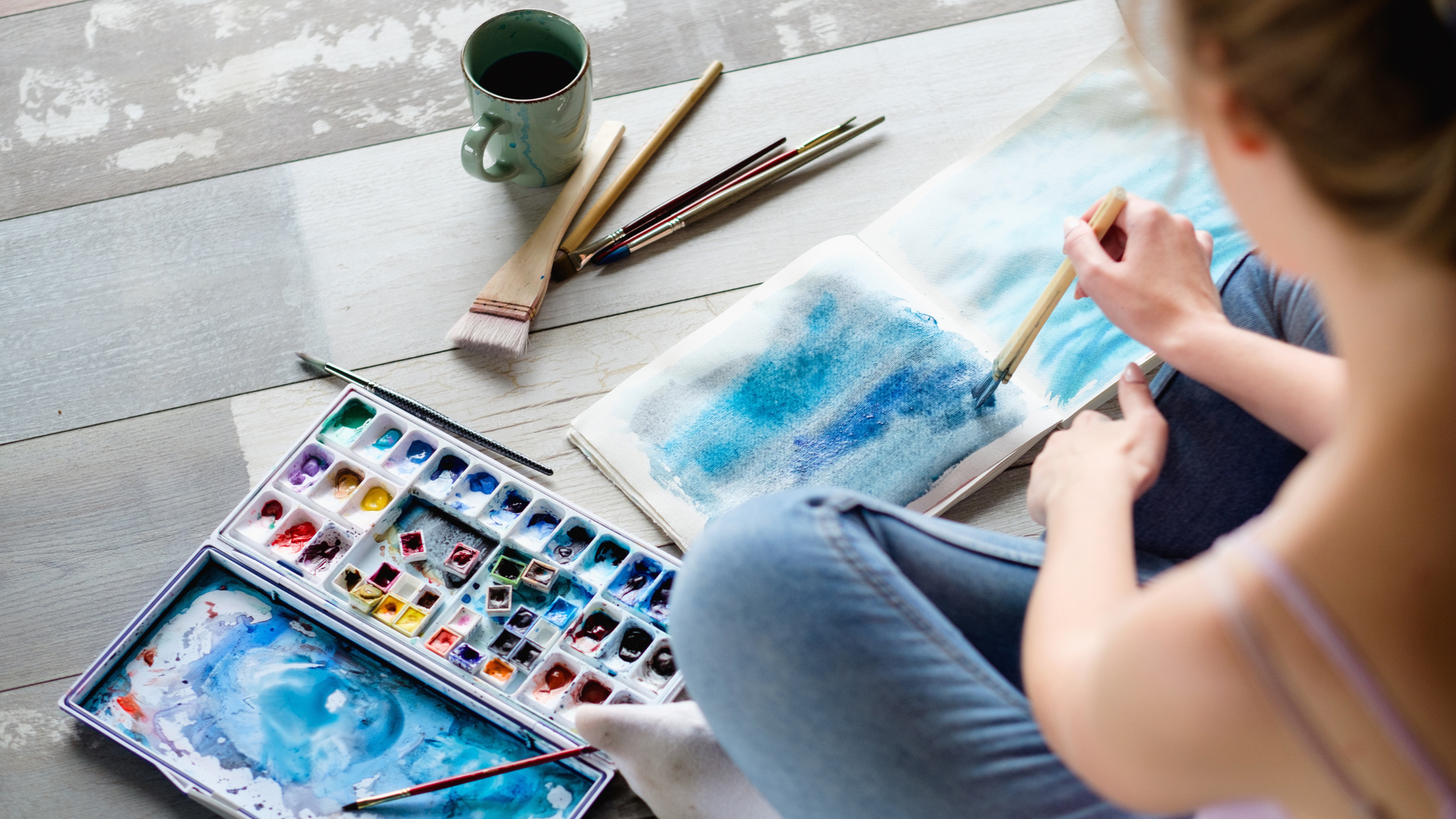
- Colored pencils, markers, or watercolor paints
- Plain paper or a notebook
- A quiet and comfortable space
Try to avoid judging your artwork. The value comes from the emotional experience, not the final result. Even five to ten minutes of creative expression can make a difference.
When Art Therapy Feels Difficult
Sometimes creative expression may bring up strong emotions. This is normal. If you feel overwhelmed, pause and take a few slow breaths. You can step away and return later.
Art therapy activities are tools for support, not replacements for professional mental health care. If emotions feel too intense or persistent, consider speaking with a licensed mental health professional.
Final Thoughts
Art therapy offers a gentle and meaningful way to heal, express, and reflect. Through colors, shapes, and creative movement, you can explore parts of yourself that may be difficult to reach through words alone.
You don’t need to be creative, confident, or experienced to begin. All you need is curiosity and a willingness to explore your inner world. With regular practice, art therapy can become a powerful habit that supports emotional balance, self-awareness, and personal growth.
If you’re looking for additional support on your mental wellness journey, you can take the Cenario quiz to get personalized supplement recommendations designed to support your stress, mood, and overall mental balance.
Frequently Asked Questions
1. Do you need to be good at art to try art therapy?
No, artistic skill is not required. Art therapy focuses on self-expression rather than creating perfect artwork. Simple drawings, colors, or shapes are enough to explore emotions and reflect on your experiences.
2. How often should you practice art therapy activities?
There is no strict rule. Some people benefit from practicing a few minutes each day, while others prefer weekly creative sessions. Consistency matters more than duration, even short sessions can support emotional awareness and stress relief.
3. Can art therapy help with stress or anxiety?
Creative expression may help calm the mind, release tension, and improve emotional clarity. Many people use art therapy activities as a supportive self-care tool alongside other healthy habits and professional guidance when needed.
4. Is art therapy a replacement for professional mental health treatment?
Art therapy activities at home can support emotional well-being, but they are not a substitute for professional care. If you are experiencing intense or ongoing emotional distress, it is important to seek guidance from a licensed mental health professional.