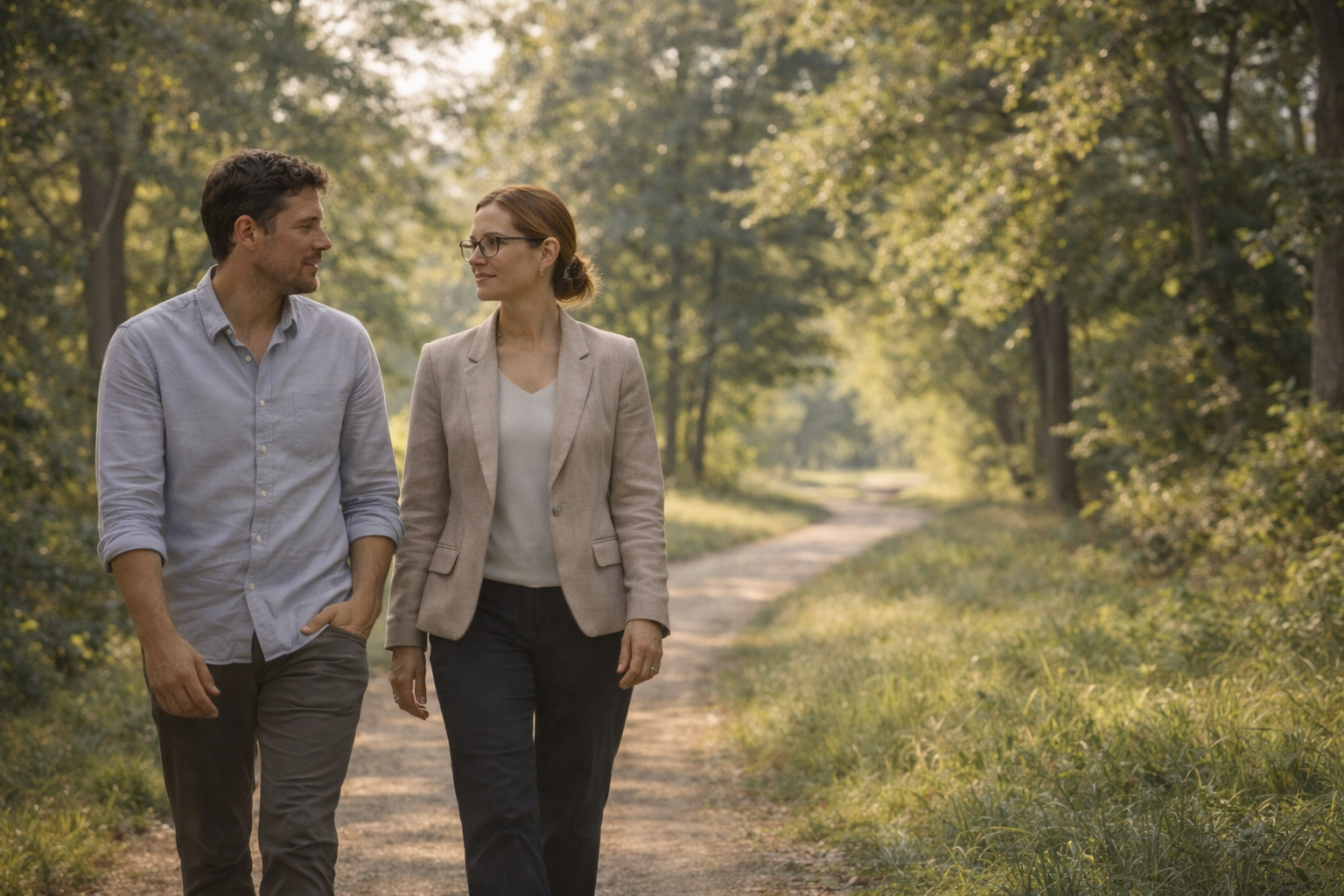

Traditional therapy is often associated with sitting in a quiet office and speaking with a therapist face to face. While this approach has helped many people, therapy does not always need to take place indoors. One alternative that has gained popularity in recent years is walk and talk therapy. This approach combines traditional talk therapy with gentle physical movement, usually outdoors in a park, nature trail, or quiet neighborhood.
Walk and talk therapy offers the same professional guidance and therapeutic structure as traditional counseling. The difference is the setting and the addition of movement. Instead of sitting across from each other, the therapist and client walk side by side while having meaningful conversations. This simple change can have a powerful impact on both mental and physical well-being.
In this article, we will explore the benefits of walk and talk therapy and why many people find it to be a refreshing and effective approach to emotional healing.
If you want to support your mental wellness further, read or explore more here at Knowledge Hub
for more mental health–related articles and take the quiz to get personalized supplement recommendations designed to support stress management, mood balance, and overall cognitive well-being.
A More Relaxed and Natural Environment
One of the most noticeable benefits of walk and talk therapy is the relaxed atmosphere it creates. Some individuals feel uncomfortable or intimidated sitting in a formal office setting. Being outdoors can reduce this pressure and help people feel more at ease.
Walking side by side rather than sitting face to face can also make conversations feel more natural. For many people, direct eye contact in a therapy room can feel intense, especially when discussing sensitive topics. Walking together allows conversations to flow in a more casual and comfortable way.
Nature also plays a role in emotional well-being. Green spaces, fresh air, and natural light have been shown to support relaxation and reduce stress. These environmental factors can help create a calmer mental state, making it easier for individuals to open up about their feelings.
The Mental Health Benefits of Physical Movement
Physical activity has long been linked to improved mental health. Even moderate movement, such as walking, can have positive effects on mood and emotional balance.
When you walk, your body releases endorphins. These chemicals are often called “feel-good” hormones because they help improve mood and reduce feelings of stress. Walking also increases blood flow to the brain, which can improve concentration and mental clarity.
In the context of therapy, this movement can make it easier for individuals to process difficult emotions. Many people notice that their thoughts flow more freely while walking. The rhythm of movement may help reduce mental blocks and encourage deeper reflection.
Reduced Feelings of Pressure or Judgment
Traditional therapy settings can sometimes make individuals feel like they are being analyzed or judged. While therapists work hard to create supportive environments, the formal nature of an office can still feel intimidating for some clients.
Walk and talk therapy can reduce this sense of pressure. Because the conversation takes place in a more natural setting, the interaction often feels less structured and more conversational. This can make it easier for clients to share thoughts and emotions they might otherwise keep hidden.
Feeling less judged or evaluated can help build trust between the therapist and the client. Trust is a key factor in successful therapy.
Encouraging Mindfulness and Present-Moment Awareness
Walk and talk therapy naturally encourages mindfulness. As clients walk through outdoor environments, they become more aware of their surroundings—the sound of birds, the movement of leaves, or the feeling of fresh air.
This awareness can help shift attention away from overwhelming thoughts and toward the present moment. Mindfulness techniques are commonly used in therapy to reduce anxiety and emotional distress.
The combination of conversation and sensory awareness allows individuals to reflect on their emotions while staying grounded in the present.
Improved Creativity and Problem-Solving
Movement has been shown to stimulate creative thinking. Many people find that walking helps them generate new ideas or see problems from different perspectives.
In therapy sessions, this mental flexibility can be very helpful. When someone feels stuck in a problem or repetitive thought pattern, walking can create the mental space needed for new insights.
Instead of feeling trapped by a situation, clients may begin to see multiple solutions or alternative ways of responding to challenges.
Supporting Overall Physical Health
Although the main goal of therapy is emotional well-being, physical health also plays an important role in mental wellness. Walk and talk therapy encourages gentle exercise, which can contribute to improved cardiovascular health, better sleep, and increased energy levels.
Even short walks can reduce muscle tension and promote relaxation. Over time, incorporating movement into therapy sessions may encourage clients to adopt healthier lifestyle habits outside of therapy as well.
Who Can Benefit from Walk and Talk Therapy?
Walk and talk therapy can be helpful for many individuals, especially those who enjoy being outdoors or prefer active environments.
It may be particularly beneficial for people who experience:
- Stress or burnout
- Mild to moderate anxiety
- Creative or problem-solving blocks
- Discomfort in traditional therapy settings
However, this approach may not be ideal for everyone. Some individuals may prefer the privacy and structure of an indoor therapy session, especially when discussing deeply sensitive topics.
A therapist can help determine whether this approach is suitable based on personal needs and preferences.
The Importance of Professional Guidance
Although walk and talk therapy feels informal, it is still a professional therapeutic process. Licensed therapists follow ethical guidelines and maintain confidentiality during sessions. They also ensure that conversations remain focused on therapeutic goals.
The outdoor setting does not change the core purpose of therapy. Instead, it enhances the experience by adding movement, natural surroundings, and a relaxed atmosphere.
Final Thoughts
Walk and talk therapy offers a unique combination of traditional counseling and physical movement. By stepping outside the office and into a natural environment, this approach can make therapy feel more comfortable, engaging, and refreshing.
The benefits of walking, fresh air, and open conversation can work together to support emotional healing, reduce stress, and improve mental clarity. While it may not replace traditional therapy for everyone, it provides an effective option for those who feel more comfortable in an active and natural setting.
Mental health support can take many forms. Sometimes, simply walking forward, both physically and emotionally, can help individuals move toward greater well-being and self-understanding.
To further support your mental wellness journey, take the quiz to get personalized supplement recommendations designed to promote emotional balance, support stress resilience, and enhance overall cognitive health.
Frequently Asked Questions
1. Is walk and talk therapy as effective as traditional office therapy?
For many individuals, walk and talk therapy can be just as effective as traditional therapy. The therapeutic methods and professional guidance remain the same, but the outdoor environment and physical movement may help some people feel more relaxed and open during conversations.
2. Where do walk and talk therapy sessions usually take place?
Sessions often occur in parks, nature trails, or quiet outdoor areas that allow for comfortable walking and conversation. Therapists typically choose locations that offer privacy and a calm atmosphere.
3. What should I bring to a walk and talk therapy session?
It is helpful to wear comfortable clothing and walking shoes. Depending on the weather, you may also want to bring water, sunscreen, or a light jacket to stay comfortable during the session.
4. Is walk and talk therapy suitable for everyone?
While many people enjoy the benefits of outdoor therapy, it may not be ideal for individuals with mobility limitations or those who prefer the privacy of an indoor setting. A therapist can help determine which therapy format best suits your needs.