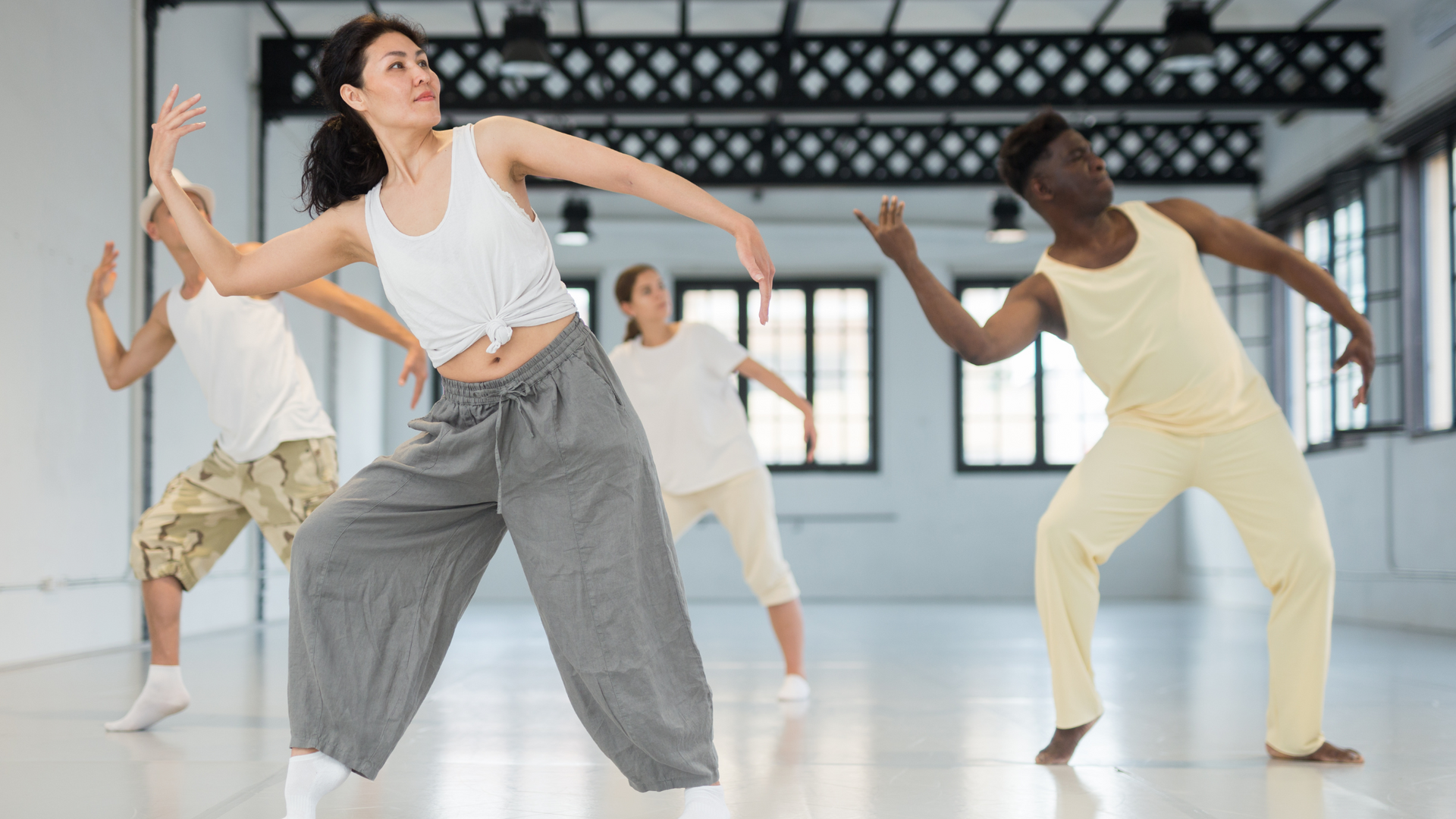

Dance Movement Therapy (DMT) is a powerful form of emotional expression that uses body movement to support mental and emotional well-being. Unlike traditional dance classes that focus on performance or technique, dance movement therapy focuses on how movement feels rather than how it looks. The goal is not to perform perfectly but to reconnect with your body, release tension, and express emotions in a safe and natural way.
Many people carry stress, anxiety, or emotional pain in their bodies without realizing it. Tight shoulders, shallow breathing, and restless movements can be physical signs of emotional strain. Dance movement therapy offers a gentle way to release these stored feelings through motion, rhythm, and body awareness.
In this guide, you will learn what dance movement therapy is, how it supports emotional healing, and simple ways to practice movement-based self-expression even if you have no dance experience. If you want to continue learning about emotional wellness, read or explore more mental health–related articles here at the Knowledge Hub, and take the Cenario quiz to get personalized supplement recommendations designed to support your stress balance, mood, and overall mental well-being.
What Is Dance Movement Therapy?
Dance Movement Therapy is a mind-body practice that combines psychology and movement. It is based on the idea that the body and mind are deeply connected. When you move your body intentionally, you may also shift emotional patterns, reduce stress, and improve self-awareness.
Professional dance movement therapists use structured techniques to help individuals explore feelings through movement. However, many basic practices can be adapted at home as part of a self-care routine.
Key principles of dance movement therapy include:
- Movement as a form of communication
- Body awareness and mindfulness
- Emotional expression without judgment
- Creativity and spontaneity
You do not need dance training, flexibility, or special skills to begin. Simple movements like stretching, swaying, or walking mindfully can already support emotional regulation.
Why Movement Helps Emotional Healing
The body stores experiences and emotions, especially during stressful or overwhelming situations. When emotions are not fully processed, they may show up physically as tension, fatigue, or restlessness. Movement helps release this stored energy in a natural way.
Research suggests that mindful movement may:
- Reduce stress and nervous system tension
- Improve mood and emotional balance
- Increase self-confidence and body awareness
- Support emotional processing
Unlike verbal therapy alone, movement allows expression without needing to find the perfect words. This can be especially helpful for people who struggle to explain how they feel or who feel disconnected from their emotions.
Movement also activates the brain’s reward system, which may promote feelings of accomplishment and empowerment after a session.
Core Elements of Dance Movement Therapy
Understanding the main elements of dance movement therapy can help you practice more intentionally.
1. Breath Awareness
Breathing connects the mind and body. Slow, deep breaths can calm the nervous system and create a sense of grounding before movement begins.
2. Rhythm and Flow
Moving with music or natural rhythm encourages emotional expression. Fast movements may release energy, while slow movements may encourage relaxation.
3. Body Awareness
Paying attention to posture, tension, and movement patterns helps you notice how emotions show up physically.
4. Authentic Movement
Instead of following choreography, dance movement therapy encourages you to move in ways that feel natural to you.
Dance Movement Therapy Activities to Try at Home
You can begin exploring healing through motion with simple exercises that focus on comfort and curiosity rather than performance.
1. Free Movement Exploration
Play music that reflects your current mood and allow your body to move freely. You can sway, stretch, walk, or move your arms slowly. There are no rules. The purpose is to notice how movement changes your emotional state.
Reflection Prompt:
What emotions came up while you were moving?
2. Emotion-Inspired Movement
Think of an emotion such as calm, joy, frustration, or hope. Let your body express that feeling through motion. Notice how different emotions influence speed, posture, and energy.
Reflection Prompt:
Did your body feel lighter or heavier during certain movements?
3. Mirror Movement Practice
Stand in front of a mirror and observe your movements gently without self-criticism. Focus on how your body feels rather than how it looks. This activity can build self-awareness and confidence over time.
Reflection Prompt:
What did you notice about your body language?
4. Grounding Walk
Walk slowly around your space while paying attention to each step. Notice how your feet connect with the floor and how your body shifts with movement. This simple exercise can help reduce mental overwhelm and bring your attention back to the present moment.
Reflection Prompt:
Did your thoughts slow down during the walk?
5. Release and Reset Movement
Shake your hands, roll your shoulders, or stretch your neck gently to release tension. Many people find that small repetitive movements help the body let go of stress built up throughout the day.
Reflection Prompt:
Which part of your body felt most relaxed afterward?
Tips for Getting Started Safely
If you are new to dance movement therapy, start slowly and listen to your body. Choose a quiet and comfortable space where you feel safe to move freely.
Helpful tips include:
- Wear comfortable clothing
- Use music that feels calming or meaningful
- Focus on how movement feels, not how it looks
- Take breaks if you feel tired or overwhelmed
Remember that every body moves differently. There is no right or wrong way to express yourself through motion.
When Movement Brings Up Strong Emotions
Sometimes movement may unlock emotions that feel intense or unexpected. This is a normal part of self-expression. If this happens, pause, breathe slowly, and allow yourself to rest.
Dance movement therapy activities are supportive tools, but they are not a replacement for professional mental health care. If you experience ongoing distress, consider reaching out to a licensed mental health professional for guidance.
Final Thoughts
Dance movement therapy offers a gentle and empowering way to heal through motion. By reconnecting with your body and allowing yourself to move freely, you can explore emotions, release tension, and build deeper self-awareness.
You don’t need dance experience to begin. Even small movements can create meaningful shifts in how you feel. Over time, movement can become a supportive habit that helps you stay grounded, present, and emotionally balanced.
If you’re looking for additional ways to support your mental wellness journey, take the Cenario quiz to get personalized supplement recommendations designed to support your stress balance, mood, focus, and overall mental well-being.
Frequently Asked Questions
1. Do you need dance experience to try dance movement therapy?
No, dance experience is not required. Dance movement therapy focuses on self-expression and body awareness rather than performance or technique. Simple movements like stretching, swaying, or slow walking can already support emotional release.
2. How often should you practice dance movement therapy?
There is no strict rule. Some people benefit from short daily movement sessions, while others prefer a few sessions per week. Even five to ten minutes of mindful movement can help improve mood and reduce stress when practiced consistently.
3. Can dance movement therapy help with stress and emotional tension?
Many people use movement-based practices to release physical tension and reconnect with their emotions. Gentle movement may support relaxation, emotional awareness, and overall mental well-being, especially when combined with other healthy coping strategies.