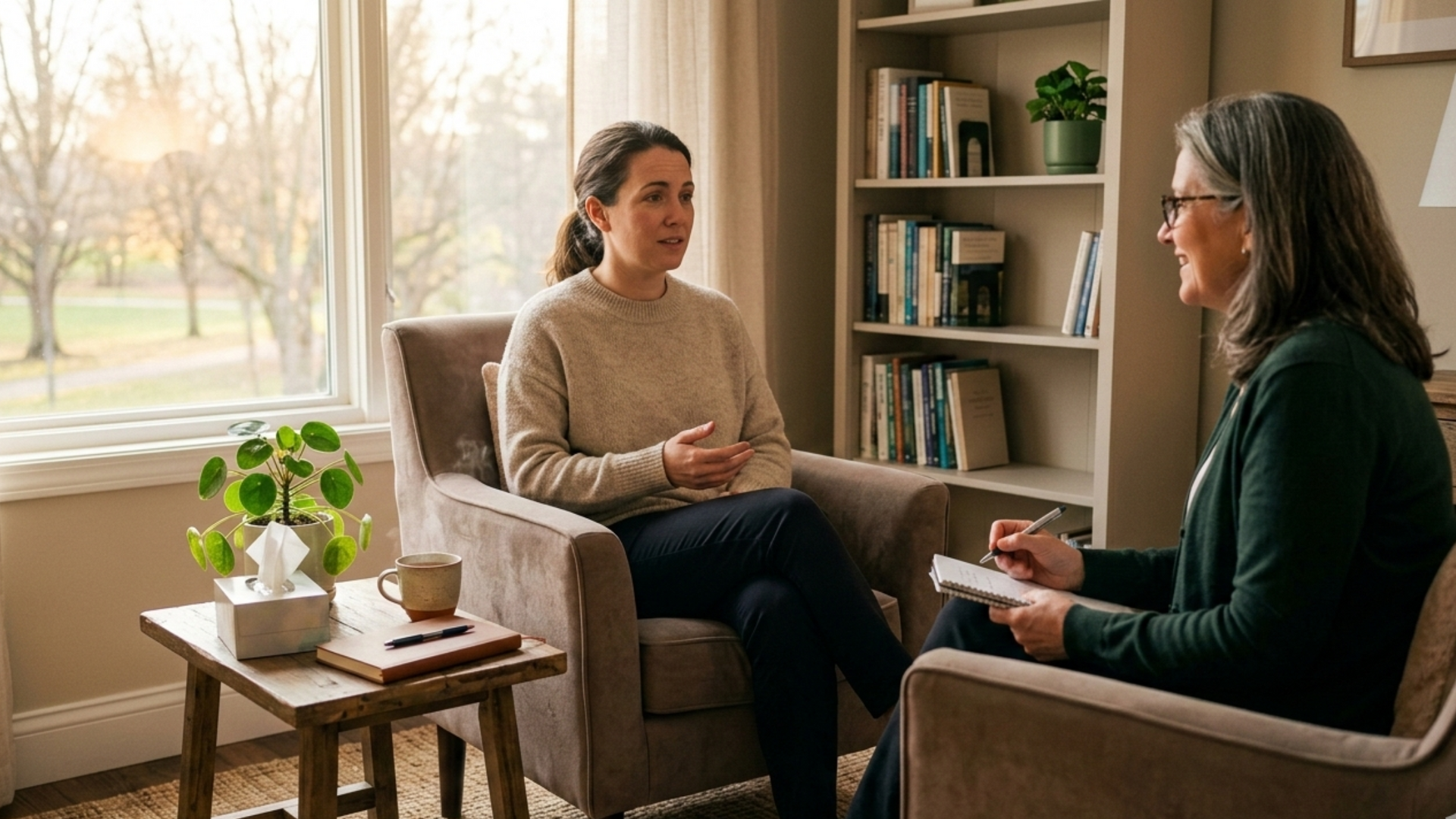

In an increasingly digital and fast-paced world, more people are seeking relief from stress, anxiety, and mental fatigue by turning to the natural environment. A growing body of research supports what many have intuitively felt: spending time in nature improves our well-being. This connection is at the heart of ecotherapy, a powerful form of treatment that helps people heal emotionally and mentally through contact with nature.
In this blog post, we’ll explore what ecotherapy is, its psychological foundations, and how nature-based approaches like animal-assisted therapy, horticultural therapy, and forest bathing can benefit your physical and mental health.
What is Ecotherapy?
Ecotherapy, also known as nature therapy, is a form of treatment that involves participating in nature-based activities to support mental, emotional, and even physical healing. It is grounded in the belief that humans are deeply connected to the natural world, and by reconnecting with it, we can experience better health and happiness.
This therapeutic approach includes a wide range of outdoors activities, such as:
- Walking in nature or hiking
- Forest bathing (a Japanese practice called Shinrin-yoku)
- Gardening, also known as horticultural therapy
- Animal-assisted therapy (working with animals in natural settings)
- Adventure therapy (group-based challenges in the wild)
- Conservation work, such as planting trees or cleaning up natural spaces
The Psychological Basis of Ecotherapy
Ecotherapy is more than just a feel-good activity; it’s backed by solid psychological theories. Here’s how it works from a scientific standpoint:
1. Biophilia Hypothesis
This theory suggests that humans have a natural desire to connect with life and the natural environment. Being in green spaces isn’t just pleasant, it fulfills a basic human need.
2. Attention Restoration Theory (ART)
People who experience mental fatigue, especially those with attention deficit hyperactivity (ADHD), can benefit from spending time in nature. ART suggests that nature provides “soft fascination”—gentle, effortless attention, that allows the brain to rest and recover.
3. Stress Recovery Theory
Natural settings help the body and mind recover from stress. Looking at trees, listening to birds, or feeling the breeze has been shown to reduce stress, lower heart rate, and calm the nervous system.
4. Ecopsychology
This emerging field links ecological issues with mental health. It argues that disconnection from the natural world contributes to psychological issues and that connecting with nature is part of the healing process.
Benefits of Ecotherapy for Mental and Physical Health
1. Reduces Stress and Anxiety
Whether it’s a walk in the woods or gardening, contact with nature has been proven to reduce stress. Nature helps lower cortisol levels (the stress hormone), slows the heart rate, and promotes relaxation.
2. Supports Depression Recovery
Research shows that nature-based activities can improve mood and help with depression. Forest bathing, sunlight exposure, and gentle physical activity can boost serotonin, the brain’s feel-good chemical.
3. Helps with PTSD and Trauma
Ecotherapy, especially adventure therapy and animal-assisted therapy, has been effective for those recovering from post-traumatic stress disorder (PTSD). Being in nature creates a safe, non-judgmental environment for emotional healing.
4. Improves Attention and Focus
People with attention deficit hyperactivity disorder often struggle with concentration. Spending time in green spaces can improve focus and attention span, particularly in children and teens.
5. Encourages Mindfulness and Presence
Nature slows us down. It helps us become more mindful, aware of the present moment, and more connected to our surroundings.
6. Promotes Physical Health
Most nature-based approaches involve physical activity, such as walking, hiking, or gardening. These activities improve cardiovascular health, increase energy, and support a healthy lifestyle.
7. Builds Social Connection
Group-based ecotherapy activities like adventure therapy or community gardening reduce feelings of isolation. Connecting with others while engaging in outdoors activities enhances social well-being.
Examples of Nature-Based Approaches
Let’s take a closer look at some common forms of ecotherapy:
Forest Bathing
Originating in Japan, this practice involves slow, mindful walks through forests. It helps reduce anxiety, improve sleep, and boost immune function.
Horticultural Therapy
Gardening isn’t just a hobby—it’s a healing activity. Horticultural therapy involves planting, weeding, watering, and harvesting. It enhances mood, encourages responsibility, and promotes a sense of achievement.
Animal-Assisted Therapy
Working with animals in natural environments, like farms or forests, has emotional benefits. From dogs and horses to birds and rabbits, animals offer comfort, non-verbal communication, and a sense of companionship.
Adventure Therapy
How to Practice Ecotherapy in Your Life
You don’t need to join a formal program to enjoy the benefits of ecotherapy. Here are some simple ways to connect with nature every day:
- Spend at least 30 minutes a day outdoors
- Take a walk in the park without your phone
- Start a garden, even if it’s just a few pots on a balcony
- Go hiking or biking in natural trails
- Volunteer for local environmental projects
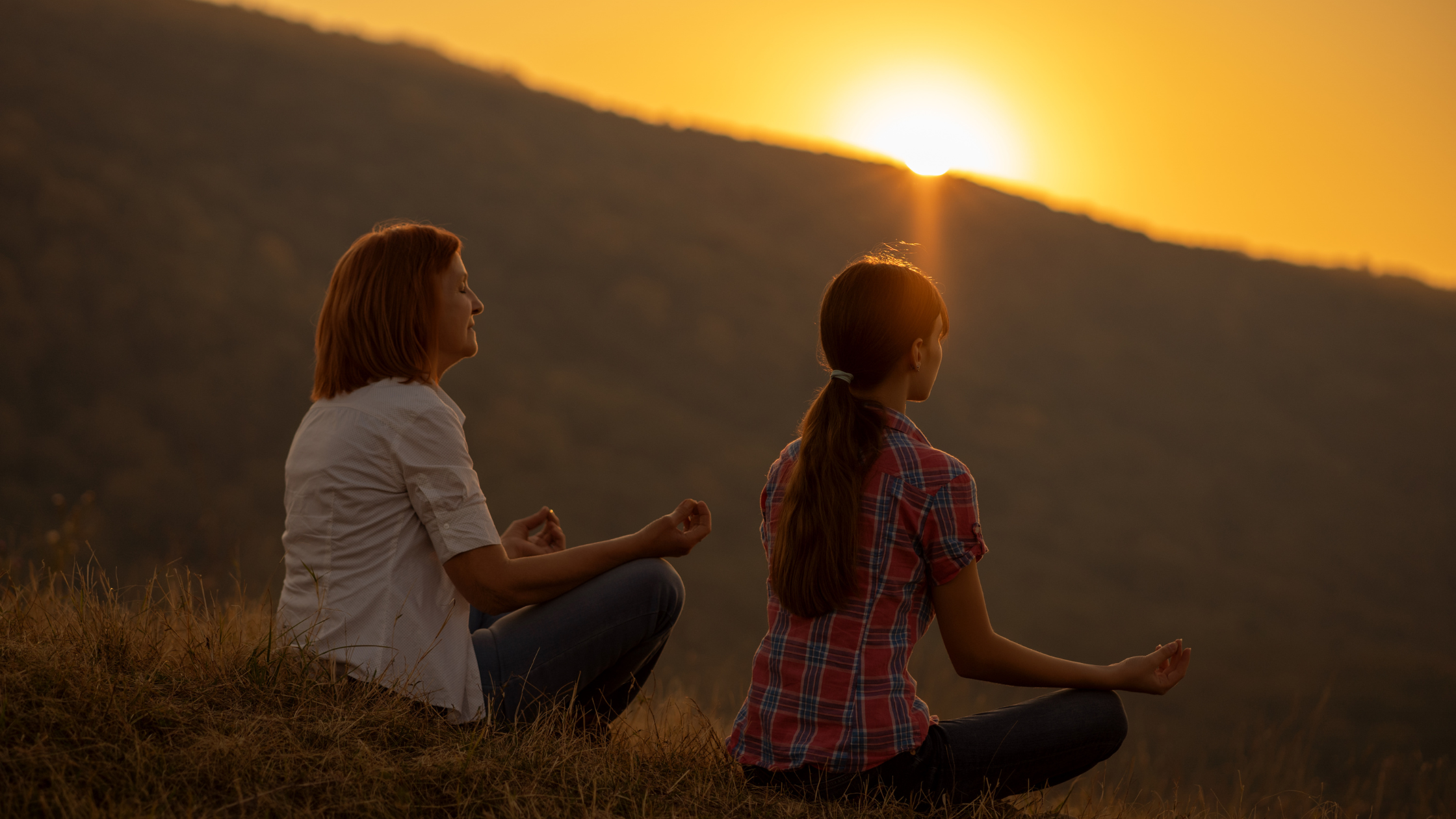
- Meditate or practice yoga in a natural setting
- Watch birds, clouds, or sunsets mindfully
Final Thoughts: Why Ecotherapy Matters Today
In a time when anxiety, burnout, and emotional disconnection are on the rise, nature therapy offers a natural, accessible, and scientifically supported solution. It doesn’t require expensive equipment or medication, just a willingness to step outside and be present with the earth.
The effects of nature on our minds and bodies are real. From managing stress recovery to improving focus in attention deficit hyperactivity, ecotherapy offers tools for living a healthier, more balanced life.
If you’re feeling overwhelmed, anxious, or simply out of sync with life, maybe it’s time to reconnect with nature. The healing you’re looking for might be just outside your door.
Looking for additional support? Take the Cenario Quiz to get a personalized supplement recommendation designed to complement your mental and physical wellness journey, based on your unique needs and lifestyle.
Frequently Asked Questions (FAQs)
1. What is the difference between ecotherapy and traditional therapy?
Ecotherapy is a type of therapy that involves healing by spending time in nature. It includes activities like forest bathing, gardening, or working with animals. In contrast, traditional therapy usually takes place indoors, like in an office, and focuses on talking methods such as cognitive behavioral therapy (CBT). Ecotherapy uses the natural environment to improve mental and emotional well-being, while traditional therapy focuses more on discussion and analysis.
2. Can ecotherapy help with anxiety and depression?
Yes. Research shows that spending time in nature can help reduce stress, lower anxiety, and improve mood. Being outdoors helps decrease levels of the stress hormone cortisol, encourages mindfulness, and builds emotional strength. Ecotherapy is not meant to replace traditional treatments, but it can be a powerful way to support recovery from anxiety and depression.
3. Is ecotherapy helpful for children with ADHD?
Yes, it can be very helpful. Studies based on the Attention Restoration Theory show that nature-based activities can improve focus and lower impulsive behavior in kids with attention deficit hyperactivity disorder (ADHD). Outdoor play, fresh air, and time in green spaces help calm the brain and improve attention, making ecotherapy a great option for children and teens.
4. How much time do I need to spend in nature for ecotherapy to work?
Just 20 to 30 minutes a day in nature can make a real difference. Simple activities like walking in a park, gardening, or sitting quietly under a tree can improve your mental and physical health. For stronger results, you can also try longer nature sessions or guided outdoor activities led by an ecotherapy professional.
Frequently Asked Questions
1. What is the difference between ecotherapy and traditional therapy?
Ecotherapy is a type of therapy that involves healing by spending time in nature. It includes activities like forest bathing, gardening, or working with animals. In contrast, traditional therapy usually takes place indoors, like in an office, and focuses on talking methods such as cognitive behavioral therapy (CBT). Ecotherapy uses the natural environment to improve mental and emotional well-being, while traditional therapy focuses more on discussion and analysis.
2. Can ecotherapy help with anxiety and depression?
Yes. Research shows that spending time in nature can help reduce stress, lower anxiety, and improve mood. Being outdoors helps decrease levels of the stress hormone cortisol, encourages mindfulness, and builds emotional strength. Ecotherapy is not meant to replace traditional treatments, but it can be a powerful way to support recovery from anxiety and depression.
3. Is ecotherapy helpful for children with ADHD?
Yes, it can be very helpful. Studies based on the Attention Restoration Theory show that nature-based activities can improve focus and lower impulsive behavior in kids with attention deficit hyperactivity disorder (ADHD). Outdoor play, fresh air, and time in green spaces help calm the brain and improve attention, making ecotherapy a great option for children and teens.
4. How much time do I need to spend in nature for ecotherapy to work?
Just 20 to 30 minutes a day in nature can make a real difference. Simple activities like walking in a park, gardening, or sitting quietly under a tree can improve your mental and physical health. For stronger results, you can also try longer nature sessions or guided outdoor activities led by an ecotherapy professional.