
Panic attacks can feel sudden, intense, and overwhelming. Your heart may race, your chest may tighten, and you might feel like you cannot breathe. Some people even fear they are having a heart attack or losing control. Although panic attacks are not physically dangerous, they can be deeply distressing and disruptive to daily life.
In recent years, online therapy has become a powerful and accessible option for people struggling with panic attacks. Through virtual counseling, individuals can receive professional support from licensed therapists without leaving their homes. This approach offers flexibility, privacy, and effective tools to manage anxiety both in the moment and long term.
In this article, we will explore what panic attacks are, how online therapy works, and why it can be an effective solution for regaining calm and control.
If you are looking for more ways to support your mental health, read or explore more here at Knowledge Hub for more mental health–related articles and take the quiz to get personalized supplement recommendations designed to support stress reduction, nervous system balance, and overall emotional wellness.
What Are Panic Attacks?
A panic attack is a sudden surge of intense fear or discomfort that peaks within minutes. It can happen unexpectedly or be triggered by certain situations. While each person’s experience is different, common symptoms include:
- Rapid heartbeat
- Shortness of breath
- Dizziness or lightheadedness
- Sweating or trembling
- Chest pain
- Feeling detached from reality
- Fear of losing control or dying
These symptoms are caused by the body’s “fight-or-flight” response. When your brain senses danger real or perceived it releases stress hormones like adrenaline. This response is helpful in true emergencies but can be overwhelming when triggered by anxiety.
Some people experience occasional panic attacks, while others develop panic disorder, where attacks occur frequently and create ongoing fear of future episodes.
How Online Therapy Works
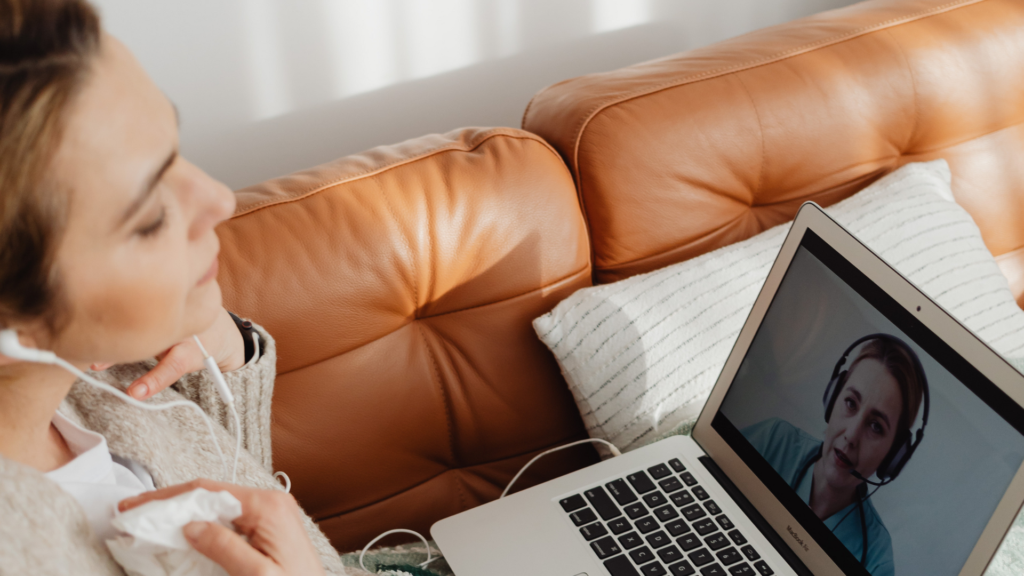
Online therapy, also known as teletherapy or virtual counseling, connects clients with licensed mental health professionals through video calls, phone sessions, or secure messaging platforms.
The process typically begins with an assessment. The therapist asks about your symptoms, triggers, medical history, and personal goals. From there, a treatment plan is created based on your specific needs.
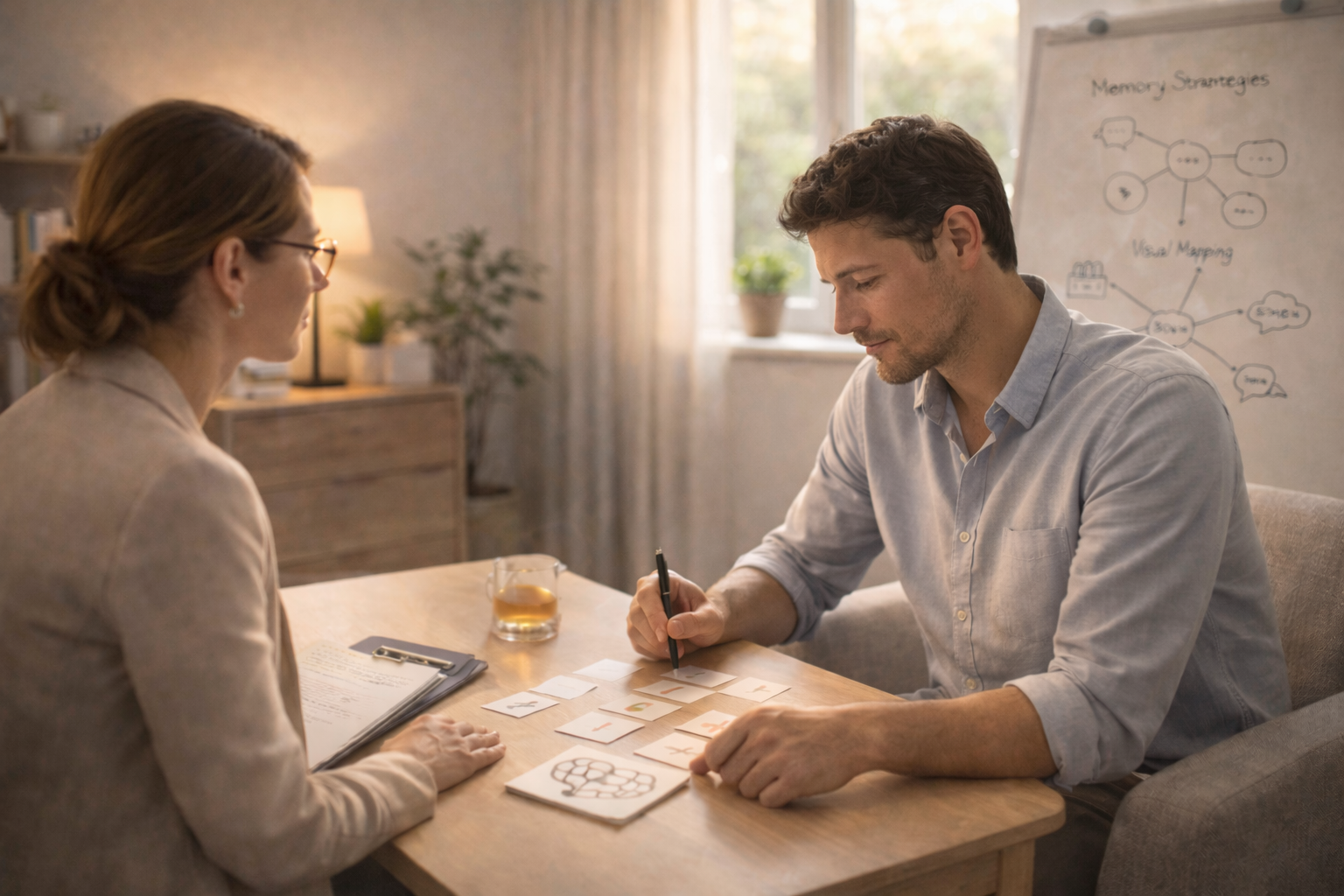
Sessions are structured similarly to in-person therapy. You meet regularly with your therapist to discuss experiences, learn coping strategies, and track progress. The main difference is the setting—you participate from a location that feels safe and comfortable to you.
Why Online Therapy Is Effective for Panic Attacks
Online therapy offers several unique advantages for individuals dealing with panic attacks.
First, accessibility is a major benefit. When someone struggles with panic attacks, leaving home can sometimes feel intimidating, especially if attacks are triggered by crowded places or travel. Virtual therapy removes this barrier by allowing support from home.
Second, immediate skill-building is emphasized. Therapists often teach breathing exercises, grounding techniques, and cognitive strategies that can be practiced in real time. During a session, your therapist may guide you through slow breathing or help you challenge catastrophic thoughts like “I’m going to pass out” or “I can’t handle this.”
Third, online therapy encourages consistency. Flexible scheduling makes it easier to attend regular sessions, which is important for long-term improvement.
Common Therapeutic Approaches Used Online
Several evidence-based approaches are effective for treating panic attacks.
Cognitive Behavioral Therapy (CBT) is one of the most widely used treatments. CBT helps you identify and change negative thought patterns that fuel panic. For example, if you interpret a racing heart as a medical emergency, CBT teaches you to recognize it as a temporary stress response.
Exposure therapy may also be used. This approach gradually helps individuals face feared sensations or situations in a controlled way. Over time, your brain learns that these sensations are uncomfortable but not dangerous.
Mindfulness-based techniques are often incorporated as well. Mindfulness teaches you to observe physical sensations without judgment, which reduces fear and prevents escalation into full panic.
Learning to Manage Panic in the Moment
One of the biggest fears surrounding panic attacks is the feeling of helplessness. Online therapy focuses heavily on empowering you with tools to regain control.
Breathing techniques slow down the nervous system. Grounding exercises help shift attention away from fearful thoughts and back to the present moment. Cognitive reframing teaches you to question exaggerated fears and replace them with balanced thinking.
With practice, these skills become automatic. Many individuals report that even knowing they have tools available reduces the intensity and frequency of attacks.
Long-Term Benefits of Online Therapy
Over time, online therapy does more than reduce panic attacks. It helps build overall emotional resilience. Clients often develop better stress management skills, improved self-awareness, and greater confidence in handling anxiety.
As panic attacks become less frequent or less intense, individuals may feel more comfortable returning to activities they once avoided, such as social events, driving, or traveling.
The goal is not just to eliminate panic, but to reduce its power over your life.
When to Seek Help
If panic attacks are interfering with your work, school, relationships, or daily activities, it may be time to seek professional support. You should also consider therapy if you constantly worry about having another attack or avoid certain places due to fear.
Online therapy offers a convenient and effective starting point. Early intervention can prevent symptoms from worsening and improve overall quality of life.
Final Thoughts
Panic attacks can feel frightening and isolating, but they are treatable. Online therapy provides accessible, evidence-based support that helps you understand your triggers, calm your body, and change anxious thought patterns.
By learning practical coping strategies and working consistently with a licensed therapist, you can reduce the frequency and intensity of panic attacks. Over time, you can move from feeling overwhelmed and afraid to feeling empowered and in control.
Help is available, and healing is possible, even from the comfort and privacy of your own home.
To further support your anxiety management journey, take the quiz to get personalized supplement recommendations designed to promote relaxation, emotional balance, and overall mental well-being.
Frequently Asked Questions
1. Is online therapy as effective as in-person therapy for panic attacks?
Yes. Research shows that online Cognitive Behavioral Therapy (CBT) and other virtual treatments can be just as effective as in-person therapy for anxiety and panic disorders. The key factor is consistent participation and working with a licensed professional.
2. What if I have a panic attack during an online session?
Therapists are trained to guide you through panic symptoms in real time. They may use breathing exercises, grounding techniques, or calming strategies during the session to help you regain control safely.
3. How long does online therapy take to reduce panic attacks?
Many people begin to notice improvement within several weeks, especially when practicing techniques between sessions. However, the timeline varies depending on the severity of symptoms and individual progress.
4. Can supplements replace therapy for panic attacks?
Supplements may help support relaxation and nervous system health, but they are not a replacement for professional therapy. Panic attacks often involve thought patterns and behavioral responses that require structured psychological treatment. A combined approach may provide more comprehensive support.
Frequently Asked Questions
1. Is online therapy as effective as in-person therapy for panic attacks?
Yes. Research shows that online Cognitive Behavioral Therapy (CBT) and other virtual treatments can be just as effective as in-person therapy for anxiety and panic disorders. The key factor is consistent participation and working with a licensed professional.
2. What if I have a panic attack during an online session?
Therapists are trained to guide you through panic symptoms in real time. They may use breathing exercises, grounding techniques, or calming strategies during the session to help you regain control safely.
3. How long does online therapy take to reduce panic attacks?
Many people begin to notice improvement within several weeks, especially when practicing techniques between sessions. However, the timeline varies depending on the severity of symptoms and individual progress.
4. Can supplements replace therapy for panic attacks?
Supplements may help support relaxation and nervous system health, but they are not a replacement for professional therapy. Panic attacks often involve thought patterns and behavioral responses that require structured psychological treatment. A combined approach may provide more comprehensive support.