
In today’s fast-moving world, it’s easy to feel overwhelmed. Whether it’s school stress, job demands, family responsibilities, or the endless pressure from social media, our minds often feel like they’re running on overload. As a result, more people are searching for ways to slow down their thoughts and regain a sense of calm. That’s where Peace of Mind Therapy comes in.
This approach to mental health care is all about helping individuals reduce stress, manage their emotions, and develop a peaceful, focused mindset. Let’s break it down and see how this therapy works, who it can help, and how you can get started on your own.
What Is Peace of Mind Therapy?
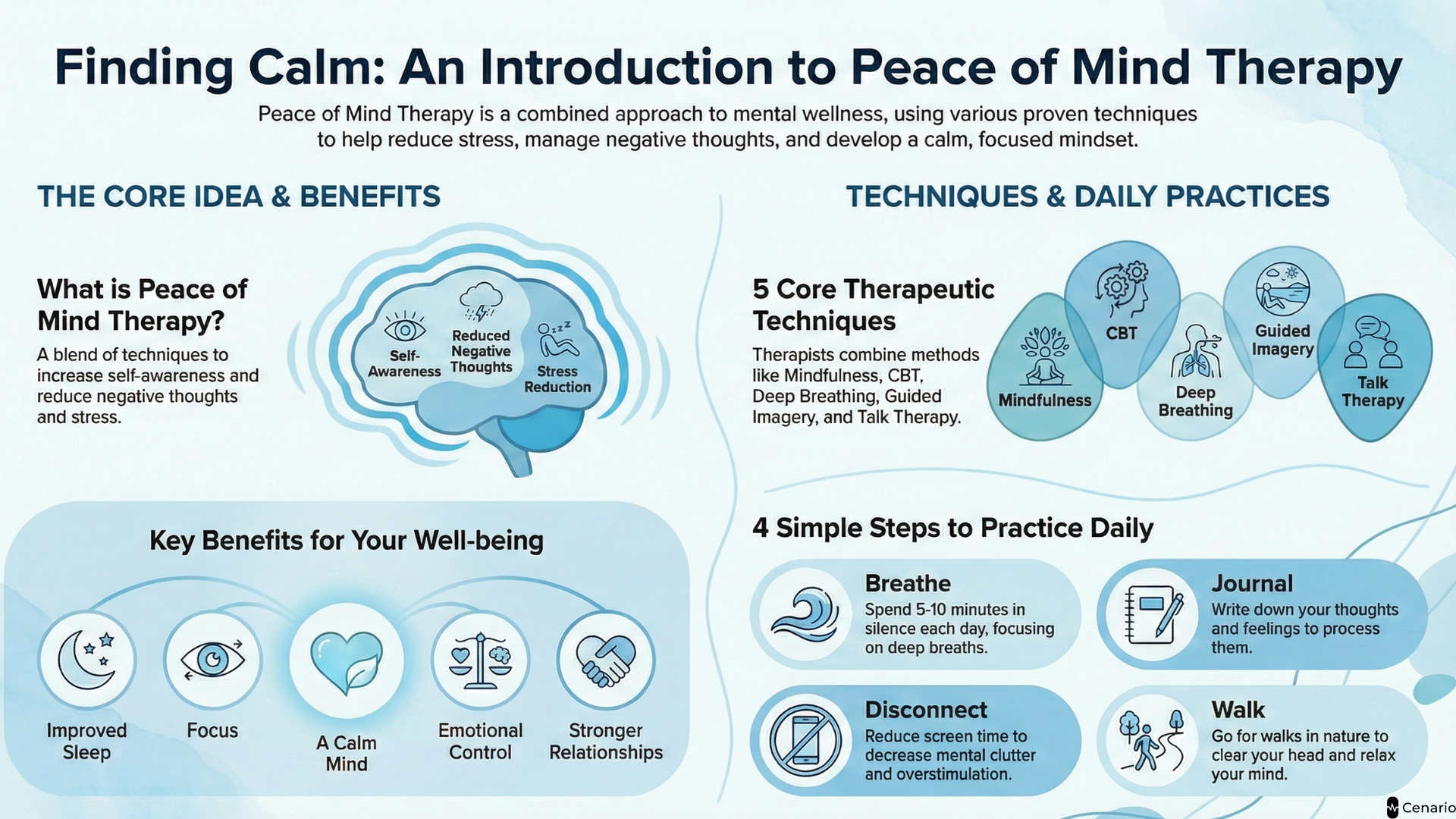
Peace of mind therapy is not one specific treatment, it’s a combination of different mental health techniques aimed at helping people feel mentally and emotionally at ease. It focuses on reducing negative thoughts and stress, while increasing self-awareness, emotional balance, and clear thinking.
Here are some common methods used in peace of mind therapy:
- Mindfulness and meditation – Training your brain to stay in the present moment without judgment.
- Cognitive Behavioral Therapy (CBT) – Changing harmful thought patterns and replacing them with healthier thinking.
- Deep breathing exercises – Calming your body and mind through slow, intentional breaths.
- Guided imagery and relaxation – Using imagination to create peaceful mental images that help reduce anxiety.
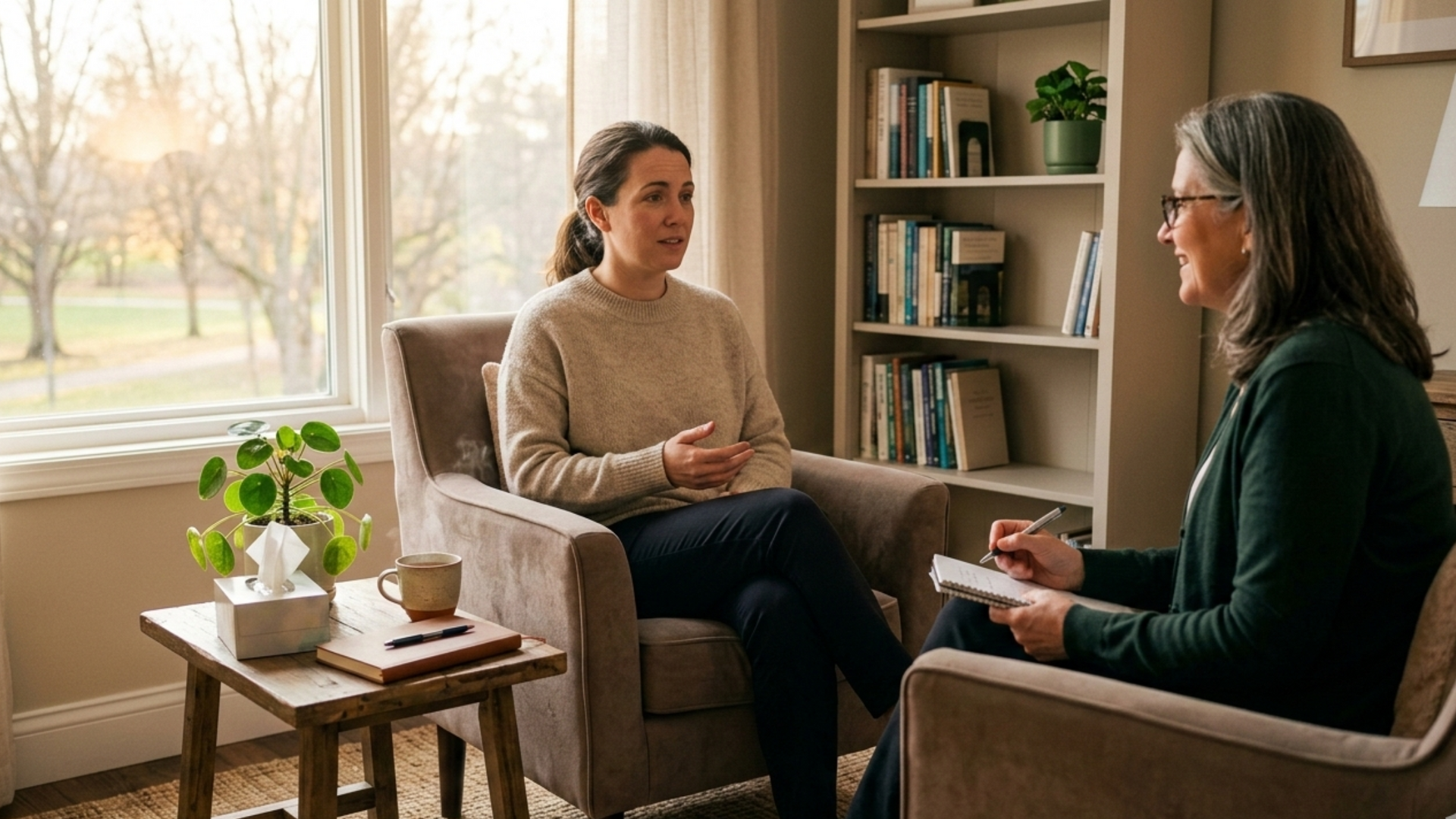
- Talk therapy or counseling – Speaking with a trained professional to work through your thoughts and emotions.
Therapists often mix and match these approaches based on each person’s unique needs.
Why Is Peace of Mind So Important?
Your mental state affects every part of your life, how you think, feel, act, and relate to others. When your mind is constantly stressed, it can be difficult to sleep, concentrate, or enjoy simple pleasures.
Here’s how peace of mind therapy can benefit your mental health:
- Improves sleep – A calm mind leads to deeper, more restful sleep.
- Boosts focus and clarity – You can think more clearly and make better decisions.
- Lowers anxiety and stress – You’re better equipped to handle challenges.
- Improves emotional control – You can respond calmly rather than react with anger or panic.
- Strengthens relationships – When you’re mentally at peace, you’re more patient and understanding with others.
How Does Peace of Mind Therapy Work?
Let’s take a closer look at some of the key tools used in this type of therapy:
1. Mindfulness and Meditation
This practice helps you slow down and focus on the present. Instead of worrying about the past or future, you learn to observe your thoughts without getting caught up in them. This trains your brain to relax and not overthink.
2. Cognitive Behavioral Therapy (CBT)
CBT teaches you to recognize negative thought patterns (like always assuming the worst) and replace them with healthier ones. Over time, this helps reduce anxiety and build emotional resilience.
3. Deep Breathing and Relaxation
Breathing slowly and deeply helps calm the nervous system. It sends a signal to your brain that it’s safe to relax. This can stop panic attacks or reduce daily stress in just a few minutes.
4. Guided Imagery
This technique involves imagining a peaceful place, like a beach or forest. By focusing on these calming mental images, your brain reacts as if you’re actually there, helping you feel safe and relaxed.
5. Talk Therapy
Talking to a professional can help you process thoughts and emotions that are hard to deal with alone. Therapists can guide you toward better coping strategies and emotional growth.
Who Can Benefit from Peace of Mind Therapy?
Peace of mind therapy can help almost anyone, including:
- Students facing exam pressure or social stress
- Adults balancing work, relationships, and responsibilities
- People grieving a loss or recovering from trauma
- Individuals with anxiety, depression, or emotional burnout
- Anyone looking to improve their mental well-being and emotional strength
You don’t need to have a mental illness to benefit. It’s also a great tool for preventing stress and maintaining balance.
How to Practice Peace of Mind on Your Own
Even without a therapist, there are simple steps you can take each day to calm your mind and improve your emotional health:
- Spend 5–10 minutes in silence each day, just breathing deeply.
- Keep a journal to write down your thoughts and emotions.
- Cut back on screen time to reduce mental clutter.
- Go outside and take walks in nature to clear your head.
- Listen to peaceful music or calming sounds.
- Practice self-kindness. Replace self-criticism with supportive inner talk.
The more consistent you are with these habits, the more natural peace of mind becomes.
The Future of Mental Health Care
As more people speak openly about mental health, therapies that focus on peace of mind are becoming more common. Schools, workplaces, and clinics are now offering mindfulness programs and stress relief resources.
The goal of mental health care is shifting, from just treating problems to promoting long-term emotional wellness. Peace of mind therapy is at the heart of that shift.
Final Thoughts
Peace of mind is more than just a feeling, it’s a skill you can build over time. With the right tools and support, anyone can learn how to create calm in their life, even during stressful situations.
Whether you’re a student, a professional, or someone just trying to keep it together, peace of mind therapy offers hope and help. You don’t have to go through stress alone, help is available, and healing is possible.
Looking for additional support?
Take the Cenario Mental Health Quiz to get a personalized supplement recommendation designed to support your emotional well-being and mental clarity.
Start your journey to peace of mind today – Take the Quiz Now
Frequently Asked Questions
1. Is peace of mind therapy only for people with mental health issues?
No. Peace of mind therapy can benefit anyone, whether you’re facing anxiety or just looking to manage daily stress better. It’s as much about prevention as it is about treatment.
2. How long does it take to see results from peace of mind therapy?
Some techniques, like breathing exercises or guided imagery, can bring immediate relief. However, long-term results often take weeks or months, especially with talk therapy or CBT. Consistency is key.
3. Can I practice peace of mind therapy without a therapist?
Yes! Many mindfulness and relaxation techniques can be practiced on your own. However, for deeper emotional challenges or long-term issues, a licensed therapist can provide more structured support.