
.png))
Sleep apnea is more than just loud snoring or occasional restlessness at night. It is a serious sleep condition that disrupts breathing, reduces oxygen levels, and interferes with the deep restorative stages of sleep your body depends on. While treatments like CPAP therapy are widely known, many people are surprised to learn that something as simple as sleeping position can make a meaningful difference. This is where positional therapy comes in a practical, non-invasive approach that helps reduce sleep apnea symptoms by encouraging healthier sleep posture.
If you want to learn more about sleep health, stress, and mental wellness, explore more articles inside our Knowledge Hub for science-based guidance designed to support your overall well-being. You can also take our quick quiz to get personalized supplement recommendations designed around your sleep habits, symptoms, and health goals, helping you find support that fits your unique needs.
What Is Positional Therapy for Sleep Apnea?
Positional therapy is a behavioral sleep strategy designed to prevent a person from sleeping on their back, also known as the supine position. For many individuals with obstructive sleep apnea, breathing interruptions occur more frequently when lying flat on the back. In this position, gravity causes the tongue and soft tissues in the throat to relax backward, narrowing the airway and making breathing more difficult.
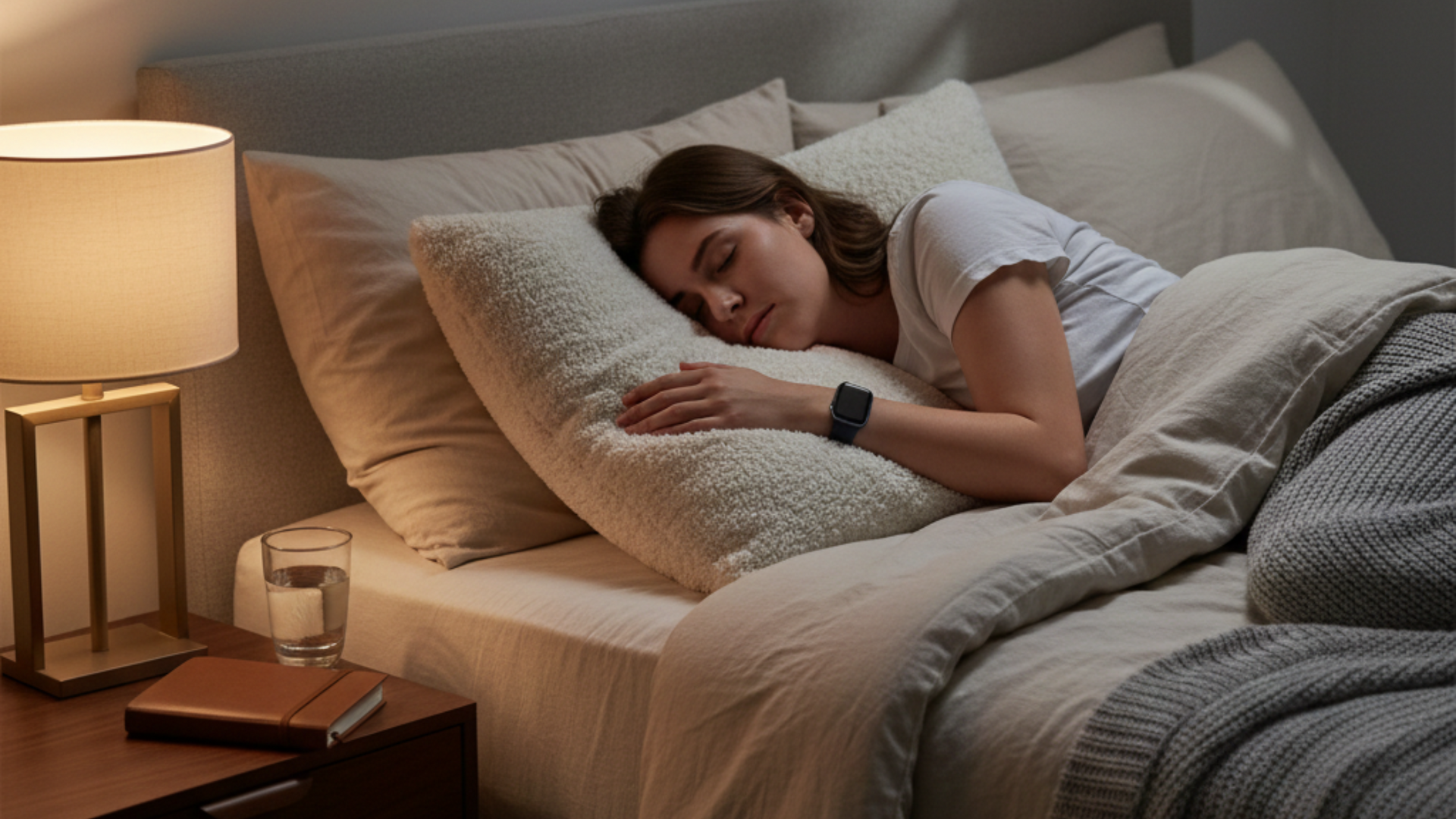
By encouraging side sleeping or slightly elevated positions, positional therapy helps keep the airway more open throughout the night. This approach does not cure sleep apnea, but for certain people especially those with mild to moderate positional obstructive sleep apnea it can significantly reduce symptoms such as snoring, frequent awakenings, and daytime fatigue.
Why Sleeping Position Matters
During sleep, muscles naturally relax. For individuals prone to airway collapse, the supine position increases the likelihood of obstruction because gravity pulls the jaw and soft palate backward. Studies have shown that many people experience fewer apnea events when sleeping on their side compared to lying on their back.
Side sleeping changes the alignment of the airway, reducing pressure on the throat and allowing air to move more freely. Some people also benefit from sleeping with the head slightly elevated, which may decrease airway resistance and improve oxygen flow.
Although the concept sounds simple, the challenge lies in maintaining the correct position throughout the night. Many individuals unconsciously roll onto their backs while sleeping, which is why structured positional therapy methods were developed.
Who Benefits Most From Positional Therapy
Positional therapy is particularly effective for individuals diagnosed with positional obstructive sleep apnea a form of sleep apnea where symptoms worsen primarily when lying on the back. A sleep study typically identifies this pattern by comparing breathing disturbances across different sleep positions.
People who may benefit include:
- Individuals with mild to moderate sleep apnea
- Those who experience loud snoring mainly when lying supine
- People looking for a complementary strategy alongside CPAP or oral appliances
However, positional therapy is not always suitable for severe sleep apnea or complex breathing disorders. In these cases, medical guidance is essential to determine whether positional changes alone provide sufficient support.
Common Positional Therapy Methods
Over time, positional therapy has evolved from simple home remedies to more structured tools designed to support consistent side sleeping. Some individuals use specialized pillows or wearable devices that gently encourage the body to remain in a healthier position during sleep.
Traditional methods once included placing a tennis ball in the back of a shirt to discourage back sleeping. While effective for some, modern alternatives now provide more comfort and sustainability. Position-training devices use gentle vibration or feedback to remind sleepers to adjust their posture without fully waking them.
Pillow positioning is another widely used strategy. Contoured body pillows or wedge pillows help stabilize the spine and maintain alignment, making it easier to remain on the side throughout the night.
Benefits Beyond Breathing
The advantages of positional therapy extend beyond fewer breathing interruptions. Many individuals report improved sleep continuity, reduced nighttime awakenings, and better morning alertness. Because positional therapy is non-invasive, it can feel less overwhelming than other treatment options, especially for those new to managing sleep apnea.
Improved sleep posture may also support neck and back comfort, particularly when paired with proper mattress support and pillow alignment. Over time, consistent side sleeping can help reduce strain on the airway and promote deeper, more restorative sleep cycles.
Limitations and Considerations
While positional therapy offers promising benefits, it is not a one-size-fits-all solution. Some people find it difficult to maintain new sleeping positions consistently, especially if they naturally move during the night. Others may experience discomfort if pillows or devices are not adjusted properly.
Another important consideration is that positional therapy works best when combined with broader sleep health strategies. Maintaining a consistent sleep schedule, managing stress, and creating a calming nighttime routine can enhance the effectiveness of any positional changes.
If symptoms such as severe daytime sleepiness, frequent choking during sleep, or ongoing fatigue persist, it is important to consult a healthcare professional. Positional therapy should be part of a comprehensive plan tailored to your specific sleep needs.
How to Start Positional Therapy Safely
Beginning positional therapy does not require complicated equipment. Start by observing your natural sleep habits and identifying whether back sleeping contributes to symptoms like snoring or restlessness. Simple adjustments such as using a body pillow or slightly elevating the upper body can provide a starting point.
Consistency is key. The body often needs time to adapt to new sleep positions, so gradual changes and comfortable support tools make the process more sustainable. Pairing positional therapy with relaxation techniques before bed may also help the body settle into a new posture more naturally.
Supporting Better Sleep Holistically
Positional therapy is just one piece of the larger sleep wellness puzzle. Nutritional support, stress management, and daily habits all influence how deeply and comfortably you sleep. Many people find that combining positional strategies with gentle lifestyle adjustments helps them feel more rested and energized over time.
If you are exploring ways to improve your sleep routine, personalized guidance can make the process less overwhelming. Every individual’s sleep challenges are unique, and finding the right combination of habits and support can create lasting improvements.
Take our quick quiz to get personalized supplement recommendations designed around your sleep habits, symptoms, and wellness goals.
Frequently Asked Questions
Is positional therapy enough to treat sleep apnea on its own?
Positional therapy can be helpful for individuals with mild positional sleep apnea, particularly when breathing disturbances occur mainly while lying on the back. By encouraging side sleeping, some people experience fewer apnea episodes and improved sleep quality. However, it is not always sufficient as a standalone treatment. Those with moderate to severe sleep apnea often require additional medical support such as CPAP therapy, oral appliances, or guidance from a sleep specialist. Positional therapy is best viewed as one part of a comprehensive sleep management plan rather than a universal replacement for clinical treatment.
What is the best sleeping position for sleep apnea?
Side sleeping is widely considered the most supportive position because it helps prevent the tongue and soft tissues from collapsing backward into the airway. This position allows airflow to remain more stable throughout the night. Some individuals also benefit from slightly elevating the head and upper body, which may reduce airway resistance and ease breathing. Finding the best position often involves experimenting with pillows, mattress support, and body alignment to maintain comfort while keeping the airway open.
How long does it take to see results from positional therapy?
Initial improvements may be noticed within a few nights, especially if back sleeping was a major trigger for symptoms. However, consistent and lasting benefits usually develop over several weeks as the body adjusts to new sleep habits. Sleep patterns take time to change, and maintaining a supportive bedtime routine including stress management and proper sleep hygiene can help reinforce the effects of positional therapy over time.