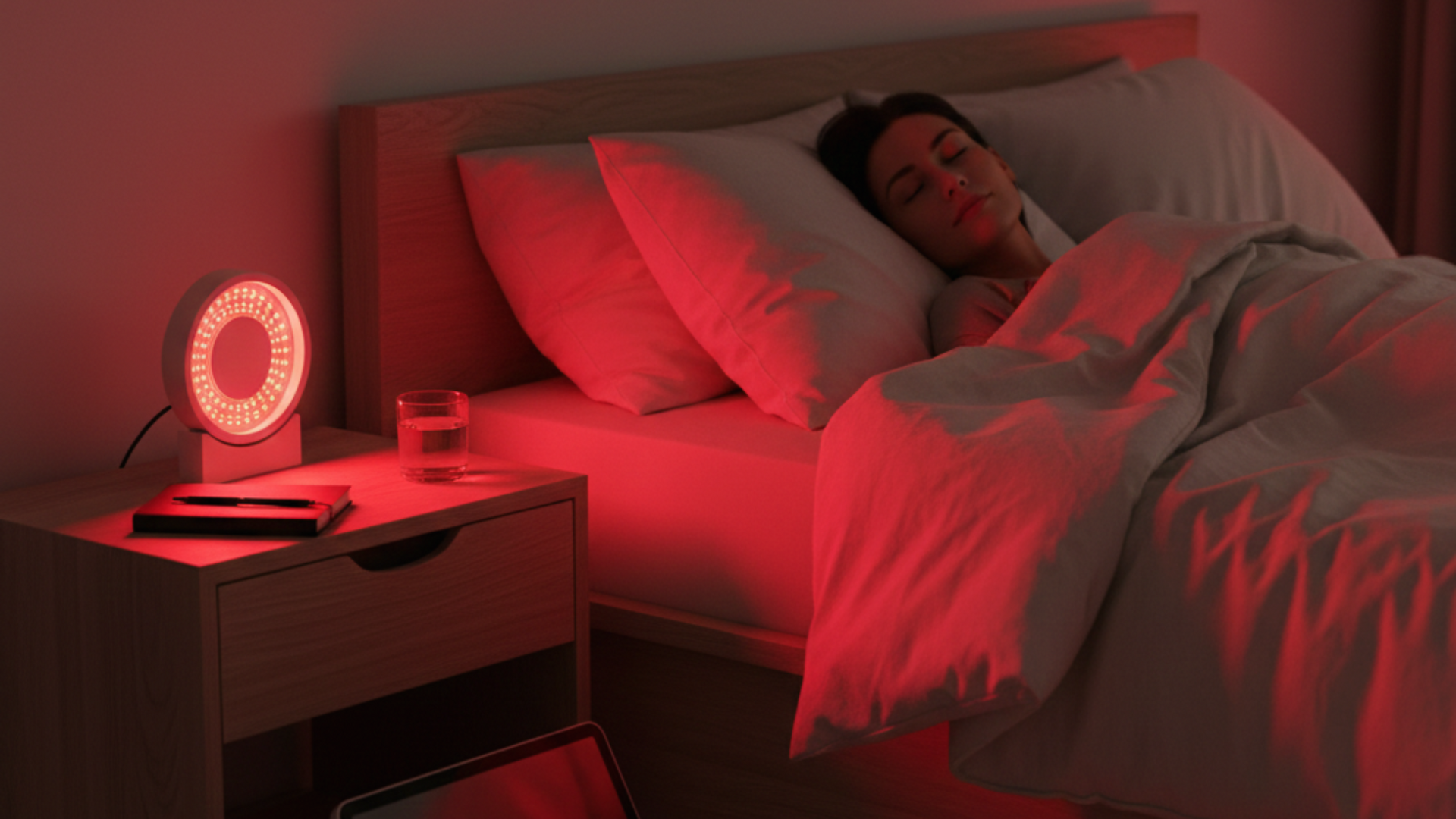

Red light therapy devices are becoming popular tools for people who want to improve their sleep naturally. From bedside lamps to wearable masks and light panels, many products claim to help you fall asleep faster, relax your body, and wake up feeling more refreshed. But what does the science really say about red light therapy for sleep?
Red light therapy uses low levels of red or near-infrared light to influence how the body responds to light exposure. Unlike bright white or blue light, red light has longer wavelengths that are generally less stimulating to the brain at night. This makes it an interesting option for people who want gentle evening lighting without disrupting their natural sleep cycle.
In this guide, you will learn how red light therapy devices work, what research suggests about their benefits, and how to use them safely as part of a healthy bedtime routine. If you want to continue learning about sleep, stress, and mental wellness, read or explore more here at the Knowledge Hub for more mental health–related articles, and take the Cenario quiz to get personalized supplement recommendations designed to support your sleep and overall well-being.
What Is Red Light Therapy?
Red light therapy is a type of light exposure that uses specific wavelengths of red and near-infrared light. These wavelengths are thought to interact with the body at a cellular level, supporting natural biological processes.
Researchers believe red light may stimulate mitochondrial activity the part of cells responsible for producing energy which may support recovery and relaxation in some cases.
Unlike bright blue light from phones or LED screens, red light is less likely to interfere with your body’s circadian rhythm, which controls your sleep-wake cycle.
How Red Light Therapy May Support Sleep
Sleep is strongly influenced by light exposure. Your brain uses light signals to decide when to stay awake and when to prepare for rest. Blue light tends to increase alertness, while warmer tones may create a calmer nighttime environment.
Some research suggests that red light therapy may support sleep in several ways:
1. Supporting Circadian Rhythm Balance
Light exposure plays a major role in regulating circadian rhythms. Using softer red light in the evening may reduce sleep disruption compared to bright white or blue light sources.
Because red light has longer wavelengths, it is generally less likely to suppress melatonin, the hormone that helps regulate sleep timing.
2. Possible Effects on Melatonin and Relaxation
Some studies suggest that red light exposure may influence melatonin levels or sleep quality. For example, a small study involving athletes found improved sleep quality and increased melatonin after regular red-light sessions.
However, experts emphasize that research is still developing, and results may vary depending on the device, light intensity, and individual response.
3. Creating a Calming Bedtime Environment
One of the biggest benefits of red light devices may be environmental rather than biological. Replacing harsh white lighting with softer red tones can signal to the brain that it is time to wind down.
Many sleep experts recommend minimizing bright or blue-rich light before bed because it can delay sleep onset and increase daytime fatigue.
Types of Red Light Therapy Devices for Sleep
There are several types of red light devices marketed for relaxation and sleep support. Each works slightly differently.
Red Light Lamps
These are small bedside lamps designed to replace standard evening lighting. They create a dim, warm environment that may feel less stimulating before sleep.
Wearable Red Light Masks
Some devices are worn over the eyes or face and deliver targeted red light exposure. These are often used as part of relaxation routines, although results vary depending on device quality.
Light Panels
Larger panels are typically used for full-body light exposure. Some people use them earlier in the evening rather than right before bed to avoid excessive stimulation.
Portable Handheld Devices
These smaller tools are sometimes used for targeted relaxation or recovery and may be included in nighttime routines.
What the Science Says, Benefits and Limitations
While red light therapy is gaining attention, it’s important to understand that research findings are mixed.
Some studies suggest potential improvements in sleep quality and reduced grogginess after waking.
Other research shows that certain red light exposure may increase alertness in some individuals, which could affect sleep differently depending on timing and intensity.
This means red light therapy should not be viewed as a guaranteed solution for insomnia. Instead, it may be best used as part of a broader sleep-support routine that includes consistent sleep schedules, relaxation practices, and reduced screen exposure.
How to Use Red Light Therapy Devices Safely
If you are considering using red light therapy devices for sleep, keep these tips in mind:
- Choose dim, low-intensity lighting in the evening rather than very bright panels.
- Avoid shining light directly into your eyes unless the device is designed for safe facial use.
- Use devices earlier in the evening if you notice increased alertness at night.
- Start with short sessions and observe how your body responds.
- Remember that even red light can affect sleep if it is too bright or used at the wrong time.
Who May Benefit Most from Red Light Devices?
Red light therapy devices may be helpful for people who:
- Want softer evening lighting instead of bright LEDs
- Feel overstimulated by blue light before bed
- Enjoy structured nighttime relaxation routines
- Are looking for gentle lifestyle tools to support sleep habits
However, individuals with serious sleep disorders should seek guidance from a healthcare professional before relying on any device.
Final Thoughts
Red light therapy devices are becoming popular tools for creating a more sleep-friendly environment. While early research suggests potential benefits for relaxation, circadian rhythm support, and sleep quality, the science is still evolving. Red light does not replace healthy sleep habits, but it may complement routines that promote calmness and emotional balance at night.
If you’re exploring ways to support your sleep and mental wellness from multiple angles, take the Cenario quiz to get personalized supplement recommendations designed to support relaxation, mood balance, deeper rest, and overall nighttime recovery.
Frequently Asked Questions
1. Is red light therapy safe to use before bed?
Many people use low-intensity red light in the evening because it is generally less stimulating than bright white or blue light. However, brightness levels and timing still matter. Using very strong light too close to bedtime may feel energizing for some individuals.
2. Can red light therapy replace good sleep habits?
No, red light therapy works best as a supportive tool rather than a replacement for healthy routines. Consistent sleep schedules, reducing screen time, managing stress, and creating a calm bedtime environment remain important for long-term sleep quality.
3. How long should you use a red light therapy device for sleep support?
There is no single rule. Some people use dim red light for 10–20 minutes during their evening wind-down routine, while others simply replace their regular bedside lighting with softer red tones. Start slowly and pay attention to how your body responds.