
Stress affects both the mind and body, and one of the key hormones involved in the stress response is cortisol. Cortisol helps regulate energy, sleep, and alertness, but when levels remain elevated for long periods, many people begin to feel mentally exhausted, emotionally overwhelmed, or physically tense. As interest in natural wellness tools grows, red light therapy has become a topic of discussion for individuals looking to support recovery and balance their daily stress response.
Red light therapy does not replace professional medical care, but some people explore it as part of a broader wellness routine focused on relaxation, sleep support, and nervous system regulation. In this guide, we explore how red light therapy may influence cortisol patterns, what current research suggests, and how it can be integrated into a balanced mental wellness plan.
If youd like to explore more therapy guides and stress-support resources, you can read more in the Knowledge Hub or take the Cenario Quiz to receive a personalized supplement formula designed to support relaxation, recovery, and emotional balance.
Understanding Cortisol and the Stress Response
Cortisol is often called the stress hormone, but its role goes far beyond stress. It helps regulate metabolism, immune function, sleep-wake cycles, and energy levels throughout the day.
Under normal conditions, cortisol follows a natural rhythm:
- Higher levels in the morning to promote alertness
- Gradual decline throughout the day
- Lower levels in the evening to support rest and recovery
When stress becomes chronic, this rhythm can become disrupted. Some individuals may feel wired but tired, experience difficulty sleeping, or struggle with focus and mood regulation. Supporting the nervous system and promoting relaxation may help restore healthier cortisol patterns over time.
What Is Red Light Therapy?
Red light therapy, sometimes called photobiomodulation, uses low-level red or near-infrared wavelengths of light to stimulate cellular processes. Unlike ultraviolet light, it does not aim to damage skin or produce heat. Instead, it targets mitochondria the energy centers within cells which may influence recovery and tissue repair.
Many people explore red light therapy for:
- Relaxation and stress recovery
- Sleep routine support
- Muscle recovery
- Skin wellness
While research into cortisol specifically is still developing, some studies suggest that light exposure may influence the nervous system and promote a calming physiological response.
How Red Light Therapy May Support Cortisol Balance
Red light therapy does not directly control cortisol levels, but it may support the bodys stress response through indirect pathways.
Nervous System Regulation
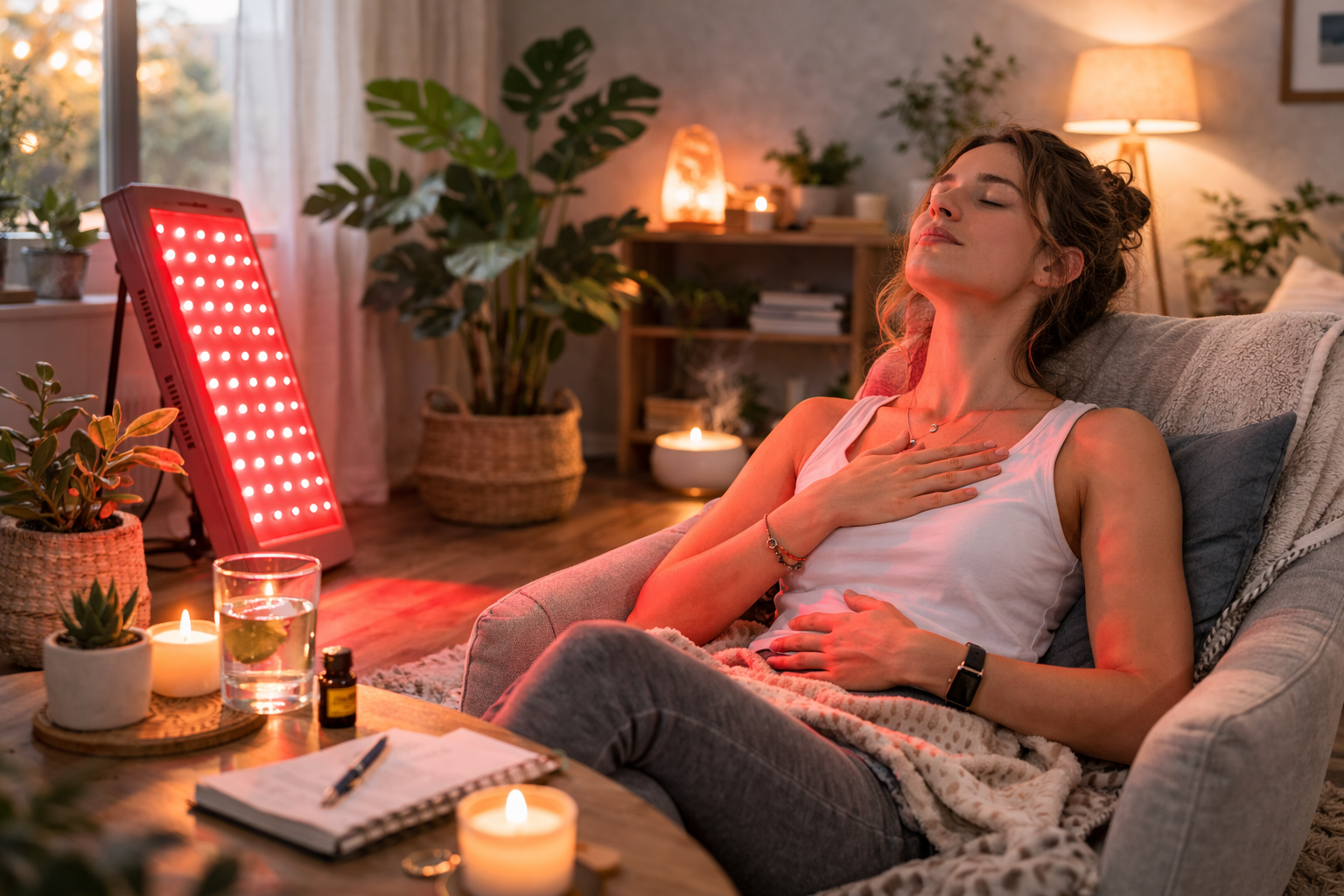
Exposure to gentle red light may encourage parasympathetic activity, often called the rest and restore state. When the nervous system shifts away from chronic fight-or-flight activation, cortisol production may gradually stabilize.
Sleep and Circadian Rhythm Support
Light exposure plays a strong role in regulating the bodys internal clock. Some individuals use red light therapy in evening routines because it is less stimulating than bright blue light, which can help promote relaxation before sleep.
Healthy sleep patterns are closely connected to balanced cortisol rhythms.
Cellular Energy and Recovery
Red light therapy may support mitochondrial function, which is linked to energy production and tissue recovery. Improved cellular efficiency may help the body recover from physical or emotional stress more effectively.
Who May Explore Red Light Therapy?
People interested in red light therapy often include those experiencing:
- Chronic stress or mental fatigue
- Difficulty winding down at night
- Emotional burnout
- High daily demands or overstimulation
However, it is important to view red light therapy as a supportive wellness tool rather than a standalone treatment for stress-related conditions.
How to Use Red Light Therapy Safely
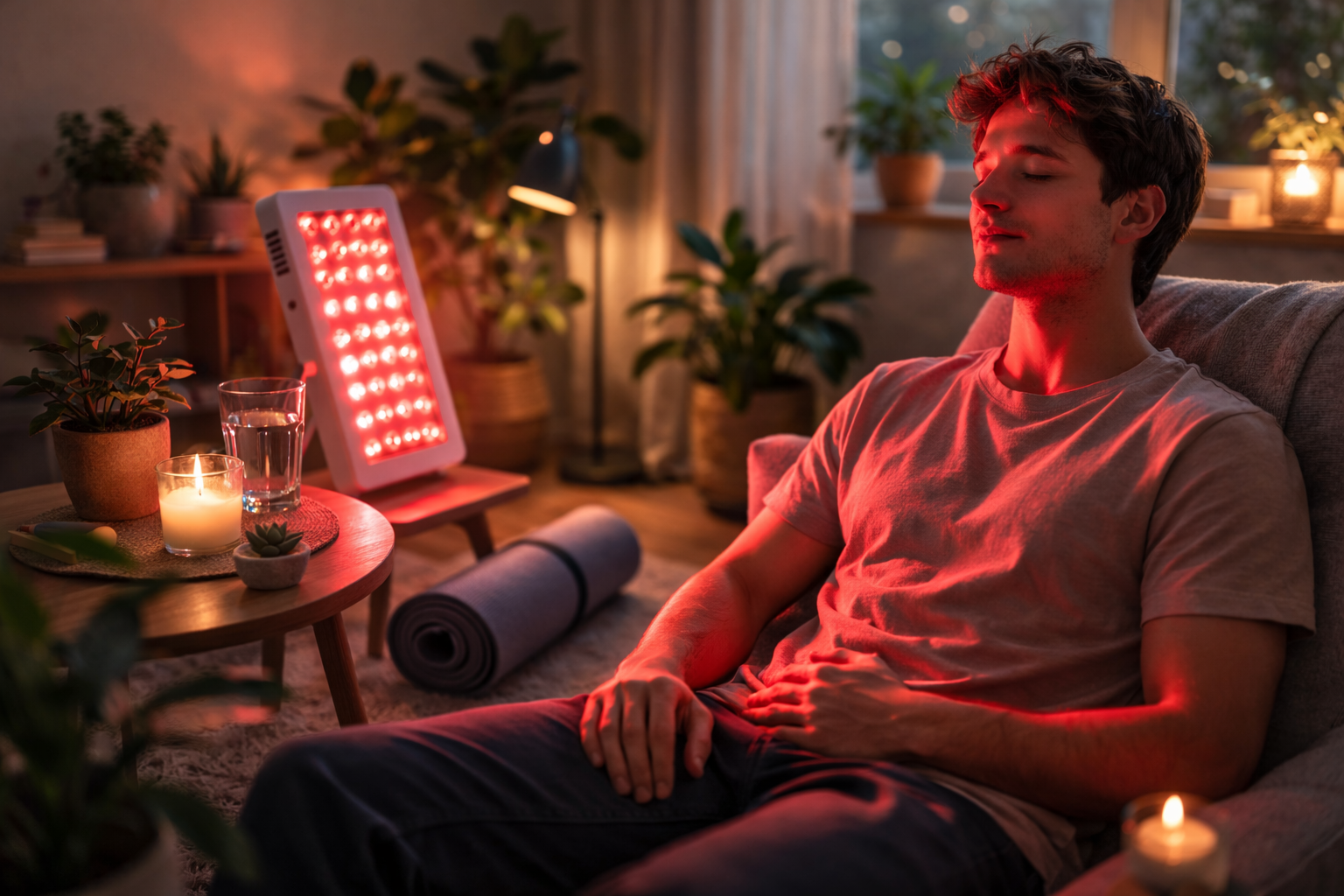
Individuals who explore red light therapy often begin with short sessions and gradually adjust based on comfort. Common guidelines include:
- Following manufacturer instructions carefully
- Avoiding direct eye exposure without protection
- Using consistent timing rather than long sessions
Consulting with a healthcare professional may be helpful, especially for individuals with medical conditions or sensitive skin.
Combining Red Light Therapy With Other Stress-Support Strategies
Red light therapy works best when integrated into a broader wellness routine. Supportive practices may include:
- Mindfulness or breathing exercises
- Gentle evening routines
- Consistent sleep schedules
- Balanced nutrition and hydration
Some individuals also explore educational resources or personalized wellness tools to complement their daily habits.
Limitations and What Research Still Needs to Explore
Although early findings are promising, research on red light therapy and cortisol specifically is still evolving. Results can vary between individuals, and long-term studies are ongoing.
Its important to approach red light therapy with realistic expectations. Rather than expecting immediate changes, many people use it as part of a gradual self-care routine focused on relaxation and recovery.
Final Thoughts
Red light therapy offers a gentle and non-invasive approach that some individuals use to support relaxation, sleep, and stress recovery. While it does not replace therapy, medical care, or professional treatment, it may complement a holistic approach to emotional and physical wellness.
Understanding cortisol and the bodys stress response can help individuals make informed decisions about which wellness tools feel supportive. With consistent routines, mindful habits, and the right guidance, many people find new ways to create balance in their daily lives.
You can take the Cenario Quiz here to receive personalized supplement recommendations designed to support relaxation, mood balance, and daily recovery based on your unique needs.
Frequently Asked Questions
Can red light therapy lower cortisol levels directly?
Red light therapy is not designed to directly change hormone levels. However, some individuals use it to support relaxation and sleep routines, which may influence overall stress balance.
How often should red light therapy be used for stress support?
Usage varies depending on the device and individual comfort. Many people begin with short, consistent sessions and adjust gradually while monitoring how they feel.
Is red light therapy safe for daily use?
When used according to manufacturer guidelines, red light therapy is generally considered low risk. Consulting a healthcare professional is recommended for personalized advice.
Can red light therapy replace therapy or stress management techniques?
No. Red light therapy is best viewed as a supportive wellness tool rather than a replacement for professional mental health care or structured therapy.