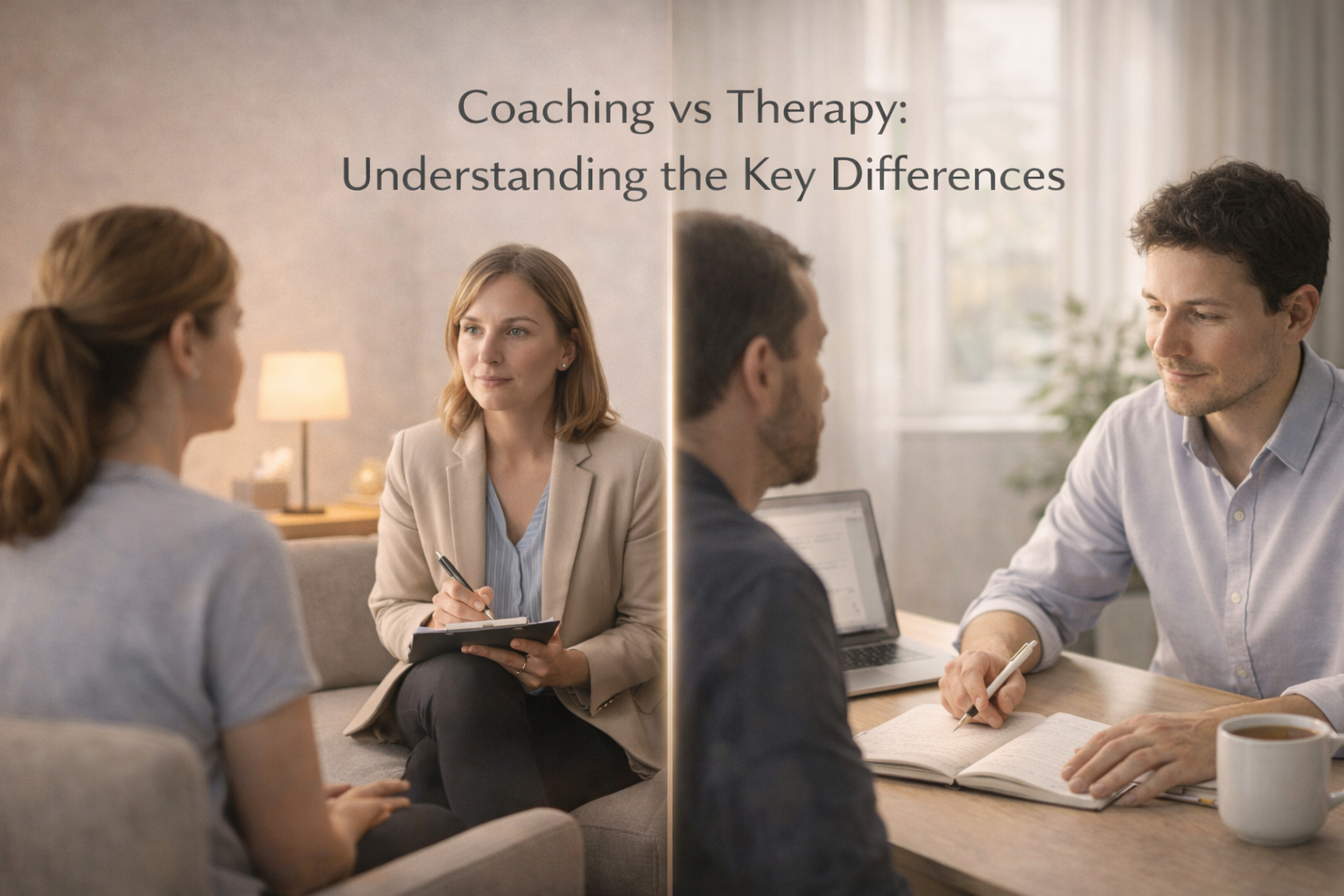

Relational somatic healing is an approach to emotional well-being that focuses on the deep connection between the body, relationships, and past experiences. Many people think healing happens only through talking about problems. While conversation is important, relational somatic healing recognizes that emotional wounds are not just stored in the mind—they are also held in the body.
To understand this approach, it helps to first explore two key ideas: “relational” and “somatic.” The word relational refers to relationships, especially early relationships with caregivers, family members, and close partners. These relationships shape how safe, valued, and connected we feel. The word somatic comes from the Greek word “soma,” meaning body. Somatic healing focuses on physical sensations, nervous system responses, and body awareness.
When combined, relational somatic healing becomes a process of repairing emotional wounds through safe, supportive relationships while also paying close attention to how the body responds.
If you would like to deepen your understanding of emotional wellness and nervous system health, read or explore more here at Knowledge Hub for more mental health related articles and supportive resources. You can also take the quiz to get personalized supplement recommendation design to support your stress response, emotional balance, and overall nervous system resilience.
How Relationships Shape the Nervous System
From birth, humans depend on relationships for survival. A baby relies on caregivers for food, comfort, and protection. During these early interactions, the nervous system begins to develop patterns. If caregivers are consistently responsive and supportive, the child’s nervous system learns that the world is generally safe. This builds a foundation of trust.
However, if early relationships involve neglect, unpredictability, conflict, or trauma, the nervous system may adapt in protective ways. A person might become hyper-alert, easily triggered, emotionally shut down, or disconnected from their bodily sensations. These patterns are not signs of weakness. They are survival strategies the body learned to cope with stress.
Over time, these patterns can affect adult relationships. Someone may struggle with intimacy, fear abandonment, avoid conflict, or feel overwhelmed during emotional conversations. Even when the logical mind knows a situation is safe, the body may still react as if danger is present.
Relational somatic healing works directly with these automatic body responses.
The Role of the Body in Emotional Healing
Many traditional talk-based therapies focus mainly on thoughts, beliefs, and memories. Relational somatic healing includes these elements but adds another important layer: body awareness.
The body communicates through sensations such as tightness in the chest, a knot in the stomach, shallow breathing, or muscle tension. These sensations often appear before we consciously understand what we are feeling. For example, someone may feel their heart race during a disagreement before realizing they are anxious or afraid.
In relational somatic healing, clients are gently guided to notice these physical sensations without judgment. This process helps reconnect the mind and body. Instead of ignoring or suppressing discomfort, individuals learn to stay present with their bodily experiences in a safe environment.
Over time, this builds body trust, the ability to listen to and understand internal signals rather than fear them.
What Happens in a Relational Somatic Healing Session
A session typically involves conversation, but it moves at a slower pace than traditional therapy. The practitioner may ask questions such as, “What are you noticing in your body right now?” or “Where do you feel that emotion?”
Clients are encouraged to describe sensations rather than analyze them immediately. This might include noticing warmth, pressure, tingling, or heaviness. The goal is not to force change but to create awareness.
The healing process also relies on the relationship between the practitioner and the client. When a client experiences consistent empathy, calm presence, and emotional safety, their nervous system begins to relax. Over time, new relational experiences can gently reshape old patterns.
For example, if someone expects rejection when expressing vulnerability, and instead receives acceptance and support, the nervous system begins to learn that connection can be safe.
Rebuilding Regulation and Safety
One major focus of relational somatic healing is nervous system regulation. Regulation means the ability to move between states of alertness and calm without becoming stuck.
When the nervous system is dysregulated, a person may feel constantly anxious or emotionally numb. Through body-based awareness and safe relational experiences, individuals learn skills that help stabilize their internal state.
These skills may include:
- Slow, intentional breathing
- Grounding exercises that focus on physical surroundings
- Gentle movement or posture adjustments
- Tracking shifts in body sensation
These practices are simple but powerful. They strengthen the connection between awareness and regulation.
Why Body Trust Matters
Body trust means feeling confident in your internal signals. Many people who have experienced relational trauma lose this trust. They may ignore their instincts, doubt their boundaries, or struggle to recognize emotional needs.
When body trust is restored, individuals become more attuned to early warning signs of stress. They may notice tension building before it turns into anger, or anxiety rising before it becomes overwhelming. This awareness creates space for healthier choices.
Body trust also supports clearer communication in relationships. Instead of reacting impulsively, a person can pause, recognize what they are feeling, and respond thoughtfully.
Who Can Benefit from Relational Somatic Healing?
Relational somatic healing may benefit individuals who:
Experience relationship anxiety or avoidance
Feel disconnected from their emotions
Struggle with chronic stress or tension
Have a history of relational trauma
Want to improve emotional regulation
It is especially helpful for those who feel that talking alone has not fully resolved their patterns. Because it integrates both body and relationship dynamics, it offers a more holistic path to healing.
Long-Term Growth and Integration
Healing through relational somatic work is not about eliminating all discomfort. Instead, it focuses on building resilience and flexibility. The goal is to increase the ability to experience emotions without becoming overwhelmed or disconnected.
As individuals practice body awareness and experience safe connection, their nervous system gradually shifts. They may notice improved confidence, deeper intimacy, and greater emotional stability.
Over time, old protective patterns become less rigid. The body no longer needs to remain on constant alert. This creates more freedom in daily life and relationships.
Final Thoughts
Relational somatic healing recognizes that emotional wounds are not just stories in the mind—they are patterns in the nervous system. By combining safe, supportive relationships with mindful attention to bodily sensations, this approach helps restore body trust and emotional balance.
Healing does not happen overnight. It unfolds gradually as new experiences reshape old patterns. Through patience, awareness, and supportive connection, individuals can learn to feel safer in their bodies and more secure in their relationships.
Restoring body trust is not about becoming someone new. It is about reconnecting with the safety and resilience that were always present within you.
If you are ready to take a proactive step toward supporting your emotional and nervous system well-being, take the quiz to get personalized supplement recommendation design to align with your unique stress patterns, energy levels, and long-term wellness goals.
Frequently Asked Questions
1. How is relational somatic healing different from traditional talk therapy?
Traditional talk therapy often focuses primarily on thoughts, beliefs, and past experiences. Relational somatic healing includes these elements but also emphasizes body awareness and nervous system responses. It integrates emotional processing with physical sensations and relational safety.
2. Is relational somatic healing only for people with trauma?
No. While it can be helpful for individuals with relational or developmental trauma, it is also beneficial for anyone who wants to improve emotional regulation, strengthen relationships, or feel more connected to their body.
3. What does “body trust” mean in this approach?
Body trust refers to the ability to recognize, understand, and respond to internal sensations and emotional signals with confidence. It involves feeling safe enough to listen to your body’s cues rather than ignoring or fearing them.
4. How long does relational somatic healing take?
The timeline varies depending on individual experiences, goals, and consistency. Because this approach focuses on gradual nervous system change, progress typically unfolds over time through steady practice and supportive relational experiences.