
Stress has become a normal part of modern life. Whether it comes from school, work, relationships, finances, or health concerns, most people experience stress on a daily basis. While some stress can motivate us to perform better, long-term or overwhelming stress can damage both mental and physical health. This is where stress reduction coaching can make a meaningful difference.
Stress reduction coaching is a structured, supportive process that helps individuals understand their stress, identify its root causes, and develop practical strategies to manage it effectively. Unlike quick-fix solutions, stress reduction coaching focuses on long-term change, self-awareness, and sustainable habits.
If you’re looking to better understand your mental well-being, read or explore more here at Knowledge Hub for more mental health related articles and take the quiz to get personalized supplement recommendation design to support your stress management journey and overall wellness goals.
What Is Stress Reduction Coaching?
Stress reduction coaching is a personalized approach to helping individuals cope with and reduce stress in their lives. A stress reduction coach works with clients to:
- Identify sources of stress
- Recognize physical and emotional stress responses
- Develop healthy coping strategies
- Improve mindset and resilience
- Build routines that promote balance and well-being
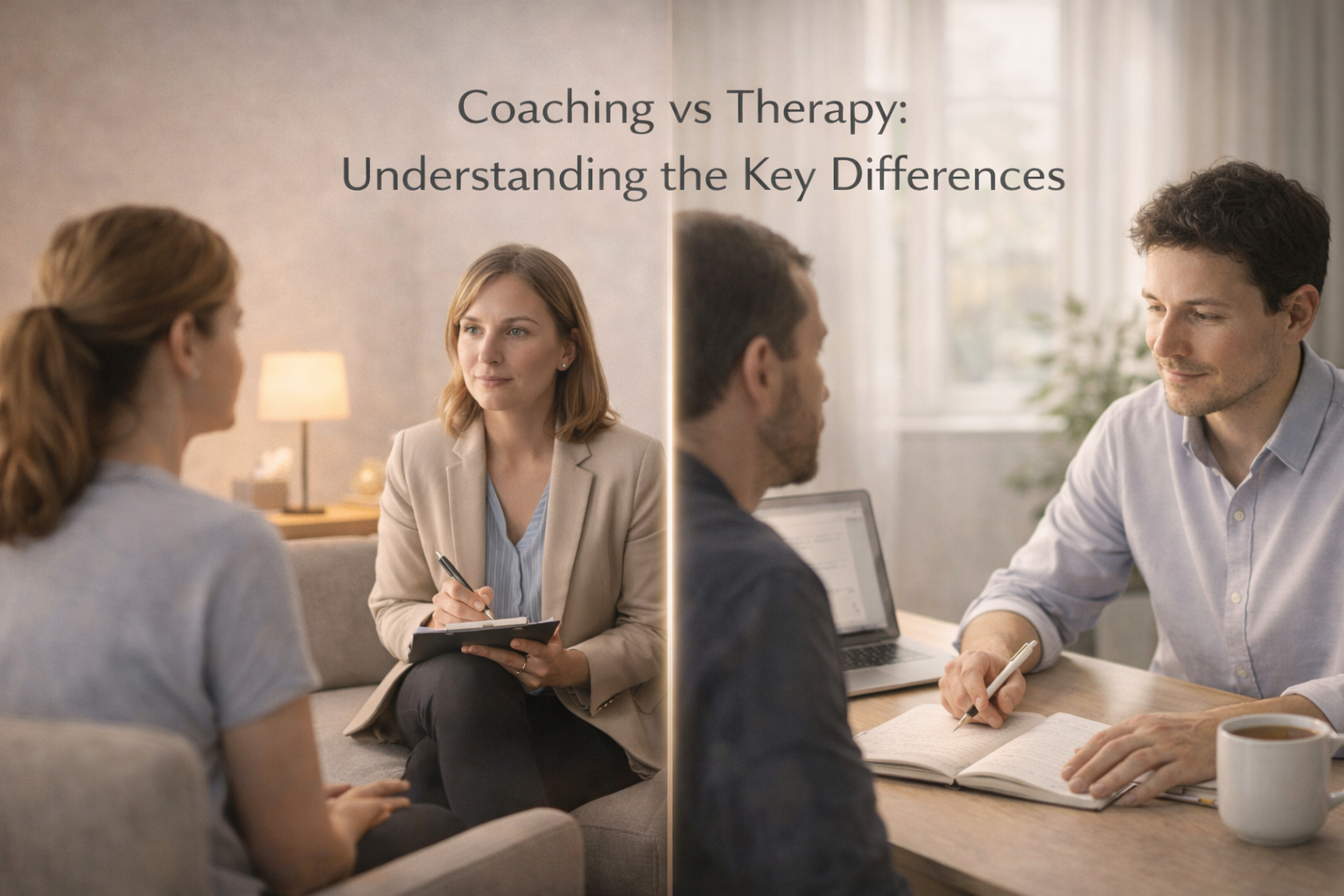
It is important to understand that stress reduction coaching is not therapy. While therapy often focuses on healing past trauma or treating mental health disorders, coaching focuses on present challenges and future goals. A coach acts as a guide, helping clients build skills and strategies to better manage their daily lives.
Understanding Stress: The Foundation of Coaching
Before reducing stress, it is important to understand what it is and how it works.
Stress is the body’s natural reaction to challenges or threats. When you face a stressful situation, your body releases hormones like cortisol and adrenaline. These hormones prepare you for a “fight or flight” response. Your heart rate increases, your muscles tense, and your mind becomes alert.
In short bursts, this response can be helpful. However, when stress becomes constant, the body remains in a heightened state of alertness. Over time, chronic stress can lead to:
- Headaches and muscle tension
- Sleep problems
- Digestive issues
- Anxiety and irritability
- Weakened immune system
- Burnout and exhaustion
Stress reduction coaching begins by helping clients recognize how stress shows up in their lives—physically, emotionally, and behaviorally.
The Role of a Stress Reduction Coach
A stress reduction coach does not simply tell clients to “relax” or “think positive.” Instead, they guide clients through a structured process that encourages awareness, accountability, and skill development.
First, the coach helps the client assess their current stress levels and triggers. This might involve journaling, questionnaires, or open conversations. Many people are surprised to discover that their stress comes not only from big events but also from small daily pressures that accumulate over time.
Second, the coach works with the client to set realistic goals. These goals might include improving sleep, setting healthier boundaries, managing time better, or reducing negative self-talk.
Finally, the coach provides tools and techniques tailored to the client’s lifestyle. These strategies are practical and adaptable, allowing clients to apply them in real-world situations.
Common Techniques Used in Stress Reduction Coaching
Stress reduction coaching combines evidence-based strategies with personalized support. Some of the most effective techniques include:
1. Mindfulness and Breathing Techniques
Mindfulness involves paying attention to the present moment without judgment. Many people feel stressed because their minds constantly focus on past mistakes or future worries. Mindfulness helps shift attention to what is happening right now.
Simple breathing exercises can lower heart rate and calm the nervous system. For example, slow, deep breathing signals the body that it is safe to relax. Practicing this regularly can significantly reduce daily stress levels.
2. Cognitive Restructuring
Our thoughts strongly influence our stress levels. For example, thinking “I’m going to fail” before a test increases anxiety, while thinking “I’ve prepared and I’ll do my best” reduces it.
Stress reduction coaching often includes cognitive restructuring, which helps clients identify negative thought patterns and replace them with more balanced, realistic thinking. This does not mean ignoring problems, but rather viewing them in a healthier way.
3. Time Management Skills
Poor time management is a major source of stress. When tasks pile up, people feel overwhelmed and out of control.
Coaching may involve creating structured schedules, prioritizing tasks, and breaking large projects into manageable steps. Learning how to say no and set boundaries is also a key part of reducing unnecessary stress.
4. Lifestyle Adjustments
Physical health plays a major role in stress management. Lack of sleep, poor nutrition, and little physical activity can make stress worse.
A stress reduction coach may guide clients in developing better daily habits, such as:
- Establishing consistent sleep routines
- Incorporating regular physical activity
- Limiting caffeine and screen time
- Creating relaxing evening rituals
These changes may seem small, but over time they significantly improve resilience.
Benefits of Stress Reduction Coaching
Stress reduction coaching offers more than temporary relief. It builds long-term skills that improve overall quality of life.
Some of the key benefits include:
- Improved emotional regulation. Clients learn how to respond thoughtfully instead of reacting impulsively to stressful situations.
- Increased self-awareness. Understanding personal triggers allows individuals to make proactive choices.
- Better work-life balance. Coaching helps individuals align their daily actions with their values and priorities.
Enhanced productivity. When stress is managed effectively, concentration and performance improve.
Stronger relationships. Lower stress levels often lead to better communication and fewer conflicts.
Over time, clients often report feeling more confident, focused, and in control of their lives.
Who Can Benefit from Stress Reduction Coaching?
Stress reduction coaching can benefit a wide range of people, including:
Students facing academic pressure
Professionals experiencing workplace burnout
Parents balancing multiple responsibilities
Entrepreneurs managing uncertainty
Anyone feeling overwhelmed by daily life
It is especially helpful for individuals who feel “stuck” in patterns of stress but are ready to take action toward change.
What to Expect in a Coaching Session
A typical stress reduction coaching session lasts between 45 and 60 minutes. Sessions may take place in person or online.
During a session, the client and coach discuss current challenges, review progress, and develop new strategies. The coach may assign small tasks or exercises to practice between sessions, such as journaling, mindfulness exercises, or habit tracking.
Coaching is collaborative. The client plays an active role in identifying goals and creating solutions. The coach provides guidance, support, and accountability.
Long-Term Impact of Stress Reduction Coaching
The ultimate goal of stress reduction coaching is not to eliminate stress entirely—because that is impossible, but to change how a person relates to stress.
Instead of feeling controlled by stress, individuals learn to manage it effectively. They develop resilience, which is the ability to adapt and recover from challenges. Over time, they become better equipped to handle unexpected difficulties without feeling overwhelmed.
Stress reduction coaching encourages a mindset shift. Rather than seeing stress as an enemy, clients learn to view it as a signal an indicator that something needs attention or adjustment.
Conclusion
Stress is an unavoidable part of life, but suffering from chronic stress does not have to be. Stress reduction coaching provides practical tools, personalized guidance, and lasting strategies to help individuals regain balance and improve their well-being.
By increasing self-awareness, improving daily habits, and developing healthier thought patterns, individuals can transform how they experience stress. The result is not only reduced anxiety but also greater clarity, productivity, and overall life satisfaction.
In a world that constantly demands more from us, learning how to manage stress effectively is not just helpful it is essential for long-term health and success.
If you’re ready to take the next step toward better mental well-being, take the quiz to get personalized supplement recommendation design to support your stress reduction goals and help you build a healthier, more balanced life.
Frequently Asked Questions
1. How is stress reduction coaching different from therapy?
Stress reduction coaching focuses on present challenges and future goals. It helps individuals develop practical skills to manage daily stress more effectively. Therapy, on the other hand, often addresses deeper emotional issues, trauma, or diagnosed mental health conditions. Coaching is action-oriented and goal-driven, while therapy may focus more on healing past experiences.
2. How long does it take to see results from stress reduction coaching?
Results vary depending on the individual and their level of commitment. Some people notice improvements in awareness and coping skills within a few weeks. Long-term and sustainable change typically develops over several months as new habits and thought patterns become consistent.
3. Can stress reduction coaching help with workplace burnout?
Yes. Stress reduction coaching is especially helpful for individuals experiencing workplace stress or burnout. It can improve time management, boundary setting, emotional regulation, and resilience, all of which are essential for maintaining balance in demanding work environments.
4. Do I need supplements to manage stress effectively?
Supplements are not a replacement for healthy lifestyle habits, but they can support overall well-being when combined with proper sleep, nutrition, exercise, and stress management strategies. Taking a personalized quiz can help identify supplement recommendations design to align with your specific needs and stress levels.