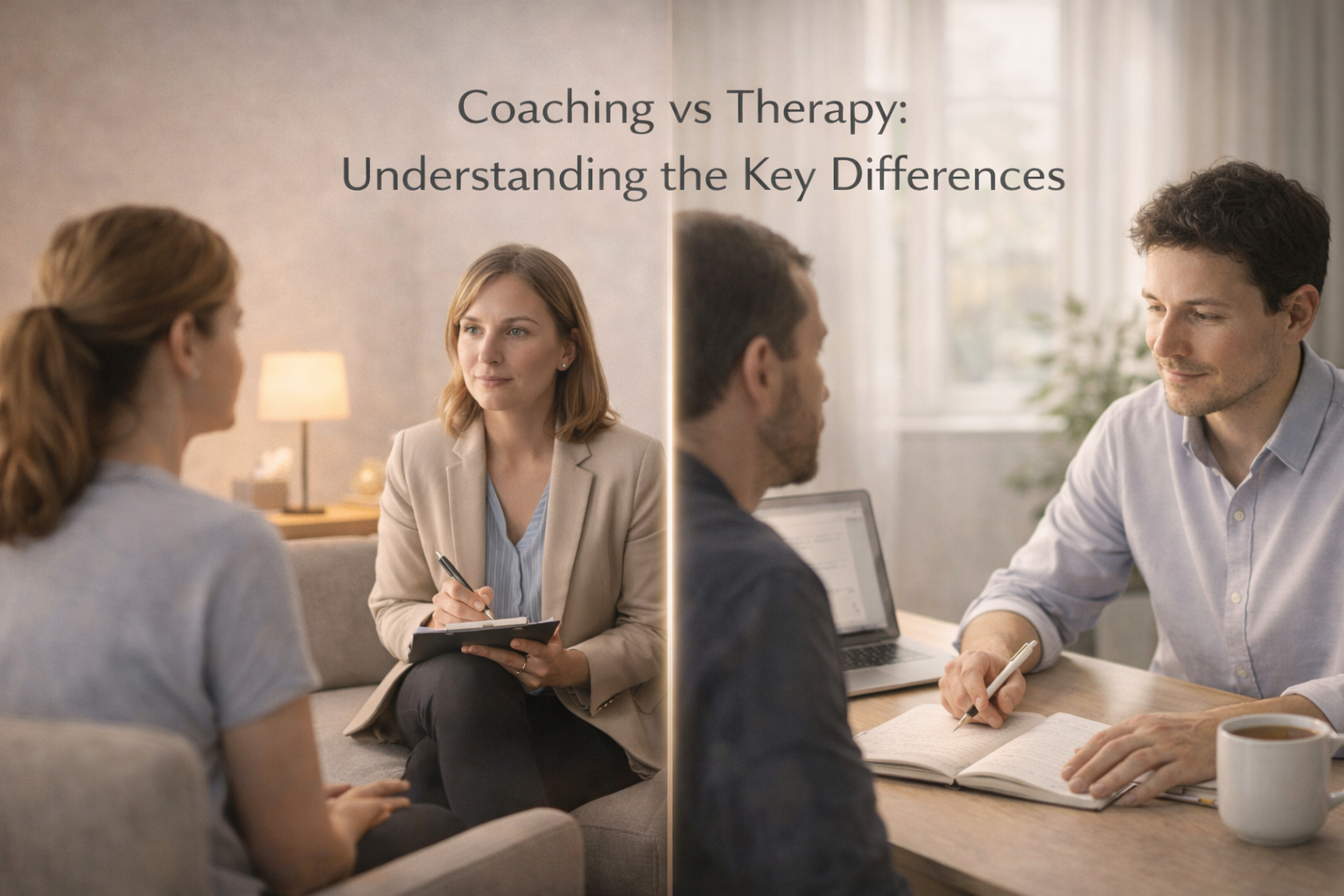

Cognitive performance refers to how well your brain processes information, solves problems, remembers details, and maintains focus. In today’s fast-paced world, strong cognitive skills are essential for academic success, career advancement, and daily decision-making. However, stress, poor sleep, anxiety, burnout, and emotional challenges can reduce mental clarity and concentration. Therapy for cognitive performance offers structured, evidence-based strategies to improve focus, memory, and overall brain function.
Many people assume that cognitive performance is fixed or determined only by intelligence. In reality, cognitive skills can be strengthened through intentional mental training and emotional regulation. Therapy provides practical tools to improve both the psychological and behavioral factors that influence brain performance.
To continue learning, read or explore more here at Knowledge Hub for more mental health related articles and take the quiz to get personalized supplement recommendation design to support your focus, memory, and overall cognitive wellness goals.
Understanding Cognitive Performance
Cognitive performance includes several important mental abilities. These include attention, memory, processing speed, reasoning, and executive functioning. Executive functions are higher-level skills that help with planning, organizing, managing time, and controlling impulses.
When cognitive performance is strong, tasks feel manageable, learning becomes easier, and problem-solving feels more efficient. When it declines, individuals may struggle with forgetfulness, mental fatigue, poor concentration, and slower thinking.
Several factors can affect cognitive performance, including:
- Chronic stress
- Anxiety or depression
- Lack of sleep
- Poor time management
- Information overload
- Emotional distractions
Therapy addresses these root causes and strengthens mental skills in a systematic way.
How Therapy Improves Cognitive Performance
Therapy enhances cognitive performance by targeting both emotional and behavioral barriers. When stress and anxiety are reduced, the brain can allocate more energy to thinking and learning. Emotional regulation plays a direct role in how efficiently the brain processes information.
A therapist first helps identify the specific cognitive challenges a person is experiencing. For example, one individual may struggle with focus due to anxiety, while another may face memory difficulties linked to sleep deprivation or burnout. Understanding the underlying cause allows therapy to be personalized and effective.
Cognitive Behavioral Therapy (CBT) and Mental Clarity
Cognitive Behavioral Therapy is widely used to improve both mental health and cognitive function. CBT focuses on identifying negative thought patterns that interfere with concentration and productivity.
For instance, a student who repeatedly thinks, “I’m bad at math, so there’s no point in trying,” may experience reduced motivation and poor performance. Through CBT, that thought is challenged and replaced with a more realistic belief such as, “I may struggle with math, but with practice, I can improve.”
This shift reduces performance anxiety and increases mental engagement. When the brain is not overwhelmed by self-doubt or fear, it performs more efficiently.
CBT also teaches structured problem-solving techniques, which strengthen executive functioning skills.
Managing Stress to Improve Brain Function
Chronic stress significantly impacts cognitive performance. High cortisol levels interfere with memory and concentration. Therapy helps individuals develop stress management strategies that calm the nervous system and improve mental clarity.
Mindfulness-based techniques are often incorporated into therapy. These include deep breathing exercises, guided meditation, and grounding practices. Mindfulness trains the brain to focus on the present moment, which directly improves attention span.
As stress decreases, working memory and processing speed often improve naturally.
Building Strong Executive Function Skills
Executive functions are essential for academic and professional success. Therapy helps strengthen these skills through structured strategies such as goal setting, time management planning, and prioritization techniques.
For example, a therapist may guide a client in breaking large tasks into smaller, manageable steps. This reduces mental overload and increases productivity. Learning to use planners, digital tools, or structured routines also enhances organization and consistency.
Over time, these habits become automatic, improving overall cognitive efficiency.
Improving Focus and Attention
Difficulty focusing is one of the most common cognitive concerns. Therapy addresses attention challenges by identifying distractions and developing concentration techniques.
Some effective strategies include:
- Creating structured work periods with short breaks
- Reducing multitasking
- Establishing a distraction-free workspace
- Practicing attention training exercises
Therapists may also help individuals understand how sleep, nutrition, and physical activity influence focus. Cognitive performance improves significantly when the brain is properly rested and nourished.
Strengthening Memory Through Behavioral Strategies
Memory challenges are often related to stress or information overload rather than permanent impairment. Therapy introduces practical memory-enhancing techniques, such as visualization, repetition, association, and structured note-taking.
Learning how to encode information effectively makes recall easier. For example, connecting new information to existing knowledge strengthens neural pathways in the brain. Therapy encourages consistent practice of these methods in real-life settings.
The Connection Between Emotional Health and Cognitive Ability
Emotions have a powerful impact on thinking. Anxiety narrows attention and increases mental noise. Depression slows processing speed and reduces motivation. Low self-confidence can limit mental engagement.
By addressing emotional well-being, therapy creates a strong foundation for cognitive growth. When individuals feel emotionally stable and confident, they are more likely to think clearly and perform at their best.
Long-Term Benefits of Therapy for Cognitive Performance
Therapy does not provide a temporary mental boost. Instead, it builds sustainable habits and skills that improve long-term brain function. Individuals often experience:
Improved academic or work performance
Greater mental stamina
Enhanced problem-solving skills
Stronger decision-making abilities
Increased confidence in intellectual tasks
These improvements contribute to overall personal and professional development.
When to Consider Therapy for Cognitive Enhancement
You may benefit from therapy if you notice persistent difficulty concentrating, frequent forgetfulness, decreased productivity, mental fatigue, or performance anxiety. Therapy is also helpful for individuals preparing for exams, managing demanding careers, or seeking personal growth.
Seeking support early prevents small challenges from becoming long-term obstacles.
Final Thoughts
Therapy for cognitive performance offers practical and proven methods to enhance focus, memory, and mental clarity. By reducing stress, reshaping negative thought patterns, strengthening executive functions, and improving emotional regulation, therapy helps individuals unlock their full cognitive potential.
Cognitive growth is not limited to natural ability. With the right guidance and consistent practice, mental performance can improve significantly. Investing in therapy is an investment in clearer thinking, stronger problem-solving skills, and long-term intellectual success. Take the quiz to get personalized supplement recommendation design to support your brain health, concentration, and sustained cognitive performance.
Frequently Asked Questions
1. Can therapy really improve cognitive performance?
Yes. Therapy can improve cognitive performance by addressing stress, anxiety, negative thought patterns, and poor habits that interfere with focus and memory. When emotional and behavioral barriers are reduced, mental clarity often improves naturally.
2. How long does it take to see improvements in focus and memory?
Some individuals notice improvements within a few weeks, especially when applying techniques consistently. Long-term cognitive enhancement typically develops over several months as new habits and mental strategies become routine.
3. Is therapy for cognitive performance only for students?
No. While students can benefit greatly, therapy for cognitive performance is helpful for professionals, entrepreneurs, athletes, and anyone seeking better focus, decision-making, and productivity.
4. Can supplements support cognitive performance alongside therapy?
Certain supplements may support brain health, but they should complement—not replace—professional guidance. Taking a quiz to get personalized supplement recommendation design to match your cognitive needs can help ensure safe and effective support.