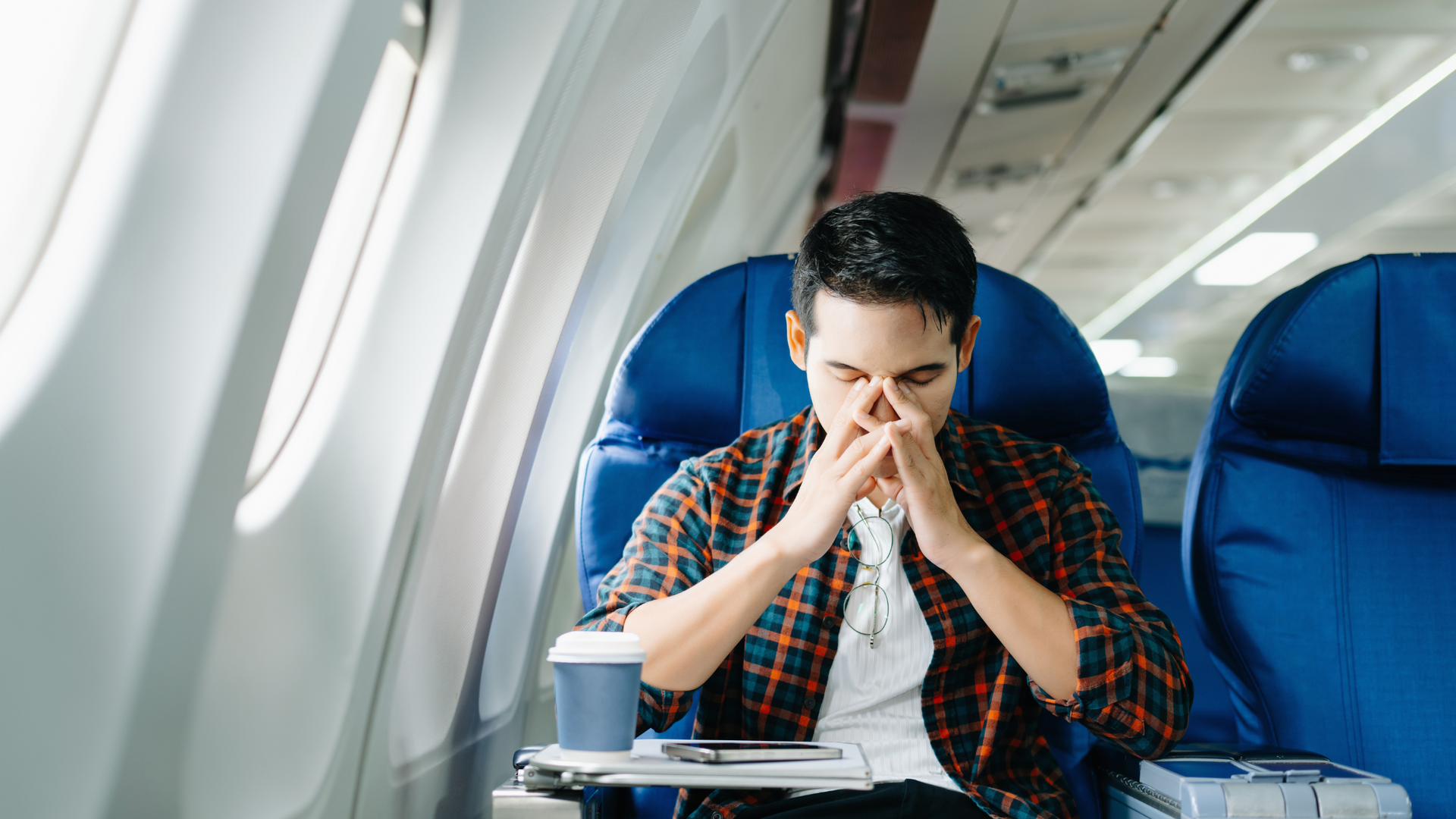

Fear of flying, also known as aviophobia, is more common than many people think. While some people feel mild nervousness before a flight, others experience intense anxiety, panic attacks, or even avoid flying completely. This fear can limit travel opportunities, affect career growth, and prevent meaningful experiences with family and friends.
The good news is that therapy for fear of flying can be highly effective. With the right support, individuals can understand their anxiety, learn coping strategies, and regain confidence in air travel.
If you would like to explore more ways to improve your mental well-being, read more at the Knowledge Hub for additional mental health–related articles. You can also take the quiz to receive a personalized supplement recommendation designed to support your stress management, relaxation, and overall emotional balance.
What Is Fear of Flying?
Fear of flying is a strong anxiety related to air travel. It may begin days or even weeks before a scheduled flight. Some people feel nervous only during takeoff or turbulence, while others experience fear throughout the entire journey.
Common symptoms include:
- Rapid heartbeat
- Sweating
- Shortness of breath
- Nausea
- Shaking
- Dizziness
- Panic attacks
- Avoiding booking flights
In severe cases, individuals may cancel trips, turn down job opportunities, or choose long road trips instead of flying.
Why Do People Develop Fear of Flying?
Fear of flying can develop for many different reasons.
1. Fear of Losing Control
When flying, passengers have no control over the plane. For people who feel anxious about not being in control, this can trigger stress.
2. Fear of Heights
Some individuals are afraid of being high above the ground, which can increase anxiety during flights.
3. Claustrophobia
Airplanes are enclosed spaces. For people uncomfortable in tight spaces, this can cause panic.
4. Past Negative Experiences
A turbulent flight or emergency landing can leave a lasting impression and increase fear in future flights.
5. Media Influence
News coverage of plane crashes, even though they are rare, can make flying seem more dangerous than it actually is.
Understanding the root cause helps therapists choose the most effective treatment approach.
How Therapy for Fear of Flying Helps
Therapy provides a safe environment to explore fears and learn practical tools to manage anxiety.
1. Cognitive Behavioral Therapy (CBT)
CBT is one of the most effective treatments for fear of flying. It focuses on identifying and changing negative thought patterns.
For example, someone might think:
- The plane is going to crash.
- Turbulence means something is wrong.
- I will lose control and panic.
A therapist helps challenge these thoughts with facts and logic. For instance, air travel is statistically one of the safest forms of transportation. Learning accurate information can reduce irrational fears.
2. Exposure Therapy
Avoidance makes fear stronger. Exposure therapy gradually introduces the person to flying-related situations in a safe and controlled way.
This may include:
- Watching videos of flights
- Visiting an airport
- Sitting in a stationary airplane
- Taking short flights
Gradual exposure helps the brain learn that flying is not as dangerous as it feels.
3. Relaxation and Breathing Techniques
Anxiety affects the body. Therapy often includes teaching relaxation skills such as:
- Deep breathing exercises
- Progressive muscle relaxation
- Mindfulness meditation
- Visualization techniques
These tools help calm the nervous system during stressful moments, such as turbulence or takeoff.
4. Education About Aviation
Sometimes fear comes from misunderstanding how planes work. Learning about aircraft safety systems, pilot training, and turbulence can reduce uncertainty and build confidence.
Knowledge often replaces fear with understanding.
Practical Steps to Manage Fear of Flying
In addition to therapy, you can practice these strategies:
- Choose a seat where you feel most comfortable
- Avoid caffeine before the flight
- Listen to calming music or podcasts
- Travel with a supportive friend
- Practice breathing exercises before and during the flight
- Focus on the purpose of your trip
Small preparations can make a big difference.
When Should You Seek Therapy?
You may benefit from therapy if:
- You avoid flying completely
- You experience panic attacks during flights
- Anxiety interferes with work or family travel
- You feel extreme stress weeks before a flight
Seeking help is not a sign of weakness. It is a proactive step toward freedom.
Final Thoughts
Fear of flying can feel overwhelming, but it does not have to control your life. Millions of people have successfully overcome travel anxiety with the help of therapy and practical coping skills.
Therapy for fear of flying helps you understand your anxiety, challenge negative thoughts, and gradually build confidence. Over time, what once felt terrifying can become manageable.
With patience, practice, and professional support, you can overcome travel anxiety and open the door to new adventures, career opportunities, and meaningful life experiences.
If you are ready to strengthen your mental resilience and manage stress more effectively, take the quiz to get a personalized supplement recommendation designed to support your calmness, focus, and overall emotional well-being.
Frequently Asked Questions
1. Is fear of flying common?
Yes, fear of flying is very common. Many people experience some level of anxiety when traveling by plane. For some, the fear is mild, while for others it can be intense enough to avoid flying altogether.
2. How effective is therapy for fear of flying?
Therapy, especially Cognitive Behavioral Therapy (CBT) and exposure therapy, has been shown to be highly effective. Many individuals experience significant improvement after learning coping techniques and gradually facing their fears.
3. Can I overcome fear of flying without therapy?
Some people manage mild anxiety using relaxation techniques and education about flight safety. However, if your fear causes panic attacks or prevents you from traveling, professional therapy can provide structured and lasting support.
4. How long does it take to see results from therapy?
The timeline varies for each person. Some individuals notice improvement after a few sessions, while others may need several weeks or months. Consistency and practicing coping strategies outside of sessions help speed up progress.