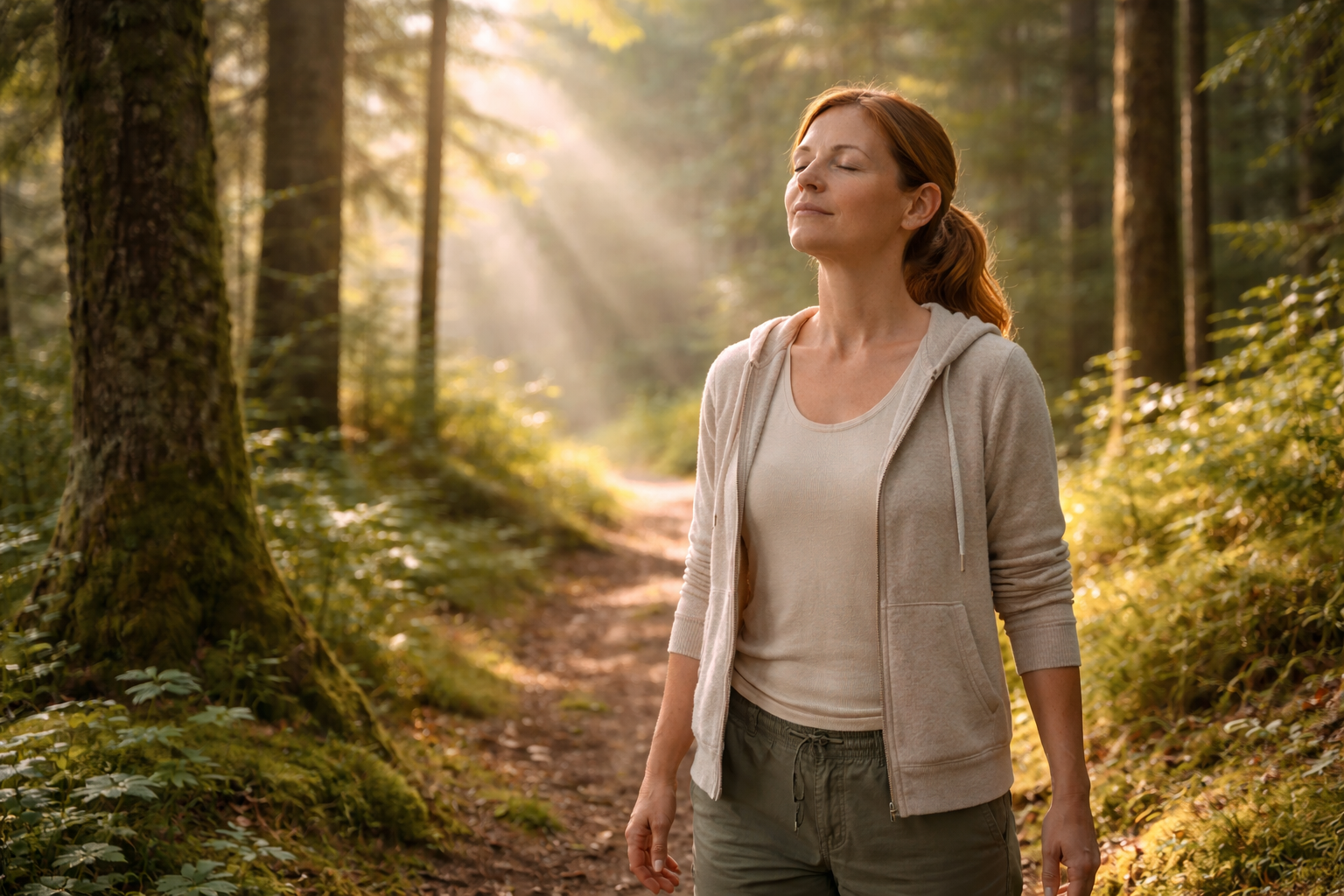

In a world filled with constant notifications, busy schedules, and digital screens, many people feel mentally drained and physically tense. Stress has become a common part of daily life, and finding simple, natural ways to recharge is increasingly important. One approach that has gained attention in recent years is forest bathing therapy.
Despite its name, forest bathing does not involve water or swimming. Instead, it refers to the practice of spending intentional, mindful time in nature—particularly in forests—to support mental, emotional, and physical well-being. The term comes from the Japanese phrase Shinrin-yoku, which means “taking in the forest atmosphere.”
Forest bathing is less about hiking for exercise and more about slowing down and fully experiencing the natural environment through your senses.
If you’d like to better understand natural approaches to stress management and emotional wellness, read or explore more here at our Knowledge Hub for additional mental health–related articles and supportive resources. You can also take the quiz to get personalized supplement recommendations designed to support stress regulation, mood balance, focus, and overall well-being.
The Origins of Forest Bathing
Forest bathing began in Japan during the 1980s as part of a national public health initiative. Researchers and health professionals noticed that modern urban life was contributing to rising stress levels and related health concerns. They began studying how time spent in natural environments affected the body and mind.
Over time, scientific studies suggested that spending quiet time in forests was associated with reduced stress markers, improved mood, and enhanced feelings of relaxation. Since then, forest bathing has spread worldwide as a wellness practice.
Today, guided forest bathing sessions are offered in many countries, though individuals can also practice it on their own.
What Happens During Forest Bathing?
Forest bathing is not a workout or structured exercise routine. It is a slow, mindful experience. Participants typically walk at a gentle pace or sit quietly while focusing on sensory awareness.
A forest bathing session may involve:
- Noticing the sound of leaves moving in the wind
- Observing patterns of light through the trees
- Feeling the texture of bark or soil
- Breathing in natural scents
- Listening to birds or distant water
The goal is to engage all five senses and become fully present in the environment.
Unlike hiking, which may focus on reaching a destination, forest bathing emphasizes the journey itself. There is no rush and no performance expectation.
The Science Behind Forest Bathing
Spending time in nature can influence the nervous system. When individuals step away from urban environments and immerse themselves in natural settings, the body often shifts from a heightened stress state toward a more relaxed state.
Research has shown that time in forests may be associated with lower levels of cortisol, a stress hormone. Heart rate and blood pressure may also decrease during quiet time in nature. Additionally, exposure to natural environments has been linked to improved mood and reduced symptoms of anxiety.
Some researchers suggest that phytoncides natural compounds released by trees may contribute to immune system support. While more research is ongoing, early findings indicate that natural environments can have measurable physiological effects.
It is important to understand that forest bathing is not a medical treatment. However, it may complement other wellness practices.
Mental and Emotional Benefits
One of the primary benefits of forest bathing is stress reduction. When individuals disconnect from screens and daily responsibilities, they create space for mental clarity.
Nature provides a gentle form of attention. Instead of forcing focus, the mind naturally engages with its surroundings. This can help reduce rumination, which is the repetitive cycle of negative thinking.
Forest bathing may also increase feelings of calm, gratitude, and emotional balance. The slow pace encourages reflection and can help individuals reconnect with themselves.
For people experiencing burnout or emotional fatigue, intentional time in nature can feel restorative.
Physical Benefits
Although forest bathing is not intense physical exercise, the gentle movement involved can support overall health. Walking slowly over natural terrain engages muscles and improves circulation.
Fresh air and natural sunlight may also support overall well-being. Exposure to natural light can influence sleep patterns by helping regulate circadian rhythms.
Because forest bathing encourages deep, steady breathing, it may also support relaxation of the nervous system.
How to Practice Forest Bathing
You do not need a remote wilderness area to practice forest bathing. A local park, wooded trail, or even a quiet garden can provide benefits.
Begin by setting aside at least 20 to 30 minutes without distractions. Leave your phone on silent or avoid using it entirely.
Walk slowly. Pause often. Notice what you see, hear, smell, and feel. Instead of thinking about your to-do list, gently bring your attention back to your surroundings.
If sitting feels more comfortable, find a natural spot and observe quietly. Allow yourself to experience the environment without judgment or analysis.
The key is presence.
Forest Bathing and Mental Health Support
While forest bathing is not a replacement for therapy or medical care, it can complement other mental health practices. Many therapists incorporate nature-based exercises into treatment plans.
Spending regular time outdoors may help reinforce coping strategies learned in therapy, such as mindfulness or grounding techniques.
For individuals dealing with stress, mild anxiety, or mental fatigue, forest bathing may serve as a supportive wellness habit.
Who Can Benefit?
Forest bathing is accessible to most people. It can benefit individuals of various ages and fitness levels because it does not require strenuous activity.
It may be especially helpful for those who:
- Feel overwhelmed by daily stress
- Spend long hours indoors
- Experience burnout
- Seek natural ways to relax
However, individuals with mobility limitations or health concerns should choose environments that feel safe and manageable.
Final Thoughts
Forest bathing therapy is a simple yet powerful practice that encourages mindful connection with nature. By slowing down and engaging the senses, individuals can support stress reduction and emotional balance.
In a world that often demands constant productivity, forest bathing offers permission to pause. It invites you to step outside, breathe deeply, and reconnect with the natural rhythms around you.
While it is not a cure or substitute for professional care, it can be a meaningful addition to a balanced wellness routine. Sometimes, healing begins not with doing more, but with being still among the trees.
If you’re ready to take a proactive step toward strengthening your stress resilience and overall wellness, consider taking the quiz to get personalized supplement recommendations designed to support your unique energy levels, nervous system balance, and long-term well-being goals.
Frequently Asked Questions
1. Do I need a forest to practice forest bathing?
While forests are ideal, you do not necessarily need a large wooded area. A quiet park, garden, or natural trail can also provide many of the same benefits. The key is mindful presence in a natural environment.
2. How long should a forest bathing session last?
Many experts suggest spending at least 20 to 30 minutes in nature to experience noticeable relaxation. However, even shorter periods of mindful outdoor time can contribute to reduced stress and improved mood.
3. Is forest bathing a replacement for therapy or medical treatment?
No. Forest bathing is considered a complementary wellness practice. It may support stress management and emotional balance, but it should not replace professional medical or mental health care when needed.