
In today’s fast-paced, technology-driven world, more people are turning to online solutions for everyday needs, including mental health care. One increasingly popular option is working with a Skype therapist. By using video calling platforms like Skype, therapy becomes more accessible, flexible, and comfortable for many individuals. But how exactly does choosing a Skype therapist make therapy easier?
This article explores the practical, emotional, and psychological benefits of online therapy and explains why it may be the right choice for you.
Want to continue learning? Read and explore more in our Knowledge Hub for additional mental health–related articles, expert insights, and helpful resources.
1. Greater Convenience and Flexibility
One of the biggest advantages of choosing a Skype therapist is convenience.
Traditional therapy requires commuting to an office, sitting in a waiting room, and working around strict appointment times. This can be challenging for people who:
- Work full-time jobs
- Attend school or college
- Care for children or elderly family members
- Live in rural or remote areas
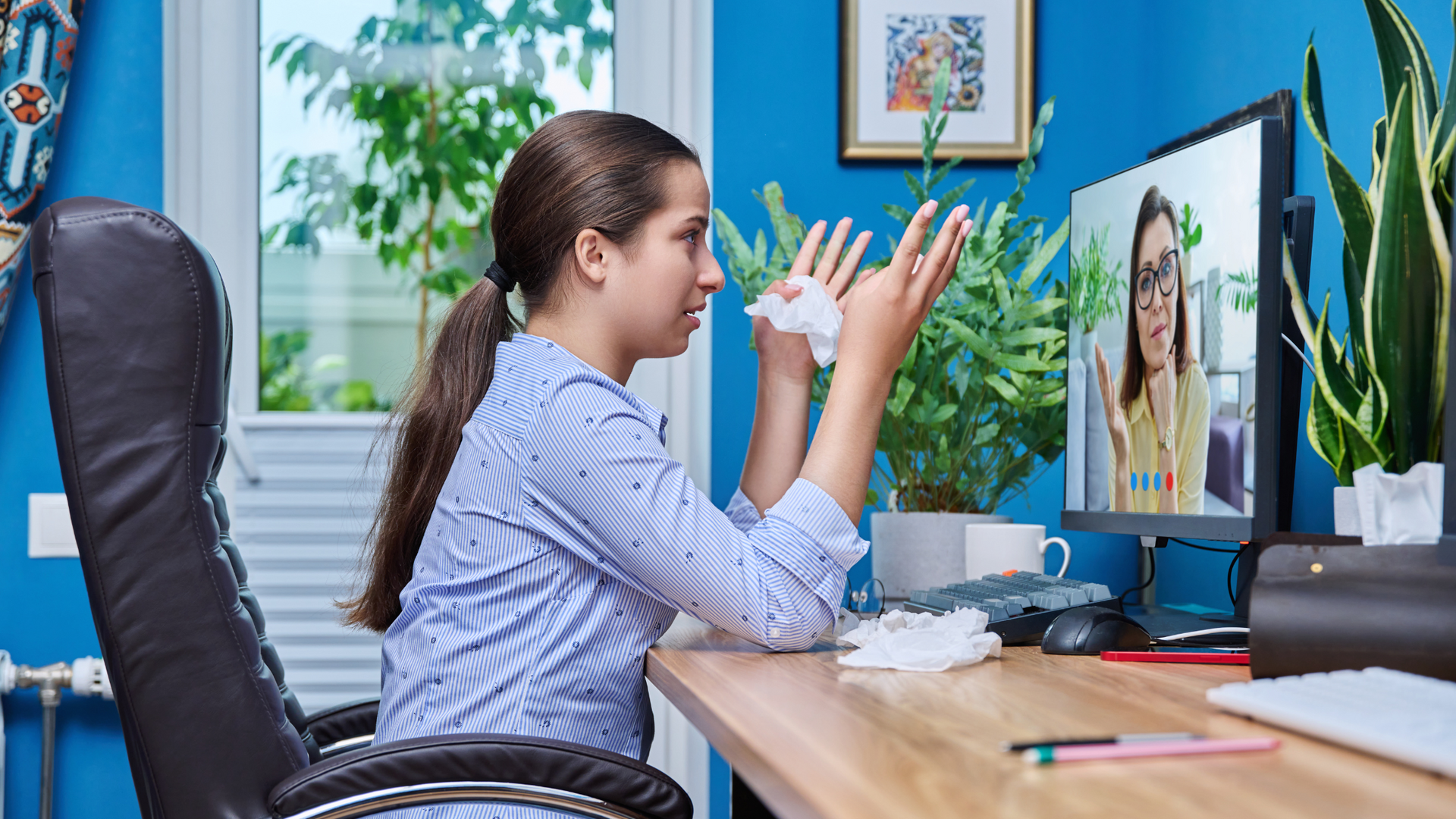
With a Skype therapist, sessions take place wherever you have a private internet connection. You can attend therapy from your home, your office during a break, or even while traveling.
This flexibility reduces missed appointments and makes it easier to stay consistent with therapy, which is essential for real progress.
2. Eliminates Travel Stress
Traveling to therapy can sometimes add stress instead of relieving it. You may face:
- Traffic congestion
- Long commutes
- Bad weather
- Public transportation delays
For people already dealing with anxiety or depression, these additional stressors can feel overwhelming.
A Skype therapist removes the need to travel. You simply log in at your scheduled time and begin your session. This not only saves time but also conserves energy, energy that can be better used for personal growth and healing.
3. Increased Comfort and Privacy
Many individuals feel nervous about attending therapy in person, especially at the beginning. Some may worry about:
- Running into someone they know
- Feeling judged in a waiting room
- The discomfort of a new physical environment
Working with a Skype therapist allows you to stay in your own familiar space. Being at home often makes people feel safer and more relaxed. When you are comfortable, you are more likely to open up honestly and discuss difficult emotions.
For some, this sense of privacy encourages deeper conversations and faster emotional progress.
4. Access to a Wider Range of Specialists
In traditional therapy, your options are usually limited to professionals in your local area. If you live in a small town, your choices may be very limited.
Choosing a Skype therapist gives you access to professionals across different cities, states, or even countries. This is especially helpful if you are looking for:
- A therapist who specializes in trauma
- A counselor experienced in LGBTQ+ issues
- A therapist who speaks your native language
- A specialist in specific conditions like OCD or PTSD
Online therapy expands your options and allows you to find a therapist who truly fits your needs and values.
5. Easier Scheduling for Busy Lives
Modern life is busy. Between school, work, family responsibilities, and social commitments, finding time for self-care can be difficult.
Many Skype therapists offer flexible scheduling options, including:
- Evening appointments
- Weekend sessions
- Shorter check-in sessions
Because there is no travel time involved, it becomes easier to fit therapy into your routine. This flexibility increases the likelihood that you will commit to regular sessions, which leads to better long-term results.
6. Helpful for Social Anxiety and Mobility Issues
For individuals with social anxiety, attending therapy in person can feel intimidating. Simply walking into a new office and sitting face-to-face with someone can trigger stress.
A Skype therapist provides a gentler starting point. Being in your own space reduces social pressure and may help you communicate more freely.
Additionally, people with physical disabilities, chronic illness, or mobility challenges may find in-person therapy physically exhausting. Online therapy removes physical barriers and makes mental health care more inclusive.
7. Encourages Consistency in Treatment
Consistency is one of the most important factors in successful therapy. When sessions are easier to attend, people are less likely to cancel or skip appointments.
Because Skype therapy:
- Saves travel time
- Offers flexible scheduling
- Reduces logistical obstacles
It naturally supports more consistent attendance. Over time, this consistency strengthens the therapeutic relationship and leads to more meaningful progress.
8. Maintains Professional Quality of Care
Some people worry that online therapy may not be as effective as in-person sessions. However, research has shown that video-based therapy can be just as effective for many mental health conditions, including:
- Depression
- Anxiety disorders
- Stress-related issues
- Relationship problems
A qualified Skype therapist follows the same professional standards, ethical guidelines, and confidentiality rules as traditional therapists. Sessions still involve active listening, structured techniques, goal setting, and emotional support.
The main difference is simply the medium—video instead of a physical office.
9. Cost-Effective Option
In some cases, Skype therapy may be more affordable. Since therapists who work online do not have the same office-related expenses, they may offer competitive pricing.
Additionally, you save money on:
- Gas or transportation
- Parking fees
- Childcare (in some cases)
These financial savings can make therapy more accessible for people who might otherwise postpone seeking help.
10. A Modern Solution for Modern Challenges
Technology has changed how we communicate, work, and learn. It is natural that mental health services have adapted as well.
Choosing a Skype therapist reflects a modern approach to well-being. It recognizes that:
- Mental health is important
- Convenience matters
- Flexibility improves commitment
- Technology can support healing
Rather than seeing online therapy as a “lesser” option, many people now view it as a practical and effective solution.
Is a Skype Therapist Right for You?
While Skype therapy offers many benefits, it may not be ideal for everyone. For example:
- Severe mental health crises may require in-person care.
- Individuals without a private space at home may struggle with confidentiality.
- Poor internet connection can interrupt sessions.
However, for many people, the benefits far outweigh these challenges.
If you value convenience, flexibility, and access to a broader range of specialists, choosing a Skype therapist could make your therapy journey significantly easier.
Final Thoughts
Seeking therapy is a brave and important step toward improving your mental health. The easier it is to access support, the more likely you are to stay committed to the process.
A Skype therapist removes many traditional barriers such as travel, scheduling conflicts, and geographic limitations, and replaces them with flexibility, comfort, and accessibility. By making therapy simpler and more convenient, online sessions allow you to focus on what truly matters: your growth, healing, and overall well-being.
If you are considering therapy but feel overwhelmed by logistics, choosing a Skype therapist may be the practical and empowering solution you need.
Ready to take the next step? Take our quick quiz to receive personalized supplement recommendations that support your mental wellness journey and help you feel your best.
Frequently Asked Questions (FAQs)
1. Is a Skype therapist as effective as in-person therapy?
Yes, for many mental health concerns, a Skype therapist can be just as effective as traditional in-person therapy. Research shows that online video therapy works well for conditions such as anxiety, depression, stress, and relationship issues. The key factor in successful therapy is the relationship between the therapist and client, not the physical location. As long as the therapist is licensed and qualified, the quality of care remains professional and effective.
2. Is therapy through Skype private and secure?
Most Skype therapists take privacy very seriously. They follow professional confidentiality rules and ethical guidelines to protect your information. However, it is important to ensure you are in a private space during your session where others cannot overhear you. You can also ask your therapist about the security measures they use to protect your sessions and personal data.
3. What equipment do I need for a Skype therapy session?
You only need a few basic things:
- A computer, tablet, or smartphone
- A stable internet connection
- A webcam and microphone (usually built into most devices)
- A quiet and private space
Before your first session, it is helpful to test your device and internet connection to avoid technical issues during your appointment.
4. Who should consider choosing a Skype therapist?
A Skype therapist is a great option for people who:
- Have busy schedules
- Live in rural or remote areas
- Experience social anxiety
- Have mobility challenges
- Prefer the comfort of their own home
However, individuals experiencing severe mental health crises or emergencies may require immediate in-person or emergency care instead of online therapy.