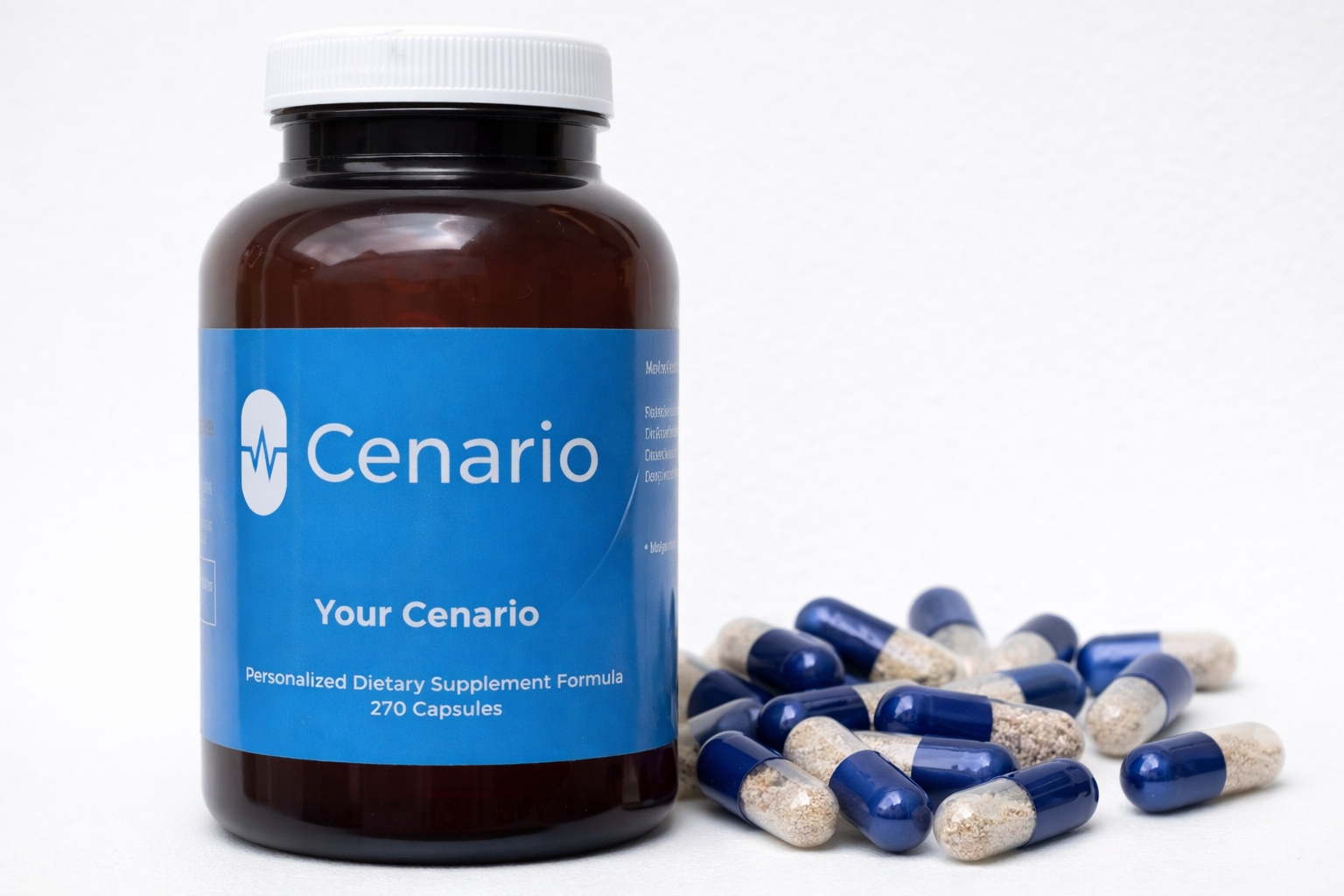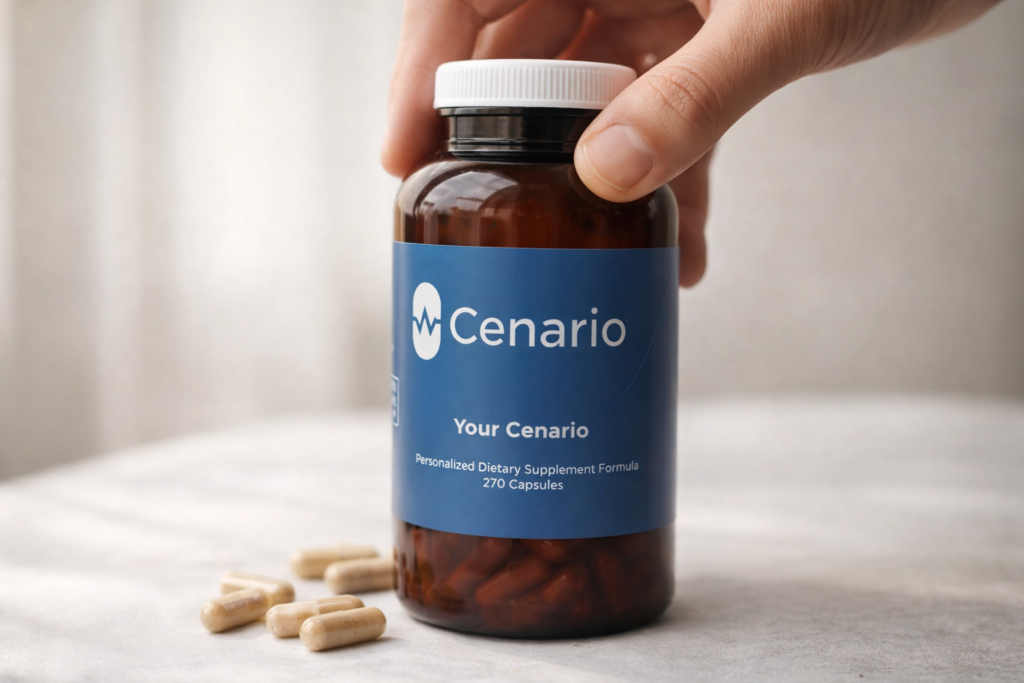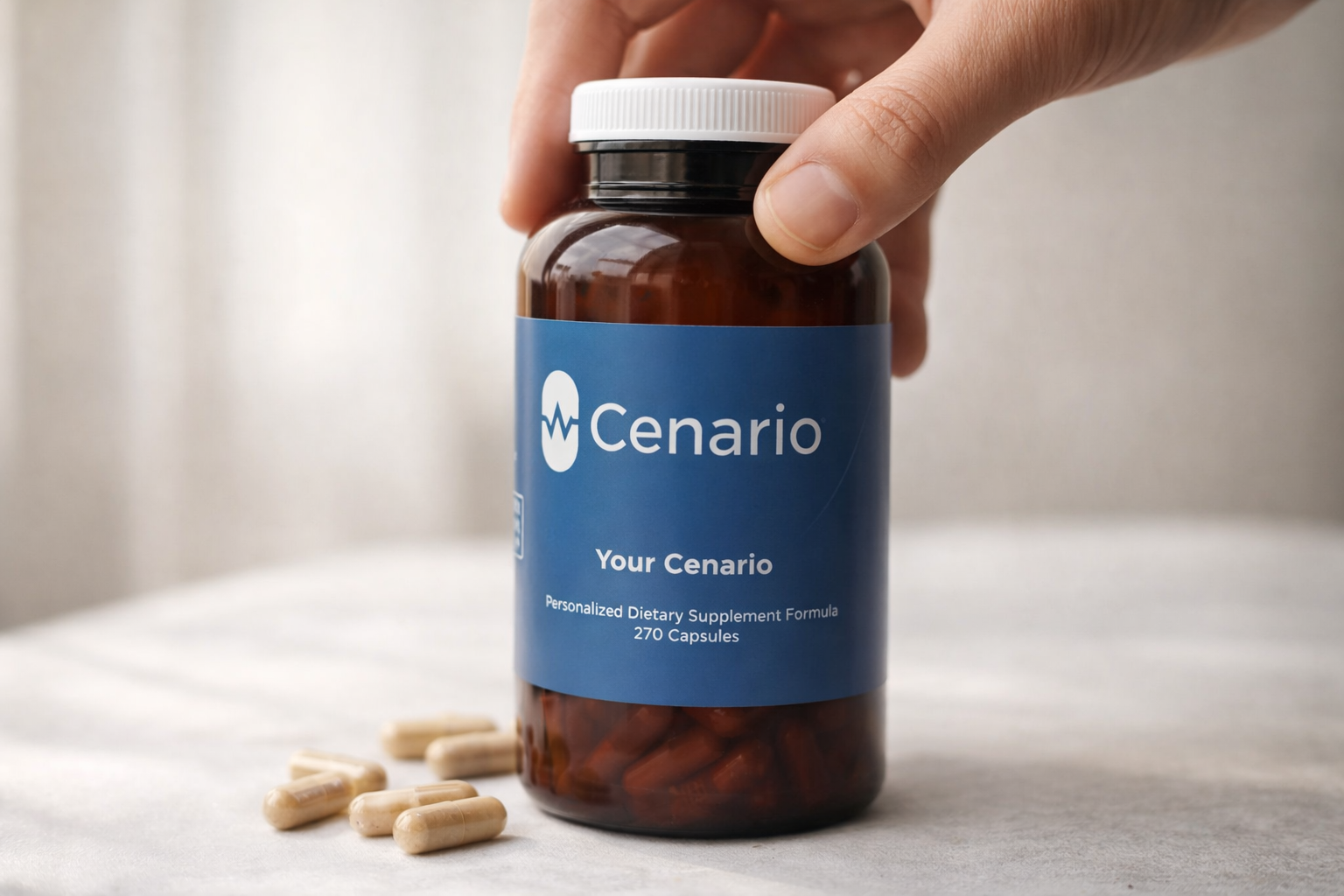

Demand for faster thinking, better recall, and sharper focus has climbed in recent years. Many people now look beyond lifestyle changes and consider supplements to gain an edge. Among the most searched phrases is advanced memory formula, a product name that promises clearer thinking and stronger memory. The central question for buyers and curious readers alike is simple: Is advanced memory formula a science-backed brain boost or mostly marketing hype?
The Quest For Cognitive Enhancement
In a world that values quick decisions and sustained attention, cognitive enhancement has become a mainstream goal. Students, professionals, and older adults all search for reliable ways to protect or improve mental performance. That demand has spawned a crowded market of nootropic blends and targeted brain supplements. Advanced memory formula appears frequently in searches because it markets itself as a concentrated, research-oriented option for memory support.
People looking into advanced memory formula are usually trying to answer three basic questions: does it work, is it safe, and is it worth the price. Those are reasonable questions when product claims reference scientific terms like BDNF, NeuroFactor, Alpha-GPC, and acetyl L-carnitine. Clear, evidence-based answers are often hard to find in promotional copy, which is why third-party reviews and retailer listings dominate search results.
If you want to understand what may actually be limiting your cognitive performance, read the full guide here:
https://cenario.com/blog/memory-and-focus
Search Context And Consumer Interest
Search results for advanced memory formula typically show a mix of review articles, official product pages, and retailer listings. This mix reflects two main user intents. First is commercial intent: many searchers are close to a buying decision and want price, availability, and user ratings. Second is informational intent: other searchers want ingredient breakdowns, clinical context, and impartial analysis before committing.
- Common queries: ingredient safety, expected time to see results, and side effects
- Common content types in search results: reviews, product pages, and comparison pieces
- What is often missing: clear, balanced discussion of risks and independent clinical data
This post will start by framing where advanced memory formula sits in that landscape. Later sections will dig into ingredient science, compare it to similar products, and explore reviews and ratings. For now, consider this introduction a map of the questions most buyers bring to the search and a reminder that a careful, evidence-minded approach is needed before trying any cognitive supplement.
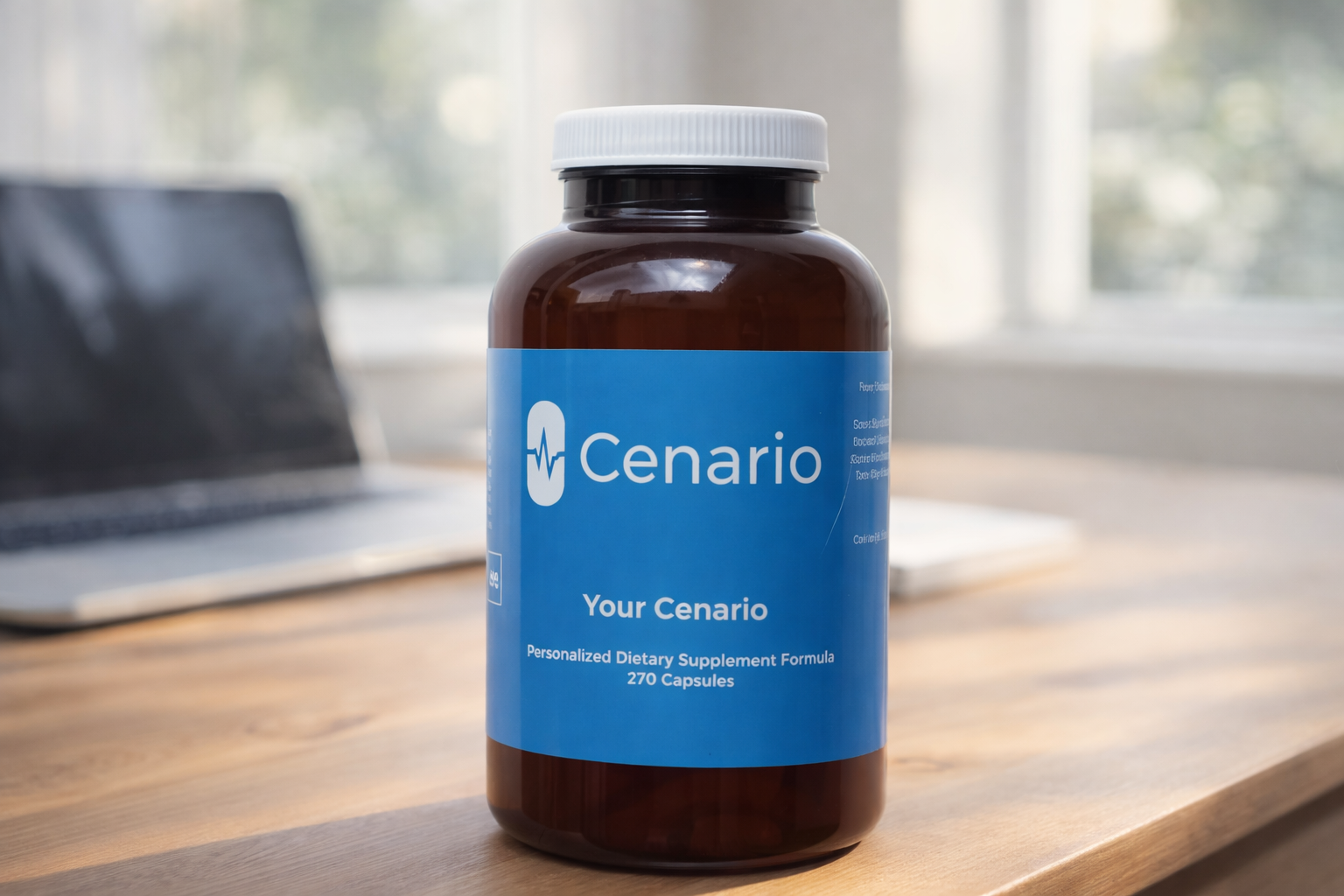
Scientific foundation and ingredient analysis
Advanced memory formula blends several ingredients that appear across high-quality nootropic profiles. Rather than promising instant changes, most components are positioned to influence brain health over weeks to months. Key ingredients commonly highlighted include NeuroFactor, factors that raise BDNF, Alpha-GPC, and acetyl l-carnitine. Each plays a different role, and understanding those roles helps separate marketing from plausible biological effects.
How these ingredients may work
- NeuroFactor: A branded extract usually derived from coffee fruit that is associated with increased levels of brain-derived neurotrophic factor, or BDNF. Higher BDNF is linked to improved synaptic plasticity in lab and animal studies, which is one pathway for learning and memory changes.
- BDNF-related effects: BDNF itself is a protein that helps neurons survive and adapt. Ingredients that raise BDNF may offer long-term neural resilience rather than immediate memory spikes.
- Alpha-GPC: A bioavailable choline source that donates material for acetylcholine synthesis. Acetylcholine is a neurotransmitter involved in attention and recall. Clinical studies show choline precursors can influence cognitive markers in some populations.
- Acetyl L-carnitine: Often used to support cellular energy and mitochondrial function. It may help maintain neuronal metabolism and provide acetyl groups for neurotransmitter production.
These mechanisms are plausible, but clinical outcomes depend on dose, formulation, individual biology, and study quality. Advanced memory formula may combine synergistic elements, but synergy is not guaranteed and usually requires targeted trials to confirm.
Consumer ratings and review patterns
Ratings for advanced memory formula vary by source, and numbers matter when readers try to gauge authenticity. One independent review aggregated a 4.94 out of 5 average from more than a thousand entries, while an official retailer listing reported an average near 4.0 from a similar volume. That gap is common in this category and can stem from several factors.
If you want to understand what may actually be limiting your cognitive performance, read the full guide here:
https://cenario.com/blog/memory-and-focus
Why ratings differ
- Selection bias: Independent review pages may include curated testimonials or early-adopter feedback that skews positive. Retail platforms often collect a broader cross-section of users, including returns and complaints.
- Review gating and sampling: How sites solicit feedback affects outcomes. Verified-purchase filters and review prompts on retail pages yield different samples than editorial review sites.
- Expectation mismatch: Users seeking fast, stimulant-like effects may rate products lower if results are gradual. Conversely, users who follow suggested regimens closely tend to report more positive experiences.
Comparative analysis with similar products
Looking at competitors helps clarify positioning. Below is a compact view of how advanced memory formula compares with three recognizable alternatives.
| Product | Main approach | Typical evidence profile |
|---|---|---|
| Advanced memory formula | Choline sources, NeuroFactor, mitochondrial support | Preclinical BDNF links; clinical evidence modest and formulation-dependent |
| Prevagen | Apoaequorin peptide claimed to affect memory | Controversial clinical claims and regulatory scrutiny; mixed results |
| Neuro-Gum | Stimulant delivery via caffeine and B vitamins in chewing gum | Short-term alertness effects; clear stimulant profile |
| Focus Factor | Multinutrient blend with vitamins, minerals, and extracts | Variable trials; benefits often modest and population-specific |
This comparison shows different strategies: targeted neurotrophic support versus stimulant or broad nutritional approaches. Choose based on risk tolerance, desired speed of effect, and ingredient transparency.
Legitimacy, skepticism and next steps
Skepticism is reasonable. Advanced memory formula may be science-backed in parts, but three common gaps remain in the market: direct, peer-reviewed clinical trials on the exact formulation; clear price comparisons across retailers; and balanced reporting of side effects and contraindications. Users should expect gradual improvements if any, monitor for mild adverse effects, and consult a healthcare professional before combining with medications.
For readers researching further, useful next steps include tracking formulation doses versus doses used in studies, checking retailer return policies and verified-purchase reviews, and looking for real-world user timelines. That due diligence helps decide whether advanced memory formula fits a personal cognitive plan or is better replaced with lifestyle-first strategies and simpler memory supplements with stronger clinical backing.
Legitimacy And Practical Skepticism
Many buyers ask whether advanced memory formula is a legitimate cognitive aid or clever marketing. The honest answer is nuanced. Components in the formula have plausible mechanisms, but product-level proof is often limited. Regulatory frameworks do not require the same trial rigor as prescription drugs, so claims about large, rapid gains should be viewed cautiously.
Expect gradual changes rather than immediate improvements. For people sensitive to stimulants, the non-stimulant profile of advanced memory formula can be appealing. At the same time, variability in user reports and differing average ratings across platforms suggest that individual response and expectations matter a great deal.
Content Gaps And What Buyers Need
Search results and product pages commonly lack a few practical details that influence real-world decisions. These gaps include clear dose breakdowns for each ingredient, independent clinical trials on the exact product formulation, transparent adverse event reporting, and straightforward price comparisons across retailers.
- Side effect and contraindication summaries for specific groups
- Comparative pricing and bulk savings across sellers
- Long-term safety data and recommended use durations
- Targeted guidance for age groups and health conditions
How To Evaluate Advanced Memory Formula Yourself
Use a methodical approach when judging whether advanced memory formula is right for you. A short checklist can make the decision clearer and reduce impulse purchases.
- Verify ingredient doses against published study levels. Effective amounts matter more than names.
- Look for third-party testing or certificates that confirm purity and label accuracy.
- Prioritize verified-purchase reviews over curated testimonials to avoid selection bias.
- Plan a short trial period of 6 to 12 weeks and track measurable outcomes like recall, focus, or task speed.
- Consult a healthcare professional if you take medications, have chronic conditions, or are pregnant or breastfeeding.
Practical Use Cases And Who Might Benefit
Advanced memory formula may be more relevant for some people than others. Potentially suitable groups include older adults concerned about mild memory decline, professionals seeking steady cognitive support, and individuals with dietary gaps in choline or related nutrients. Students and shift workers should weigh the product against short-term stimulant options if rapid alertness is the goal.
Remember that lifestyle measures such as sleep quality, exercise, and nutrition often produce larger and more reliable cognitive gains than any single supplement. Treat advanced memory formula as a potential complement, not a replacement for those fundamentals.
Final Thoughts And Recommended Next Steps
Advanced memory formula sits between promising science and incomplete product-level evidence. It contains ingredients with plausible neurobiological roles, yet outcomes depend on dose, user biology, and consistent use. If you decide to try it, do so with clear expectations: give the product several weeks, track changes, and compare cost and formulation against alternatives.
If you remain unsure, consider targeted content that fills current gaps: a price comparison of sellers, a side effects summary tailored to common medications, or a user-timeline case study. Those resources will make it easier to judge whether advanced memory formula is worth the investment for your cognitive goals.
Ready to explore responsibly? Start with small, time-limited trials, keep notes on progress, and discuss choices with a clinician when needed.
[
cenario.com
]
Better memory and sharper focus are not about working longer hours. They are about supporting the systems that power attention, learning, and mental clarity.
If you are serious about improving cognitive performance, do not rely on generic “brain pills.”
Read the full guide here:
https://cenario.com/blog/memory-and-focus/
Then take the Cenario assessment and build your personalized Memory and Focus formula.
Your brain is unique. Your support should be too.
Frequently asked questions
How Long Before I Notice Benefits From Advanced Memory Formula?
Most users report gradual improvements over several weeks. Expect to track changes for at least 6 to 12 weeks before deciding whether advanced memory formula is helping you.
Can Advanced Memory Formula Interact With Other Medications?
Yes. Ingredients that affect neurotransmitters or blood flow can interact with prescription drugs. Talk to your healthcare provider about advanced memory formula if you use antidepressants, blood thinners, or other chronic medications.
Is Advanced Memory Formula Safe For Older Adults?
Many older adults tolerate cognitive supplements, but safety depends on health status and medications. A clinician can assess whether advanced memory formula fits an older person’s overall care plan and identify potential contraindications.