
Memory concerns are one of the most common worries as people grow older. Families and seniors often look for simple, low-risk ways to protect thinking skills and daily function. Among many options, one question keeps coming up: what is the best memory vitamin for seniors. This post begins by explaining why multivitamins are getting attention and how recent research has reshaped the conversation about brain health in later life.
Why Multivitamins Are a Popular Choice
Multivitamins pack many nutrients into a single daily pill. For seniors, that broad coverage can matter more than taking one isolated vitamin. Age, medication use, and diet gaps increase the risk of multiple nutrient shortfalls. A multivitamin aims to fill several of those gaps at once.
Because of convenience and cost, multivitamins are often recommended when people ask about the best memory vitamin for seniors. They are easy to find in pharmacies and come in formulations designed for older adults. Most contain B vitamins, vitamin D, vitamin C, and minerals such as zinc and magnesium — all of which support brain and overall health.
- Multiple nutrients at once, reducing the need for many separate pills
- Formulations tailored to older adults
- Generally low cost and easy to take with meals
Introducing The COSMOS Study
Interest in multivitamins grew sharply after a major clinical trial called COSMOS. This large-scale research effort looked specifically at older adults and cognitive outcomes. COSMOS is notable because it tested a real-world multivitamin in a long-term, randomized trial. That level of evidence is rare for over-the-counter supplements.
If you are serious about improving cognitive performance, do not rely on generic “brain pills.”
Read the full guide here:
https://cenario.com/blog/memory-and-focus/
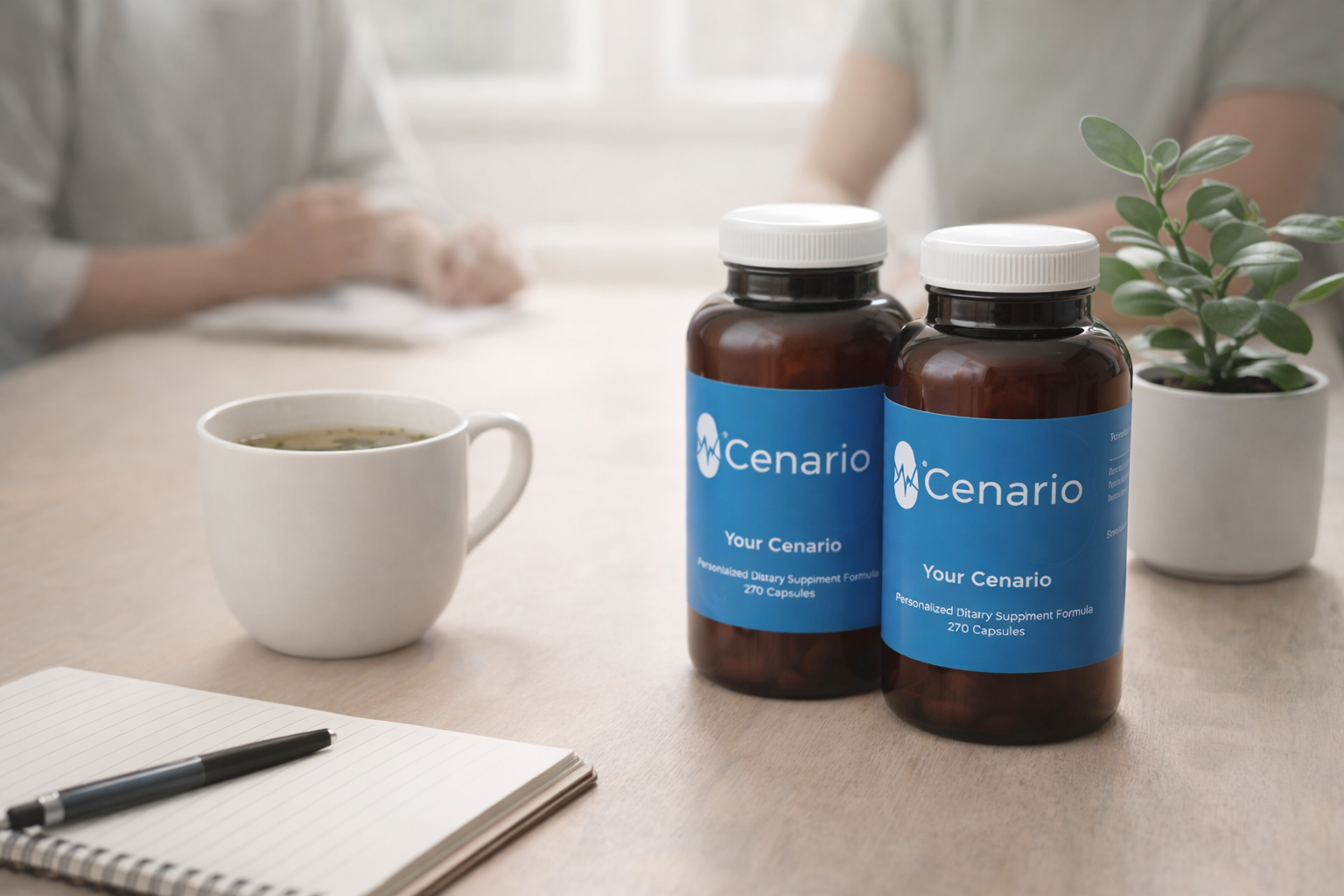
The COSMOS study helped shift expert opinion by showing that an everyday multivitamin can play a meaningful role in preserving memory and thinking as people age. It is now a central piece of evidence when clinicians and consumers discuss the best memory vitamin for seniors.
This post is the first part of a longer look at multivitamins and memory. In the next section, we will examine the COSMOS findings in detail, compare multivitamins to single-nutrient options, and explore evidence for combining multivitamins with omega-3s and zinc for stronger cognitive support. If you are considering supplements, this series will explain what the research says and what seniors should keep in mind.
COSMOS Study Findings
The COSMOS program was a set of large randomized trials that tested daily multivitamin use in older adults. Unlike short lab studies, COSMOS enrolled thousands of participants and followed them for multiple years. Its main cognitive analysis found that people taking a daily multivitamin experienced a slower rate of age-related memory decline compared with those on placebo.
Key takeaways from COSMOS include:
- Scale and design: a long-term, randomized trial in older adults with broad enrollment.
- Effect size: multivitamin use was associated with cognitive changes equivalent to about two years less brain aging versus placebo.
- Publication: the cognitive results were published in the American Journal of Clinical Nutrition and influenced clinical conversations about low-risk strategies for brain health.
What This Means For The Best Memory Vitamin For Seniors
When people search for the best memory vitamin for seniors, COSMOS shifted attention from single-nutrient solutions to broad-spectrum multivitamins. The study does not claim reversal of dementia or guaranteed prevention. Rather, it provides human trial evidence that daily multivitamin use may slow normal, age-related decline in memory and thinking.
Multivitamins Versus Single Nutrients
Not every vitamin has the same level of proof. Single supplements like omega-3 fatty acids, B vitamins, or zinc have mixed results across trials. Some studies show benefits for specific outcomes, such as B vitamins lowering homocysteine or omega-3s supporting mood and cardiovascular health. However, evidence for consistent memory improvement from isolates is smaller and more variable than the multivitamin data from COSMOS.
Practical contrasts:
- Coverage: Multivitamins deliver many micronutrients at once, which helps when multiple small deficiencies exist.
- Evidence base: Large randomized evidence now favors multivitamins for modest slowing of memory decline.
- Targeted effects: Single nutrients can be essential when a clear deficiency exists, for example vitamin B12 in pernicious anemia.
Stop stacking random ingredients. Start targeting what your brain actually needs.
https://cenario.com/quiz/
Synergistic Combinations: What The Research Shows
Researchers have explored stacking nutrients to boost cognitive outcomes. A notable preclinical and translational analysis ranked combinations and found that multivitamins plus zinc and omega-3s produced strong memory gains in animal models and encouraging signals in human work. This combination is sometimes described in the literature as a multi-nutrient approach tailored to support synaptic health, inflammation control, and micronutrient cofactors.
How seniors might interpret this:
- Combining a proven multivitamin with an omega-3 supplement and appropriate zinc dosing is a reasonable approach for older adults interested in extra cognitive support.
- Safety and interactions matter. A clinician should review medication lists and lab values before adding multiple supplements.
Expert Insights and Practical numbers
Dr. Adam Brickman, a neuropsychology researcher involved with COSMOS, highlights the importance of pragmatic, low-cost interventions for broad public health impact. He notes that a small benefit applied across many people yields meaningful population-level gains in preserved function.
Dr. Olivia Okereke, a geriatric psychiatry researcher, emphasizes that multivitamins are not a substitute for good diet, exercise, and cardiovascular risk control. She sees multivitamins as one part of a comprehensive plan to maintain brain health in later life.
Numbers to remember:
- Roughly two years less age-related decline associated with daily multivitamin use in COSMOS cognitive analyses.
- Multinutrient stacks including omega-3 and zinc showed top rankings in translational studies for memory performance.
Bottom Line
For seniors asking which is the best memory vitamin for seniors, the current evidence favors daily multivitamins as an accessible, low-risk option with randomized trial support. Combining multivitamins with targeted omega-3s and zinc may offer added benefit for some people, but choices should be personalized with professional guidance.
Practical Considerations For Seniors
Choosing the best memory vitamin for seniors means balancing evidence, safety, and daily routines. Multivitamins are widely available, usually affordable, and simple to add to a morning routine. Still, a few practical points help seniors get the most benefit while avoiding common pitfalls.
How To Choose A Quality Multivitamin
- Look For Age-Specific Formulations: Products labeled for 50+ or seniors adjust amounts of vitamin D, B12, and other nutrients that older adults commonly need.
- Check Ingredient Forms: Prefer activated B vitamins (methylcobalamin for B12 and methylfolate when listed) if you have absorption concerns. For omega-3s, choose formulas that list EPA and DHA amounts.
- Avoid Unnecessary Extras: Seniors usually do not need high-dose iron unless tests show a deficiency. Too much iron can cause problems.
- Third-Party Testing: Seek products tested by independent groups for purity and label accuracy. This reduces the risk of contaminants and ensures dosage matches the label.
- Read Labels For Daily Values: Avoid supplements that exceed safe upper limits for fat-soluble vitamins like A and E unless a clinician advises otherwise.
Form, Cost, And Accessibility
Multivitamins come as tablets, capsules, gummies, and liquids. Choose a form you will reliably take. Many quality senior multivitamins remain low cost and are sold at pharmacies and supermarkets. If budget is a concern, basic formulations that cover B vitamins, vitamin D, vitamin C, zinc, and magnesium generally provide the core nutrients linked to cognitive support.
Addressing Common Concerns
Safety, Side Effects, And Interactions
Most multivitamins are safe for routine use, but seniors should be mindful of a few issues. Some people experience mild stomach upset or constipation. Higher doses of fat-soluble vitamins can build up over time. Zinc in excess may impair copper levels. Specific medication interactions include vitamin K with warfarin and minerals that can affect absorption of certain drugs.
Before starting any new supplement, bring a current medication list to your clinician or pharmacist. They can flag interactions and recommend appropriate lab tests such as vitamin B12 and vitamin D levels.
How Long Until You Notice Benefits
Memory and thinking gains are generally gradual. Some people may feel subtle improvements in energy or focus within weeks, but measurable cognitive changes often require consistent use for months to years. The strongest trial evidence for multivitamins reports differences over multi-year follow up, so patience and regular adherence matter.
Final Thoughts And Call To Action
The best memory vitamin for seniors remains a daily, age-appropriate multivitamin used as part of a broader healthy plan that includes exercise, good sleep, and cardiovascular risk control. If you are considering adding omega-3s or zinc to a multivitamin, discuss dose and timing with your clinician to optimize safety and benefit.
Talk with your healthcare provider about testing for key nutrient deficiencies and choose a senior multivitamin that fits your needs. If you decide to try a multivitamin, make it a consistent part of your routine and review results with your clinician at follow up visits.
Take the next step toward protecting cognitive health: consult your doctor, review product labels, and consider starting a daily multivitamin formulated for older adults.
If you are serious about improving cognitive performance, do not rely on generic “brain pills.”
Read the full guide here:
https://cenario.com/blog/memory-and-focus/
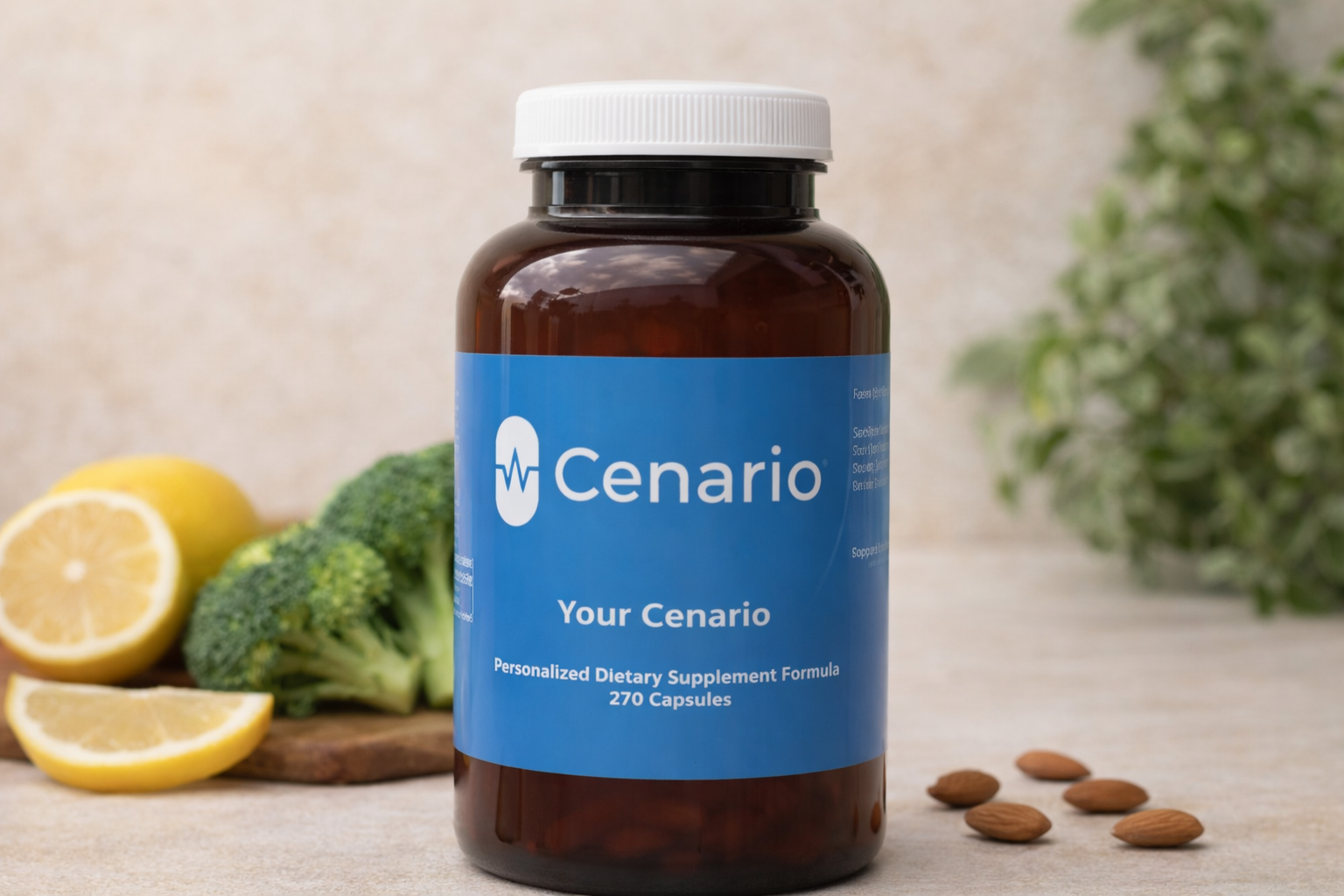
Then take the Cenario assessment and build your personalized Memory & Focus formula.
https://cenario.com/quiz/
Your brain is unique. Your support should be too.
Frequently asked questions
What Is The Best Time Of Day To Take A Multivitamin For Memory?
Take the best memory vitamin for seniors with a meal in the morning or midday to improve absorption of fat-soluble vitamins and reduce stomach upset.
Can Multivitamins Interact With Common Senior Medications?
Yes. The best memory vitamin for seniors can interact with medications such as blood thinners and thyroid drugs, so review any supplement with your healthcare provider before starting.
How Long Should A Senior Take A Multivitamin To See Cognitive Benefits?
Expect gradual change. The best memory vitamin for seniors may show measurable benefits after many months to years of consistent daily use, so regular adherence is important.