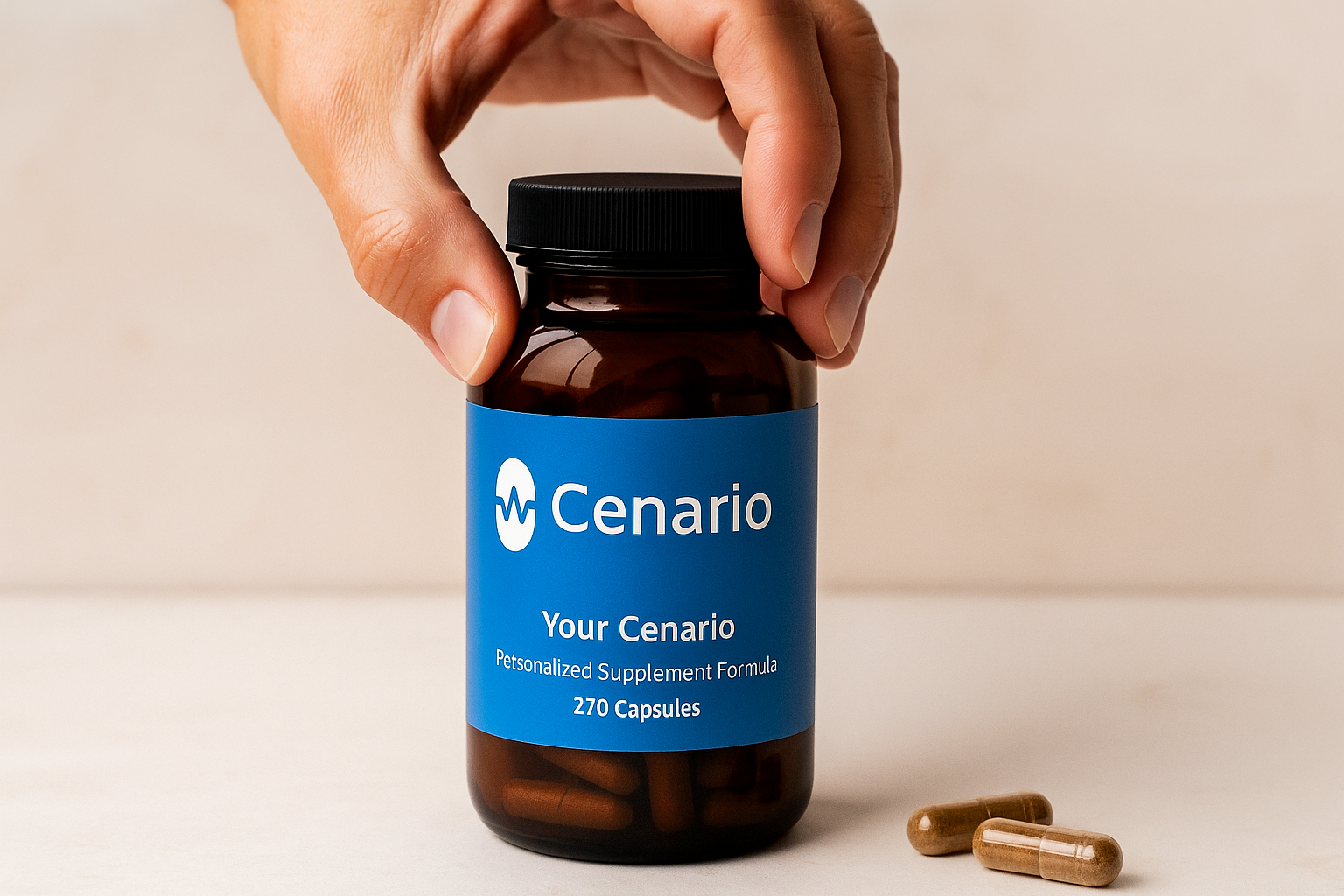

Best Memory Vitamins For Seniors are top of mind for many older adults worried about forgetfulness. Memory concerns rise with age, and seniors often look for safe, easy ways to protect thinking skills. Nutritional support is one practical place to start. Vitamins and multivitamin supplements offer a non-invasive option that many people can add to their daily routine.
Overview Of Memory Concerns In Seniors
Memory decline is a common issue for people over 60. Small lapses in recall can become more frequent, and some seniors face mild cognitive impairment. While not every case signals dementia, preserving brain health matters for independence and quality of life. Diet, exercise, sleep, and social activity all help. So does targeted nutrition. Identifying the best memory vitamins for seniors can be part of a broader plan to slow cognitive aging.
Why Focus On Vitamins?
Research has shifted from chasing cures to slowing the rates of decline that come with age. That shift makes vitamins an attractive option. Certain micronutrients support brain function through clear biological pathways. For example, B vitamins help manage homocysteine levels, and vitamin D supports vascular health in the brain. These mechanisms are reasons many studies now test supplements in older adults. Looking for the best memory vitamins for seniors means weighing evidence from large trials and smaller targeted studies.
The Promise Of Multivitamins
Multivitamins have emerged as a promising, accessible choice. Recent large randomized trials, including the COSMOS trials, showed that daily multivitamins can slow age-related cognitive decline. Those results suggest a modest but meaningful delay in cognitive aging when seniors take a broad-spectrum multivitamin. That is why many clinicians and older adults consider multivitamins among the best memory vitamins for seniors.
Multivitamins offer a simple way to cover multiple nutrient gaps at once. They are widely available, affordable, and easy to take. They are not a cure. Still, for seniors seeking a practical step to preserve memory, they may be one of the most evidence-backed options. Later sections will unpack which specific vitamins carry the strongest data and how to choose a multivitamin that fits individual health needs.
Take the 3 minute Memory & Focus assessment and see what may be limiting your cognitive performance.
Multivitamin evidence and study details
After the introductory overview, it helps to look closer at the trials that shifted thinking about the best memory vitamins for seniors. Large randomized studies, including COSMOS and related trials, enrolled several thousand older adults and used web, phone, and in-person cognitive tests. In pooled analyses, daily multivitamin use was associated with a modest slowing of cognitive aging roughly equivalent to about two years on average compared with placebo.
What makes these trials notable is scale and design. They tested broad-spectrum formulas containing 20 or more micronutrients rather than single isolated vitamins. Some substudies included detailed clinical memory tests and showed clearer benefits for episodic memory. That pattern suggests the combined nutrient approach in multivitamins can cover multiple small deficits that add up over time.
Key vitamins and how they work
Understanding mechanisms helps explain why clinicians consider these among the best memory vitamins for seniors.
- B vitamins (B6, folate, B12): Lower homocysteine, an amino acid linked to faster cognitive decline. Trials show benefit especially in people with elevated homocysteine or mild cognitive impairment.
- Vitamin D: Supports cerebrovascular and immune health in the brain. Low vitamin D levels are correlated with worse cognition in observational studies, and some trials show improvement after repletion.
- Antioxidants (vitamins C, E, A plus selenium and zinc): Fight oxidative stress, which damages neurons over time. Antioxidant combinations have mixed but promising results for slowing decline.
- Omega-3 fatty acids: DHA and EPA support neuron membrane health and inflammation control. Evidence shows modest cognitive benefits, particularly when combined with other nutrients.
- Emerging nutrients: Resveratrol showed cognitive gains in some trials, notably among women at certain doses. Lutein and zeaxanthin appear to assist both eye and brain health. Phosphatidylserine may help short-term memory in people with mild impairment.
If you are serious about improving cognitive performance, do not rely on generic “brain pills.”
Read the full guide here:
https://cenario.com/blog/memory-and-focus/
Practical guidance for seniors
Choosing and using supplements requires a personalized approach. Here are practical steps that help seniors and caregivers make safer choices when looking for the best memory vitamins for seniors.
- Get baseline labs: Check vitamin B12 and vitamin D levels and review homocysteine if indicated. Replacing confirmed deficiencies is higher yield than blind supplementation.
- Pick a trusted multivitamin: Look for formulas that include B12, folate, vitamin D, and antioxidants at reasonable daily values. Avoid mega-doses unless advised by a clinician.
- Watch for interactions: Certain supplements change how medications work, for example vitamin K and some blood thinners. Share all supplements with your healthcare provider.
- Combine with diet and lifestyle: Nutrients work best with a healthy diet, regular exercise, good sleep, and social engagement. Supplements are additive, not a replacement.
- Set realistic expectations: Improvements are typically modest and develop over months to a year. The goal is slowing decline rather than rapid restoration of memory.
Summary table of nutrients and evidence
| Nutrient | Typical benefit for memory | Evidence and notes |
|---|---|---|
| Multivitamin | Covers multiple gaps; linked to slower cognitive aging | Large RCTs and meta-analysis with 5,000+ participants; consistent modest benefit |
| B6, folate, B12 | Reduces homocysteine; supports memory | Moderate evidence in those with high homocysteine or MCI |
| Vitamin D | Supports vascular brain health | Observational and some trial data; replete confirmed deficiency |
| Vitamins C, E, A, selenium, zinc | Antioxidant protection against oxidative damage | Mixed trial results; likely additive benefit in combinations |
| Omega-3 (DHA/EPA) | Supports neuronal membranes and inflammation control | Moderate evidence, stronger when combined with other nutrients |
| Resveratrol, lutein, phosphatidylserine | Emerging benefits for specific groups or functions | Promising small trials; more research needed for broad use |
In short, the best memory vitamins for seniors are those backed by evidence and used sensibly as part of a broader brain health plan. Work with a clinician to target deficiencies, choose appropriate multivitamins, and monitor progress over time.
Practical Considerations For The Best Memory Vitamins For Seniors
When choosing the best memory vitamins for seniors, individual health, medications, and lab results should guide decisions. A one-size-fits-all approach misses important differences in absorption, dosing needs, and safety. Use these practical steps to make choices that reduce risk and increase potential benefit.
Choosing The Right Multivitamin And Formulation
Look for multivitamins that prioritize bioavailable forms of nutrients. For example, methylcobalamin or methylfolate may be easier to use for some older adults than cyanocobalamin or folic acid. Vitamin D is best listed as vitamin D3, and omega-3s should show combined DHA and EPA amounts. Avoid pills with unnecessarily high mega-doses of fat-soluble vitamins unless a clinician recommends them.
- Prefer third-party tested products with clear ingredient labels.
- Choose formulas that include B vitamins, vitamin D, antioxidants, and, if needed, a separate omega-3 supplement.
- Consider pill size and swallowing ease for long-term adherence.
Testing, Timing, And Medication Interactions
Testing helps target supplementation. Ask your clinician about checking serum B12, 25-hydroxyvitamin D, and homocysteine when relevant. Correcting a confirmed deficiency often gives greater cognitive benefit than blind supplementation.
Certain supplements interact with medications. Vitamin K can affect blood thinners. High-dose omega-3s may alter bleeding risk. Folic acid in high amounts can mask B12 deficiency. Always share your full supplement list with your prescriber before starting the best memory vitamins for seniors.
Food Versus Supplements: What To Prioritize
Whole foods remain the foundation of brain health. A Mediterranean-style diet rich in leafy greens, oily fish, nuts, and colorful fruits supplies many cognitive nutrients. However, diet alone may not meet all needs for older adults with reduced appetite or absorption issues. That is where the best memory vitamins for seniors fit in.
Use food first and supplements second. Examples of food sources:
- B vitamins: legumes, fortified cereals, lean meats.
- Vitamin D: oily fish, fortified dairy, safe sunlight exposure.
- Omega-3s: salmon, mackerel, walnuts, flaxseed (plant-based ALA converts less efficiently).
- Antioxidants: berries, citrus, leafy greens, nuts.
Supplements are useful to fill gaps that diet cannot reliably cover in older adults.
Monitoring Benefits And Safety
Expect modest improvements and give supplements time to work. Many trials report measurable cognitive changes after six months to a year. Track sleep, mood, energy, and memory tasks that matter to daily life. Schedule follow-up labs and medication reviews periodically.
Watch for side effects like gastrointestinal upset, unusual bleeding, or changes in medication effectiveness. If any concern arises, stop the supplement and consult your healthcare provider.
Cost, Quality, And Practical Tips
Quality matters more than price. Low-cost multivitamins can be effective if they include the right mix of nutrients and pass third-party testing. To improve adherence, set a daily routine tied to a meal, use a pill organizer, and choose easy-to-swallow forms when needed.
In short, the best memory vitamins for seniors are those selected based on lab testing, medication safety, and practical needs. Combine sensible supplementation with a nutrient-rich diet and active lifestyle for the strongest, evidence-aligned approach to preserving memory. Talk with your clinician about a tailored plan, then try a consistent, monitored course for at least several months to assess benefit.
Final Thoughts: Small, sustained steps matter. Using the best memory vitamins for seniors wisely, under medical guidance, can be a safe, affordable part of a broader brain health plan. Start by checking labs, choosing a quality multivitamin, and pairing supplements with healthy habits. If you are ready to act, discuss options with your healthcare team and set a simple plan you can follow every day.
Take the 3 minute Memory & Focus assessment and see what may be limitng your cognitive performance.
[
cenario.com
]
Find more guides here
[
cenario.com
https://cenario.com/blog/memory-and-focus/
]
Your brain is not generic. Your support should not be either.
Start your personalized focus plan now.
Frequently asked questions
Can seniors safely take multivitamins every day?
Yes, many seniors can safely take a daily multivitamin when it is chosen with their health profile in mind. The best memory vitamins for seniors should avoid unnecessary mega-doses and be discussed with a clinician to prevent interactions with existing medicines.
Should I try food sources before memory supplements?
Prioritize a nutrient-rich diet first, but use supplements when diet alone cannot meet needs. The best memory vitamins for seniors work best as complements to foods like fish, leafy greens, and berries rather than as replacements.
How long before I might notice benefits from memory vitamins?
Benefits from the best memory vitamins for seniors are usually modest and may take six months to a year to become measurable. Track meaningful daily tasks and consult your clinician to evaluate progress and safety. If you want to compare options beyond vitamins, see other evidence-based memory supplements.
Frequently Asked Questions
Can seniors safely take multivitamins every day?
Yes, many seniors can safely take a daily multivitamin when it is chosen with their health profile in mind. The best memory vitamins for seniors should avoid unnecessary mega-doses and be discussed with a clinician to prevent interactions with existing medicines.
Should I try food sources before memory supplements?
Prioritize a nutrient-rich diet first, but use supplements when diet alone cannot meet needs. The best memory vitamins for seniors work best as complements to foods like fish, leafy greens, and berries rather than as replacements.
How long before I might notice benefits from memory vitamins?
Benefits from the best memory vitamins for seniors are usually modest and may take six months to a year to become measurable. Track meaningful daily tasks and consult your clinician to evaluate progress and safety. If you want to compare options beyond vitamins, see other evidence-based memory supplements.