
Boost Your Brain: Top Vitamins for Mental Sharpness begins with a simple idea: small nutritional changes can support clearer thinking, better focus, and stronger memory. Ever find yourself struggling to focus or remember details? You are not alone. Mental sharpness affects work, relationships, and day to day safety. Understanding how vitamins to increase mental sharpness fit into a healthy routine is the first step toward smarter choices.
Vitamins To Increase Mental Sharpness: An Overview
Interest in vitamins to increase mental sharpness has grown as people look for safe, accessible ways to support cognition. Some turn to diet first. Others consider supplements when food alone may not meet needs. The goal is both practical and evidence based: learn which nutrients matter and how they may influence attention, processing speed, and memory.
The Growing Interest In Nutritional Support For Cognition
Nutrition and brain health are linked in many studies, and that has pushed vitamins into the spotlight. Consumers search for clear answers: which vitamins help focus, which slow age related decline, and which work best together. This topic has dual intent. Readers want to understand the science behind benefits. Some also want guidance on products they can buy with confidence.
Who This Introduction Is For
- Busy professionals seeking better daily focus
- Older adults concerned about age related memory changes
- Anyone curious about safe ways to support cognitive performance
What To Expect In The Next Sections
This first part sets the stage. Later sections will examine the research on specific nutrients such as B vitamins, multivitamins, vitamin D, and omega 3s. You will see how clinical trials measure cognitive outcomes and what timelines to expect. Practical advice, safety notes, and guidance on testing for deficiencies will follow. For now, keep in mind that vitamins are one part of a larger approach that also includes sleep, exercise, and a balanced diet.
Before choosing supplements, it is helpful to know your baseline health. Many studies show stronger benefits when a deficiency is present. That makes a short health check and a conversation with a healthcare provider a smart first move. With that context, you are ready to dive deeper into the evidence and realistic expectations for vitamins to increase mental sharpness in the next section.
If you want to understand what may actually be limiting your cognitive performance, read the full guide here:
https://cenario.com/blog/memory-and-focus

Evidence for b vitamins and cognitive function
Clinical trials testing vitamins to increase mental sharpness have focused heavily on B vitamins. Many randomized studies used combinations that include folic acid, vitamin B12, and vitamin B6. Typical trial dosages range from about 400 to 800 micrograms of folic acid, 500 to 1,000 micrograms of B12, and 10 to 25 milligrams of B6, although exact protocols vary.
Results are mixed but notable. In several trials, participants with low baseline folate or B12 levels showed clearer gains in memory and processing speed after supplementation. Other trials found little change in people who already had adequate levels. Multiple studies also tested combinations, where a B vitamin regimen paired with an omega-3 fatty acid like DHA produced stronger effects than either nutrient alone.
Some intervention studies reported measurable biological changes tied to cognition. These include reductions in biomarkers linked to neurodegeneration and slower rates of brain atrophy in subgroups. Those findings point to a mechanism by which targeted vitamin repletion may help preserve mental function, especially in older adults or those with mild cognitive impairment.
Multivitamins and slowing cognitive aging
A large randomized trial examined whether daily multivitamin use affects long-term cognition. The trial found that regular multivitamin intake was associated with a small but meaningful delay in cognitive aging, roughly equivalent to preserving about two years of cognitive age compared with placebo. Importantly, measurable differences in neuropsychological testing began to appear within about one year of daily use for many participants.
These results suggest that multivitamins can be a practical preventive approach for age related decline when used as part of a routine. The effect sizes were modest, but at the population level they translate to improved everyday function for many older adults.
Stop stacking random ingredients. Start targeting what your brain actually needs. Take Cenario quiz now!

Why reviews sometimes show mixed results
Systematic reviews and meta-analyses find variable outcomes for vitamins to increase mental sharpness. Key reasons for inconsistency include:
- Baseline nutrient status. People with deficiencies tend to benefit most, while well nourished individuals show smaller or no gains.
- Heterogeneous dosages and formulations. Trials use different amounts, combinations, and durations, making direct comparison difficult.
- Variation in outcome measures. Some studies focus on biomarkers, others on memory tests or daily function, which affects conclusions.
When interpreting the literature, it helps to consider who was studied and whether they started with low nutrient levels. That context often explains why a vitamin works in one trial and not in another.
Practical guidance and safety considerations
Use vitamins to increase mental sharpness as one part of a comprehensive plan that includes sleep, exercise, and a balanced diet. Prefer food sources when possible: leafy greens and legumes for folate, fish and algae for omega-3 DHA, dairy or fortified foods for B12, and citrus or peppers for vitamin C.
If you consider supplements, follow these principles:
- Check baseline levels when feasible. Testing helps identify deficiencies that are most likely to respond.
- Choose combination formulas when studies suggest synergy, such as B vitamins plus omega-3s.
- Avoid megadoses. Excessive intake of some vitamins can cause harm. For example, very high doses of vitamin B6 over long periods can lead to nerve symptoms.
- Talk with a healthcare provider before beginning long-term supplementation, especially if you take medications or have chronic conditions.
Key findings at a glance
| Supplement | Evidence level | Best use case | Notes |
|---|---|---|---|
| B vitamins (folic acid, B12, B6) | Mixed to strong | People with baseline deficiencies or mild cognitive impairment | Combination protocols often outperform single vitamins |
| Comprehensive multivitamins | Moderate to strong | Prevention of age related cognitive decline | Large trials show small delay in cognitive aging; effects appear within ~1 year |
| Vitamin D and vitamin C | Moderate | Deficiency correction and mood related cognition | Benefits strongest for those with low baseline levels |
| Omega-3 (DHA) | Moderate | Boosting effects when combined with B vitamins | Emerging evidence for synergy in older adults |
In short, vitamins to increase mental sharpness can help, particularly when used to correct deficiencies or as part of combination strategies. Realistic expectations, safety awareness, and a healthcare conversation will make supplementation more effective and safer.
Practical Use And Cautions For Vitamins
When exploring vitamins to increase mental sharpness, the smartest approach balances evidence, safety, and daily habits. Think of supplements as tools that fill gaps, not shortcuts that replace sleep, exercise, or a nutrient-rich diet. Consumer guides often stress this same point: supplements can help when diet falls short or a deficiency exists, but real benefit usually comes from combining nutrients with healthy routines.
Which Supplements Pair Best
Clinical work suggests synergy matters. Combination products that pair B vitamins with omega-3 DHA or include a broad multivitamin formula tend to show more consistent cognitive signals than single vitamins alone. Emerging interest in creatine for short-term mental stamina also shows promise, especially for tasks demanding quick thinking and energy.
Choosing Doses And Monitoring
Trial protocols vary, so follow lab results and a clinician’s advice rather than generic high-dose formulas. Typical research-informed ranges include moderate folic acid, vitamin B12, and B6 doses and carefully selected omega-3 amounts. Vitamin D correction should be guided by blood testing. Regular monitoring reduces the risk of unnecessary or excessive intake.
Practical Checklist Before You Start
- Get basic blood work if possible to check B12, folate, and vitamin D.
- Prefer combination products when studies show synergy, for example B vitamins plus DHA.
- Start with standard, not mega, doses and reassess after a few months.
- Track changes in focus, memory, and daily function rather than relying on short-term feelings.
- Watch for interactions with medications and report any new symptoms to your clinician.
- Choose whole food sources first: leafy greens, legumes, fatty fish, eggs, and citrus fruits.
Key Findings Summary
| Supplement | Typical Trial Dose | Expected Timeline | Best Pairings |
|---|---|---|---|
| B Vitamins (folate, B12, B6) | Common trial doses vary; follow clinician guidance | Changes may require months | Combine with omega-3 DHA for stronger effects |
| Comprehensive Multivitamin | Standard daily multivitamin as labeled | Benefits seen over months with routine use | Use as preventive strategy with healthy lifestyle |
| Omega-3 (DHA) | Moderate daily EPA/DHA doses in trials | Most useful as adjunct to vitamins | Pairs well with B vitamin protocols |
| Creatine | Low gram daily dosing in research settings | Short term effects for mental energy | May help during high cognitive demand |
Final Thoughts And Next Steps
Vitamins to increase mental sharpness can be part of an effective plan when chosen thoughtfully. Test where possible, prioritize combinations that research supports, and set realistic expectations. Track cognitive changes over time and keep your healthcare provider involved. Small, consistent steps often yield the best long-term gains.
Ready to take the next step? Talk with your clinician about targeted testing and a plan that fits your goals. Start with food first, then add evidence-based supplements as needed, and reassess regularly.
Better memory and sharper focus are not about working longer hours. They are about supporting the systems that power attention, learning, and mental clarity.
If you are serious about improving cognitive performance, do not rely on generic “brain pills.”
Read the full guide here:
https://cenario.com/blog/memory-and-focus/
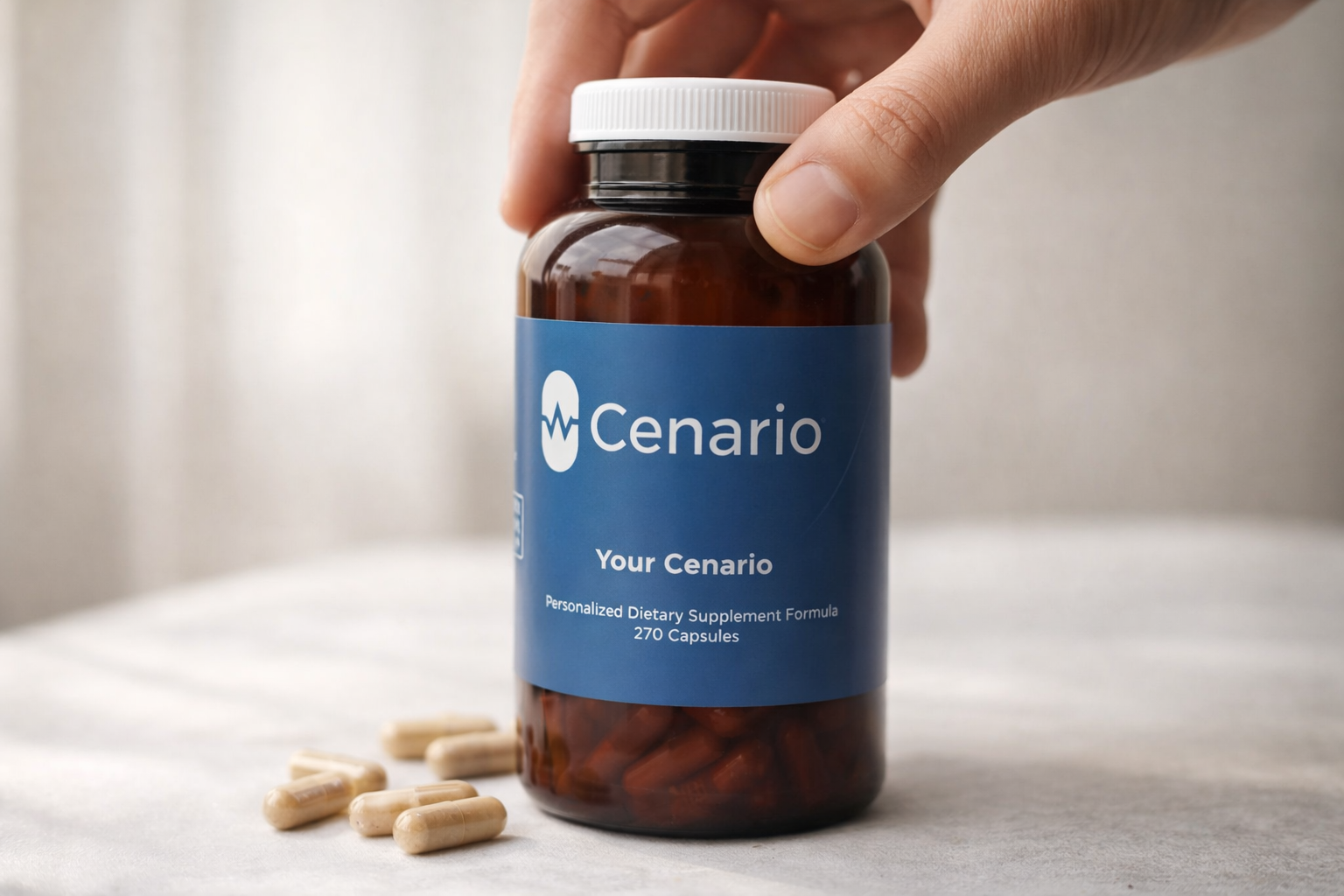
Then take the Cenario assessment and build your personalized Memory & Focus formula.
Your brain is unique. Your support should be too.
Frequently asked questions
What Are The Best Vitamins For Mental Sharpness?
The most consistently studied vitamins for mental sharpness include B vitamins, comprehensive multivitamins, and omega-3 DHA. Choice depends on your baseline nutrient levels and health goals, so testing and clinical advice help tailor the right regimen.
How Long Does It Take To See Results From These Vitamins?
Timing varies by nutrient and individual status. Generally, vitamins to increase mental sharpness show measurable changes over weeks to months. Track symptoms and reassess with a clinician if you do not notice improvement within a reasonable period.
Should I Get Tested For Vitamin Deficiencies Before Taking Supplements?
Yes. Testing for common deficits like B12 and vitamin D makes vitamins to increase mental sharpness more effective and safer. Tests identify who is most likely to benefit and guide appropriate dosing.
Are There Any Risks Associated With Taking These Vitamins?
Some risks exist, especially with high doses or long-term megadoses. Vitamins to increase mental sharpness are safest when dosed according to lab results and medical advice. Discuss interactions with medications and monitor for side effects.
Frequently Asked Questions
What Are The Best Vitamins For Mental Sharpness?
The most consistently studied vitamins for mental sharpness include B vitamins, comprehensive multivitamins, and omega-3 DHA. Choice depends on your baseline nutrient levels and health goals, so testing and clinical advice help tailor the right regimen.
How Long Does It Take To See Results From These Vitamins?
Timing varies by nutrient and individual status. Generally, vitamins to increase mental sharpness show measurable changes over weeks to months. Track symptoms and reassess with a clinician if you do not notice improvement within a reasonable period.
Should I Get Tested For Vitamin Deficiencies Before Taking Supplements?
Yes. Testing for common deficits like B12 and vitamin D makes vitamins to increase mental sharpness more effective and safer. Tests identify who is most likely to benefit and guide appropriate dosing.
Are There Any Risks Associated With Taking These Vitamins?
Some risks exist, especially with high doses or long-term megadoses. Vitamins to increase mental sharpness are safest when dosed according to lab results and medical advice. Discuss interactions with medications and monitor for side effects.