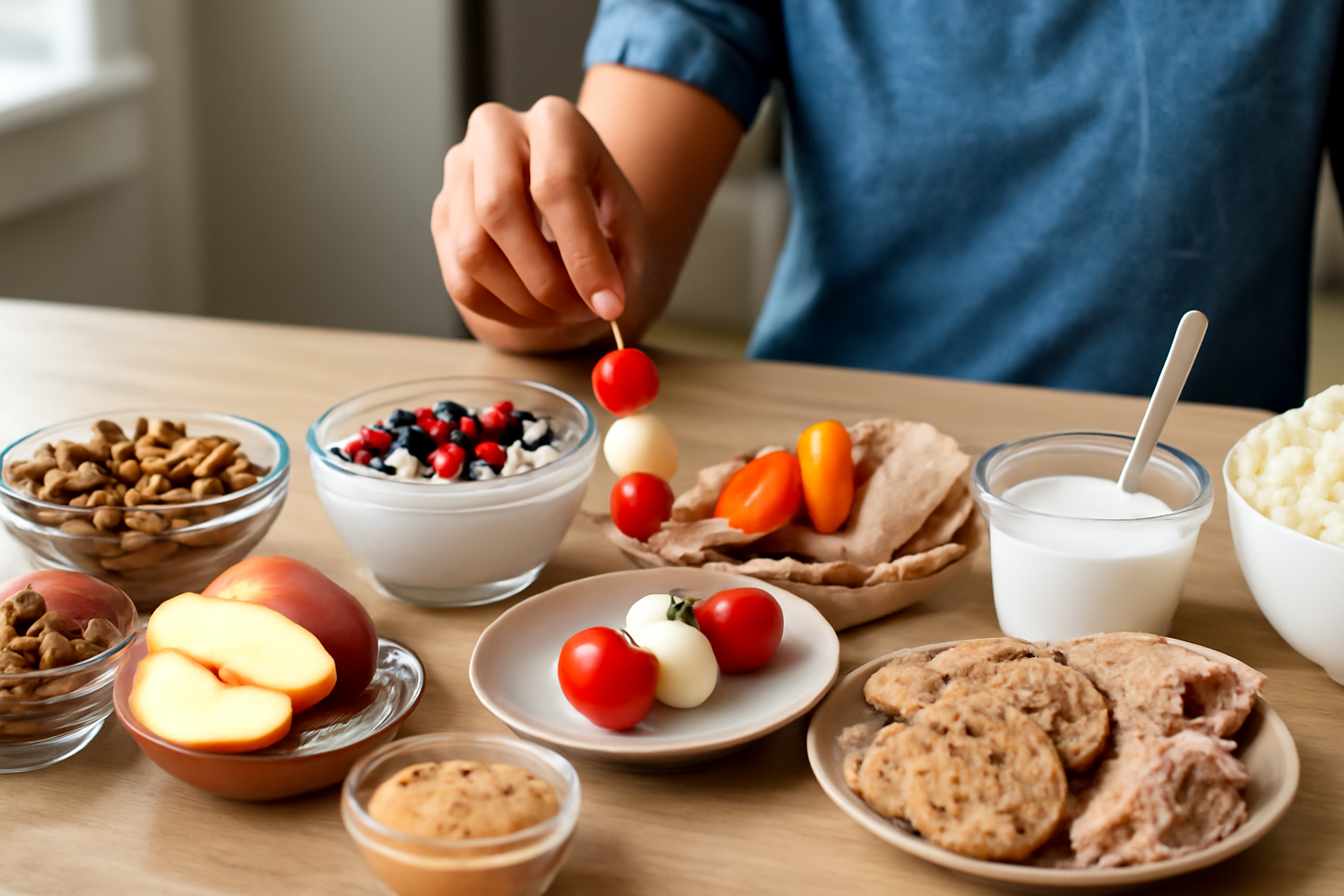

In a world that demands constant focus and faster thinking, maintaining sharp memory has moved from a nice-to-have to a practical necessity. Small lapses at work, trouble remembering names, or feeling foggy after a long week are common complaints. Many people now look beyond supplements and medicine and ask whether simple changes to their plate can help. The good news is that certain foods can support cognition and reduce age-related decline, making everyday meals an easy way to protect your brain.
Why memory matters today
Memory affects how well we learn, plan, and make decisions. Poor sleep, chronic stress, and a diet high in processed foods accelerate cognitive decline. That has people of all ages searching for natural, sustainable ways to sharpen thinking. Research highlights that eating antioxidant-rich and omega-3 rich options regularly can support neural function and slow deterioration. Turning to these foods offers a low-risk, long-term strategy to preserve mental clarity.
Common concerns that food can help
Many worry about memory loss tied to aging, stress, or busy lifestyles. Others want faster recall and better focus during study or work. While no single meal is a cure, forming consistent habits around brain-friendly foods makes a measurable difference. Antioxidants reduce oxidative stress, healthy fats support cell membranes, and key nutrients like choline help neuron signaling. Together, these effects explain why so many people include specific items when they search for foods that boost memory and overall cognition.
How this post will help
This article series focuses on evidence-based foods that boost memory and the practical ways to add them to daily life. Expect clear guidance on top categories like berries, nuts, leafy greens, fatty fish, and eggs. You will also find snack ideas and simple swaps that fit busy schedules. These options are tasty, easy to prepare, and supported by research showing benefits for working memory, processing speed, and long-term cognitive health.
Quick takeaways
- Prioritize antioxidant-rich fruits and vegetables to protect brain cells.
- Include omega-3 sources and choline-rich foods for neuron support.
- Make small, sustainable swaps rather than drastic diet overhauls.
Struggling with brain fog, poor concentration, or forgetfulness is more common than most people think. Whether it is long workdays, constant notifications, poor sleep, or chronic stress, your brain is under pressure.
But memory and focus are not powered by motivation alone. They depend on neurotransmitters like dopamine and acetylcholine, stable blood sugar, quality sleep, and adequate micronutrient levels.
That is why generic “brain supplements” rarely deliver consistent results.
If you want a more targeted approach, take the 3 minute Cenario assessment and find out what may be limiting your cognitive performance.
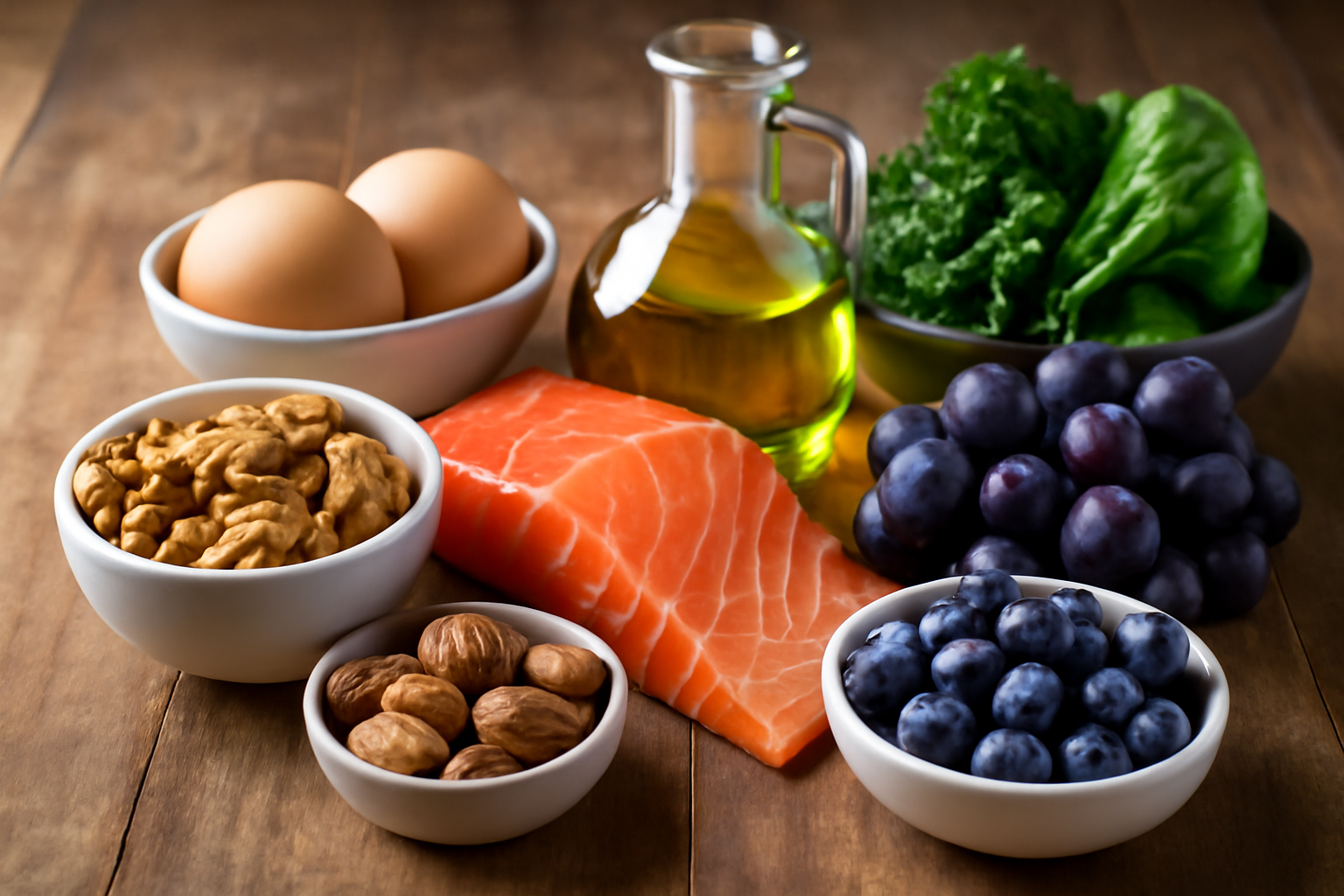
Foods that boost memory: evidence and ways to eat them
Building on the basics, this section explains how specific foods work in the body and gives concrete serving tips you can use today. Below are what the research and nutrition experts point to most often, along with practical ideas for meals and snacks.
Berries and grapes: dose and practical tips
Berries are rich in flavonoids and polyphenols that reduce oxidative stress and help brain cell signaling. Randomized controlled trials report improved learning, paired associate tasks, and memory scores after about 12 weeks of regular berry intake.
- Serving recommendation: aim for 1 cup of mixed berries or 150 ml of Concord grape juice several times per week.
- How they work: flavonoids enhance blood flow to memory regions and support synaptic plasticity.
- Easy use: add a handful to morning oatmeal, smoothies, or a bowl of Greek yogurt.
Nuts: which ones and how much
Nuts supply healthy fats, vitamin E, and plant-based omega-3s. Studies suggest consistent nut intake improves visuomotor speed, attention, and verbal memory. One notable practical amount used in research is about 10.3 grams of walnuts per day.
- Serving recommendation: 1 small handful of mixed nuts daily, with a focus on walnuts and almonds.
- Pairing ideas: sprinkle chopped nuts on salads or mix into nutty trail mix for work or study.
Leafy and cruciferous greens: the lutein advantage
Green vegetables like kale, spinach, broccoli, and Brussels sprouts are rich in lutein and folate. Higher intake has been associated with better global cognition and slower decline over time. Lutein accumulates in the brain and is linked to improved visual processing and memory.
- Serving recommendation: include at least one cup of cooked greens or two cups of raw salad greens most days of the week.
- Cooking tip: lightly steam or sauté greens to retain nutrients and improve absorption of fat soluble nutrients when served with olive oil.
Fatty fish and eggs: omega-3s and choline
Fatty fish provide DHA, a structural fat in brain cells. Regular consumption is associated with lower risk of cognitive decline. Eggs are a convenient source of choline, which supports memory and neuron signaling.
- Serving recommendation: two servings of fatty fish per week and whole eggs one to two times per week for balanced choline intake.
- Snack idea: try smoked salmon on whole grain crackers or canned sardines on toast for a quick brain-boosting option.
Other notable foods and compounds
Certain flavor compounds and antioxidants also show promise for attention and spatial tasks. Examples include dark chocolate rich in flavanols, coffee for short-term alertness, extra virgin olive oil for healthy fats, and wasabi for unique bioactive compounds. These are best used as part of a varied pattern rather than as single remedies.
Simple weekly plan and snack recipes
Small, consistent choices matter more than perfection. Below is a simple weekly pattern and a quick recipe you can try this week.
- Weekly pattern: include berries or berries juice on most days, nuts daily, greens with lunch or dinner, fatty fish twice weekly, and eggs a couple times per week.
- Balance: pair these foods with whole grains, lean proteins, and minimal ultra-processed items to preserve benefits.
Walnut-blueberry energy balls
- Ingredients: 1 cup pitted dates, 1 cup walnuts, 1/2 cup dried blueberries, 2 tbsp oats, pinch of cinnamon.
- Steps: Pulse dates and walnuts in a food processor until sticky. Add oats, dried blueberries, and cinnamon. Form into 12 small balls. Chill 30 minutes.
- Use: portable snack for study sessions or mid-afternoon focus.
How to track effects and next steps
Changes in cognition are subtle and slow. Try a consistent pattern for at least 8 to 12 weeks to notice differences in focus or recall. Keep a simple log of meals and short memory checks like remembering a shopping list or timed recall tasks.
For tailored meal ideas and products that align with brain-friendly choices, try our brain health quiz or browse snack options in our product categories. These resources can help you turn evidence into daily habits that support memory and overall cognitive health.
Other foods that support memory
Beyond the usual suspects, several flavorful items can complement a brain-healthy pattern. Dark chocolate with high flavanol content, moderate coffee, extra virgin olive oil, pungent vegetables like onions, and unique compounds in foods such as wasabi all contribute antioxidant, antiinflammatory, or circulation benefits. When you use these ingredients as part of varied meals, they act like small boosters that help sustain attention and memory over time.
What these foods do for the brain
- Dark chocolate: Flavanols in dark chocolate support blood flow and visual memory performance during short tasks.
- Coffee: Caffeine and polyphenols improve alertness and short term recall when consumed in moderation.
- Olive oil: Monounsaturated fats protect cell membranes and fit naturally into Mediterranean or MIND diet patterns.
- Wasabi and onions: Bioactive compounds reduce oxidative stress and may support neural signaling.
How to build a memory-friendly plate
Construct meals with a balance of protein, whole grains, colorful produce, healthy fats, and small amounts of brain-boosting extras. For example, pair a leafy salad dressed with extra virgin olive oil and lemon with a portion of fatty fish or a legume salad. Top with a sprinkle of chopped nuts and a few dark chocolate shavings for contrast. This keeps the overall pattern aligned with foods that boost memory while staying practical for everyday life.
Quick snack and recipe ideas
- Dark chocolate espresso bites: melt 70 percent dark chocolate, stir in a spoon of instant espresso and chopped walnuts, chill until firm. Portion into small pieces for a focus-boosting treat.
- Wasabi roasted edamame: toss frozen shelled edamame with a little olive oil and a pinch of wasabi powder, roast at 200°C for 12 minutes for a spicy, protein-rich snack.
- Olive oil citrus dressing: whisk extra virgin olive oil with orange juice, a dash of vinegar, and grated onion to dress greens and boost absorption of fat soluble nutrients.
- Caramelized onion and turmeric soup: slowly caramelize onions in olive oil, add turmeric and stock, simmer and blend. Serve with whole grain toast for a warming meal with anti-inflammatory benefits.

Cooking and timing tips
How you prepare food matters. Lightly steaming greens preserves lutein and folate better than prolonged boiling. Use gentle heat for olive oil to avoid degradation. With coffee and dark chocolate, moderation is key. Aim for regular inclusion rather than large, infrequent portions. These small choices help you get the most from foods that boost memory without sacrificing flavor.
Measuring progress and staying consistent
Changes in memory are gradual. Keep a simple habit log and note practical markers such as faster recall of names, fewer forgotten tasks, or improved focus during study sessions. Consider small time trials like a weekly timed recall or using a cognitive app to track trends. Consistency, combined with sleep, stress management, and physical activity, gives the best chance that foods that boost memory translate into real improvements.
Conclusion
Adding a variety of these brain-friendly items to a balanced diet makes it easy to turn science into daily practice. Small snacks, intentional meal patterns, and simple cooking tricks help you benefit from antioxidants, flavanols, and healthy fats.
If your concentration feels inconsistent or your recall is weaker than it used to be, something in the system is off. Sleep, stress, blood sugar, neurotransmitters, micronutrients, and workload all influence cognitive performance.
This guide breaks down what actually drives memory and focus, and what to do about it.
Your brain is unique. Your formula should be too.
Start your personalized focus plan today.
Frequently asked questions
Can supplements replace foods that boost memory?
Supplements can fill gaps but do not replace whole foods. Foods that boost memory deliver a mix of nutrients, fiber, and bioactive compounds that work together in ways supplements rarely replicate.
Do cooking methods reduce the benefits of foods that boost memory?
Some nutrients are heat sensitive, so gentle cooking preserves more benefit. Foods that boost memory like leafy greens and olive oil are best prepared with minimal heat or combined with healthy fats to improve absorption.
How quickly will I notice the effects of foods that boost memory?
Noticeable changes usually take weeks to months. Short term alertness may come from coffee or chocolate, but sustained memory improvements from foods that boost memory appear with consistent intake and healthy lifestyle habits.
Frequently Asked Questions
Can supplements replace foods that boost memory?
Supplements can fill gaps but do not replace whole foods. Foods that boost memory deliver a mix of nutrients, fiber, and bioactive compounds that work together in ways supplements rarely replicate.
Do cooking methods reduce the benefits of foods that boost memory?
Some nutrients are heat sensitive, so gentle cooking preserves more benefit. Foods that boost memory like leafy greens and olive oil are best prepared with minimal heat or combined with healthy fats to improve absorption.
How quickly will I notice the effects of foods that boost memory?
Noticeable changes usually take weeks to months. Short term alertness may come from coffee or chocolate, but sustained memory improvements from foods that boost memory appear with consistent intake and healthy lifestyle habits.