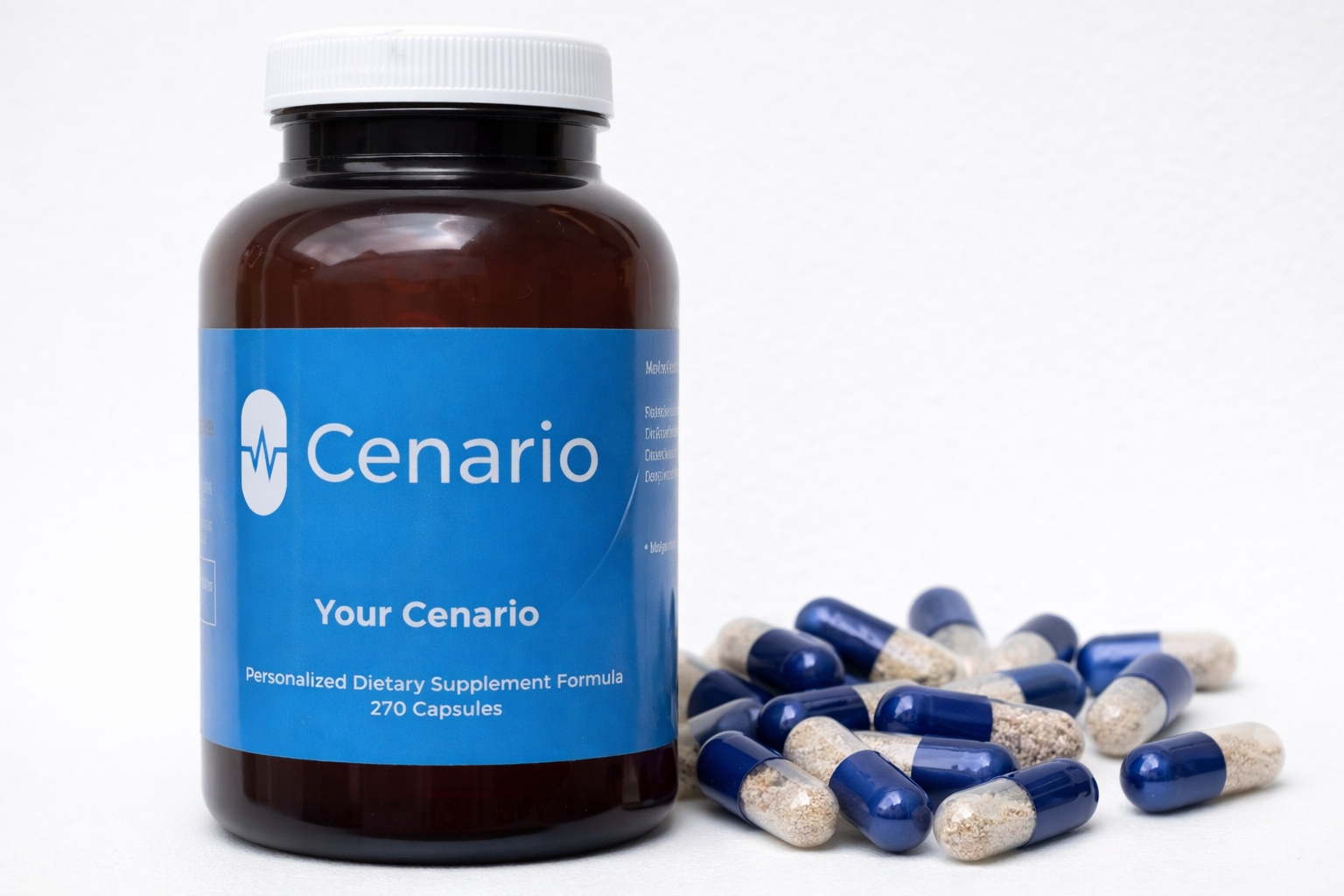

Interest in cognitive supplements for seniors has surged as people look for ways to preserve memory, focus, and everyday mental sharpness. With an aging population and rising concern about mild cognitive decline, many older adults and their families are asking whether pills, powders, or specific nutrients can help maintain mental acuity.
What Are Cognitive Supplements For Seniors
Cognitive supplements for seniors are dietary products intended to support brain function. They include single nutrients, like vitamin B12 or vitamin C, targeted compounds such as resveratrol, and broad formulas like multivitamins. The goal is usually prevention or slowing of age-related decline rather than curing dementia.
- Multivitamins: Broad nutrient coverage intended to prevent deficiencies.
- B Vitamins: Often discussed for memory and for lowering homocysteine levels.
- Antioxidants and Polyphenols: Compounds such as resveratrol and vitamin C that may protect brain cells.
- Omega-3 Fatty Acids: Popular for heart and brain health, though trial results vary.
- Specialized Compounds: Ingredients like Alpha-GPC or erinacine A tested in smaller studies.
Why The Evidence Feels Confusing
Scientific studies on cognitive supplements for seniors produce mixed findings. Some randomized trials and reviews report modest benefits for memory or attention, while other trials find no clear effect. Differences in dose, duration, participant health, and study design all contribute to inconsistent results.
If you want to understand what may actually be limiting your cognitive performance, read the full guide here:
https://cenario.com/blog/memory-and-focus
That inconsistency leaves many seniors unsure whether to try supplements, which ones to choose, and how they fit alongside diet and lifestyle. Health organizations and consumer groups often emphasize caution, recommending that supplements be considered as one part of a broader brain health plan.
Purpose Of This Post
This post will separate promising options from hype. In the next section we will examine the strongest clinical trials, highlight supplements that show meaningful effects in older adults, and point out those with little or no reliable benefit. The aim is to give seniors clear, practical guidance so they can discuss options with their healthcare providers and make informed choices about cognitive supplements for seniors.
Evidence from scientific studies
Recent trials give a clearer picture of which cognitive supplements for seniors show measurable benefit and which do not. A multiyear randomized trial of a daily multivitamin reported slower memory decline equivalent to about two to three years of aging. That effect was modest but consistent across thousands of participants and notable because the intervention was low risk and easy to access.
Targeted nutrient trials offer more mixed results. In one trial, resveratrol at 75 mg per day for 24 months produced a 33 percent improvement in certain cognitive scores for women, with a p value indicating statistical significance. Vitamin C at 1,000 mg per day improved attention in another controlled study. B vitamins, particularly folate and B12 given to people with elevated homocysteine, have reduced the rate of decline in memory tests in several trials.
Why dosage, duration, and biomarkers matter
Two key reasons trial results vary are dose and participant selection. Many nutrients require months to show effects, so short trials often miss changes. Another factor is baseline status. B vitamins mainly help seniors with high homocysteine or low B12. Resveratrol outcomes depend on formulation and how much actually reaches the brain. In short, the right dose for the right person matters.
Supplements with weak or mixed evidence
Omega-3 fatty acids are a widely used example. Multiple large trials have failed to show consistent dementia prevention, though some subgroups may see small benefits. Ginkgo biloba and many single-ingredient brain products have produced null results in large studies. That does not always mean no biological activity, but it does mean limited support for recommending them broadly to older adults.
Summary table of key findings
| Supplement | Typical dose used in trials | Reported outcome | Notes |
|---|---|---|---|
| Multivitamin | Daily standard adult dose | Slowed memory decline by 2–3 years over 3 years | Low risk, best for general nutrient gaps |
| Resveratrol | 75 mg/day | Improved cognitive scores by 33% in women (p=0.005) | Bioavailability concerns; effects vary by sex and formulation |
| Vitamin C | 1,000 mg/day | Improved attention (p=0.03) | Short term cognitive gains in some trials |
| B vitamins (B12, folic acid) | Study-specific; often higher than RDA | Slowed decline in people with high homocysteine | Check B12 levels before supplementing; many seniors malabsorb B12 |
| Omega-3s | Varied fish oil doses | Mixed; no clear dementia prevention in large trials | May help some cardiovascular patients; interaction with blood thinners |
| Alpha-GPC, erinacine A | Trial-specific | Some small trials show MMSE and functional gains | Promising but limited by small sample sizes |
| Ginkgo biloba | Standard extract doses | No consistent cognitive benefit in large trials | Commonly used but not supported for broad prevention |
Diet and lifestyle compared to supplements
Evidence increasingly favors dietary patterns over isolated pills. Mediterranean-style diets and whole-food approaches show broader and more reliable effects across memory, attention, and function. Those patterns provide a spectrum of nutrients and anti-inflammatory compounds that single supplements cannot fully replicate.
Practical guidance for choosing cognitive supplements for seniors
- Talk to a clinician before starting any new supplement, especially if on medications.
- Test key markers when relevant, such as B12 or homocysteine, to target therapy.
- Favor interventions with consistent trial evidence, like a daily multivitamin for people with poor intake.
- Avoid high-dose combinations without medical oversight. More is not always better.
- Consider diet first. Use supplements to fill gaps or address specific deficiencies.
Skeptical Views And Consumer Warnings
Not all experts agree that pills are the best route to preserve thinking skills. Consumer groups and some clinicians warn that cognitive supplements for seniors are often marketed with overstated claims. In many cases the evidence is mixed, and product quality varies widely. That combination can mislead people who are trying to protect memory and independence.
Why Caution Makes Sense
- Supplements are regulated differently than prescription drugs, so formulations and ingredient levels can be inconsistent.
- Marketing can target fears about aging and exaggerate benefits that only show up in small or short trials.
- Some trials report subgroup effects only, which do not justify broad recommendations for all older adults.
Common Risks And Interactions
Supplements are not risk free. Seniors often take multiple medications and have chronic conditions. That raises the chance of interactions and side effects.
- Blood thinning. Ingredients such as fish oil or herbal extracts can raise bleeding risk when combined with anticoagulants.
- Overdose and toxicity. Fat soluble vitamins or very high doses of certain nutrients can cause harm over time.
- Masking deficiency. Taking a multivitamin without testing may hide a treatable deficiency that needs medical management.
How To Evaluate Product Quality
When choosing cognitive supplements for seniors, quality checks matter as much as the ingredient list. Here are practical signals to look for.
- Third-party verification. Look for independent testing seals that confirm ingredient purity and label accuracy.
- Transparent labeling. Avoid proprietary blends that hide exact doses of active ingredients.
- Batch testing and recalls. Reputable brands publish batch certificates and have clear recall procedures.
- Minimal, evidence-based ingredients. Prefer formulas with components tested in older adults rather than long lists of unproven herbs.
Personalizing Supplements Safely
- Start with testing. Check B12, vitamin D, and homocysteine if indicated by symptoms or history.
- Talk to a clinician about interactions with current prescriptions and conditions.
- Try single changes at a time. Monitor effects for several months before adding more products.
- Track outcomes. Use simple measures such as daily functioning, memory tests, or notes about attention and mood.
Quick Comparison Table
| Supplement | Evidence Strength | Typical Use Case | Clinical Caveat |
|---|---|---|---|
| Multivitamin | Moderate | Older adults with poor diet | May help general cognition; not a cure |
| B Vitamins | Conditional | High homocysteine or B12 deficiency | Test levels before supplementing |
| Antioxidants/Polyphenols | Mixed | Adjunct for select individuals | Bioavailability affects results |
| Omega-3s | Weak to mixed | Cardiovascular health focus | No clear dementia prevention in large trials |
Final Thoughts
Supplements can play a supporting role, but they are not a substitute for healthy habits. Prioritize diet, exercise, sleep, social engagement, and medical care. If you consider cognitive supplements for seniors, aim for products with good quality control, get relevant lab tests, and involve a healthcare professional. Start cautiously, monitor outcomes, and keep expectations realistic.
Ready to test the focus formula? Start with one habit, track progress for seven days, and refine. The next level of focus becomes a system you control, not a skill you hope you will have.
[
cenario.com
]
Better memory and sharper focus are not about working longer hours. They are about supporting the systems that power attention, learning, and mental clarity.
If you are serious about improving cognitive performance, do not rely on generic “brain pills.”
Read the full guide here:
https://cenario.com/blog/memory-and-focus/
Then take the Cenario assessment and build your personalized Memory & Focus formula.
Your brain is unique. Your support should be too.
Frequently asked questions
How long before I might notice effects from cognitive supplements for seniors?
It varies. Many trials measure outcomes after six months to two years. Expect at least a few months and track changes in memory, attention, and daily tasks while working with your clinician.
Can cognitive supplements for seniors replace prescription treatments for dementia?
No. Supplements are not proven replacements for approved medical therapies. They may be adjuncts in a broader plan, but prescription treatments and medical management remain essential.
Are third-party tested products safer for cognitive supplements for seniors?
Yes. Third-party testing improves confidence in ingredient accuracy and purity. Choosing verified products reduces the risk of contamination and mislabeled doses, which is especially important for older adults.
Frequently Asked Questions
How long before I might notice effects from cognitive supplements for seniors?
It varies. Many trials measure outcomes after six months to two years. Expect at least a few months and track changes in memory, attention, and daily tasks while working with your clinician.
Can cognitive supplements for seniors replace prescription treatments for dementia?
No. Supplements are not proven replacements for approved medical therapies. They may be adjuncts in a broader plan, but prescription treatments and medical management remain essential.
Are third-party tested products safer for cognitive supplements for seniors?
Yes. Third-party testing improves confidence in ingredient accuracy and purity. Choosing verified products reduces the risk of contamination and mislabeled doses, which is especially important for older adults.