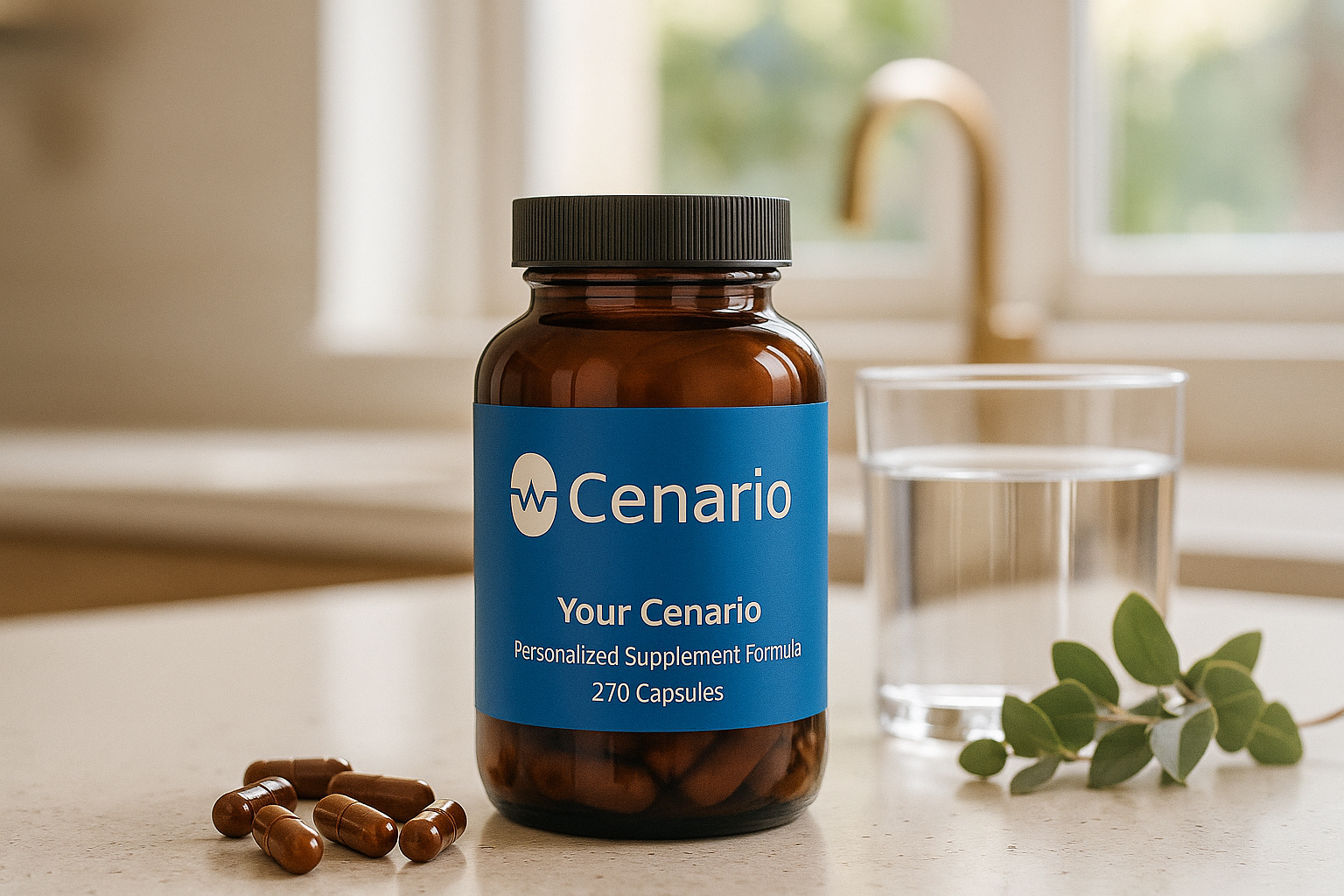

Interest in concentration supplements for adults has risen sharply in recent years. Many people seek safe, practical ways to support focus, memory, and mental energy for work, study, and daily life. That demand has led to more products on the market and more questions about what actually works.
The Growing Interest In Concentration Supplements For Adults
Adults of all ages are looking for tools to sharpen attention and sustain productivity. Workplace demands, longer study hours, and concerns about age-related memory loss all drive the trend toward concentration supplements for adults. Marketers now offer a wide range of options aimed at professionals, students, and older adults who want better cognitive performance.
- Vitamins and minerals, such as B vitamins and magnesium
- Herbal nootropics, including Bacopa monnieri and Ginkgo
- Adaptogens, like Ashwagandha and Rhodiola
- Phospholipids and choline donors, for example phosphatidylserine and citicoline
- Amino acids and calming agents, such as L-theanine and L-arginine
With so many choices, it is easy to be overwhelmed. Some products combine several ingredients into one capsule. Others focus on a single compound that has a stronger research record. Labels promise improved mental clarity, but claims and quality vary widely.
If you are serious about improving cognitive performance, do not rely on generic “brain pills.”
Read the full guide here:
https://cenario.com/blog/memory-and-focus/
Understanding The Science Behind Concentration Supplements
Choosing concentration supplements for adults should rely on evidence rather than hype. Research quality differs by ingredient. Some compounds have multiple placebo-controlled trials and clearer mechanisms. Others have limited or mixed results. That makes it important to know which supplements have stronger scientific backing and which still need more study.
Supplements are often presented as ways to support memory, attention, and long-term brain health. For adults considering these products, the best approach is to focus on well-studied ingredients and realistic expectations. No supplement guarantees dramatic improvement, and effects can depend on age, baseline nutrition, sleep, and stress.
In addition to research, safety matters. Side effects and interactions with prescription medications are possible. Speak with a healthcare professional before starting any new regimen, especially if you have chronic conditions or take other drugs.
This post will outline the evidence for the most commonly used concentration supplements for adults and explain how to weigh benefits against risks. The next section will examine key ingredients and the strength of the science behind each, so you can make an informed decision about what may help you maintain focus and cognitive health.
Key ingredients backed by research
This section dives into the ingredients most commonly studied in concentration supplements for adults. Focus on mechanisms, typical dosing, timing for effects, and practical cautions. These details help you tell evidence from marketing claims.
Phosphatidylserine
Phosphatidylserine supports neuronal membranes and cell signaling. Double-blind trials have shown measurable memory and cognitive test benefits in older adults. Typical study protocols range from 100 to 300 mg per day. Effects tend to appear after several weeks of consistent use, often around 6 to 12 weeks.
- Potential side effects: mild stomach upset in some people.
- Tip: Look for clearly labeled milligrams rather than vague proprietary blends.
Bacopa monnieri
Bacopa is one of the best-supported herbal nootropics for attention, working memory, and processing speed. Clinical trials commonly use 200 to 400 mg per day of standardized extract, often standardized to bacosides. Expect improvements to build slowly. Many studies report noticeable change after 8 to 12 weeks.
- Common adverse effects: nausea or gastrointestinal discomfort for sensitive users.
- Use case: Good for adults seeking long-term cognitive support rather than immediate wakefulness.
B vitamins
B vitamins are essential cofactors for energy metabolism and neurotransmitter synthesis. Supplementation shows most benefit when correcting a deficiency or in older adults at risk of low B12 or folate. Choose a B-complex with active forms like methylcobalamin and methylfolate when possible.
- Dosage: follow label guidance; avoid megadoses without medical advice.
- Consideration: B vitamins work best as part of a nutrient-balanced plan.
Ashwagandha
Ashwagandha acts as an adaptogen that reduces perceived stress and can indirectly improve focus and mood. Trials report reduced cortisol and better stress resilience after several weeks. Typical study doses vary; standardized extracts and consistent dosing matter for reproducible effects.
- Possible effects: mild sedation for some users, so avoid when you need intense immediate alertness.
L-arginine
L-arginine increases nitric oxide production and may improve cerebral blood flow in some formulas. Evidence tends to be product-specific and mixed for cognitive endpoints, so evaluate studies tied to the specific formulation you consider.
- Note: L-arginine can affect blood pressure and interact with some medications. Discuss with a clinician if you have cardiovascular conditions.
Emerging supplements and smart combinations
Several compounds show promise but require more data. Combining certain ingredients can improve results when supported by mechanisms and safety data.
Citicoline
Citicoline donates choline and supports membrane phospholipids. Research suggests benefit for attention and memory, particularly in older adults. Consistent daily use over weeks is often necessary to see measurable improvements.
Magnesium L-threonate and L-theanine
Magnesium L-threonate is formulated for better brain uptake and may aid learning and sleep-related memory consolidation. L-theanine promotes calm alertness and works well with low doses of caffeine for focused attention without jitteriness.
Stop stacking random ingredients. Start targeting what your brain actually needs.
https://cenario.com/quiz/
Practical stacking strategies
- Memory-first stack: phosphatidylserine plus omega-3s and citicoline for membrane support.
- Focus-first stack: citicoline or a low caffeine dose plus L-theanine for attention with reduced anxiety.
- Stress-related fog: ashwagandha plus B-complex to reduce cortisol while supporting metabolism.
How to evaluate products
When comparing concentration supplements for adults, look beyond marketing. Prefer products with clear ingredient amounts, standardized extracts, and third-party testing for purity and potency. Avoid proprietary blends that hide doses. Read study summaries for the exact extract used and the duration required to see effects.
Finally, set realistic expectations. Many effective ingredients need weeks of consistent use. Track your response, and consult a healthcare professional for interactions with medications or existing health conditions.
Balancing Evidence And Skepticism
As interest in concentration supplements for adults grows, so does the need to separate solid science from clever marketing. Some ingredients have consistent, reproducible benefits in clinical trials. Others show mixed results or rely on studies funded by makers of a specific product. Healthy skepticism helps you weigh claims against the data.
Recognizing Study Limitations
Not all studies are created equal. Small sample sizes, short durations, and nonstandardized extracts can produce results that do not generalize. Be cautious when a single study supports a big claim. Look instead for multiple randomized, placebo-controlled trials, ideally with transparent funding and clear reporting of side effects.
Products Versus Ingredients
Many search results and product pages promote branded formulas rather than individual compounds. That can cloud the evidence. For example, research support is stronger for ingredients like phosphatidylserine and Bacopa monnieri than for branded supplements such as Neuriva or Prevagen, where study designs and conflicts of interest have raised questions.
When evaluating a product, separate the ingredient list from the brand story. Ask whether each active component appears at an effective dose matched to the clinical research. If the label hides amounts in a proprietary blend, treat claims with caution.
Common Sources Of Bias
- Industry-funded trials that lack independent replication.
- Short trials that report early or temporary effects but do not show sustained benefits.
- Studies in very specific populations, such as older adults with mild impairment, that may not apply to younger, healthy adults.
Practical Steps Before You Buy
Use a methodical approach to choosing concentration supplements for adults. Follow these steps to reduce risk and improve chances of benefit:
- Check for standardized extracts and clear dosing that match clinical studies.
- Prefer third-party testing seals that verify potency and purity.
- Start with one change at a time so you can track effects and side effects.
- Plan a trial period of at least 6 to 12 weeks for most herbal nootropics to see meaningful change.
Combining Supplements Wisely
Some combinations can be synergistic. For example, pairing a choline donor like citicoline with membrane-supporting phospholipids may make mechanistic sense. Pairing low-dose caffeine with L-theanine often produces focused alertness with less jitter. However, stacking increases the chance of interactions and side effects, so build gradually and consult a clinician if you take medications.
When To Stop Or Seek Help
If you notice persistent adverse effects, new cardiovascular symptoms, mood changes, or unexpected interactions with prescription drugs, stop the supplement and seek medical advice. Also consider stopping a supplement if you do not see any benefit after the trial period. Long-term use should be supervised, especially for adults with chronic conditions.
Final Thoughts And Next Steps
Concentration supplements for adults can offer modest benefits when chosen carefully. Rely on ingredients with stronger clinical evidence, avoid proprietary blends that hide doses, and treat supplements as one piece of a larger plan that includes sleep, nutrition, and exercise. Track changes, remain critical of bold marketing claims, and consult a healthcare professional when in doubt.
Ready to explore safe, evidence-backed options? Start with a single, well-studied ingredient at a proven dose and give it time to work. Monitor outcomes and adjust based on real results.
f you are serious about improving cognitive performance, do not rely on generic “brain pills.”
Read the full guide here:
https://cenario.com/blog/memory-and-focus/
Then take the Cenario assessment and build your personalized Memory & Focus formula.
https://cenario.com/quiz/
Your brain is unique. Your support should be too.
Frequently asked questions
Are concentration supplements safe for long-term use?
Many well-studied concentration supplements for adults have acceptable safety profiles when used at recommended doses, but long-term safety data are limited for some newer compounds. Talk to your healthcare provider if you plan extended use, especially with prescription medications.
Can these supplements replace a healthy lifestyle?
No. Concentration supplements for adults are intended to complement, not replace, good sleep, balanced nutrition, regular exercise, and stress management. Lifestyle changes often produce larger, more reliable improvements in focus than supplements alone.
What should I consider when choosing a supplement?
Look for clear dosing that matches clinical trials, standardized extracts, third-party testing, and transparent labeling. These features improve the probability that the concentration supplements for adults will match the benefits reported in research.
How soon can I expect results from taking concentration supplements?
Timing varies by ingredient. Some compounds like L-theanine may produce effects within hours, while herbal nootropics such as Bacopa often require 8 to 12 weeks of consistent use. Expect most concentration supplements for adults to need weeks before measurable benefits appear.