
B vitamins are central to how your body makes energy, processes food, and keeps the brain and nerves working well. When you do not get enough, common signs include fatigue, brain fog, irritability, and trouble concentrating. For readers searching for foods with b, this post explains why these nutrients matter and prepares you for practical, food-based solutions.
Why B Vitamins Matter For Energy And Health
The B-complex includes eight vitamins: B1, B2, B3, B5, B6, B7, B9, and B12. Each plays a distinct role. For example, B1 and B2 help turn carbs into usable energy. B3 and B6 support metabolism and healthy skin. Folate, or B9, and B12 are essential for making red blood cells and supporting brain function. Biotin, or B7, helps with healthy hair and nails and also supports energy pathways.
Understanding foods with b helps you choose meals that support daily energy. People with low intake often feel tired even after a full night of sleep. Pregnant people, older adults, and those following restrictive diets can be at higher risk for deficiency.
B Vitamins Are Water Soluble And Require Regular Intake
B vitamins are water soluble. Your body does not store most of them in large amounts. That means you need a steady supply from your diet. Unlike fat-soluble vitamins, excess B vitamins are typically flushed out in urine. Because of this, eating a variety of foods with b is more effective than relying on a single source or occasional supplements.
How This Post Will Help You Choose Better Foods
This first section sets the stage. The rest of the article will go into specific food sources, practical meal ideas, and easy swaps for vegans and vegetarians. You will see clear comparisons of how much each food contributes to daily needs. If you want an overview hub for nutrition topics while you wait for the next section, visit the Cenario Nutrition Hub as an internal link opportunity.
By focusing on a mix of whole foods and fortified items, most people can meet their needs without excessive reliance on pills. Use this introduction as your guide to why a diet rich in foods with b is a simple, natural way to boost energy and protect long-term health. The next section will list top choices and show practical ways to add them to everyday meals.
Top foods with b vitamins
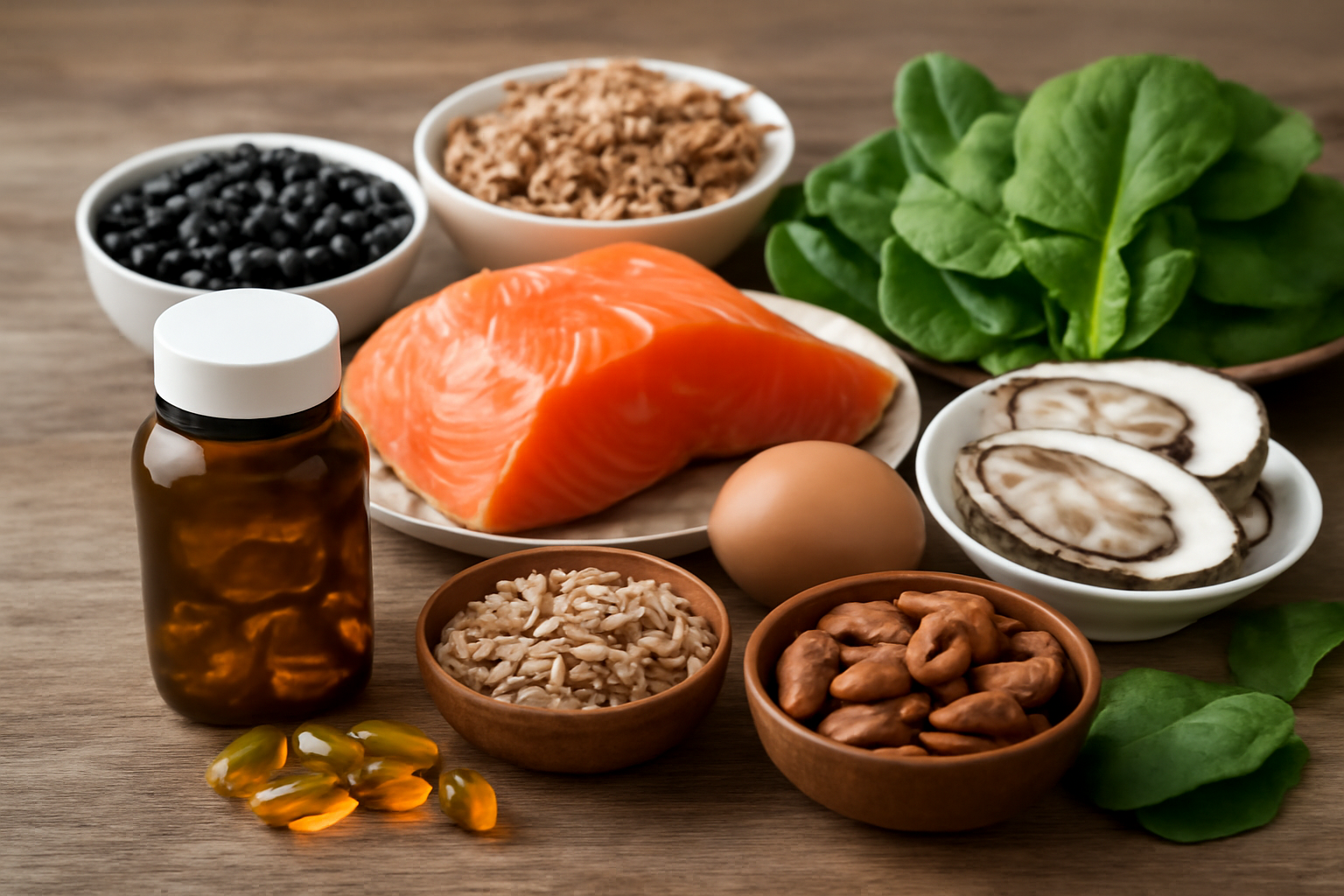
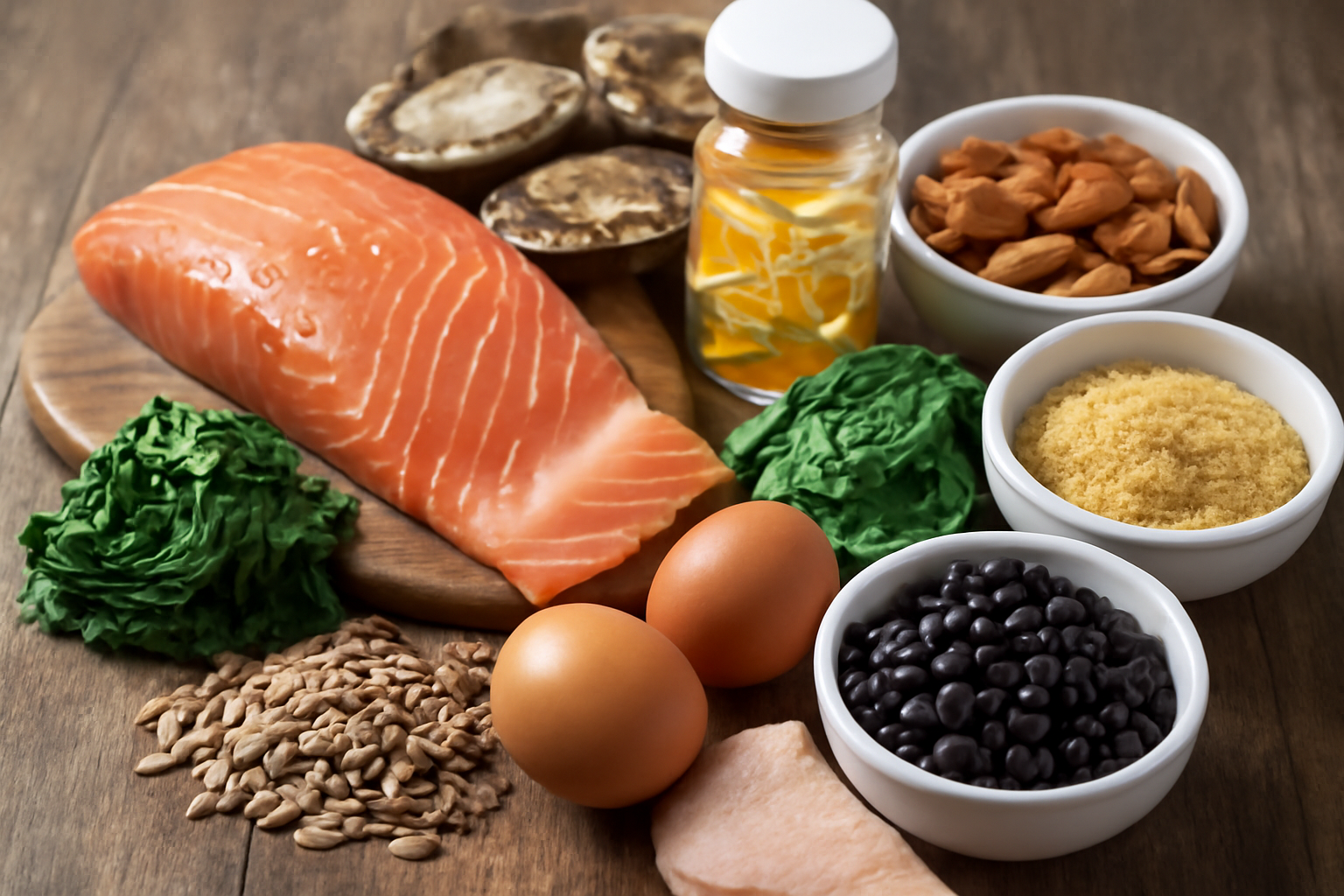
Below are the strongest, food-first sources of the different B vitamins. This list focuses on whole foods and common fortified items that reliably supply B1, B2, B3, B5, B6, B7, B9, and B12. Use these choices to build balanced meals that support energy, mood, and red blood cell formation.
Animal-based sources
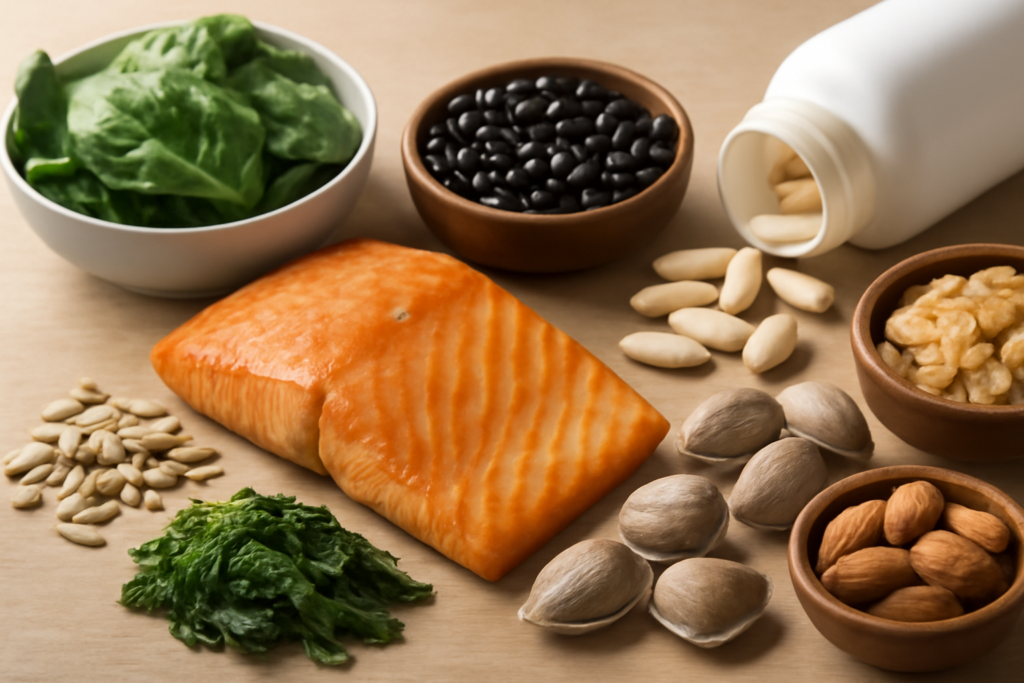
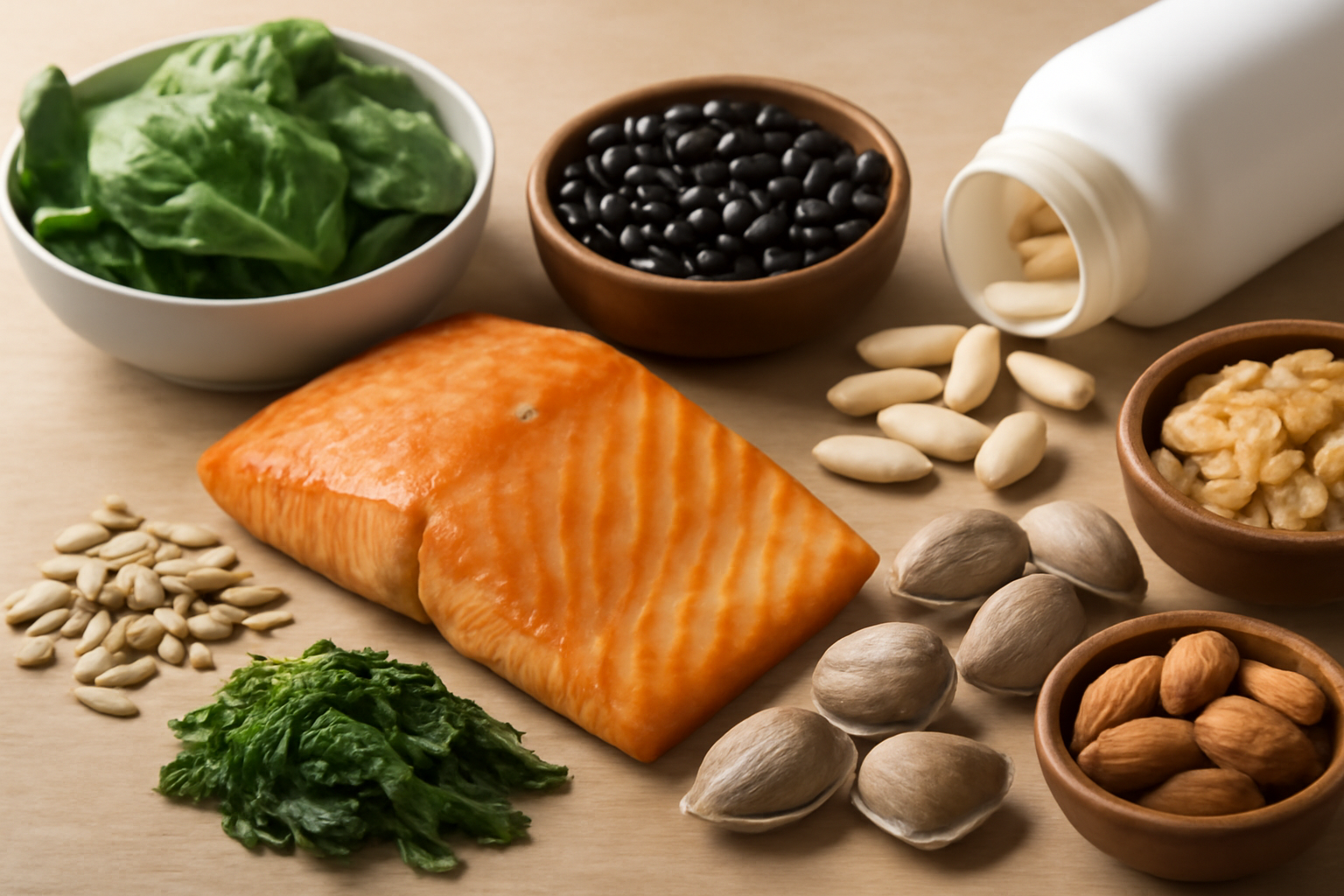
- Salmon – Excellent source of vitamin B12 and B6. Also supplies omega-3 fats that support brain function. Learn more about omega-3s (EPA and DHA).
- Trout – One of the highest natural sources of B12 per serving, useful for sustaining adequate levels.
- Chicken and turkey – Provide B2, B3, and B6, which help with metabolism and daily energy production.
- Oysters, clams, mussels – Shellfish are rich in riboflavin (B2) and thiamine (B1) and can boost energy quickly.
- Beef and pork – Good for niacin (B3) and B12, particularly in lean cuts and organ meats like liver.
Plant-based and fortified sources
- Legumes (black beans, lentils, edamame) – Strong sources of folate (B9) and contribute B6; ideal for plant-based diets.
- Leafy greens (spinach, collards) – High in folate and other B vitamins that support heart and brain health.
- Sunflower seeds and almonds – Contain B6 and riboflavin; great as snacks or salad toppers.
- Fortified cereals and nutritional yeast – Often fortified with B12 and several other B vitamins; turn these into reliable vegan options.
- Eggs and dairy – Natural sources of B2 and B12; useful in mixed diets for steady intake.
Quick facts about how much they provide
Percent daily values (%DV) can vary by brand and serving size. The examples below reflect common measures used on nutrition labels and can help you compare foods at a glance.
Comparison of %DV for selected foods
| Food | B12 (%DV) | B6 (%DV) | B9 (folate) (%DV) | B1 or B2 highlight |
|---|---|---|---|---|
| Salmon (3.5 oz) | 127% | 56% | 2% | Provides riboflavin too |
| Trout (3.5 oz) | 171% | 18% | 3% | High-quality protein |
| Fortified cereal (1 cup) | Varies – often fortified with B12 | Varies | Varies | Wheaties example: ~84% DV B1 |
| Black beans (1 cup) | 0% | 10% | Up to 60% | High in fiber |
| Sunflower seeds (1/4 cup) | 0% | 40% | 6% | Good B6 source |
| Spinach (1 cup, cooked) | 0% | 8% | Up to 39% | Rich in folate |
| Oysters (3.5 oz) | High | 20%+ | 5% | High in B1 and B2 |
Nutritional benefits: how b vitamins help your body
B vitamins act as coenzymes, which means they help enzymes carry out chemical reactions. That is central to turning food into usable energy. Different B vitamins specialize in different fuel pathways:
- Energy metabolism – Thiamine (B1) and niacin (B3) are critical for carbohydrate metabolism. Riboflavin (B2) supports energy from fats and proteins.
- Nervous system support – B6 and B12 help maintain neurotransmitter balance and healthy nerve cells.
- Blood and DNA – Folate (B9) and B12 are needed to make red blood cells and help replicate DNA during cell division.
Practical notes for including foods with b in your routine
To meet needs consistently, combine different sources across meals. For people following plant-based diets, rely on fortified cereals, nutritional yeast, and fortified plant milks as dependable sources of vitamin B12. For mixed diets, include a serving of fish or dairy a few times a week and add beans, seeds, and leafy greens daily.
Internal link opportunities: Cenario recipe hub, Cenario nutrition hub. These would be useful places to add meal plans and shopping lists that focus on foods with b vitamins.
Practical tips for adding foods with b to your meals
Now that you know the strongest sources, these practical tips make it easy to turn that knowledge into meals you will actually eat. Focus on variety, simple prep, and repeatable combinations so you get steady intake of foods with b every day.
Quick meal ideas that pack B vitamins
- Weeknight salmon bowl: roast salmon, sautéed spinach, brown rice, and a sprinkle of sunflower seeds for texture. Serve with lemon to brighten flavors.
- One-pot turkey and lentil stew: lean turkey, cooked lentils, carrots, and tomatoes simmered with cumin and garlic. Make a double batch and freeze portions.
- Breakfast power oats: oats cooked in milk or a plant alternative, topped with almonds, banana, and a teaspoon of ground flax for added nutrients.
- Plant-based Buddha bowl: roasted chickpeas, steamed kale, quinoa, avocado, and a tahini dressing. Rotate legumes and greens through the week.
- Shellfish stir-fry: quick-cooked mussels or clams with garlic, bell peppers, and whole-grain noodles for a fast, nutrient-dense dinner.
Planning and shopping on a budget
You can prioritize foods with b without spending more. Try these cost-savvy moves:
- Buy frozen fish and vegetables. They retain nutrients and often cost less than fresh.
- Choose canned or dried legumes in bulk. They are inexpensive, shelf-stable, and rich in folate and B6.
- Look for store-brand fortified grains. Fortified items can fill gaps affordably.
- Cook in batches. Large stews, casseroles, and soups concentrate B vitamins per serving and reduce waste.
Cooking and storage tips to protect B vitamins
- Favor steaming, quick sautéing, or roasting over long boiling. B vitamins are water soluble and heat sensitive, so shorter cook times preserve them.
- Use the cooking liquid from legumes or greens in soups or sauces to retain water-soluble vitamins.
- Store leafy greens and fresh herbs wrapped in paper towels inside a sealed container to extend shelf life and reduce nutrient loss.
Dietary considerations for vegans and vegetarians
Plant-focused eaters can meet many B-vitamin needs through careful planning. Emphasize a mix of legumes, whole grains, seeds, nuts, and a wide range of leafy greens. Track your intake periodically and talk with a healthcare professional about testing, especially for nutrients that are harder to obtain from plant foods.
Practical steps include rotating different beans and whole grains, adding seed and nut toppings to salads, and preparing legume-forward soups. These habits boost folate, B6, and riboflavin intake without much extra cost or time.
Simple swaps to increase B-vitamin density
- Replace refined grains with whole grains at breakfast and lunch.
- Add a cooked egg or a handful of seeds to salads instead of plain greens.
- Swap a snack of chips for a trail mix with almonds and sunflower seeds.
Final thoughts and next steps
Small, consistent changes make the biggest difference. Build meals around a protein source, a whole grain, and a vegetable or legume to cover a broad range of B vitamins. If you are tracking nutrients, note which meals regularly supply the most B vitamins and repeat those each week. Start with one new recipe this week and scale up from there.
Try these resources to plan meals and shopping lists: Cenario recipe hub and Cenario meal plans. When you adopt a few simple habits, foods with b become a natural part of your diet and your energy levels will reflect that change.
Frequently asked questions
What affordable foods with b can I buy on a tight budget?
Affordable choices include dried or canned legumes, frozen leafy greens, whole grains like oats and brown rice, and canned fish. These items provide reliable B vitamins per dollar and are easy to store and prepare.
Can cooking destroy the B vitamins in foods with b?
Yes, B vitamins are water soluble and sensitive to heat. Shorter cooking times, steaming, and using cooking liquids help retain more of the vitamins when preparing foods with b.
How soon can I expect better energy after adding foods with b to my diet?
Some people notice improved energy within days to a few weeks, while others may take longer depending on baseline status. Consistent intake of varied foods with b is the best way to support steady improvements. If brain fog is part of what you are noticing, you may also want to read more on vitamins linked to brain fog and memory.
If you want a deeper dive into food-first approaches, see a whole-food vitamin B complex guide.
For an audio overview of how these nutrients support cognition and mood, listen to B vitamins and brain health.
Frequently asked questions
What affordable foods with b can I buy on a tight budget?
Affordable choices include dried or canned legumes, frozen leafy greens, whole grains like oats and brown rice, and canned fish. These items provide reliable B vitamins per dollar and are easy to store and prepare.
Can cooking destroy the B vitamins in foods with b?
Yes, B vitamins are water soluble and sensitive to heat. Shorter cooking times, steaming, and using cooking liquids help retain more of the vitamins when preparing foods with b.
How soon can I expect better energy after adding foods with b to my diet?
Some people notice improved energy within days to a few weeks, while others may take longer depending on baseline status. Consistent intake of varied foods with b is the best way to support steady improvements. If brain fog is part of what you are noticing, you may also want to read more on vitamins linked to brain fog and memory.
If you want a deeper dive into food-first approaches, see a whole-food vitamin B complex guide.
For an audio overview of how these nutrients support cognition and mood, listen to B vitamins and brain health.