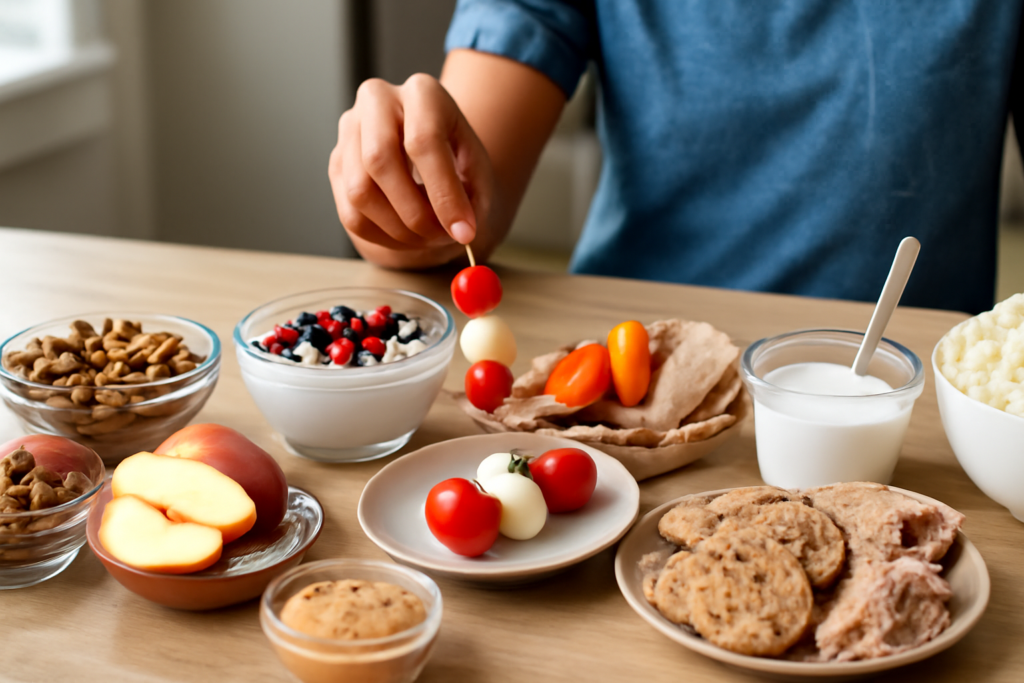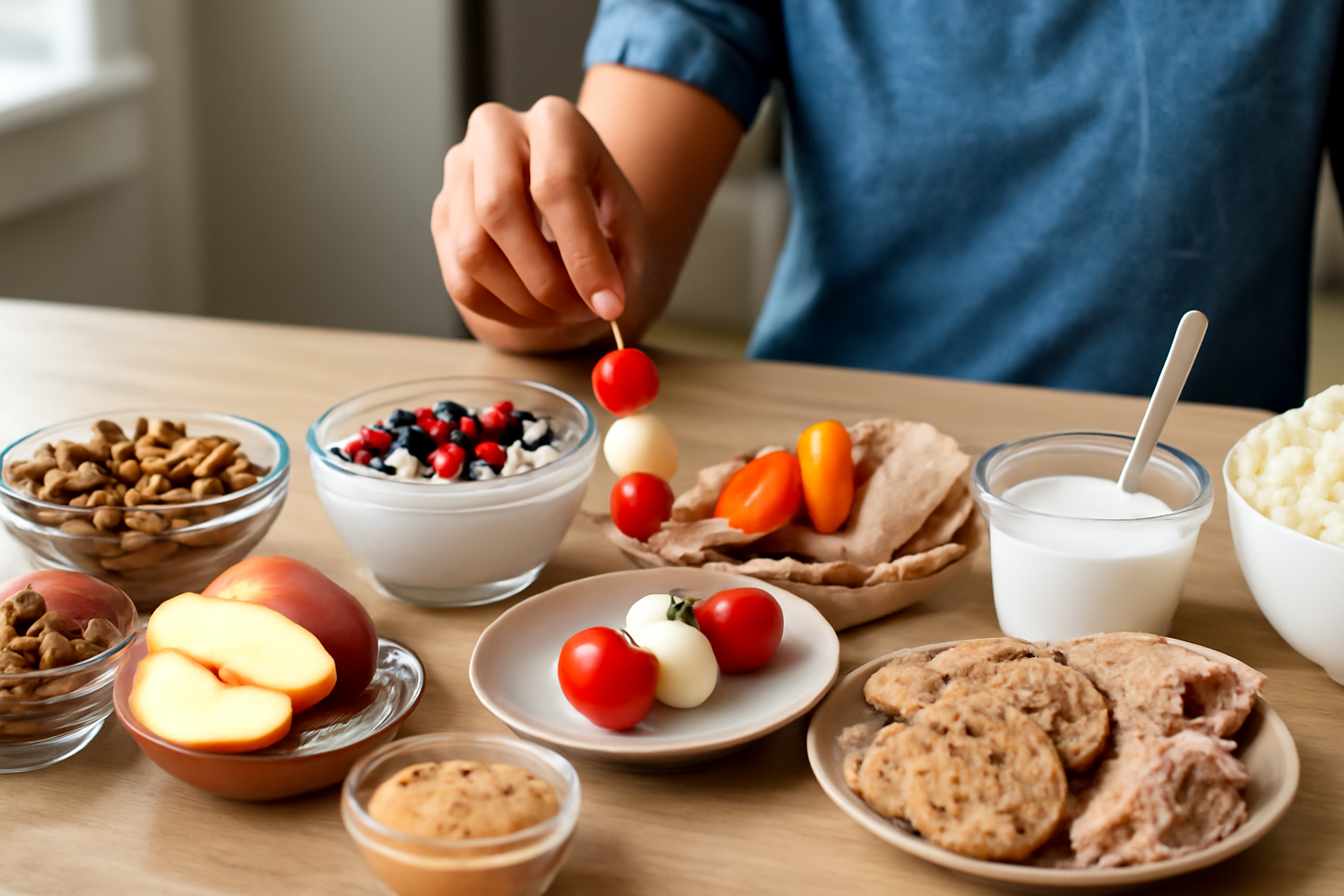

Adolescence is a time of rapid growth, busy schedules, and rising independence. Choosing the right foods between meals can make a big difference for energy, mood, and school performance. That is why healthy snacks for adolescent needs are more than a convenience. They are a tool to support growth, concentration, and recovery from sports or activity.
The Importance Of Nutrition During Adolescence
Teen bodies require more calories and specific nutrients than at almost any other time in life. Protein helps build and repair muscle. Calcium and vitamin D support bone growth. Healthy fats contribute to brain development. When teens miss meals or grab processed options, they miss these building blocks.
Snacks play a key role in modern teen life. Between early classes, after-school practice, and homework, many adolescents rely on small meals to maintain steady blood sugar and focus. Choosing nutrient-dense options keeps energy steady and helps avoid the midafternoon crash that harms attention and mood.
The Problem With Common Snack Choices
Many popular grab-and-go items are high in added sugar and low in vitamins or protein. Snacks can make up roughly a quarter of daily calories for young people, yet they often supply a disproportionate share of added sugars. That pattern can reduce overall nutrient intake and contribute to energy swings.
Frequent consumption of high-sugar, highly processed snacks may lead to fatigue, trouble concentrating, and brain fog. For active teens, missing protein and healthy fats in snack choices can slow muscle recovery and decrease endurance. For school-focused teens, sugar spikes and crashes can hurt test performance and study sessions.
Shifting to healthier alternatives does not mean sacrificing taste or convenience. Simple changes—pairing fruit with nuts, choosing whole-grain crackers with cheese, or keeping single-serve yogurt on hand—can deliver protein, fiber, and healthy fats in compact, portable forms. Parents and teens can plan smarter snacks together and make better choices part of a routine.
Take the 3 minute Memory & Focus assessment and see what may be limiting your cognitive performance.
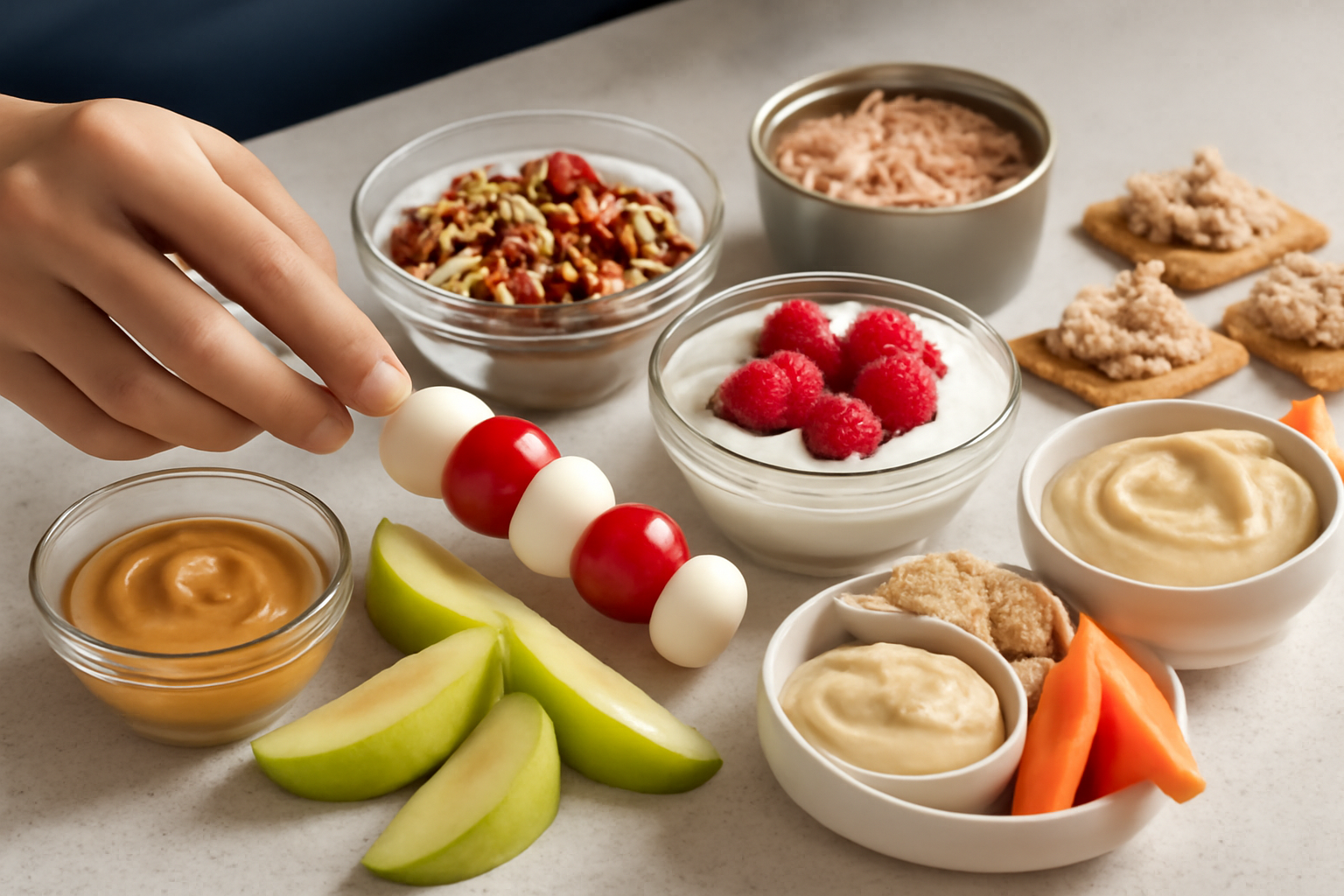
In the next section we will break down the best nutrient-dense components to include in snacks and share practical, teen-friendly ideas that fit backpacks and busy schedules. For more quick tips and recipes, visit the Cenario Blog.
https://cenario.com/blog/memory-and-focus/
Nutrient Targets To Guide Smart Snacking
When building healthy snacks for adolescent needs, aim for balance more than perfection. Use macronutrient targets as a simple guide so each snack supports energy, recovery, and brain function.
Quick macronutrient targets per snack
- Calories: roughly 150 to 300 calories for casual activity; 300 to 400 calories for pre- or post-sports fuel.
- Protein: 8 to 15 grams for regular snacks; 20 to 30 grams after intense exercise.
- Fiber: 3 to 6 grams to slow digestion and keep blood sugar steady.
- Healthy fats: 5 to 12 grams for satiety and brain health.
These ranges help parents and teens pick or build snacks that beat quick sugar hits and sustain attention during class or practice.
Components And Why They Matter
Protein
Protein repairs muscle and helps with long-term focus. For adolescent athletes, protein in snacks speeds recovery and reduces muscle soreness. Choose Greek yogurt, cottage cheese, roasted chickpeas, canned tuna, or sliced turkey. A single cup of Greek yogurt can deliver 12 to 20 grams of protein.
Fiber-rich carbohydrates
Fiber slows glucose release, avoiding steep crashes in energy. Good picks include whole-grain crackers, apple slices with skin, air-popped popcorn, and oats. Aim for at least 3 grams of fiber per snack.
Healthy fats
Fats support brain development and increase satiety. Nuts, seeds, avocado, and natural peanut butter are easy fat sources. Keep portion sizes intentional: a tablespoon of nut butter or a small handful of nuts is usually enough.
Top snack combos for real schedules
Below are portable, teen-friendly options that mix protein, fiber, and healthy fats. Each combo is formatted with approximate calories and why it works.
- Trail mix (1/4 cup): ~200 cal. Nuts, seeds, and dried fruit provide protein, fat, and quick carbs for study sessions.
- Greek yogurt parfait (1 cup yogurt + 1/4 cup berries + 2 tbsp granola): ~250 cal. High protein and antioxidants for focus.
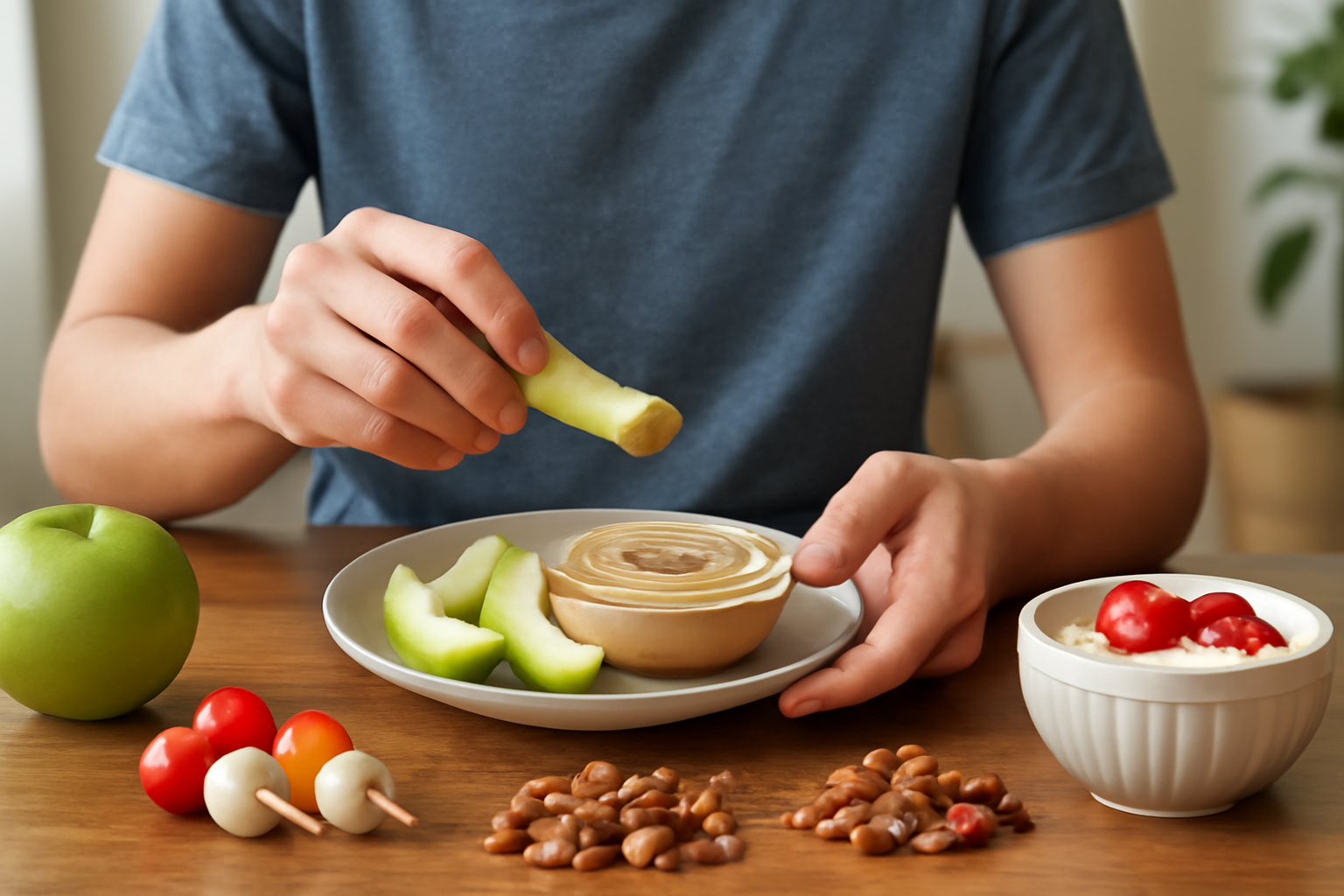
- Apple slices with 2 tbsp almond butter: ~240 cal. Fiber plus healthy fat for steady energy.
- Mozzarella and tomato skewers (2 oz cheese + cherry tomatoes): ~180 cal. Calcium and protein, low sugar.
- Hummus (1/3 cup) with baby carrots and whole-grain pita: ~280 cal. Plant protein and fiber for longer satiety.
- Tuna bites on whole-wheat crackers: ~220 cal. Omega-3 fats and protein that support concentration.
- PB&J chia pudding (single-serve): ~270 cal. Protein, omega-3s, and magnesium from chia seeds for calm focus.
- Air-popped popcorn with parmesan (3 cups): ~150 cal. Whole-grain, low-calorie option for mid-morning snacking.
Snacking For Timing: study, practice, and recovery
Matching snacks to the time of day helps performance and mood.
- Mid-morning: pick a fruit plus a protein small portion to prevent afternoon dips.
- Pre-exercise: choose carbs with some protein 30 to 60 minutes before activity, for example a banana with peanut butter.
- Post-exercise: prioritize protein plus carbs within 30 to 60 minutes after intense training to aid recovery. A yogurt smoothie with fruit and whey or plant protein works well.
Small but practical rules for success
- Pack snacks in portioned containers to avoid overeating and to make choices obvious during busy days.
- Read labels: keep added sugars low and watch saturated fat. Aim for snacks under 10 grams added sugar when possible.
- Account for allergies and dental safety. For schools with nut restrictions, swap nut butter for seed butter or cheese sticks.
- Meal-prep once or twice a week: pre-cut veggies, portion nuts, and batch-make energy bites to save time.
For more recipes and sample weekly snack plans that fit backpacks and sports bags, see the Cenario Blog. These easy swaps and combinations will help make healthy snacks for adolescent routines practical, tasty, and reliable.
,
Practical tips for smart snacking
Small habits make healthy snacks for adolescent routines realistic and repeatable. Use these practical strategies to keep nutritious choices visible, affordable, and appealing to teens who move fast between school, practice, and home.
Make snacks grab-and-go
- Portion into single-serve containers so teens can toss them into backpacks. Use BPA-free tubs, reusable snack bags, or small Mason jars.
- Keep a dedicated snack drawer in the fridge and pantry with labeled zones: protein, fruit/veggies, whole grains, and healthy fats.
- Prep one or two staples on the weekend, such as boiled eggs, hummus cups, or cut veggie sticks, for quick assembly during the week.
Smart shopping and label reading
- When reading labels, compare serving sizes, added sugars, and saturated fat. Aim for snacks with lower added sugar and at least 5 grams of protein or 3 grams of fiber.
- Choose whole foods first: fruit, plain yogurt, nuts, or whole-grain crackers. Swap bars and cookies for whole snacks when possible.
- Create a short grocery list focused on versatile ingredients that can be mixed and matched into several snacks.
Customize for allergies and school rules
- For nut-free schools, use seed butters, cheese sticks, or roasted chickpeas instead of peanut or almond butter.
- Offer soft, tooth-friendly options for teens with dental braces, such as yogurt, smoothies, or mashed avocado on whole-grain toast.
Budget-friendly prep ideas
- Buy in bulk and portion at home to lower cost per serving for nuts, seeds, and dried fruit.
- Use seasonal fruit and frozen berries to cut costs while keeping antioxidant-rich options available year-round.
- Repurpose leftovers as snacks: roasted chicken pieces, a small omelet, or baked sweet potato cups make filling options.
Make snacks fun and habit-forming
- Let teens choose their favorite combos from a curated list of healthy snacks for adolescent needs. Ownership increases compliance.
- Rotate themes: “mexican monday” (hummus, cucumber, whole-wheat tortilla), “trail mix tuesday,” or “smoothie friday” to keep variety high.
- Teach teen-friendly recipe skills like building parfaits, making chia pudding, or prepping energy bites in bulk.
Timing and portion control
Encourage teens to eat a snack 2 to 3 hours after a meal if hunger appears, and 30 to 60 minutes before exercise choose mostly carbohydrates with some protein. For recovery after activity, plan a snack with higher protein within one hour. Use visual portion cues: a tablespoon of nut butter, a handful of nuts, or a half-cup of yogurt.
Conclusion and next steps
Healthy snacks for adolescent life do not need to be complicated. Focus on simple swaps, routine prep, and making nutritious choices visible and appealing. Start with three go-to combos your teen likes, pack them for the week, and adjust based on activity level and taste. Small changes add up to better energy, improved focus, and healthier habits that can last beyond the teen years.
For more snack ideas and step-by-step plans, visit the Cenario Blog where you can find recipes, printable shopping lists, and sample weekly snack plans.
Try one new snack this week and make it a habit. Your teen’s energy and focus will thank you.
Instead of guessing which ingredients might work, use a structured approach.
Cenario builds personalized supplement formulas based on your cognitive profile. The assessment evaluates stress load, sleep quality, symptom type, and mental performance patterns to generate targeted recommendations.
Take the 3 minute Memory & Focus assessment and see what may be limitng your cognitive performance.
Find more guides here
https://cenario.com/blog/memory-and-focus/
Your brain is not generic. Your support should not be either.
Start your personalized focus plan now.
Frequently asked questions
What are the best healthy snacks for adolescent athletes?
Pick snacks with both protein and carbs, such as Greek yogurt with fruit, a turkey sandwich on whole-grain bread, or trail mix with seeds and dried fruit. These healthy snacks for adolescent athletes help recovery and keep energy steady before and after training.
How many calories should healthy snacks for adolescent teens have?
Most snacks can range from 150 to 300 calories for everyday activity, and 300 to 400 calories for pre- or post-sports fueling. Choosing balanced healthy snacks for adolescent needs ensures protein, fiber, and healthy fats are included.
Can healthy snacks for adolescent students really improve concentration?
Yes. Snacks that combine protein, fiber, and healthy fats, like apple slices with nut butter or hummus with veggies, help steady blood sugar and support focus during study periods and exams. If concentration issues persist, it may also help to learn more about attention challenges and support strategies.