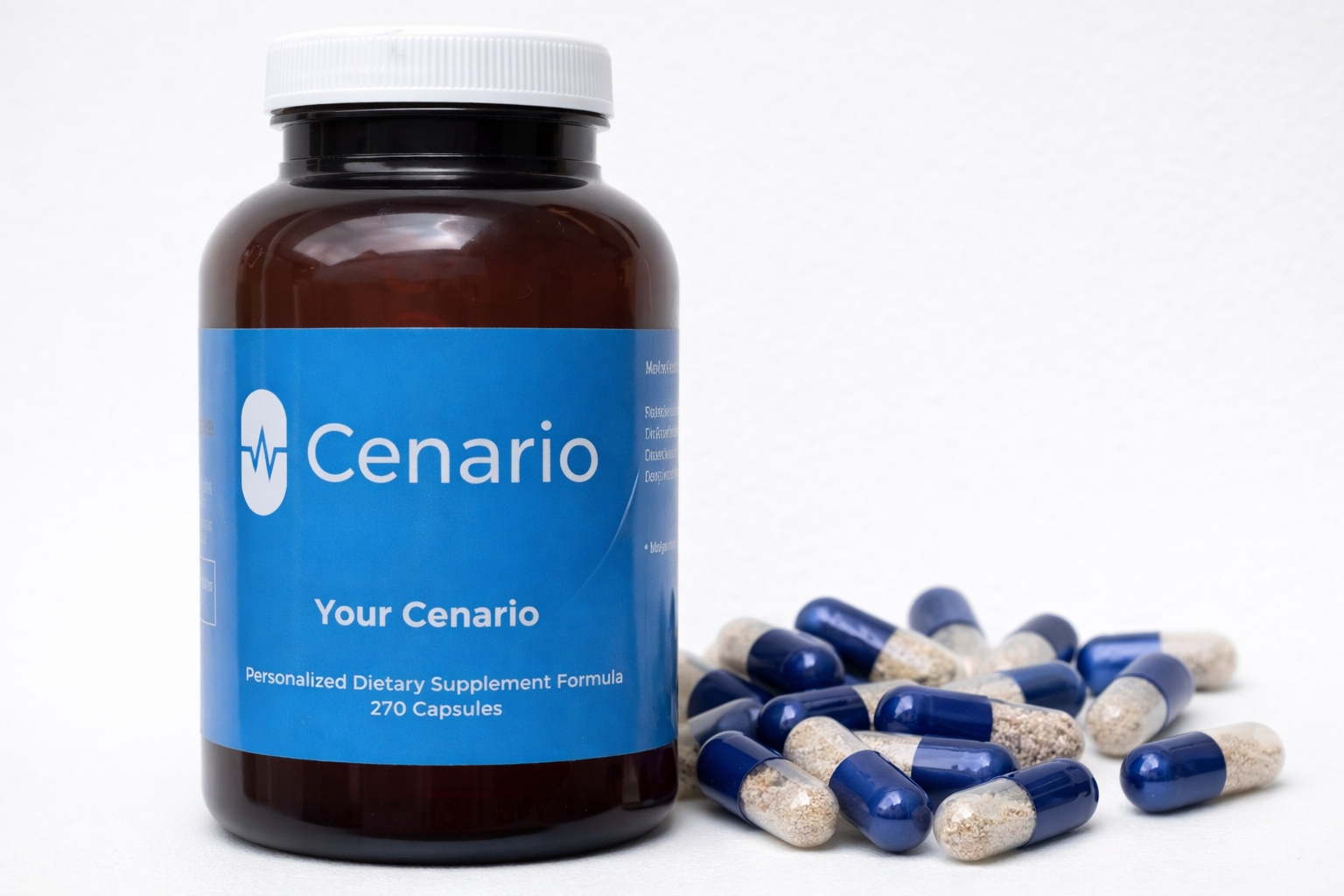
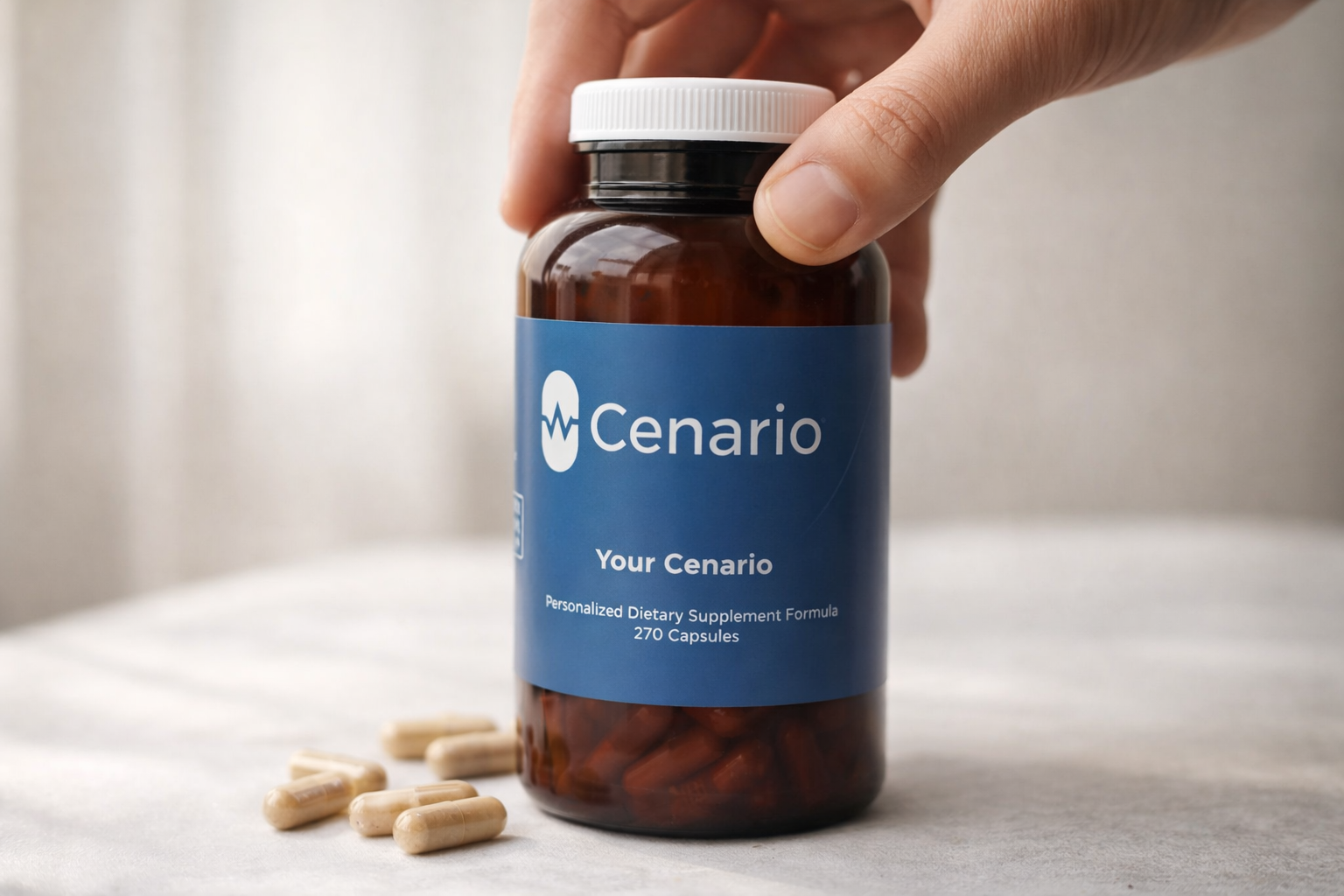
The human brain is a high energy organ. It uses about 20% of your daily calories to power thinking, memory, and mood. That energy demand makes the brain especially sensitive to nutrient gaps. Vitamins play a central role in keeping neurons active, protecting cells from damage, and supporting the chemistry behind learning and emotion. Understanding mind health vitamins is a practical first step toward clearer thinking and steadier moods.
Mind Health Vitamins And Why They Matter

Optimal vitamin levels support mental clarity, mood regulation, and long term cognitive resilience. When certain vitamins are low, people often notice foggy thinking, low energy, or changes in mood. Interest in mind health vitamins has grown as research links specific nutrients to brain pathways that control neurotransmitter production, antioxidant defense, and energy metabolism. At the same time, more consumers are looking for safe, evidence based ways to protect cognitive function across the lifespan.
Thinking about vitamins for brain health is not just a trend. It reflects new scientific findings and a wider focus on preventive wellness. Many clinicians now view basic nutrient screening as part of routine care for people with cognitive complaints or persistent low mood. Still, vitamins are not a cure all. They work best as part of a broader approach that includes diet, sleep, movement, and medical oversight.
What This Post Will Cover
- How key vitamins help brain function in plain language, without heavy jargon
- Which mind health vitamins are most often linked to memory, mood, and cognitive aging
- Who is at higher risk for deficiency and why targeted testing can matter
- Practical next steps for deciding between food first and supplements
This first section sets the stage. In later sections we will dive into the science behind each vitamin and offer practical guidance for testing, food sources, and safe supplementation. The goal is to give clear, trustworthy information so you can make informed choices about mind health vitamins that fit your age, diet, and health status.
If you want to understand what may actually be limiting your cognitive performance, read the full guide here:
https://cenario.com/blog/memory-and-focus

Scientific justification for mind health vitamins
Vitamins support the brain through defined biochemical roles. They act as cofactors for enzymes that build neurotransmitters, protect cells from free radical damage, and keep energy systems running in neurons. When levels are low, these pathways slow down. That can show up as trouble concentrating, unstable mood, or slower memory retrieval.
How vitamins affect brain chemistry
Key processes include:
- Neurotransmitter synthesis. B complex vitamins help make serotonin, dopamine, and GABA, which influence mood and focus.
- Antioxidant defense. Vitamins C and E neutralize oxidative stress that accumulates with age and inflammation.
- Energy metabolism. B vitamins and vitamin D support mitochondrial function so neurons get steady ATP for signaling.
These mechanisms explain why mind health vitamins are linked to better cognitive resilience in many studies. That does not mean vitamins fix every problem, but they are foundational to healthy brain chemistry.
Vitamin-by-vitamin breakdown
B complex
B vitamins work together. Folate, B6, and B12 have complementary roles in methylation reactions that affect mood and memory. Low B12 in particular can cause neurological symptoms, and older adults and those on restrictive diets are at higher risk. Look for active forms such as methylfolate and methylcobalamin if recommended by your clinician.
Vitamin D
Vitamin D has immune modulating and anti-inflammatory effects in the brain. Low vitamin D levels are associated with slower cognitive processing and depressive symptoms in observational studies. People with limited sun exposure, darker skin, or living at high latitudes should consider testing their levels before supplementing.
Vitamin E
Vitamin E acts as a lipid-soluble antioxidant, protecting cell membranes from oxidative damage. Research suggests it may support cognitive health in aging adults. Because it interacts with blood thinning medications, discuss vitamin E with a clinician if you take prescribed anticoagulants.
Vitamin C
Vitamin C is a versatile antioxidant and supports neurotransmitter synthesis. Adequate vitamin C intake helps protect neurons and maintain vascular health, both important for cognition.
Vitamin B12
B12 is crucial for DNA synthesis, myelin maintenance, and neurotransmitter pathways. Deficiency can cause cognitive slowing, numbness, and mood changes. Older adults, those with gastrointestinal conditions, and people following vegan or vegetarian diets should monitor their B12 status regularly, and consider reviewing B12 supplement options with a clinician.
Practical advice for supplementation
Deciding whether to supplement should be based on symptoms, dietary patterns, and test results. Steps to follow:
- Get targeted testing. Common tests include serum B12, 25-hydroxyvitamin D, and basic nutrient panels. Tests reveal actual deficiencies rather than guessing.
- Match symptoms to likely gaps. Persistent fatigue, new memory changes, or mood shifts may point to low B12, D, or folate.
- Choose evidence-based formulations. Active B vitamins and vitamin D3 are often better absorbed than inactive forms, but a clinician can advise what is right for you.
- Consider synergy. Some nutrients work best together, for example folate with B12, or vitamin D with magnesium for activation and balance.
- Watch for interactions. High-dose fat-soluble vitamins can interact with medications. Always review supplements with your prescriber.
Stop stacking random ingredients. Start targeting what your brain actually needs. Take Cenario quiz now!

When to prioritize food first
Whole foods remain the preferred source of brain nutrients. Fatty fish, eggs, legumes, nuts, and leafy greens deliver vitamins in bioavailable forms plus fiber and phytonutrients. Use supplements to correct confirmed shortfalls or when dietary limits make adequacy unlikely.
Consulting a healthcare professional
Before starting any regimen, consult a clinician who can interpret tests and consider your medications and health history. Thoughtful use of mind health vitamins can support cognitive function, but safe, personalized guidance ensures benefits and reduces risk.
Dietary Optimization For Mind Health Vitamins
Food should be the foundation for meeting your needs for mind health vitamins. Whole foods deliver vitamins alongside healthy fats, fiber, and trace minerals that help absorption and boost brain function. When you prioritize nutrient-dense meals, supplements become a targeted tool rather than a daily crutch.
Top Food Sources For Brain-Supporting Vitamins
- Fatty fish (salmon, mackerel): vitamin D and omega-3 fatty acids for cell membranes and anti-inflammatory support.
- Leafy greens (spinach, kale): folate and B vitamins that feed neurotransmitter production.
- Eggs and dairy: B12 and choline, both important for memory and myelin health.
- Legumes and nuts: B6, folate, and vitamin E as antioxidants and methylation cofactors.
- Citrus fruits and bell peppers: vitamin C to protect neurons and support vascular health.
Practical Meal Strategies
Combine sources in the same meal to improve uptake. Example combinations include:
- Salmon with a spinach salad and citrus dressing to pair vitamin D and vitamin C.
- Whole grain toast with avocado and an egg for B vitamins and healthy fats.
- Chickpea and leafy green stew to load folate and B6 in one serving.
Timing matters. Fat-soluble vitamins like vitamin D and E absorb better with a source of dietary fat. If you rely on fortified foods, check labels for bioavailable forms to maximize benefit.
Age-Specific Considerations And When To Test
Different life stages change how your body handles vitamins for brain health. Older adults often absorb nutrients less efficiently, increasing the need for testing and targeted supplementation. In fact, about 78% of adults over 50 take at least one supplement, and roughly 21% use products aimed at cognitive health. Those figures show many people rely on supplements to fill gaps, but testing ensures the right approach.
Older Adults
Key points for later life:
- Check serum B12 and 25-hydroxyvitamin D regularly because absorption can decline with age.
- Consider methylcobalamin or sublingual B12 if absorption is a concern.
- Watch interactions with medications, especially blood thinners and high-dose fat-soluble vitamins.
Younger Adults And Preventive Care
Young adults can benefit from mind health vitamins too. Focus on balanced meals, manage stress, and use supplements only to correct documented shortfalls. Combining B complex vitamins with a healthy lifestyle can support concentration during demanding periods like exams or high-stress jobs.
Synergy And Lifestyle Integration
Some nutrients work better together. Examples include folate with B12 for methylation and vitamin D with magnesium for optimal activation. Lifestyle factors such as sleep, regular exercise, and limiting excess alcohol amplify the effects of mind health vitamins by improving absorption and reducing inflammatory load.
Conclusion And Next Steps
Mind health vitamins are a practical part of a broader strategy to protect cognition and mood. Start with a food-first plan, get targeted testing when symptoms or risk factors appear, and use supplements strategically under clinical guidance. Small, consistent changes in diet and lifestyle often provide the biggest returns for brain health.
Ready to take the next step? Talk with your healthcare provider about testing for B12 and vitamin D, review your diet for gaps, and set a simple, sustainable plan to support your mind with the right vitamins.
Better memory and sharper focus are not about working longer hours. They are about supporting the systems that power attention, learning, and mental clarity.
If you are serious about improving cognitive performance, do not rely on generic “brain pills.”
Read the full guide here:
https://cenario.com/blog/memory-and-focus/
Then take the Cenario assessment and build your personalized Memory & Focus formula.
Your brain is unique. Your support should be too.
Frequently asked questions
What Foods Provide The Most Mind Health Vitamins?
Fatty fish, leafy greens, eggs, legumes, nuts, and citrus fruits are rich in mind health vitamins such as B vitamins, vitamin D, vitamin E, and vitamin C. Combining these foods with healthy fats improves absorption of fat-soluble vitamins.
How Often Should I Test Vitamin Levels For Brain Health?
Testing frequency depends on age and risk. For many adults, checking serum B12 and 25-hydroxyvitamin D annually makes sense, while older adults or those on restrictive diets may need tests more often. Use test results to guide any mind health vitamins supplementation.
Can I Take Multiple Mind Health Vitamins Together Safely?
Many combination approaches are safe, but synergy and interactions matter. For example, folate and B12 complement each other, and vitamin D works best with magnesium. Discuss prescribed medications and existing conditions with a clinician before starting multiple mind health vitamins.
Frequently Asked Questions
What Foods Provide The Most Mind Health Vitamins?
Fatty fish, leafy greens, eggs, legumes, nuts, and citrus fruits are rich in mind health vitamins such as B vitamins, vitamin D, vitamin E, and vitamin C. Combining these foods with healthy fats improves absorption of fat-soluble vitamins.
How Often Should I Test Vitamin Levels For Brain Health?
Testing frequency depends on age and risk. For many adults, checking serum B12 and 25-hydroxyvitamin D annually makes sense, while older adults or those on restrictive diets may need tests more often. Use test results to guide any mind health vitamins supplementation.
Can I Take Multiple Mind Health Vitamins Together Safely?
Many combination approaches are safe, but synergy and interactions matter. For example, folate and B12 complement each other, and vitamin D works best with magnesium. Discuss prescribed medications and existing conditions with a clinician before starting multiple mind health vitamins.