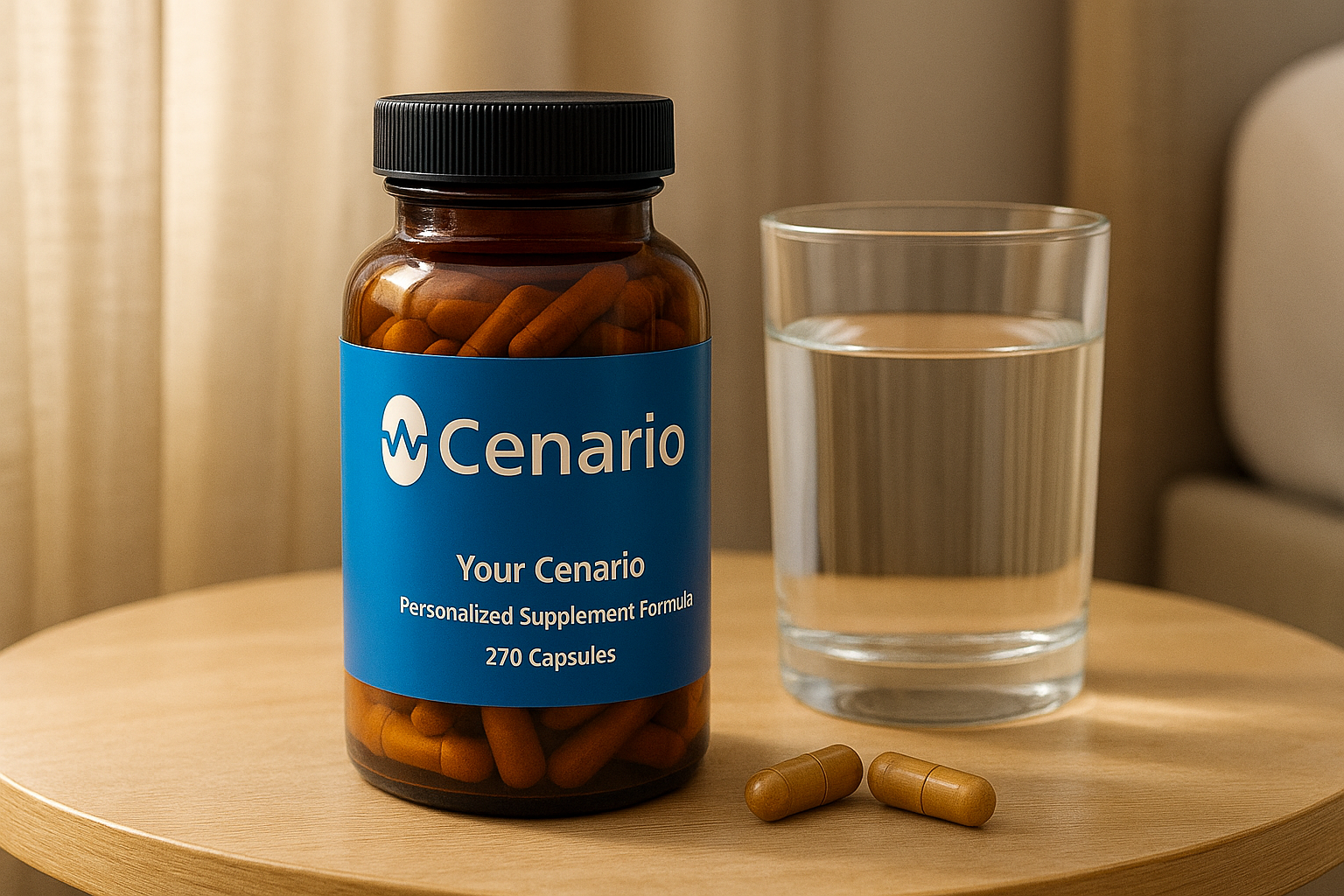

Many people struggle to stay focused in a world full of notifications, tight deadlines, and constant multitasking. That has driven a lot of interest in supplements for better concentration as a way to improve mental clarity and sustain focus through long work sessions or study periods. Choosing the right option can feel overwhelming, so it helps to separate well-supported choices from hype.
Supplements For Better Concentration: An Introduction
Why Concentration Is Hard Today
Modern life asks us to switch tasks often. Each switch costs mental energy and reduces the time we spend in deep focus. Sleep problems, stress, and poor diet make this worse. These factors can make concentration feel like a scarce resource rather than a daily skill.
The Role Of Supplements And Nootropics
Many people turn to nootropics and other supplements for better concentration. Nootropics are compounds that claim to support attention, memory, or brain stamina. Some are vitamins or amino acids. Others are herbal extracts. A key point is that not all products are backed by good evidence. Evidence-based choices matter for safety and real benefit.
What This Post Will Cover
This article looks at supplements for better concentration that have the strongest scientific support. In the next section we will review each option more closely. Highlights include:
- B vitamins and B complex for neurological support
- Bacopa monnieri, an herbal nootropic used in traditional medicine
- L-theanine, often used with caffeine to promote calm focus
- Ashwagandha for stress reduction and clearer thinking
- Magnesium L-threonate and other minerals linked to brain health
- Ginkgo biloba and DMAE, which show mixed but interesting results
- Common choices such as caffeine, omega-3s, and multivitamins
We will classify these options by the strength of the evidence and note typical benefits and concerns. That approach helps you decide whether a supplement fits your goals and health status. Throughout the series, the focus will be on practical, science-based guidance for selecting supplements for better concentration, rather than marketing claims.
In Part 2 we will dive into each supplement, explain how it may affect attention and memory, and outline what the research actually shows. If you want to improve focus safely, the next section will help you weigh options and consider potential interactions before starting any new regimen.
If you are serious about improving cognitive performance, do not rely on generic “brain pills.”
Read the full guide here:
https://cenario.com/blog/memory-and-focus/
Supplements for better concentration: evidence, dosing, and safety
This section goes deeper into how key supplements work, what studies show, and practical guidance for safe use. Below you will find evidence tiers, typical doses, onset times, interactions, and tips for choosing clean products. The goal is to help you pick supplements for better concentration that fit real needs rather than hype.
Evidence tiers: proven, promising, and mixed
- Proven in specific settings – B vitamins for people with deficiency; L-theanine plus caffeine for short-term attention gains.
- Promising with consistent trials – Bacopa monnieri and ashwagandha show benefits after weeks when standardized extracts are used.
- Mixed or inconsistent – Ginkgo biloba and DMAE have variable results in healthy adults and carry more interaction concerns.
B vitamins: role, dose, and timing
B vitamins support neurotransmitter synthesis and energy metabolism in the brain. For concentration, the important ones are B6, B12, and folate. Benefits are clearest when a deficiency exists. Typical approaches:
- B12: 250 to 1,000 mcg daily if deficient; methylcobalamin is a common form.
- B6: keep under 100 mg daily to avoid nerve risk from long-term high doses.
- Complex vitamins: daily use, effects on cognition may take weeks to months if correcting a shortfall.
Bacopa monnieri: how it helps and what to expect
Bacopa appears to improve working memory and recall by modulating cholinergic systems and antioxidant pathways. Key points:
- Standardized extracts with 45 to 55 percent bacosides are used in trials.
- Common dose: 300 to 450 mg per day, often split. Benefits typically appear after 6 to 12 weeks.
- Side effects: mild digestive upset for some users. Not recommended with certain sedatives without medical advice.
Stop stacking random ingredients. Start targeting what your brain actually needs.

L-theanine with caffeine: fast-acting calm focus
The combination of L-theanine and caffeine is one of the most reliable stacks for short-term concentration. L-theanine promotes relaxed alertness and can reduce jitteriness from caffeine.
- Typical pairing: 100 to 200 mg L-theanine with 50 to 100 mg caffeine.
- Onset: within 30 to 60 minutes. Ideal for study sessions or focused work periods.
- Safety: avoid large caffeine doses if you are sensitive or have cardiac conditions.
Ashwagandha: stress reduction that aids focus
Ashwagandha reduces cortisol and can improve attention indirectly by lowering anxiety. Standardized root extracts are most studied.
- Common dose: 300 to 600 mg daily of a standardized extract.
- Onset: measurable stress reduction in 4 to 8 weeks; cognitive gains follow as stress falls.
- Interactions: check with a clinician if you take thyroid medication or sedatives.
Magnesium L-threonate, ginkgo, and DMAE: what to know
- Magnesium L-threonate – designed to increase brain magnesium levels. Dosing in studies varies, often 1 to 2 grams; potential benefit for cognitive stamina but evidence is still emerging.
- Ginkgo biloba – shows mixed effects. It may help older adults or those with cognitive impairment, but results are inconsistent for healthy under-60s. It can increase bleeding risk with anticoagulants.
- DMAE – used for alertness. Doses reported range from 500 to 2,000 mg, but avoid in pregnancy and in people with schizophrenia. Evidence quality is limited.
Practical selection and safety checklist
- Prefer third-party tested brands with certificates of analysis to reduce risk of undeclared stimulants.
- Start with one change at a time to judge effects and side effects.
- Consider timing: caffeine stacks are for immediate sessions; bacopa and B vitamins need weeks of consistent use.
- Talk to a healthcare professional if you take prescription drugs, have medical conditions, or are pregnant.
Final note on using supplements for better concentration
Supplements can be useful tools when chosen carefully and used alongside sleep, nutrition, and stress management. Focus on evidence-backed options and safe dosing. If results are modest, reassess goals and medical factors that may underlie concentration problems.
Additional Supplements And Practical Strategies
After reviewing individual ingredients, it helps to look at how certain supplements can be used together, how to pick clean products, and what to expect when you add supplements for better concentration into your routine. These practical steps reduce risk and improve the chance of a real benefit.
Caffeine Combinations And Timing
Caffeine remains one of the most reliable acute enhancers of alertness. Combining caffeine with L-theanine smooths out stimulatory effects and often improves sustained attention. For most people, try lower caffeine doses earlier in the day to avoid sleep disruption. Use this pairing for short study blocks or demanding work sessions rather than daily replacement for sleep or rest.
Multivitamins, Omega-3s, And Long-Term Brain Support
Multivitamins and omega-3 fatty acids support overall brain health. Omega-3s, especially EPA and DHA, are associated with memory and slower age-related change when taken consistently. Multivitamins can correct subclinical shortfalls that impair concentration. These are not quick fixes. Expect subtle benefits over months, and view them as baseline support rather than rapid enhancement.

Other Notable Ingredients And How To Use Them
- Huperzine A – A cholinesterase inhibitor with potential for memory support. Use cautiously because effects can last long and dosing varies.
- Lutein and Zeaxanthin – Known for eye health, they may support neuronal plasticity and visual processing tied to attention.
- Stacking – Pair fast-acting options like caffeine + L-theanine for immediate focus with long-term agents such as bacopa or B vitamins. Introduce one ingredient at a time so you can judge effects.
Safety, Quality, And Red Flags To Watch
Choosing safe supplements for better concentration requires vigilance. Follow this checklist before buying or using a product:
- Pick brands with third-party testing or certificates of analysis.
- Avoid products that list vague proprietary blends without clear doses.
- Be wary of ingredients that are banned, poorly studied, or associated with adverse events, such as unlisted stimulants or high-dose extracts.
- Check for interactions with prescription drugs. Blood thinners, thyroid medication, and psychiatric drugs commonly interact with herbal nootropics.
- Consider cycling stimulant-based products to limit tolerance and sleep disruption.
Monitoring Results And When To Reassess
Set measurable goals when you try supplements for better concentration. Track work output, study duration, or standardized attention checks. Give time-based agents like bacopa or B vitamins at least 6 to 12 weeks at recommended doses. For acute stacks, note onset and any unwanted effects within hours. If you see no benefit or experience side effects, stop the supplement and consult a clinician.
Final Thoughts And Next Steps
Supplements for better concentration can be useful when chosen carefully and used alongside sleep, diet, and stress management. Favor evidence-backed ingredients, buy transparent brands, and test one change at a time. If you are unsure where to start, consider a low-dose caffeine plus L-theanine stack for immediate focus and add a multivitamin or omega-3 for long-term support. Track results, consult your healthcare provider, and prioritize lifestyle foundations first. Take one small, informed step today toward clearer focus and better work sessions.
If you are serious about improving cognitive performance, do not rely on generic “brain pills.”
Read the full guide here:
https://cenario.com/blog/memory-and-focus/
Then take the Cenario assessment and build your personalized Memory & Focus formula.
Your brain is unique. Your support should be too.
Frequently asked questions
What Are Nootropics And How Do They Differ From Regular Supplements?
Nootropics are compounds marketed to improve cognitive functions such as memory or attention. Many nootropics overlap with standard vitamins and amino acids, but they are often pursued specifically for mental performance. When choosing supplements for better concentration, look for clear evidence and dosing rather than hype.
Are Supplements For Better Concentration Safe With Prescription Medications?
Some supplements can interact with prescription drugs. Always tell your clinician about any supplements for better concentration you plan to use, especially if you take blood thinners, thyroid medicine, antidepressants, or stimulants.
Can Supplements For Better Concentration Replace A Healthy Diet And Sleep?
No. Supplements for better concentration can support brain function but do not replace good sleep, a balanced diet, hydration, and stress management. Treat supplements as complementary tools rather than substitutes for healthy habits.
Are Supplements For Better Concentration Safe For Children And Teenagers?
Many products lack safety data for younger people. Do not give supplements for better concentration to children or teenagers without advice from a pediatrician. Some ingredients may affect development or interact with other treatments.
Frequently Asked Questions
What Are Nootropics And How Do They Differ From Regular Supplements?
Nootropics are compounds marketed to improve cognitive functions such as memory or attention. Many nootropics overlap with standard vitamins and amino acids, but they are often pursued specifically for mental performance. When choosing supplements for better concentration, look for clear evidence and dosing rather than hype.
Are Supplements For Better Concentration Safe With Prescription Medications?
Some supplements can interact with prescription drugs. Always tell your clinician about any supplements for better concentration you plan to use, especially if you take blood thinners, thyroid medicine, antidepressants, or stimulants.
Can Supplements For Better Concentration Replace A Healthy Diet And Sleep?
No. Supplements for better concentration can support brain function but do not replace good sleep, a balanced diet, hydration, and stress management. Treat supplements as complementary tools rather than substitutes for healthy habits.
Are Supplements For Better Concentration Safe For Children And Teenagers?
Many products lack safety data for younger people. Do not give supplements for better concentration to children or teenagers without advice from a pediatrician. Some ingredients may affect development or interact with other treatments.