
Supplements for cognitive health are a popular topic for people who want to keep their minds sharp as they age or handle busy, demanding lives. From students pulling long study sessions to older adults aiming to preserve memory, the idea of boosting brain function with pills or powders is attractive. At the same time, the science is mixed, and consumers face a crowded market of products with bold claims.
Understanding Cognitive Health
Cognitive health refers to how well a person thinks, learns, remembers, and makes decisions. Strong cognitive function supports daily tasks, work performance, social interactions, and independence in later life. As people live longer, preserving cognitive health becomes a public health priority. Small declines in memory or processing speed can affect quality of life and increase concern about future impairment.
Interest in supplements for cognitive health has grown for several reasons:
- An aging population seeking preventive options
- Increased awareness of lifestyle factors that affect the brain
- Marketing that promises quick cognitive gains
The Quest For Cognitive Enhancement
The search for safe, effective ways to support thinking is long-standing. Historically, people turned to herbs and tonic recipes. Today, the market includes a wide range of products aimed at cognition. Common categories found on store shelves and in research are:
- Multivitamins and mineral blends
- Nootropic blends marketed for focus and memory
- Omega-3 fatty acids such as DHA
- Antioxidants including vitamin C and lipoic acid
- B vitamins, phospholipids, and creatine
Many of these supplements are easy to buy and promise benefits from improved attention to slower age-related decline. That accessibility fuels demand, but it also increases the risk that people will rely on supplements without solid evidence or medical advice.
If you are serious about improving cognitive performance, do not rely on generic “brain pills.”
Read the full guide here:
https://cenario.com/blog/memory-and-focus/
Setting The Stage: Evidence Versus Hype
Evaluating supplements for cognitive health requires careful attention to scientific evidence. Randomized controlled trials, population studies, and systematic reviews do not always agree. Some products show promising findings in specific groups or short trials, while others fail to demonstrate meaningful benefits in larger or longer studies.
Key points to consider when weighing claims:
- Who was studied – younger adults, middle-aged people, or older adults
- Study length and the outcomes measured
- Dosage, formulation, and bioavailability of the ingredient
This post will walk through the balance between what studies suggest and where evidence is weak or inconsistent. In the next section, we examine specific supplements that show promise and those with limited or mixed results so you can make informed choices about supplements for cognitive health.
Supplements that show promise
Some supplements for cognitive health have stronger trial data than others. A large randomized trial found that a daily multivitamin slowed age related cognitive decline in older adults, with measurable differences on neuropsychological tests after about one year. That effect is modest, but it is one of the clearer signals in clinical research and may be most relevant for people over 65.
Targeted nootropics and product trials
Certain branded nootropic blends have shown improvements in small, controlled trials. For example, a six week randomized trial in young adults reported better verbal memory and some executive function gains compared with placebo. These results are promising, but they come from a single, product specific study with a limited number of participants. Replication in larger, independent trials is needed before recommending these products widely.
Antioxidants with specific effects
Several antioxidant compounds have delivered positive signals in controlled tests. Oral vitamin C has been associated with improved attention in short term studies. Resveratrol showed cognitive benefits in some middle aged and older female participants at defined doses. Lutein and zeaxanthin supplements have been linked to better memory and attention in trials that measured both retinal levels and cognitive performance. Key caveats are dose and bioavailability. Many antioxidants perform differently depending on formulation and how well the body absorbs them.
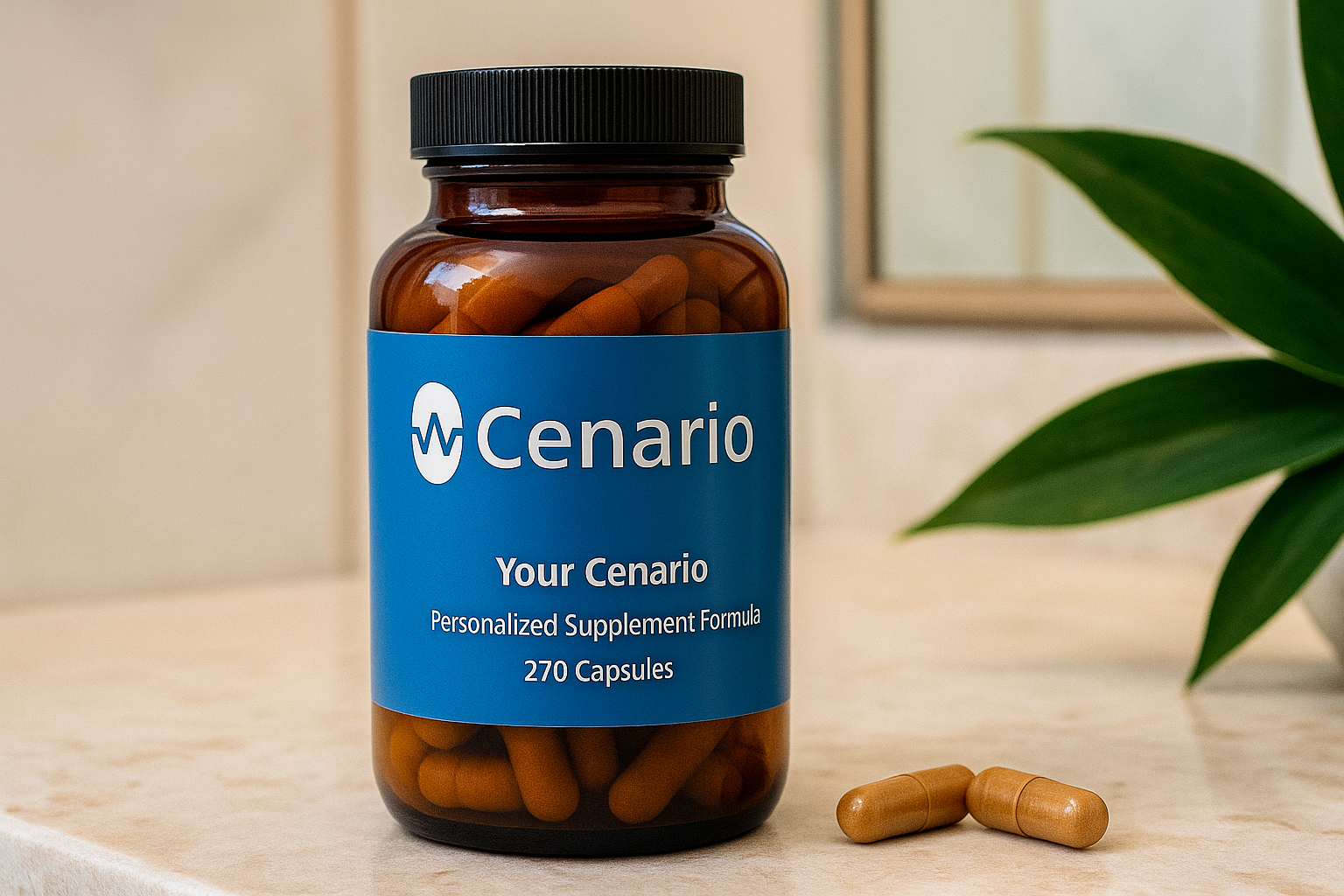
Stop stacking random ingredients. Start targeting what your brain actually needs.
https://cenario.com/quiz
Supplements with mixed or limited evidence
Other popular options show inconsistent results across trials, which makes it hard to draw firm conclusions about benefits for cognition.
B complex vitamins
B vitamins, including B6, folate, and B12, have mixed outcomes. Some long term studies suggest small improvements in global cognition for certain groups, but large reviews report many null findings or effects too small to be clinically meaningful. Benefits appear more likely when deficiency is corrected, rather than from routine high dose supplementation in people with normal B vitamin status.
Omega 3 fatty acids and phospholipids
Omega 3s, especially DHA, have strong biological rationale, yet trials in people with established Alzheimer’s disease generally fail to show cognitive benefit. Results vary by population and disease stage, so findings in healthy adults or early decline may differ from trials in Alzheimer’s disease. Phospholipid supplements such as phosphatidylserine have produced positive signals in small studies of older adults with memory complaints, but inconsistent dosing and small samples limit confidence.
How to evaluate claims and reduce harm
When assessing any supplement for brain health, focus on four practical criteria:
- Evidence level: Prefer randomized, placebo controlled trials that report specific cognitive outcomes and p values.
- Dose and formulation: Check that the trial dose matches the product label and consider bioavailability factors.
- Population studied: Benefits seen in young adults or people with deficiency may not apply to everyone.
- Safety and interactions: Supplements can interact with medications and produce side effects, so consult a healthcare professional before starting.
Practical recommendations for readers
Rather than chasing a single “magic” pill, use supplements as one part of a broader plan for brain health. Practical steps include:
- Prioritize proven lifestyle measures: regular aerobic exercise, a balanced diet rich in whole foods, quality sleep, and cognitive engagement.
- Consider a daily multivitamin if you are older or have limited diet variety, since trial data show modest slowing of decline in older adults.
- Be cautious with product specific nootropics: expect limited evidence, and avoid high dose stacks without medical input.
- Watch for quality markers: third party testing, transparent dosing, and clear ingredient lists rather than proprietary blends.
In short, some supplements for cognitive health show real promise in specific settings, but many popular options still lack strong, consistent evidence. Use science as your guide, manage expectations, and prioritize lifestyle first when protecting brain function over the long term.
Skepticism And Clinical Warnings
Despite some positive trials, experts remain cautious about supplements for cognitive health. Major consumer groups and medical centers point out that many products lack consistent evidence, and some marketing stretches small trial results into broad claims. That means consumers should approach new formulas with healthy skepticism and prioritize safety.
What Clinicians Often Advise
Healthcare providers typically recommend addressing clear deficiencies first. For example, correcting low B12 or vitamin D can improve cognitive symptoms tied to deficiency. For most people without deficiency, routine high dose supplements rarely produce large gains. Clinicians also warn about interactions with prescription drugs and the potential for side effects, especially in older adults.
Regulation And Quality Concerns
Supplements are not regulated like medicines. Product labels may not match what is in the bottle, and proprietary blends can hide exact doses. Choosing brands that use third party testing, transparent labeling, and standardization helps reduce risk. Keep in mind that more expensive does not always mean better quality.
Product Trials And Why Replication Matters
Individual product trials can be useful, but a single positive study is not proof. Branded nootropic trials often have small samples and short follow up. Replication in larger, independent randomized trials is required to confirm benefit and safety. Until then, treat product-specific results as preliminary evidence rather than a guarantee.
How To Use Supplements Safely And Effectively
Supplements for cognitive health can be an adjunct to lifestyle, not a replacement. Use a cautious, evidence-based approach if you choose to try them.
Practical Steps Before You Start
- Talk to your primary care clinician or pharmacist about medications and existing conditions.
- Ask for simple blood tests when appropriate – for B12, folate, vitamin D, and thyroid function.
- Choose products with transparent ingredient lists and third party verification when possible.
- Match doses to those used in clinical trials rather than following vague label claims.
- Start one product at a time so you can monitor effects and side effects.
Monitoring Benefit And Safety
Set measurable goals and track changes over weeks to months. Short memory tests, daily function checklists, or notes about sleep and mood give a clearer picture than expecting immediate improvement. If you notice adverse effects or no change after a reasonable trial period, stop the supplement and consult your clinician.
Conclusion And Next Steps
Supplements for cognitive health offer some promising signals, especially multivitamins in older adults and certain antioxidants in targeted groups. However, many products lack strong, replicated evidence, and quality varies across the market. Use supplements cautiously, focus first on sleep, nutrition, exercise, and mental engagement, and consult a healthcare professional before beginning any regimen.
If you are considering supplements, start with an evidence-informed plan, monitor outcomes, and prioritize safety. Small, informed steps will protect your health and help you find what, if anything, adds value to your cognitive routine.
Ready to take the next step? Talk with your clinician about testing for deficiencies, review product quality, and plan a monitored trial period to see if a supplement fits your health goals.
If you are serious about improving cognitive performance, do not rely on generic “brain pills.”
Read the full guide here:
https://cenario.com/blog/memory-and-focus/
Then take the Cenario assessment and build your personalized Memory and Focus formula.
https://cenario.com/quiz/
Your brain is unique. Your support should be too.
Frequently asked questions
Do cognitive supplements really work?
Some supplements for cognitive health show promise in specific settings – for example a daily multivitamin in older adults or targeted antioxidants at defined doses. However, many supplements lack replicated, large trials, so benefits are often modest or uncertain.
Are there risks when taking supplements for cognitive health?
Yes. Supplements for cognitive health can interact with prescription medications, cause side effects, or worsen conditions if taken inappropriately. Always check with a clinician and choose products with clear labeling and third party testing.
How long should I try a supplement before judging its effect?
Expect to monitor supplements for at least 8 to 12 weeks for measurable change, and longer for age related outcomes. When testing supplements for cognitive health, use consistent measures and stop a product if there is no benefit or if you experience adverse effects.
Frequently Asked Questions
Do cognitive supplements really work?
Some supplements for cognitive health show promise in specific settings – for example a daily multivitamin in older adults or targeted antioxidants at defined doses. However, many supplements lack replicated, large trials, so benefits are often modest or uncertain.
Are there risks when taking supplements for cognitive health?
Yes. Supplements for cognitive health can interact with prescription medications, cause side effects, or worsen conditions if taken inappropriately. Always check with a clinician and choose products with clear labeling and third party testing.
How long should I try a supplement before judging its effect?
Expect to monitor supplements for at least 8 to 12 weeks for measurable change, and longer for age related outcomes. When testing supplements for cognitive health, use consistent measures and stop a product if there is no benefit or if you experience adverse effects.