
Every day asks more of our attention, memory, and mental stamina. With tighter schedules, remote work, and longer careers, many people notice more days with brain fog, slower recall, or trouble staying focused. That has pushed interest in vitamins to boost brain power, not as quick fixes but as part of steady, evidence-based strategies to protect thinking skills over time.
Why Brain Health Matters Now
Cognitive performance matters for work, relationships, and quality of life. Aging populations are increasingly concerned about memory loss and cognitive decline. Younger adults report brain fog linked to stress, poor sleep, or nutrient gaps. All of this fuels searches for vitamins to boost brain power that can help sharpen attention, support memory, and reduce the risk of decline when deficiencies are present.
Nutrition And The Rise Of Supplement Interest
Nutrition plays a central role in brain function. That includes whole foods and targeted micronutrients. Interest in vitamins to boost brain power has grown alongside studies that test B vitamins, Vitamin C, Vitamin D, and multivitamin formulas for cognition. People are curious about supplements because trials have shown benefits mainly when deficiencies exist or when combinations target pathways like homocysteine reduction, antioxidant protection, or neuronal support.
If you are serious about improving cognitive performance, do not rely on generic “brain pills.”
Read the full guide here:
https://cenario.com/blog/memory-and-focus/

What This Post Will Cover
The goal here is simple. You will get a clear, evidence-based look at the top vitamins to boost brain power and practical ideas for getting them from food and supplements. Later sections will examine B vitamins, Vitamin C, Vitamin D, and multivitamins in more detail, explain synergistic pairings such as combining vitamins with omega-3s (EPA and DHA) or magnesium, and offer safe, realistic ways to include these nutrients in daily life.
This introduction sets expectations without promising miracle results. Vitamins to boost brain power are most useful when they address real nutritional gaps, support known biological pathways, and are part of a broader plan that includes sleep, exercise, and medical guidance. If you are concerned about memory or persistent brain fog, a healthcare professional can test for deficiencies and recommend the right mix of diet, supplements, and lifestyle changes.
B vitamins: mechanisms, evidence, and practical dosing
B6, B12, and folate work together to lower homocysteine, an amino acid linked to vascular damage and cognitive decline. Randomized trials show that sustained folic acid at 400 µg per day over 24 months can improve certain cognitive measures and reduce biomarkers associated with Alzheimer pathology. Other trials find that folic acid combined with B12 can boost full scale and verbal IQ subscores in middle-aged and older adults.
Practical dosing and forms matter. Older adults and people with absorption issues may not absorb B12 from food well because of reduced intrinsic factor. In those cases, sublingual B12, high-dose oral B12, or injections may be needed after testing. For folate, methylfolate can be preferable for people with MTHFR gene variants because it bypasses some conversion steps. Long-term excess B6 can cause sensory neuropathy at very high doses, so avoid chronic intakes above 100 mg daily unless supervised.
Food sources and tips
- Lean meat, fish, eggs, and dairy are reliable B12 sources.
- Leafy greens, legumes, and fortified grains provide folate.
- Poultry, potatoes, and bananas supply B6.
When to test
Ask a clinician for blood tests if you suspect deficiency: serum B12, methylmalonic acid when B12 is borderline, folate, and homocysteine levels give a clearer picture of functional status.
Vitamin C: antioxidant support and neurotransmitter roles
Vitamin C is a potent antioxidant in the brain and an essential cofactor for enzymes that synthesize neurotransmitters such as dopamine and norepinephrine. Several clinical studies report improved cognitive performance in older adults with adequate vitamin C status, sometimes with quick measurable benefits on attention and memory tests.
Diet is the best first step. Adults typically need 75 to 90 mg per day from food, but higher intakes from fruit and vegetables are common and safe. Supplement doses up to 500 to 1,000 mg daily are generally well tolerated for short periods. The tolerable upper intake level is 2,000 mg per day, beyond which gastrointestinal side effects increase.
Vitamin D: who benefits and how to combine it
Vitamin D influences brain cell signaling, inflammation, and neurotrophic factors. Evidence for cognitive benefits is mixed. Benefits most often appear in people who are deficient. For those individuals, correcting deficiency with supplements can support mood and cognitive outcomes.
Typical corrective doses range from 800 to 2,000 IU daily, but optimal dosing should follow a 25-hydroxyvitamin D blood test. Because vitamin D is fat soluble, absorption improves when taken with a meal containing fat. Combining vitamin D with magnesium and omega-3 DHA has shown better outcomes in some trials than taking vitamin D alone.
Multivitamins and large-scale trial results
Large randomized trials that test daily multivitamin formulas with 20 or more micronutrients show modest but consistent benefits for memory and global cognition in older adults. The COSMOS trial found that a daily multivitamin slowed cognitive aging by roughly two years compared with placebo for older participants in the in-clinic arm. These effects are preventative and modest, not cures for dementia, and work best as part of an overall healthy plan.
Combining vitamins with omega-3s and magnesium
Synergy matters. Trials that pair B vitamins with DHA or magnesium report larger cognitive gains than single nutrients alone. B vitamins reduce homocysteine, protecting blood vessels, while DHA supports neuronal membranes and signaling. Magnesium improves synaptic function and helps vitamin D activity. Consider a combined regimen when testing shows deficiencies or when a clinician recommends it.
Practical tips for safe, effective use
- Prioritize whole foods first and use supplements to fill gaps.
- Get baseline blood tests for B12, folate, vitamin D, and homocysteine when concerned about memory or if you are older than 60.
- Choose evidence-based forms: methylfolate for MTHFR variants, reliable B12 formulations, and reputable multivitamin brands with 20+ micronutrients.
- Watch doses: avoid chronic mega-doses of B6; test before high-dose vitamin D therapy.
- Talk to a healthcare professional about interactions with medications and absorption issues like pernicious anemia or gastrointestinal conditions.
Using vitamins to boost brain power works best when targeted to measured needs, combined with omega-3s and magnesium when appropriate, and integrated into a routine of good sleep, exercise, and medical oversight. Small, evidence-backed changes can preserve memory and thinking over years, especially in people with identified nutrient gaps.
Combining Vitamins To Boost Brain Power
Combining vitamins can produce effects greater than single nutrients alone when the pairing targets different biological pathways. For example, lowering homocysteine with B vitamins and supporting neuronal membranes with omega-3 DHA address vascular and structural drivers of cognitive decline. Likewise, vitamin D and magnesium work together because magnesium supports vitamin D activation and both influence inflammation and synaptic health.
Stop stacking random ingredients. Start targeting what your brain actually needs.
How Synergy Works
Synergy comes from complementary actions. Key patterns to know:
- B vitamins help methylation and lower homocysteine, protecting blood vessels that feed the brain.
- Omega-3s like DHA support membrane fluidity and neurotransmission, improving signal strength.
- Antioxidants such as vitamin C protect neurons from oxidative stress created during normal brain activity.
- Minerals like magnesium support receptor function and aid vitamin D metabolism.
Clinical Patterns Worth Noting
Randomized trials tend to show larger cognitive effects when supplements are combined and taken over months to years, especially in people with low baseline nutrient levels. That means targeted combinations are most logical when lab tests confirm a deficiency or functional need. Avoid blanket high-dose stacks without medical advice because benefits hinge on correcting insufficiencies rather than exceeding physiologic needs.
Practical Tips For Incorporation
Turning evidence into a usable routine requires attention to timing, form, and safety. Below are practical steps you can take today to use vitamins to boost brain power responsibly.
Selecting Forms And Reading Labels
- Prefer active forms when available: methylfolate instead of folic acid for MTHFR variants, methylcobalamin or hydroxocobalamin for better B12 support.
- Look for multivitamins that list 20+ micronutrients and provide realistic, not megadose, amounts.
- Choose omega-3 supplements that specify DHA content; a combined approach often works better than isolated nutrients.
Daily Routines And Timing
- Take fat-soluble vitamins such as D with a meal that contains fat for better absorption.
- Split B-complex doses across the day if higher doses cause nausea or sleep disruption.
- If you take multiple pills, start one new supplement at a time for a few weeks to monitor tolerance and perceived effects.
Safety, Testing, And When To See A Clinician
Get baseline blood tests for B12, folate, vitamin D, and homocysteine if you are over 60, have chronic gastrointestinal conditions, or notice persistent memory problems. A clinician can recommend targeted supplementation, adjust doses, and watch for interactions with medications such as metformin or acid-suppressing drugs that affect absorption. Recheck labs after three to six months when correcting deficiencies.
Final Thoughts And Next Steps
Vitamins to boost brain power are best viewed as part of a long-term brain maintenance plan. They work most reliably when used to correct deficiencies and when combined thoughtfully with omega-3s and minerals like magnesium. Prioritize whole foods first, use evidence-based supplements to fill gaps, and involve a healthcare professional for testing and dose guidance.
If you want practical help, start by scheduling a simple blood panel and listing your current supplements and medications. That preparation makes conversations with clinicians more productive and helps you choose the right vitamin plan for sustained cognitive health. Take the next step for your brain today and build a plan that fits your life.
If you are serious about improving cognitive performance, do not rely on generic “brain pills.”
Read the full guide here:
https://cenario.com/blog/memory-and-focus/
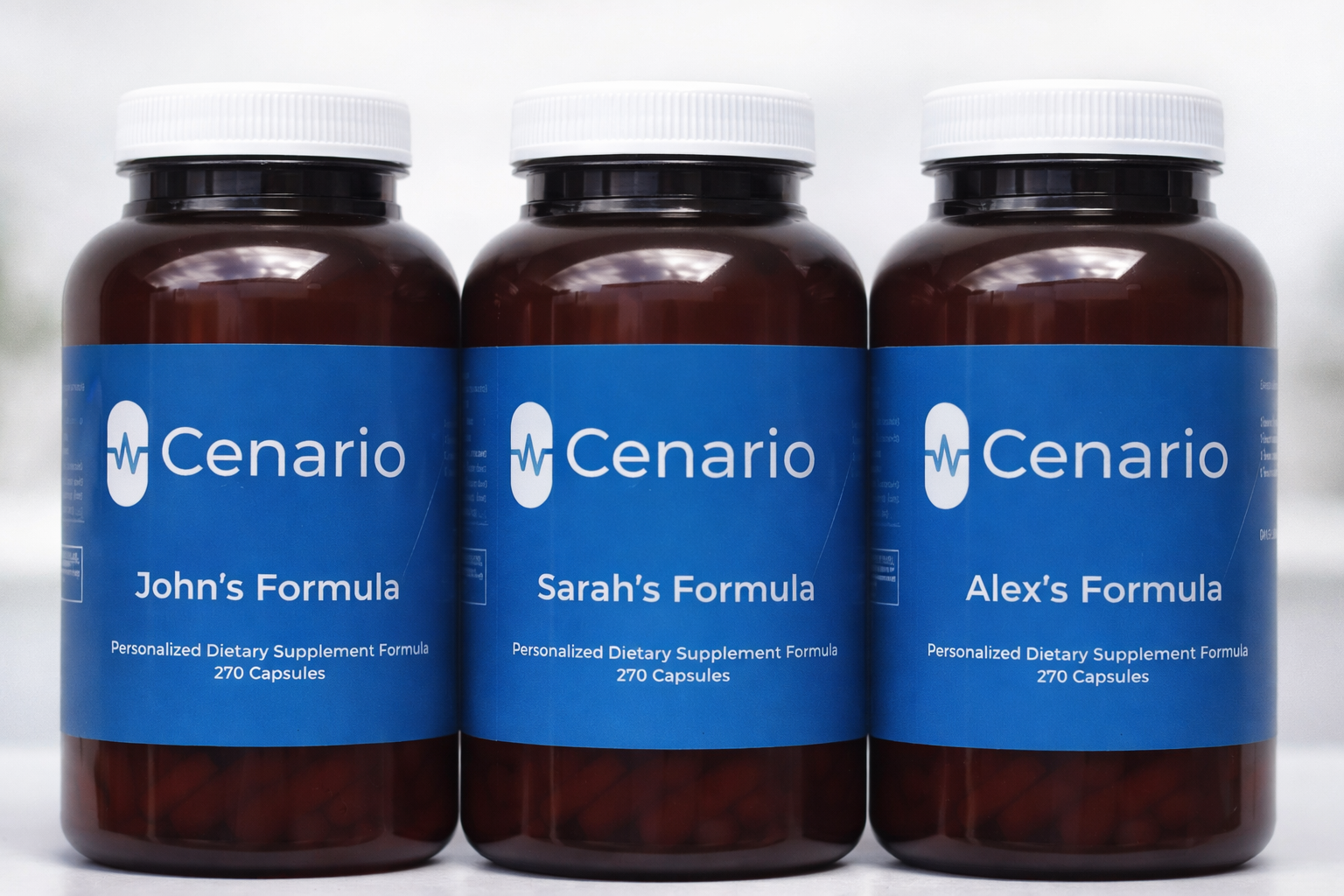
Then take the Cenario assessment and build your personalized Memory & Focus formula.
Your brain is unique. Your support should be too.
Frequently asked questions
Can I safely combine several vitamins to boost brain power at once?
Yes, but only when combinations are chosen to address identified needs. Combining B vitamins with DHA or magnesium can be effective, yet you should consult a clinician to avoid excessive doses and interactions when using multiple supplements to boost brain power.
How long before I notice benefits from vitamins to boost brain power?
Timing varies. Some people report improved focus within weeks, but meaningful cognitive changes usually require months of consistent use and, in trials, often appear after several months to a year when deficiencies are corrected using vitamins to boost brain power.
Are there risks to taking vitamins to boost brain power without testing?
There are risks such as masking deficiencies, nutrient imbalance, or side effects from high doses. Testing for B12, vitamin D, folate, and homocysteine helps target supplements safely so you use vitamins to boost brain power effectively and avoid harm.
Frequently Asked Questions
Can I safely combine several vitamins to boost brain power at once?
Yes, but only when combinations are chosen to address identified needs. Combining B vitamins with DHA or magnesium can be effective, yet you should consult a clinician to avoid excessive doses and interactions when using multiple supplements to boost brain power.
How long before I notice benefits from vitamins to boost brain power?
Timing varies. Some people report improved focus within weeks, but meaningful cognitive changes usually require months of consistent use and, in trials, often appear after several months to a year when deficiencies are corrected using vitamins to boost brain power.
Are there risks to taking vitamins to boost brain power without testing?
There are risks such as masking deficiencies, nutrient imbalance, or side effects from high doses. Testing for B12, vitamin D, folate, and homocysteine helps target supplements safely so you use vitamins to boost brain power effectively and avoid harm.