
Interest in cognitive enhancement is rising as people juggle more demands at work and home. Many readers now search for supplements for sharp mind to maintain focus, improve memory, and protect long-term brain health. With so many options on the market, it helps to start with a clear, evidence-based introduction.
Supplements For Sharp Mind: Why Interest Is Rising
People seek out supplements for sharp mind for several practical reasons. Aging populations want to preserve memory and function. Students and professionals look for safer ways to support focus and learning. Others are curious about preventative strategies that complement a healthy lifestyle. Across these groups, the promise of clearer thinking is an easy sell.
What Cognitive Supplements Are And How They Help
Cognitive supplements are vitamins, minerals, herbal extracts, and fatty acids taken to support brain health and mental performance. They work through different mechanisms such as reducing inflammation, supporting cell membranes, aiding neurotransmitter production, and correcting nutrient shortfalls. While some users report clear benefits, the effects depend on baseline health, dosage, and consistency.
This post will explore the most commonly recommended supplements for sharp mind, summarize the strength of the research behind them, and highlight safe use principles. It will not replace medical advice but will give readers a practical framework to discuss options with a clinician.
How This Guide Is Organized
To keep the information useful and actionable, the main post will cover these areas:
- Brief descriptions of popular supplements and their primary benefits
- A balanced look at the evidence, including when benefits are strongest
- Safety considerations, interactions, and when to check for deficiencies
- Practical tips on combining supplements with diet, sleep, and exercise
Choosing supplements for sharp mind starts with realistic expectations. They can support cognitive health, especially when a deficiency exists, but they are rarely a single solution. The next section will dive into specific supplements, the research supporting them, and how to weigh benefits against costs and risks.
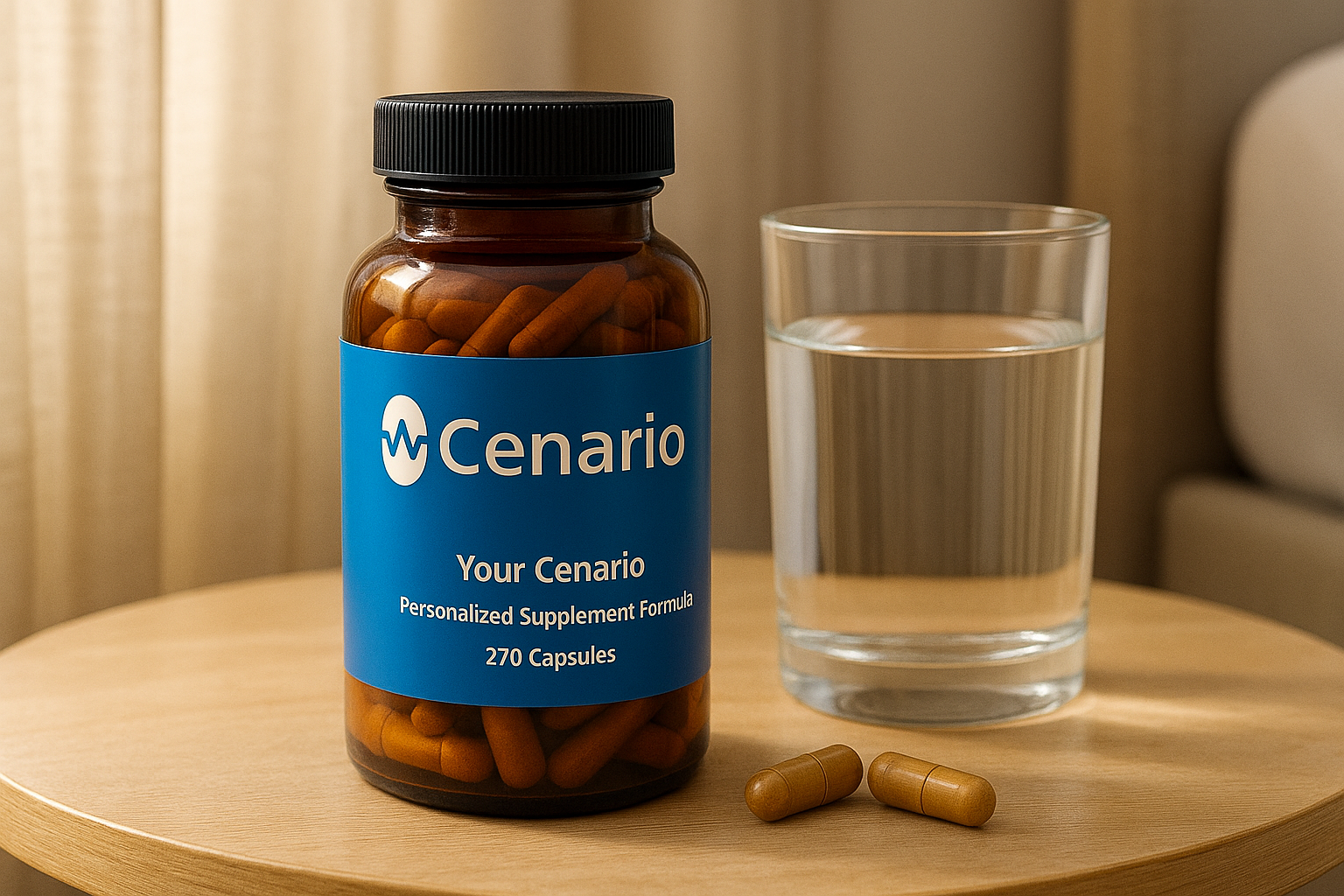
If you are serious about improving cognitive performance, do not rely on generic “brain pills.”
Read the full guide here:
https://cenario.com/blog/memory-and-focus/
Evidence-backed supplements and how they work
Several supplements for sharp mind have the strongest clinical support. Below I summarize their likely mechanisms, typical study findings, and practical considerations. This section focuses on research-based effects, not marketing claims. Always check levels with a clinician before starting any regimen.
B vitamins and neurological support
B vitamins, especially B12, B6, and folate, help maintain myelin and support neurotransmitter synthesis. Trials show the clearest benefits when a deficiency exists. Older adults and people on strict vegan diets commonly benefit. Improvements in processing speed and episodic memory tend to appear after several months when deficiencies are corrected.
Magnesium L-threonate for memory and executive function
Magnesium L-threonate is formulated to penetrate the brain more effectively. Randomized studies over 8 to 12 weeks report modest gains in working memory and executive tasks. Effects are greater when baseline magnesium intake is low. Typical trial doses ranged from 1,000 to 2,000 mg of the compound, but equivalent elemental magnesium varies by product.
Omega-3 fatty acids: DHA and EPA balance
Omega-3s support cell membranes and inflammation control. DHA is particularly important for neuronal structure while EPA modulates inflammation. Meta-analyses suggest benefits for memory and reaction time in people with low baseline intake. Attention to EPA to DHA ratio matters for certain outcomes. Expect measurable changes after three to six months of consistent supplementation.
L-theanine and caffeine synergy
L-theanine promotes calm alertness and enhances focus when paired with low-dose caffeine. Studies show improved attention and faster reaction times in short-term tests. This combination is useful for situational focus rather than long-term cognitive decline prevention.
Herbal and phospholipid options
- Ginkgo biloba: Research in older adults shows support for sustained attention and a small reduction in cognitive decline risk at standard extract doses around 240 mg daily.
- Bacopa monnieri: Trials report better memory consolidation and learning after 8 to 12 weeks. Effects require consistent dosing and may take months to peak.
- Phosphatidylserine: Has solid data for short-term memory and cognitive performance, especially when combined with omega-3s.
- Curcumin: Early trials point to improved working memory and reduced inflammatory markers. High-bioavailability formulations show the most promise.
- Lutein and zeaxanthin: Preliminary studies suggest roles in neuronal plasticity and learning, with measurable changes in months.
Interpreting study quality and real-world results
Systematic reviews note wide variability in study design. Differences in dosage, form, participant health, and outcome measures change results. Many positive trials enroll people with low baseline nutrient status or with mild cognitive complaints. That means supplements for sharp mind often work best when targeted to a specific need, not as universal enhancers.
Combination strategies and personalization
Combining supplements can produce synergy. Common, evidence-informed stacks include B vitamins plus omega-3 for memory preservation, and L-theanine with caffeine for focused work sessions. Personal factors to consider are age, diet, sleep quality, and genetics. Genetic testing can sometimes explain differential responses, but it is not required for sensible use.
Risk, cost, and when supplements may not help
Side effects and interactions exist. Blood thinners, antidepressants, and some blood pressure medications can interact with herbal extracts and omega-3s. If baseline nutrient levels are adequate, adding more may yield little benefit. For people on a tight budget, prioritize deficiency-correcting options such as B12 and omega-3s before trying specialty nootropics.
Practical next steps
- Talk to a clinician and consider basic blood tests for common deficiencies.
- Pick one evidence-backed supplement at a time and track changes for 8 to 12 weeks.
- Pair supplementation with sleep, regular exercise, and a nutrient-rich diet to maximize benefits.
Using supplements for sharp mind is about targeted support and realistic expectations. When chosen carefully and combined with healthy habits, they can be a useful part of a long-term brain health plan.
Stop stacking random ingredients. Start targeting what your brain actually needs.
https://cenario.com/quiz/
Additional Supplements Worth Considering
This section explores extra options and practical strategies that extend beyond the basics. These points focus on real-world use, personalization, and cost-benefit thinking for supplements for sharp mind.
Deeper Look at Key Botanicals and Lipids
Ginkgo biloba shows the most reliable benefit in older adults when taken as a standardized extract at about 240 mg daily. It can help sustained attention and may slow decline in people with mild cognitive complaints. Bacopa monnieri requires patience. Typical trials use 300 to 450 mg daily for at least two to three months before clear memory benefits appear. Phosphatidylserine performs best when paired with omega-3s, suggesting membrane-support combinations are synergistic. Curcumin with enhanced absorption can reduce inflammatory markers and offer modest working memory gains. Lutein and zeaxanthin look promising for younger adults in studies that ran six months or longer.
Emerging Nootropics and Evidence Gaps
Newer options such as citicoline, lion’s mane mushroom, and huperzine A are attracting attention. Early trials show potential, but evidence quality varies and long-term safety data are limited. For clinicians and consumers, these represent areas to watch rather than first-line choices. The takeaway is that many promising substances need larger, better-designed trials before broad recommendations are possible.
Stacking, Timing, and Personalization
Smart stacking can improve outcomes while reducing cost. Examples to consider are:
- B vitamins plus omega-3s for memory preservation in older adults.
- L-theanine with low-dose caffeine for short-term focus during tasks.
- Phosphatidylserine with DHA for improved short-term recall.
Start one product at a time for eight to 12 weeks. Track objective measures such as work performance, timed memory tests, or mood ratings. Personal factors like age, diet, medication use, and sleep quality shape responses. Genetic testing may explain differences but is not required for sensible choices.
Safety, Interactions, and When Supplements May Not Help
Herbal extracts and fatty acids interact with common medications. For example, Ginkgo and high-dose omega-3s can increase bleeding risk in people on blood thinners. Some supplements may worsen insomnia, raise blood pressure, or alter mood when combined with antidepressants. If baseline nutrient levels are adequate, extra supplementation often provides minimal benefit. Several well-controlled trials show little effect in healthy young adults with no deficiencies. That means targeted supplementation based on testing or clear symptoms offers better value than indiscriminate use.
Cost-Benefit Prioritization
For people on tight budgets, prioritize supplements that correct common deficiencies and have broad evidence. B12 options for those at risk of deficiency, omega-3s for low fish intake, and magnesium when dietary intake is poor are cost-effective choices. Reserve specialty nootropics and multi-ingredient stacks for when basic strategies and lifestyle changes fall short.
Lifestyle Integration and Practical Next Steps
Supplements are most effective when paired with adequate sleep, regular exercise, and a nutrient-dense diet. They work as part of a plan, not as stand-alone solutions. Practical next steps:
- Get baseline blood tests for B12, vitamin D, and basic markers if possible.
- Choose one evidence-backed supplement and use it consistently for 8 to 12 weeks.
- Record changes in concentration, memory, and fatigue to guide adjustments.
- Consult a clinician before combining supplements with prescription drugs.
When used thoughtfully, supplements for sharp mind can fill gaps and support cognitive goals. They require patience, realistic expectations, and integration with lifestyle changes. If you are ready to try a focused plan, start small, measure results, and consult your healthcare provider to stay safe and efficient.
If you are serious about improving cognitive performance, do not rely on generic “brain pills.”
Read the full guide here:
https://cenario.com/blog/memory-and-focus/
Then take the Cenario assessment and build your personalized Memory & Focus formula.
https://cenario.com/quiz/
Your brain is unique. Your support should be too.
Frequently asked questions
What Are The Best Supplements For A Sharp Mind?
The most commonly recommended supplements for sharp mind include B vitamins, omega-3s, magnesium L-threonate, bacopa monnieri, and phosphatidylserine. Choose based on your age, diet, and test results for the best value.
How Long Does It Take To Notice Effects From Brain Supplements?
Timing varies by compound. L-theanine and caffeine show near-immediate effects for focus. Herbal options like bacopa and lutein need eight to 12 weeks or longer. Expect different timelines when using supplements for sharp mind depending on the ingredient.
Can I Take Multiple Cognitive Supplements Together?
Yes if you do so carefully. Stacking B vitamins with omega-3s or pairing L-theanine with low-dose caffeine has evidence of benefit. Always check for interactions and start one supplement at a time when trying supplements for sharp mind.