
Interest in vitamins to improve brain function and memory has grown as more people look for safe, everyday ways to protect thinking skills. From students seeking sharper focus to older adults trying to preserve recall, many are exploring how diet and targeted nutrients can support cognitive health. This post begins by explaining why nutrition matters for the brain and how to separate promising options from marketing claims.
The Role Of Nutrition In Cognitive Health
The brain depends on a steady supply of nutrients for energy, repair, and communication between cells. Vitamins and other dietary factors act as building blocks for these processes. When people talk about vitamins to improve brain function and memory they often mean B vitamins, antioxidants, omega-3 fats, and plant compounds such as curcumin. Many of these nutrients come from whole foods, but they are also available as supplements.
Nutrition can help in two main ways:
- Correcting a deficiency that impairs thinking and memory.
- Supporting brain resilience through antioxidants, healthy fats, and metabolic cofactors.
It is important to recognize that fixing a deficiency often gives clear benefits, while boosting already adequate levels is less certain. That distinction guides how we evaluate vitamins to improve brain function and memory.
Why Scientific Evidence Matters
Claims about cognitive benefits are common in marketing. Evidence based nutrition involves looking at clinical studies, population research, and safety data. This prevents overpromising and helps identify which vitamins have consistent support and which need more study. For example, researchers test whether supplements change memory scores, attention, or markers of brain health over time.
When assessing vitamins to improve brain function and memory consider:
- Quality of the study design, such as randomized controlled trials.
- Whether benefits occur in people with a deficiency or in the general population.
- Potential risks and interactions with medications.
What This Post Will Cover Next
In the next section we will explore specific nutrients that often appear in the research and in supplements. Topics will include B vitamins, vitamin E, omega 3 fatty acids, and curcumin, with attention to the strength of the evidence and food versus supplement sources. That section will help you decide which vitamins to improve brain function and memory may be worth considering for your needs.
If you are serious about improving cognitive performance, do not rely on generic “brain pills.”
Read the full guide here:
https://cenario.com/blog/memory-and-focus/

Vitamins to improve brain function and memory: What the research adds
This section goes deeper into which vitamins and nutrients show the strongest, most consistent effects on thinking and recall. It focuses on mechanisms, practical dosing considerations, interactions, and emerging compounds. The goal is to help you choose evidence-informed options when thinking about vitamins to improve brain function and memory.
B vitamins: how they work and when they help
B12, B6, and folate play roles in energy metabolism, neurotransmitter production, and maintenance of myelin. Deficiency can cause clear cognitive problems, especially in older adults. Common warning signs include fatigue, numbness or tingling, mood changes, and worsening memory.
- B12 absorption falls with age and can be reduced by medications such as proton pump inhibitors and metformin. Older adults and people with restrictive diets are at higher risk.
- Folate and B6 act as cofactors in pathways that regulate homocysteine. Elevated homocysteine is linked with poorer cognitive performance in some studies, but lowering it with B vitamins has not reliably prevented dementia.
- Practical approach: test for deficiency first. Treat confirmed deficiency with appropriate doses under medical guidance rather than routine high-dose supplementation.
Vitamin E: antioxidant benefits and limits
Vitamin E helps protect cell membranes from oxidative stress and has anti-inflammatory effects in the brain. Dietary sources include nuts, seeds, and vegetable oils. Evidence for cognitive benefit from food-based vitamin E is more encouraging than from high-dose supplements.
- High-dose vitamin E supplements can interact with blood thinners and may carry safety concerns when taken long term.
- Prefer food sources for steady intake. If considering supplements, discuss dose and risks with a clinician.
Omega-3 fatty acids: EPA and DHA for memory and cognition
Long-chain omega-3s, especially EPA and DHA, support neuronal membrane fluidity, synaptic function, and inflammation control. Regular intake from fatty fish is linked with better brain outcomes in observational studies.
- For those who do not eat fish, algae-based DHA supplements provide a plant-friendly source.
- A randomized trial found that combined supplementation strategies that included omega-3s, zinc, and a multivitamin produced measurable improvements in memory and cognitive testing compared with placebo.
- Typical supplemental doses range from a few hundred to about 1,000 mg of combined EPA and DHA per day, but individual needs vary.
Curcumin and other plant compounds
Curcumin from turmeric has shown moderate evidence for improving working memory and attention in some trials. Key limitations are small sample sizes and poor absorption. Formulations that increase bioavailability, such as those combined with piperine or designed as phytosome complexes, are used in research studies.
Other botanicals, like certain mushroom extracts, are being studied, but evidence remains preliminary. Treat these as experimental options rather than proven therapies.
Other vitamins and emerging nutrients
Vitamins D, C, and A contribute to brain health in supportive roles. For most people, a balanced diet provides adequate amounts. Emerging compounds under study include magnesium threonate, creatine, and lion’s mane mushroom. Early findings are intriguing, but larger trials are needed.
Safety, testing, and practical recommendations
- Check blood levels before starting high-dose supplements. Targeted correction of deficiencies is the clearest path to benefit.
- Watch for interactions. Fat-soluble vitamins can accumulate, and several supplements alter how medications work.
- Prioritize whole foods and dietary patterns rich in fish, nuts, legumes, vegetables, and healthy oils. These provide combined nutrients and cofactors that supplements cannot fully replicate.
- If you choose supplements, pick products tested by independent labs and follow medical advice on dose and duration.
In short, vitamins to improve brain function and memory work best when used to correct deficiencies or as part of a broader dietary strategy. For most people, food-first approaches plus targeted, medically guided supplementation offer the best balance of safety and potential benefit.
Stop stacking random ingredients. Start targeting what your brain actually needs.
Additional Vitamins That Support Brain Health
Beyond B vitamins, vitamin E, omega 3s, and curcumin, vitamins D, C, and A play supportive roles in brain function. Each works differently and the strength of evidence varies, so consider them as part of a broader strategy rather than magic fixes.
Vitamin D
Vitamin D influences brain signaling and immune balance. Low vitamin D levels are common and linked with poorer cognitive performance in some studies. A practical step is to test serum 25 hydroxyvitamin D before supplementing. When needed, vitamin D3 is preferred over D2 because it raises levels more consistently. Typical corrective doses range from 800 to 4,000 IU daily depending on baseline levels and clinician guidance.
Vitamin C and Vitamin A
Vitamin C supports antioxidant defenses and collagen in blood vessels that feed the brain. Vitamin A is important for cellular signaling. Most people meet needs through a varied diet. High-dose supplementation of fat soluble vitamin A carries toxicity risks, so stick to food sources like citrus, bell peppers, sweet potatoes, and leafy greens unless a clinician advises otherwise.
Food First, Supplements Second
Dietary patterns offer the best foundation for vitamins to improve brain function and memory. Whole foods deliver combinations of nutrients and cofactors that help with absorption and metabolism.
- Mediterranean style meals: fatty fish, olive oil, nuts, beans, vegetables, and whole grains.
- Examples: grilled salmon with quinoa and steamed spinach, or lentil stew with carrots and a side of walnuts.
- Fat soluble vitamins absorb better with meals that contain healthy fats. Take vitamin D and vitamin E with food that has oil or avocado for improved uptake.
Supplements may be useful when diet falls short or tests show deficiency. When choosing products, prefer third party tested brands and read labels for active forms, not just generic vitamin names. For example, methylcobalamin may be better tolerated by some people than cyanocobalamin for vitamin B12 supplementation.
Emerging Nutrients And Biohacking Trends
The biohacking community is testing compounds that may support cognition. These include lion’s mane mushroom, magnesium threonate, and creatine. Early research suggests potential benefits, especially for attention and short term memory, but results are preliminary.
- Lion’s mane: may influence nerve growth factor pathways. Trials are small and formulations vary.
- Magnesium threonate: developed for brain penetration, with early studies indicating possible cognitive benefits in older adults.
- Creatine: shows cognitive benefits in sleep deprived or vegetarian populations in some studies.
Approach these options cautiously. Evidence is evolving and long term safety profiles are not established for many off label uses.
Practical Tips For Safe Use
- Test before you treat. Check blood levels for vitamin D and B12 when symptoms or risk factors exist.
- Mind forms and dosing. Choose vitamin D3, consider methylated B vitamins if you have genetic variants, and look for combined EPA/DHA on omega 3 labels.
- Watch interactions. High dose vitamin E can affect blood thinning. Tell your clinician about all medicines and supplements.
- Prefer food sources first. Use supplements to correct gaps or deficiencies under medical guidance.
- Combine nutrition with lifestyle. Sleep, aerobic exercise, social engagement, and cognitive activity amplify the benefits of vitamins to improve brain function and memory.
Conclusion And Next Steps
Vitamins to improve brain function and memory work best when targeted to real needs and paired with diet and healthy habits. Start with testing if you suspect a deficiency, prioritize whole foods and proven dietary patterns, and consult a clinician before beginning high dose or experimental supplements. Small, consistent changes in nutrition and lifestyle often yield the most reliable gains in thinking and recall.
Ready to take the next step? Check your diet for gaps, schedule a routine blood test, and talk with your healthcare provider about a personalized plan that fits your goals.
If you are serious about improving cognitive performance, do not rely on generic “brain pills.”
Read the full guide here:
https://cenario.com/blog/memory-and-focus/
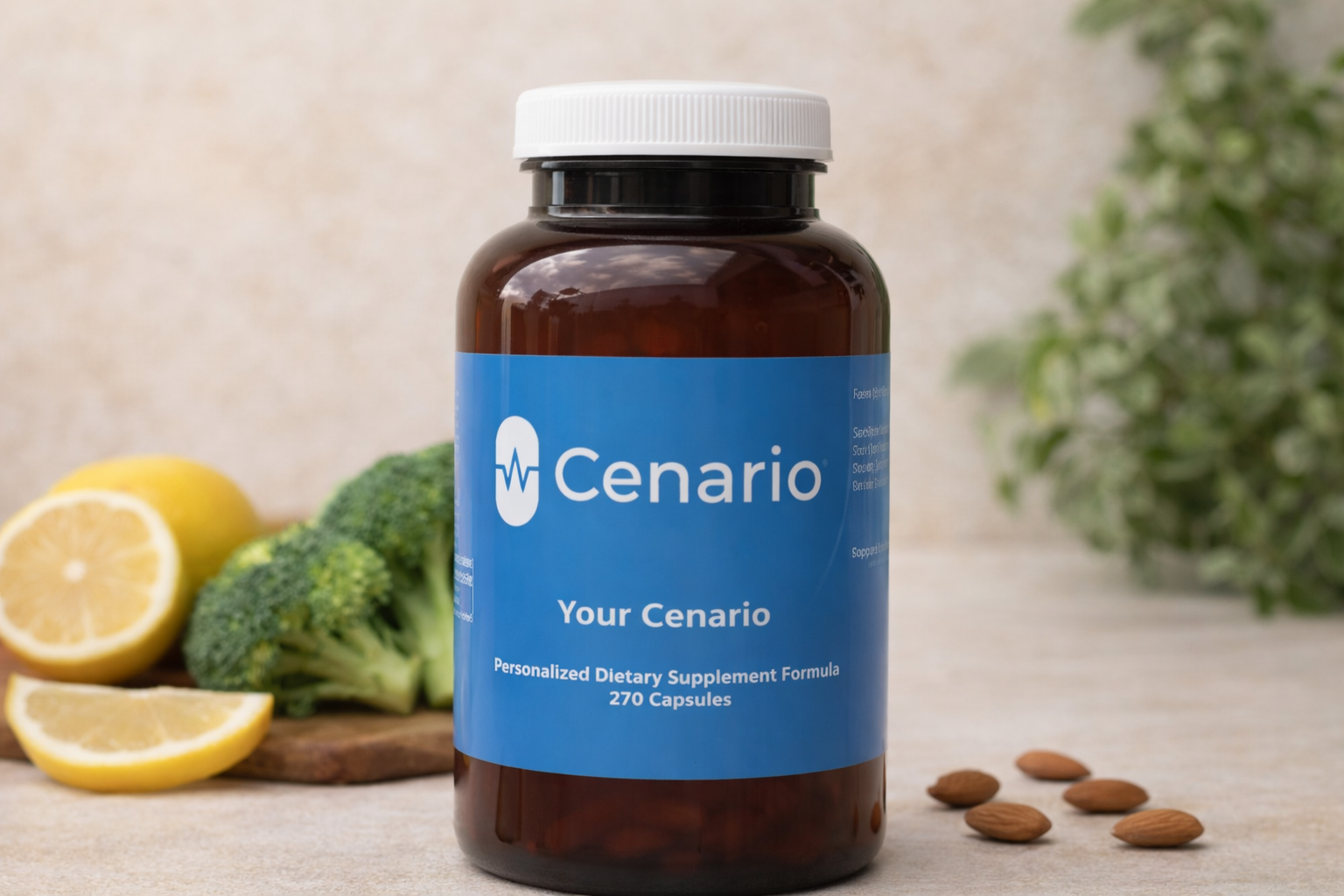
Then take the Cenario assessment and build your personalized Memory and Focus formula.
Your brain is unique. Your support should be too.
Frequently asked questions
What are the best vitamins to improve brain function and memory for most people?
For most people, a food first approach emphasizing B vitamins, vitamin E from nuts and seeds, omega 3s from fatty fish, and adequate vitamin D provides the best foundation. Supplements can help correct measured deficiencies and may support cognition when used responsibly.
Can taking vitamins to improve brain function and memory prevent dementia?
No supplement reliably prevents dementia. Vitamins to improve brain function and memory are most effective when they correct a deficiency. They may support brain health as part of a broader lifestyle plan, but they should not be viewed as a guaranteed preventive measure.
Are there safe ways to combine supplements for better memory?
Combining a multivitamin, omega 3s, and targeted correction of low vitamin D or B12 can be reasonable under medical supervision. When considering stacks or emerging compounds, discuss interactions and dosing with your clinician to ensure safety.