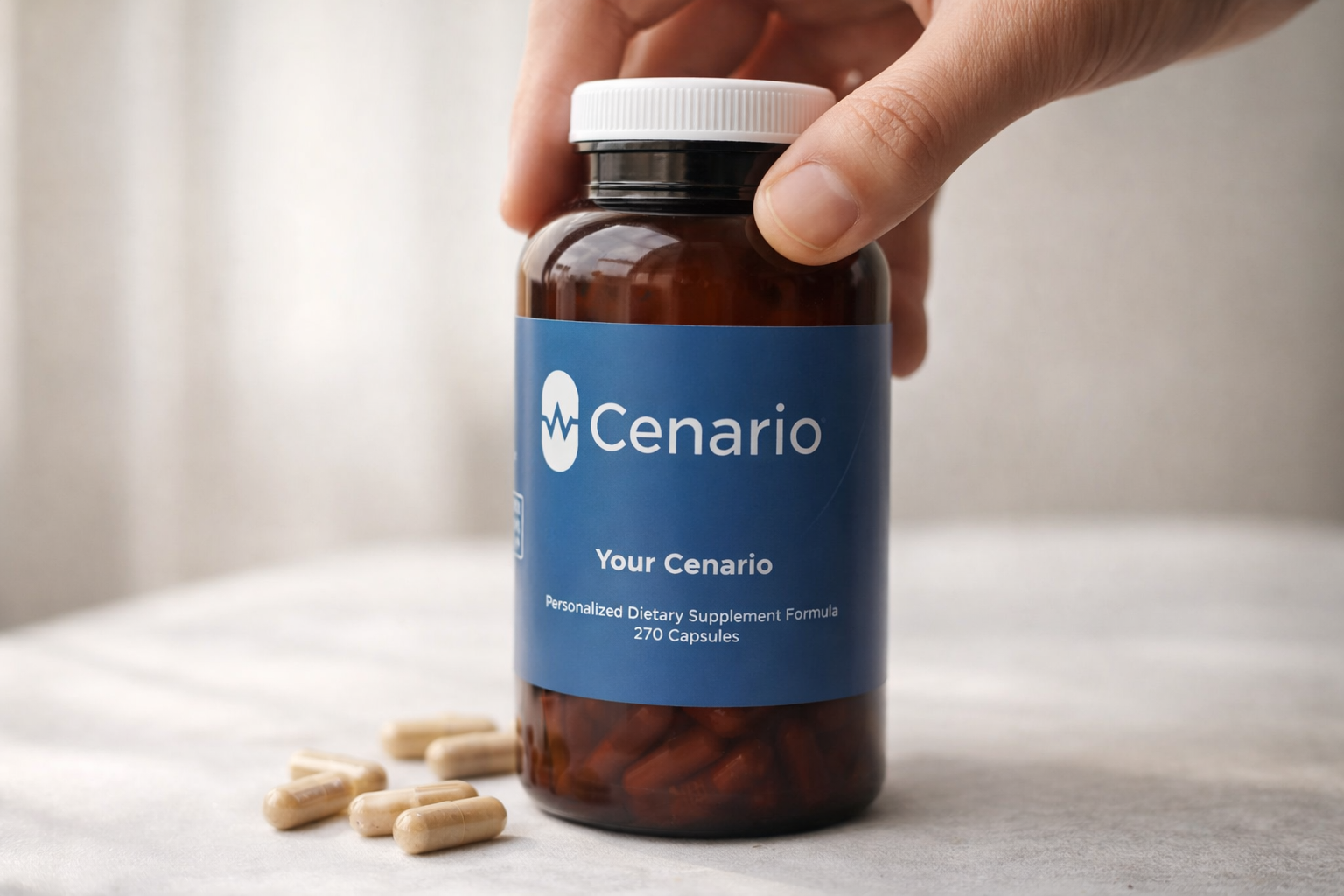

Struggling to concentrate in a world full of notifications, long workdays, and constant stress is normal. Many people ask what vitamins increase focus as a way to regain clarity and productivity. While no vitamin is a magic bullet, certain nutrients play clear roles in brain function and attention. This post begins by laying out why focus falters and how vitamins and supplements can help as part of a smart, evidence-based approach.
Why Focus Is Hard Today
Modern life puts heavy demands on attention. Common contributors to poor focus include:
- Chronic stress and anxiety that drain mental energy
- Poor sleep and daytime fatigue
- Busy schedules and frequent task switching
- Age-related changes in memory and processing speed
These issues can make it hard to sustain attention, finish tasks, or learn new information. Many people turn to vitamins, supplements, or a combination of both to support cognitive resilience.
Vitamins And Supplements As Cognitive Tools
Asking what vitamins increase focus is a good first step. Vitamins can support the brain’s basic needs such as energy metabolism, neurotransmitter production, and healthy blood flow. Some people use daily multivitamins to cover broad nutrient gaps. Others target specific vitamins like B complex, vitamin D, or nutrients promoted by performance communities.
This post will explore the most relevant nutrients and their roles in attention and cognition. You will learn which vitamins are commonly associated with improved focus, what the science says about their potential benefits, and the difference between a general multivitamin and targeted supplements. Later sections will dive into evidence, practical considerations, and precautions so you can make informed choices.
If you want to understand what may actually be limiting your cognitive performance, read the full guide here:
https://cenario.com/blog/memory-and-focus
What To Expect Next
In the next part of this series, we will review the research behind major vitamins linked to focus. That includes multivitamin studies, the role of B vitamins, and promising single-nutrient supplements. We will also touch on safety, dietary sources, and when to consult a healthcare provider. If you are wondering what vitamins increase focus for your particular situation, this guide aims to help you separate solid evidence from hype.

Multivitamin evidence and what it means for focus
If you have asked what vitamins increase focus, one of the clearest signals from large trials points to multivitamins as a preventative tool. A major randomized study found that daily multivitamin use over several years was associated with slower cognitive aging and modest improvements in memory and global cognition. That study framed multivitamins as a population-level strategy to reduce nutrient gaps, not as an instant concentration booster.
Key takeaways for readers curious about what vitamins increase focus from a multivitamin approach:
- Multivitamins cover multiple pathways that support attention, such as energy metabolism and neurotransmitter synthesis.
- Benefits appear cumulative and preventative, so effects show over months to years rather than hours.
- Choose evidence-based formulations and avoid megadoses unless advised by a clinician.
B vitamins as targeted focus aids
B6, folate and B12 play a measurable role in brain function. These vitamins help process homocysteine, an amino acid linked to cognitive decline when elevated. Clinical trials show the biggest gains when people with low baseline levels or high homocysteine take therapeutic doses.
Practical notes on B vitamins when thinking about what vitamins increase focus:
- Common trial dosages: folate 400 to 800 micrograms daily, vitamin B12 250 to 1,000 micrograms daily, vitamin B6 10 to 50 milligrams daily.
- Most benefit is seen in those with deficiency or elevated homocysteine, not consistently across all older adults.
- Blood testing can guide targeted supplementation instead of blanket high doses.
Individual supplements people use for sharper attention
Beyond vitamins, several single-ingredient supplements are popular for short-term focus. These include creatine monohydrate, vitamin C, rhodiola rosea and alpha-GPC. Many performance-minded users report improved mental stamina, and some clinicians and podcasters have spoken positively about them.
Typical dosing and notes:
- Creatine monohydrate: 3 to 5 grams daily, supports cellular energy and can improve cognitive tasks that demand quick thinking.
- Vitamin C: 500 to 1,000 milligrams daily, acts as an antioxidant and may reduce mental fatigue under stress.
- Rhodiola rosea: 200 to 600 milligrams daily, an adaptogen used for stress-related fatigue and attention.
- Alpha-GPC: 300 to 600 milligrams daily, a choline source linked to short-term improvements in memory and focus in some studies.
Vitamin D and K: emerging roles in cognitive prevention
Research on vitamin D and K suggests potential roles in long-term brain health and reduced dementia risk. These nutrients may not produce immediate focus gains, but they contribute to vascular health and neuronal maintenance. If you wonder what vitamins increase focus over the long term, ensuring adequate vitamin D and K status is a reasonable part of a prevention plan.
Simple guidance: check vitamin D blood levels, consider 1,000 to 2,000 IU daily if low, and discuss vitamin K with your provider if you take blood thinners.
Stop stacking random ingredients. Start targeting what your brain actually needs. Take Cenario quiz now!
[
cenario.com
]
Quick comparison of nutrients for focus
| Nutrient | Primary target | Evidence strength | Typical dose |
|---|---|---|---|
| Multivitamin | Memory, overall cognition | Moderate | Follow label, daily |
| B6, folate, B12 | Processing speed, memory | Moderate for deficiency cases | B6 10-50 mg, folate 400-800 mcg, B12 250-1,000 mcg |
| Creatine | Mental energy, fast thinking | Limited to moderate | 3-5 g daily |
| Alpha-GPC | Short-term memory, attention | Limited | 300-600 mg daily |
Safety, interactions and final guidance
When deciding what vitamins increase focus for your situation, remember safety matters. Vitamin K can interact with blood-thinning medication. High doses of certain B vitamins may cause side effects for some people. Always discuss new supplements with a healthcare provider, especially if you take prescriptions or have chronic conditions.
Also prioritize food-first strategies, sleep, hydration and exercise. Supplements can fill gaps and support focus, but they work best as part of a broader lifestyle plan that addresses the root causes of poor attention.
Caution, Interactions, And Practical Steps
As you refine your plan for what vitamins increase focus, balance optimism with caution. Not every vitamin works the same for every person. Evidence varies by age, baseline nutrient status, and health conditions. Rather than chasing instant results, use a measured approach that includes testing, professional advice, and sensible dosing.
When To Test And Who Should Be Screened
Getting basic blood tests helps target supplementation. Common checks include vitamin D level, B12 status, and homocysteine for concerns about B vitamins. Testing is especially important if you are older, follow a restrictive diet, have digestive issues, or take medications that affect nutrient absorption.
Medication Interactions And Safety Considerations
- Vitamin K can affect blood-thinning therapy. Discuss any K supplements with your clinician.
- High doses of vitamin B6 over long periods may cause sensory nerve problems. Stick to recommended ranges unless monitored.
- Creatine and other non-vitamin supplements are generally safe for healthy adults but warrant caution if you have kidney disease.
- Combining multiple supplements increases the risk of excessive intake. Review total daily amounts from all sources, including fortified foods and multivitamins.
Age-Specific Advice
Different life stages call for different priorities when considering what vitamins increase focus. Younger adults often benefit most from correcting short-term nutrient gaps and optimizing sleep and diet. Middle-aged and older adults should prioritize preventing deficiency, maintaining vascular health, and monitoring levels of vitamin D and B12.
Food-First, Then Smart Supplementing
Diet remains the most reliable way to support attention. For people asking what vitamins increase focus, prioritize these budget-friendly choices:
- Leafy greens and legumes for folate and vitamin K
- Fortified cereals and nutritional yeast for B12 and B vitamins (especially for plant-based diets)
- Fatty fish, eggs, and fortified dairy or plant milk for vitamin D and choline
- Citrus, peppers, and strawberries for vitamin C
Supplements can fill gaps that diet does not cover. Use them thoughtfully and avoid megadoses unless a clinician recommends them.
Practical Timing And Stacking Tips
- Take B vitamins in the morning to support daytime energy and avoid sleep disruption.
- Vitamin D is best taken with a meal that contains fat to improve absorption.
- A multivitamin can serve as a simple baseline; targeted additions like B12 or creatine should be based on testing or clear symptoms.
Comparing Nutrients By Goal
| Goal | Key Nutrients | Typical Dose Range | Safety Note |
|---|---|---|---|
| Short-Term Alertness | Creatine, Alpha-GPC | Creatine 3-5 g; Alpha-GPC 300-600 mg | Check kidney function and medications |
| Correcting Deficiency | B12, Folate, Vitamin D | B12 250-1,000 mcg; Folate 400-800 mcg; D 1,000-2,000 IU | Use blood tests to guide therapy |
| Long-Term Prevention | Multivitamin, Vitamins K and D | Follow label; K 90-120 mcg as diet goal | Avoid excess vitamin A or iron unless deficient |
Final Thoughts And Next Steps
Answering what vitamins increase focus starts with realistic goals. Prioritize a food-first approach, get basic bloodwork when appropriate, and use targeted supplements only where evidence and testing point to benefit. Watch for interactions, respect dosing limits, and pair any nutrient strategy with sleep, movement, and stress management. If you want clearer guidance for your situation, schedule a visit with your healthcare provider to review tests and create a tailored plan.
Ready to build a focused, evidence-based routine? Start by scheduling a nutrient check and noting your daily diet for a week. Small, consistent changes often yield the best results for sustained attention.
[
cenario.com
]
Better memory and sharper focus are not about working longer hours. They are about supporting the systems that power attention, learning, and mental clarity.
If you are serious about improving cognitive performance, do not rely on generic “brain pills.”
Read the full guide here:
https://cenario.com/blog/memory-and-focus/
Then take the Cenario assessment and build your personalized Memory & Focus formula.
Your brain is unique. Your support should be too.
Frequently asked questions
Frequently Asked Questions
How long does it take to notice benefits from vitamins that increase focus?
Time varies by nutrient and baseline status. Some people notice mental energy improvements in days to weeks with nutrients like B12 if they were deficient. Preventative benefits from multivitamins or vitamin D may take months. For what vitamins increase focus, testing helps set expectations.
Can I safely take multiple vitamins at once to improve focus?
You can combine supplements, but be careful about total doses. Review labels to avoid excessive B6, vitamin A, or iron. For guidance on what vitamins increase focus and safe combinations, consult your clinician with your medication list.
Are gummy vitamins effective for improving focus?
Gummy vitamins can help fill gaps but often have lower doses and added sugars. If you wonder what vitamins increase focus, check the nutrient amounts on the label and consider a higher-potency or tested formulation if needed.