
Adolescent psychology is a branch of psychology that studies the mental, emotional, social, and behavioral development of individuals during adolescence. Adolescence is the transitional stage between childhood and adulthood, typically occurring between the ages of 10 and 19, although the exact age range may vary depending on cultural and social contexts.
During this stage of life, individuals experience rapid physical growth, hormonal changes, and significant psychological development. Adolescent psychology focuses on understanding how teenagers think, feel, behave, and interact with others as they form their identities and develop independence.
You can read or explore more here at the Knowledge Hub for more mental health and psychology-related articles to better understand topics such as emotional development, stress management, cognitive growth, and behavioral health. If you’re interested in supporting brain health and overall well-being, you can also take the quiz to get personalized supplement recommendations designed to support focus, mood balance, stress resilience, and cognitive performance.
Understanding Adolescence
Adolescence is a critical period of human development marked by major biological, cognitive, and emotional changes. Teenagers begin to develop a stronger sense of self, explore personal values and beliefs, and establish their place within social groups.
This stage often involves increased curiosity, emotional intensity, and a desire for independence. Adolescents may question authority, experiment with new ideas, and seek greater autonomy from parents and caregivers.
Psychologists study adolescent behavior to better understand how these changes affect decision-making, relationships, academic performance, and mental health.
Physical Development in Adolescence
One of the most noticeable changes during adolescence is puberty, the biological process that leads to physical maturity and reproductive capability.
Puberty involves the release of hormones such as estrogen and testosterone, which trigger various physical changes. These changes may include growth spurts, development of secondary sexual characteristics, and changes in body composition.
Because these physical changes occur rapidly, adolescents may experience shifts in body image and self-confidence.
Cognitive Development
Adolescence is also a time of important cognitive growth. According to developmental psychologist Jean Piaget, teenagers enter the formal operational stage of cognitive development. In this stage, individuals begin to think more abstractly and logically.
Adolescents become capable of:
- Abstract thinking
- Hypothetical reasoning
- Problem-solving
- Considering multiple perspectives
- Planning for the future
This cognitive development allows teenagers to explore complex ideas related to identity, morality, and society.
Emotional Development
Adolescence often involves strong emotional experiences. Hormonal changes, combined with social pressures and identity exploration, can lead to mood fluctuations and emotional sensitivity.
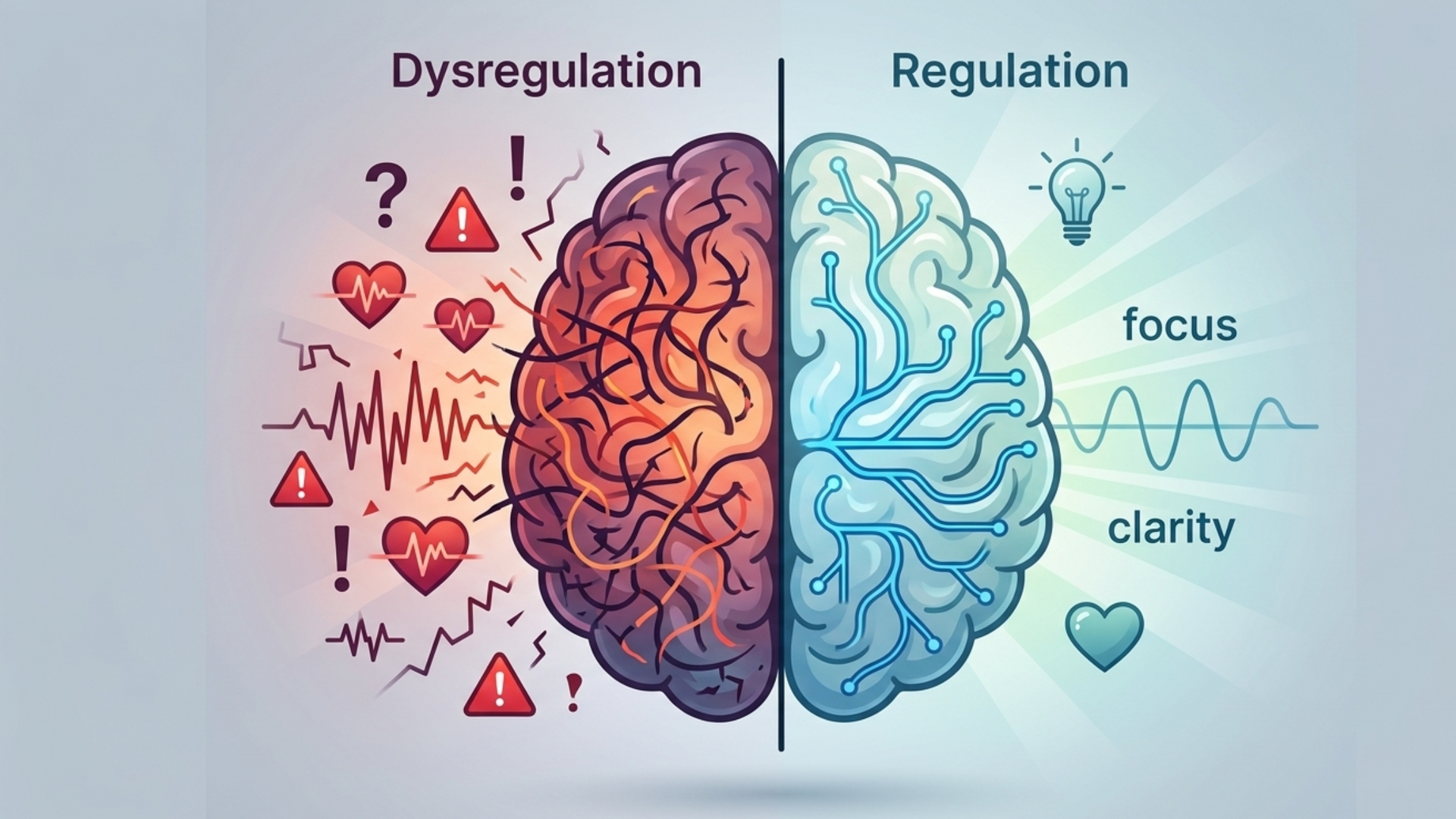
Teenagers may experience emotions such as excitement, frustration, anxiety, or self-doubt more intensely than children or adults. Learning to regulate these emotions is an important part of adolescent development.
Psychologists emphasize the importance of emotional support from family, teachers, and peers during this stage.
Social Development
Social relationships play a central role in adolescent psychology. Teenagers gradually shift their focus from family-centered relationships to friendships and peer groups.
Peer acceptance and belonging become highly important during this stage. Adolescents often seek approval from friends and may adjust their behavior to fit into social groups.
Romantic relationships may also begin to develop during adolescence, contributing to emotional and social learning.
At the same time, adolescents continue to develop their sense of identity, values, and personal beliefs.
Identity Formation
One of the most significant psychological tasks of adolescence is identity formation. Developmental psychologist Erik Erikson described this stage as the conflict between identity and role confusion.
During this stage, adolescents explore questions such as:
- Who am I?
- What do I believe in?
- What do I want to become in the future?
Through exploration and experiences, teenagers gradually develop a clearer sense of personal identity.
If adolescents are unable to explore or resolve these questions, they may experience confusion about their roles or future goals.
Risk-Taking Behavior
Adolescence is sometimes associated with increased risk-taking behavior. This may include experimenting with new activities, challenging authority, or engaging in risky decisions.
Psychologists explain that this behavior is partly related to the development of the brain. The prefrontal cortex, which controls decision-making and impulse control, continues to develop during adolescence. Meanwhile, areas related to reward and emotions may develop earlier.
This imbalance can make adolescents more likely to seek new experiences and take risks.
Mental Health in Adolescence
Adolescence is also a period when many mental health conditions may first appear. Stress from academic pressure, social relationships, family expectations, or identity struggles can affect emotional well-being.
Common mental health concerns during adolescence include:
- Anxiety disorders
- Depression
- Eating disorders
- Behavioral problems
- Low self-esteem
Early support, open communication, and access to mental health resources can help adolescents cope with these challenges.
Importance of Studying Adolescent Psychology
Understanding adolescent psychology is important for parents, teachers, healthcare professionals, and society as a whole. Knowledge of adolescent development helps adults support teenagers as they navigate this complex stage of life.
By understanding the psychological needs of adolescents, caregivers can create supportive environments that encourage healthy emotional growth, responsible decision-making, and positive social relationships.
Conclusion
Adolescent psychology focuses on the psychological development that occurs during the transition from childhood to adulthood. This stage involves major changes in physical growth, cognitive abilities, emotional experiences, and social relationships.
By studying adolescent psychology, researchers and professionals gain valuable insights into how teenagers develop their identities, manage emotions, and interact with the world around them. Supporting adolescents during this critical stage helps promote healthy development and prepares them for the responsibilities of adulthood.
If you want to support brain health and emotional well-being during important stages of development, take the quiz to get personalized supplement recommendations designed to support focus, mood balance, stress management, and overall cognitive health. The quick quiz helps identify options tailored to individual needs and lifestyle.
Frequently Asked Questions
What is adolescent psychology?
Adolescent psychology is the branch of psychology that studies the mental, emotional, social, and behavioral development of individuals during adolescence, the transitional stage between childhood and adulthood.
What age group does adolescence usually include?
Adolescence generally refers to the age range between 10 and 19 years, although some researchers extend the period into the early twenties depending on social and cultural contexts.
Why is adolescence an important stage of development?
Adolescence is important because individuals experience significant physical growth, cognitive development, emotional changes, and identity formation during this time, which shapes their future behavior and personality.
What are common challenges faced during adolescence?
Common challenges include emotional changes, peer pressure, identity exploration, academic stress, risk-taking behavior, and mental health concerns such as anxiety or depression.