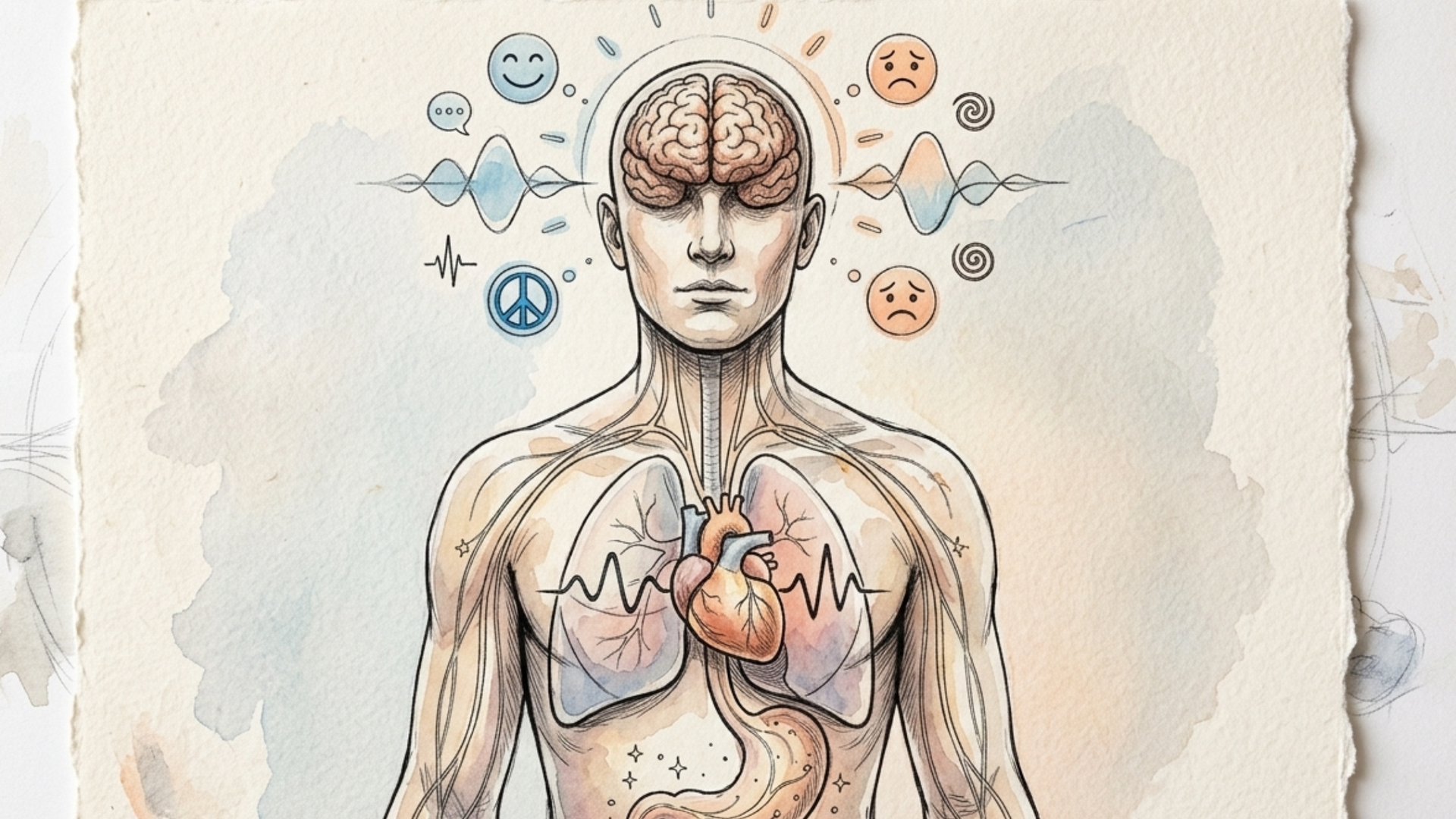
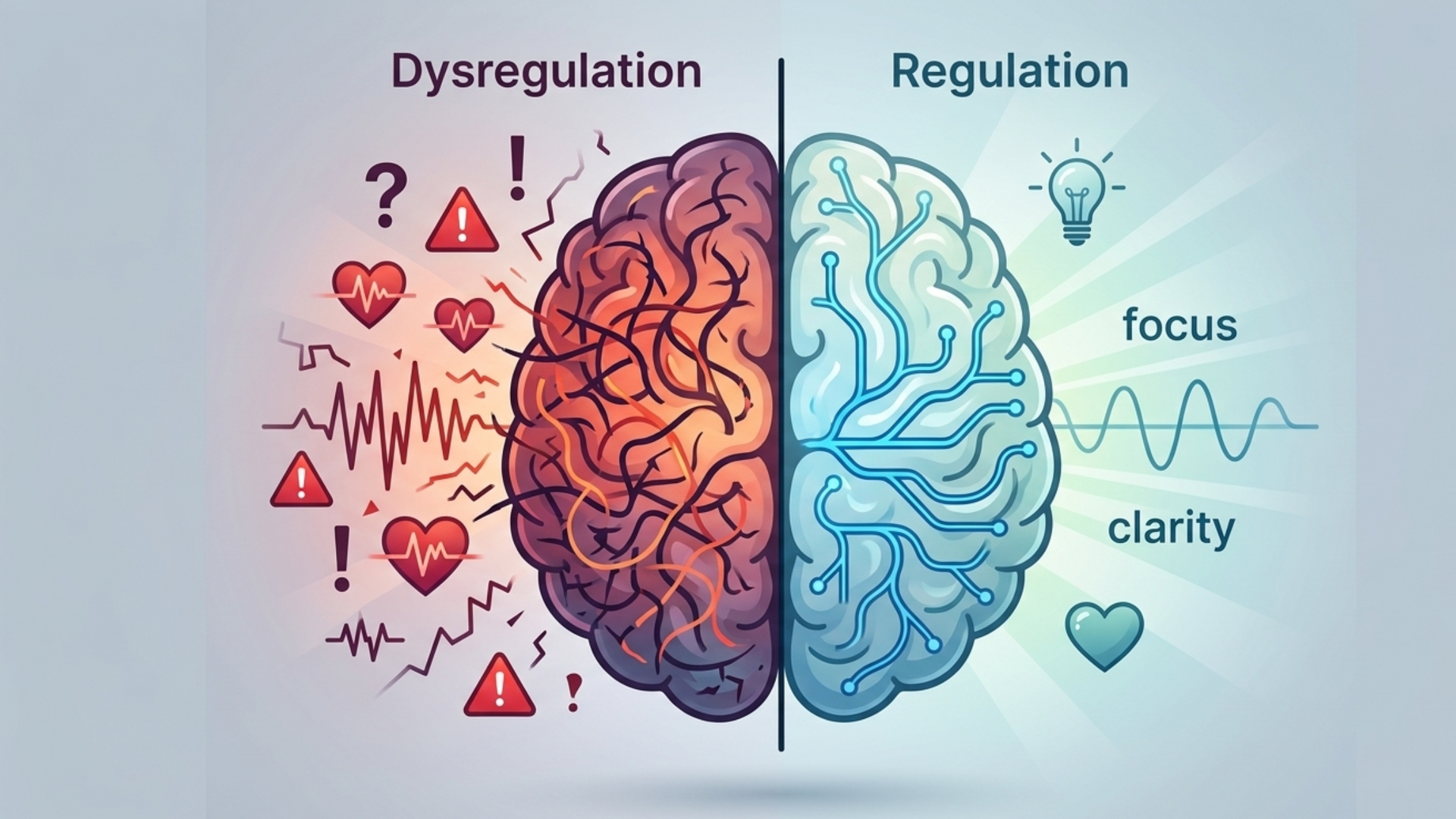
Aggressive passive personality, more commonly known as passive-aggressive personality, refers to a pattern of behavior in which individuals express negative feelings, anger, or resistance indirectly rather than openly. Instead of confronting problems directly, a person with passive-aggressive tendencies may show their frustration through subtle actions such as procrastination, sarcasm, stubbornness, or intentional inefficiency.
This behavior often occurs when a person feels uncomfortable expressing anger or disagreement directly. As a result, their negative emotions are expressed in indirect ways that may confuse or frustrate others. Passive-aggressive behavior can affect personal relationships, workplace interactions, and overall emotional well-being.
Although passive-aggressive personality disorder was discussed in earlier psychological classifications, it is not currently recognized as a separate disorder in the Diagnostic and Statistical Manual of Mental Disorders (DSM-5). However, passive-aggressive behaviors are still widely studied in psychology because they influence communication and social relationships.
You can read or explore more here at the Knowledge Hub for more mental health and psychology-related articles that cover topics such as personality traits, communication patterns, emotional regulation, and behavioral psychology. If you want to better support your mental and emotional well-being, you can also take the quiz to get personalized supplement recommendations designed to support mood balance, stress management, focus, and overall cognitive health.
Understanding Passive-Aggressive Behavior
Passive-aggressive behavior occurs when someone appears cooperative or agreeable on the surface but secretly resists or expresses hostility in indirect ways. Instead of openly saying they are upset or disagree with something, they may use subtle actions or behaviors to express their dissatisfaction.
For example, a person might agree to complete a task but intentionally delay doing it or perform it poorly to show their frustration. Others may use sarcasm, silent treatment, or backhanded compliments to communicate negative feelings.
These behaviors can create confusion because the individual’s words and actions may not match their true emotions.
Characteristics of Passive-Aggressive Personality
People who display passive-aggressive tendencies often show patterns of indirect resistance and hidden hostility. These behaviors may appear repeatedly in personal, social, or professional interactions.
Common characteristics include:
- Indirect expression of anger or resentment
- Procrastination or intentional delays
- Sarcasm or subtle criticism
- Avoiding direct confrontation
- Giving the silent treatment
- Appearing cooperative while secretly resisting requests
These behaviors often occur when a person feels powerless, frustrated, or afraid of openly expressing their emotions.
Causes and Contributing Factors
Passive-aggressive behavior can develop due to several psychological and environmental influences.
Childhood Experiences
Some individuals learn passive-aggressive behavior during childhood. For example, children raised in environments where expressing anger was discouraged or punished may learn to hide their feelings and express them indirectly.
Fear of Conflict
People who are uncomfortable with confrontation may avoid direct communication. Instead, they may use passive-aggressive behavior as a way to express disagreement without openly arguing.
Emotional Suppression
Individuals who struggle to understand or express their emotions may rely on indirect behaviors to release frustration or resentment.
Stress or Power Imbalance
Passive-aggressive behavior may also occur when individuals feel they lack control in certain situations, such as in workplaces, family dynamics, or authority relationships.
Examples of Passive-Aggressive Behavior
Passive-aggressive behavior can appear in many everyday situations.
In personal relationships, a person might say “It’s fine” when something is clearly bothering them but later show their anger through cold behavior or sarcasm.
In the workplace, an employee may agree with a supervisor’s instructions but intentionally delay completing tasks or perform them poorly as a form of silent protest.
In social interactions, passive-aggressive individuals may give backhanded compliments or make subtle negative comments disguised as humor.
Effects on Relationships
Passive-aggressive behavior can create communication problems and tension in relationships. Because emotions are not expressed openly, misunderstandings often occur.
Partners, coworkers, or friends may feel confused or frustrated because they sense hostility but cannot clearly identify the problem. Over time, repeated passive-aggressive interactions can weaken trust and damage relationships.
Healthy communication generally requires honesty and openness, which passive-aggressive behavior tends to avoid.
Passive-Aggressive Personality vs. Passive-Aggressive Behavior
It is important to distinguish between passive-aggressive behavior and a passive-aggressive personality pattern.
Most people may occasionally display passive-aggressive behavior when they feel upset or uncomfortable expressing their emotions. However, when these behaviors become frequent, consistent, and long-term, they may form a personality pattern that significantly affects relationships and daily functioning.
Psychologists focus on identifying these patterns to better understand communication and interpersonal dynamics.
Managing Passive-Aggressive Tendencies
Learning healthier communication skills can help reduce passive-aggressive behavior.
Some helpful strategies include:
- Developing awareness of emotions and triggers
- Practicing direct and respectful communication
- Learning assertiveness skills
- Managing stress and frustration effectively
- Seeking guidance from mental health professionals if needed
Therapies such as cognitive behavioral therapy (CBT) can help individuals recognize negative communication patterns and replace them with healthier behaviors.
Importance of Healthy Communication
Healthy communication involves expressing thoughts, needs, and emotions clearly and respectfully. By learning to communicate openly, individuals can reduce misunderstandings and build stronger relationships.
Recognizing passive-aggressive patterns can help both individuals and those around them address conflicts more effectively.
Conclusion
Aggressive passive personality, commonly referred to as passive-aggressive personality, describes a pattern of indirectly expressing anger or resistance rather than addressing problems openly. Individuals may appear cooperative while secretly expressing frustration through behaviors such as procrastination, sarcasm, or subtle hostility.
Although passive-aggressive personality is not officially classified as a disorder in modern diagnostic manuals, understanding these behaviors helps psychologists and individuals recognize unhealthy communication patterns. Developing emotional awareness and practicing honest communication can help reduce passive-aggressive tendencies and promote healthier relationships.
If you want to support your emotional balance and mental wellness, take the quiz to get personalized supplement recommendations designed to support mood stability, stress resilience, focus, and overall brain health. The quick quiz helps match you with options tailored to your individual needs and lifestyle.
Frequently Asked Questions
What is an aggressive passive personality?
An aggressive passive personality, commonly referred to as passive-aggressive personality, describes a pattern of behavior in which individuals express anger, frustration, or resistance indirectly rather than communicating their feelings openly.
What are common signs of passive-aggressive behavior?
Common signs include procrastination, sarcasm, giving the silent treatment, subtle criticism, backhanded compliments, and intentionally delaying tasks as a way of expressing resentment.
Why do people behave in a passive-aggressive way?
Passive-aggressive behavior may develop due to fear of confrontation, difficulty expressing emotions, childhood environments where open disagreement was discouraged, or situations where individuals feel powerless to communicate their feelings directly.
How can passive-aggressive behavior be managed or improved?
Passive-aggressive behavior can be improved by developing emotional awareness, practicing clear and assertive communication, learning healthy conflict-resolution skills, and seeking professional support such as therapy when needed.