The amygdala is a small but powerful structure deep inside the brain that plays a crucial role in how humans experience emotions, process fear, and form emotional memories. Although it is only about the size of an almond, the amygdala has a major influence on behavior, decision-making, and survival instincts.
Located within the brain’s temporal lobes, the amygdala acts as an important part of the brain’s emotional processing system. It helps people recognize threats, respond to danger, and attach emotional meaning to memories and experiences. Because of its role in fear, stress responses, and emotional learning, the amygdala is often described as the brain’s “emotional alarm system.”
Understanding the amygdala is important in neuroscience and psychology because it helps explain how emotions influence behavior, memory, and mental health.
If you’re interested in learning more about how the brain works and how it influences emotions, memory, and behavior, read or explore more here at Knowledge Hub for additional mental health–related articles designed to make neuroscience easier to understand. You can also take our quick quiz to get personalized supplement recommendations designed to support brain health, emotional balance, stress management, and overall cognitive performance.
What Is the Amygdala?
The amygdala is a pair of small, almond-shaped clusters of neurons located deep in the medial temporal lobes of the brain. The name “amygdala” comes from the Greek word amygdalē, meaning “almond,” which describes its shape.
Humans have two amygdalae, one in each hemisphere of the brain. These structures are part of a larger network called the limbic system, which is responsible for regulating emotions, motivation, and certain aspects of memory.
The amygdala works closely with other brain regions, including the hippocampus, hypothalamus, and prefrontal cortex, to interpret emotional signals and guide behavioral responses.
Although the amygdala is most commonly associated with fear and anxiety, it is actually involved in a wide range of emotional processes.
Location and Structure
The amygdala is located deep within the temporal lobe, near the hippocampus. The temporal lobe itself is involved in processing memory, language, and sensory input.
Structurally, the amygdala is not a single uniform structure. Instead, it is made up of several smaller groups of neurons known as nuclei, each with different functions. The three major groups include:
- Basolateral complex – processes sensory information and emotional learning
- Central nucleus – controls physical responses to fear and stress
- Cortical nucleus – involved in processing smell and emotional reactions
These nuclei communicate with many other areas of the brain, allowing the amygdala to influence both emotional experiences and physical responses to stimuli.
Functions of the Amygdala
The amygdala is involved in several key brain functions related to emotion, survival, and memory.
Emotional Processing
One of the amygdala’s primary roles is processing emotions, especially those related to survival. It helps the brain recognize emotionally significant events, such as danger, pleasure, or social signals.
For example, when a person sees an angry facial expression or hears a threatening sound, the amygdala quickly evaluates the situation and determines whether a response is needed.
Fear and Threat Detection
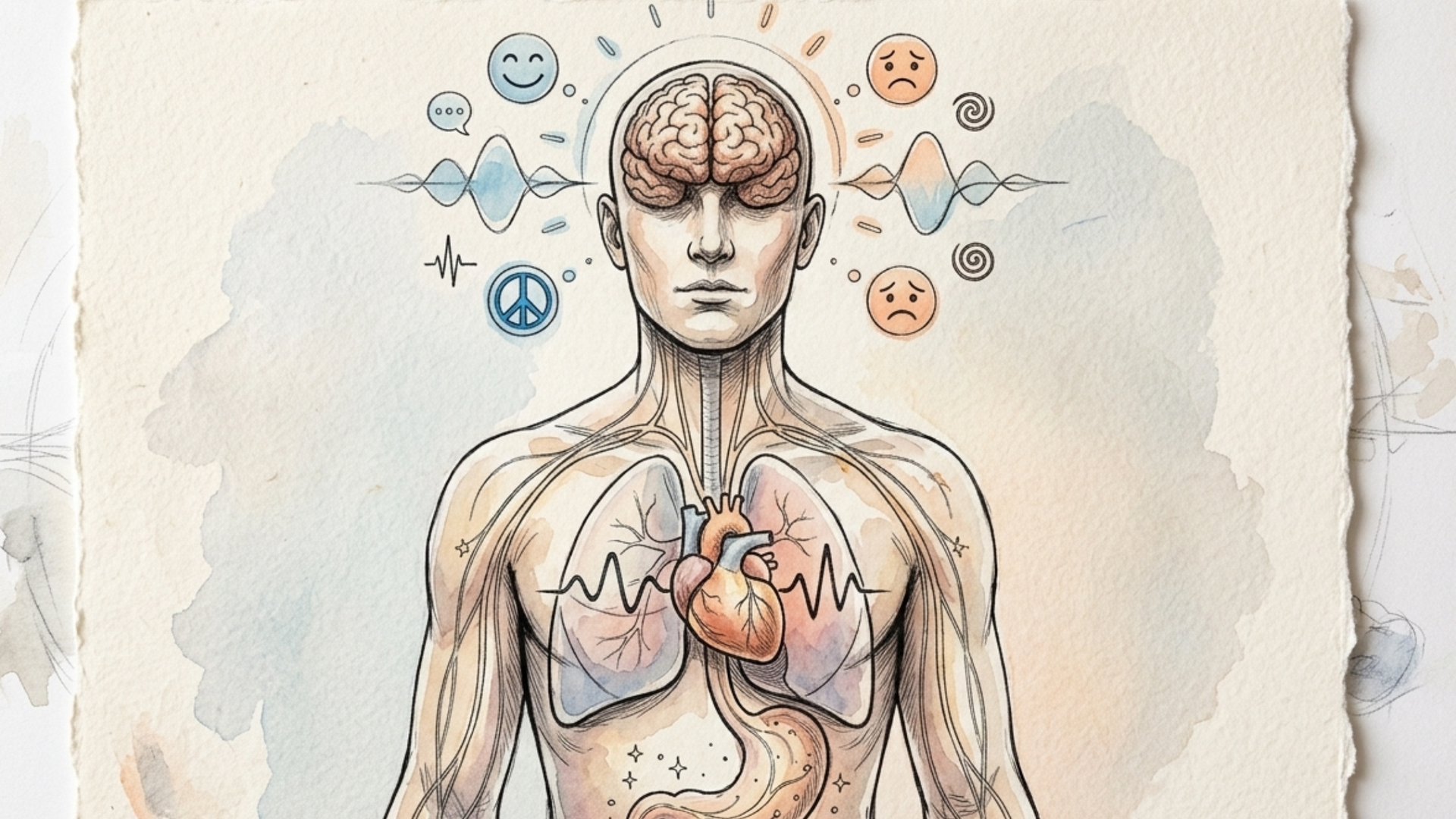
The amygdala is particularly well known for its role in detecting threats and triggering fear responses. When the brain senses danger, the amygdala sends signals that activate the body’s fight-or-flight response.
This process involves communication with the hypothalamus, which releases stress hormones like adrenaline and cortisol. These hormones prepare the body to react quickly by increasing heart rate, sharpening focus, and boosting energy levels.
Emotional Memory Formation
The amygdala also plays an important role in forming and storing emotional memories. Experiences that involve strong emotions such as fear, joy, or trauma are often remembered more vividly because the amygdala strengthens the memory process.
The amygdala works closely with the hippocampus, which helps form long-term memories. While the hippocampus records the factual details of an event, the amygdala attaches emotional significance to it.
This interaction helps explain why people often remember emotionally intense experiences more clearly than ordinary events.
Social and Emotional Behavior
Beyond fear and survival responses, the amygdala also contributes to social interactions and emotional recognition. It helps people interpret facial expressions, tone of voice, and body language.
For example, the amygdala allows individuals to recognize when someone else is angry, afraid, or happy. This ability is essential for empathy, communication, and social relationships.
The Amygdala and the Fight-or-Flight Response
One of the most important survival mechanisms connected to the amygdala is the fight-or-flight response.
When a potential threat is detected, the amygdala rapidly sends signals to the hypothalamus, activating the autonomic nervous system. This triggers a cascade of physical reactions in the body.
These reactions may include:
- Increased heart rate
- Faster breathing
- Dilated pupils
- Heightened alertness
- Release of stress hormones
This response prepares the body to either confront the danger (fight) or escape from it (flight). In modern life, however, the same system can sometimes be activated by psychological stress rather than physical threats.
The Amygdala and Mental Health
Because the amygdala plays a central role in emotional processing and stress responses, it is closely linked to several mental health conditions.
Research has shown that abnormal activity in the amygdala may be associated with disorders such as:
- Anxiety disorders
- Post-traumatic stress disorder (PTSD)
- Depression
- Phobias
- Panic disorder
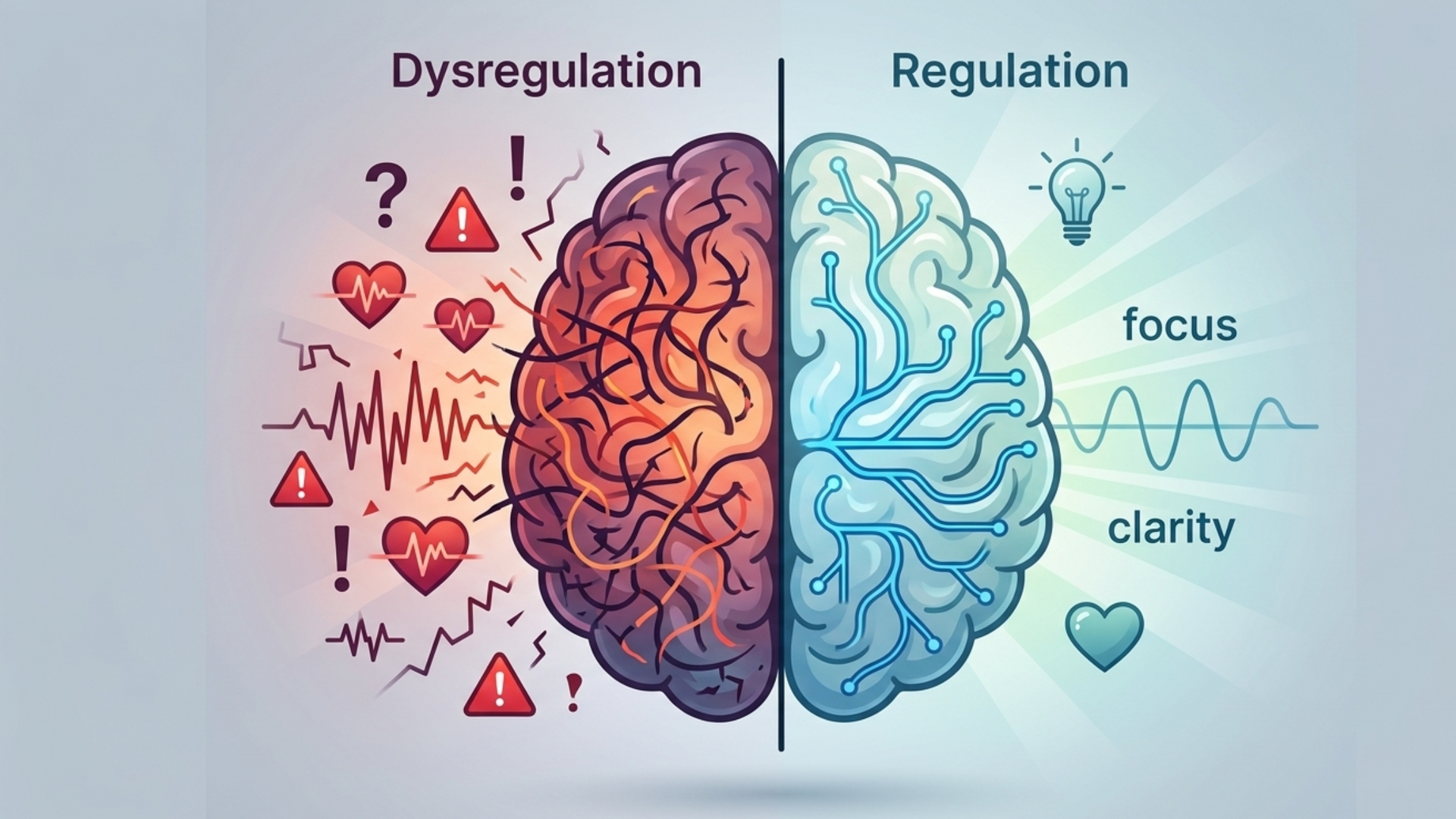
In people with anxiety or PTSD, the amygdala may become overactive, causing the brain to interpret harmless situations as threats. This can lead to persistent feelings of fear or heightened stress responses.
On the other hand, reduced activity in certain parts of the amygdala can affect emotional recognition and social behavior.
The Amygdala and Learning
The amygdala also contributes to emotional learning, which helps individuals learn from past experiences.
For example, if someone has a frightening encounter with a dangerous animal, the amygdala helps encode that experience so the person will remember to avoid similar threats in the future.
This form of learning, called fear conditioning, is an important survival mechanism. It allows the brain to quickly associate certain stimuli with danger and respond appropriately.
However, in some cases this system can become overly sensitive, leading to irrational fears or phobias.
How the Amygdala Interacts with Other Brain Regions
The amygdala does not work alone. It functions as part of a complex network of brain structures.
The hippocampus helps provide context to emotional memories. It allows the brain to remember where and when events occurred.
The prefrontal cortex plays an important role in regulating emotional responses. It helps control impulses and evaluate whether a perceived threat is actually dangerous.
When the prefrontal cortex is functioning effectively, it can calm an overactive amygdala. This balance allows people to respond to stressful situations in a thoughtful and controlled way rather than reacting purely on instinct.
Why the Amygdala Is Important for Survival
The amygdala’s ability to detect danger and trigger rapid responses has played a crucial role in human survival throughout evolution.
Early humans relied on quick emotional reactions to avoid predators, environmental threats, and other dangers. The amygdala helped the brain make fast decisions in life-threatening situations, often before conscious thinking occurred.
Although modern environments are generally safer than those faced by early humans, the amygdala still performs the same essential functions today.
Final Thoughts
The amygdala is a small but essential structure that plays a central role in how humans experience emotions, process fear, and form emotional memories. By acting as the brain’s emotional alarm system, it helps detect threats, guide behavior, and strengthen memories connected to important experiences.
Through its interactions with other brain regions such as the hippocampus and prefrontal cortex, the amygdala helps shape how people respond to stress, interpret social signals, and learn from emotionally significant events.
Understanding the amygdala provides valuable insight into the connection between emotion, memory, behavior, and mental health, making it one of the most important structures studied in neuroscience and psychology.
Supporting your brain and emotional health is an important part of overall well-being. Take our quick quiz to get personalized supplement recommendations designed to support memory, focus, mood balance, and long-term brain health, helping you make smarter choices for your cognitive and mental wellness.
Frequently Asked Questions
1. Can the amygdala become overactive?
Yes. In some individuals, the amygdala can become overactive, especially during chronic stress or anxiety. When this happens, the brain may interpret harmless situations as threats, leading to heightened fear responses, anxiety, or emotional reactivity.
2. Does the amygdala control all emotions?
No. While the amygdala plays a major role in processing emotions especially fear and threat detection, it does not control all emotions by itself. Emotional experiences involve a network of brain regions, including the prefrontal cortex, hippocampus, and other parts of the limbic system.
3. How does stress affect the amygdala?
Long-term stress can increase activity in the amygdala and make it more sensitive to potential threats. This heightened sensitivity can contribute to stronger emotional reactions, anxiety, and difficulty regulating stress responses.
4. Can the amygdala change over time?
Yes. The brain is capable of neuroplasticity, meaning its structure and function can change with experience. Practices such as stress management, therapy, mindfulness, and healthy lifestyle habits can help improve emotional regulation and influence how the amygdala responds to stress.