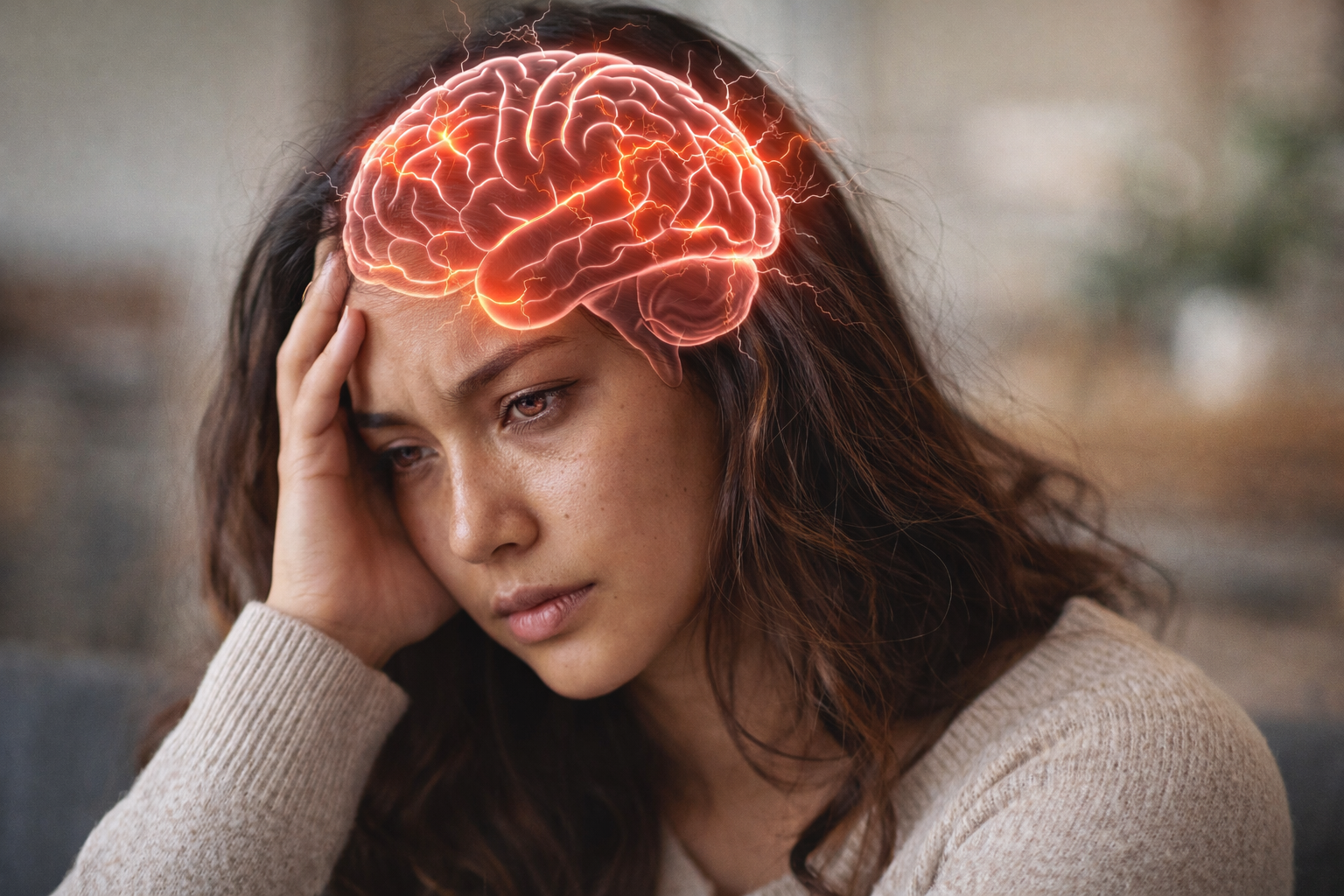

Anhedonia: What It Is and How It Impacts Enjoyment
Understanding Anhedonia: A Comprehensive Guide to Rediscovering Joy
Anhedonia is a multifaceted term that captures a crucial aspect of mental health—the diminished ability to experience pleasure. Derived from the Greek words an- (without) and hedone (pleasure), anhedonia literally means “without pleasure.” This condition is not just a symptom but a transformative experience that affects every facet of life, from personal relationships to daily routines.
In this detailed entry, we explore anhedonia’s definition, types, causes, symptoms, and its profound impact on everyday living. We’ll also look at the latest research, treatments, and healthy eating tips to help you understand and take action.
What is Anhedonia?
At its core, anhedonia refers to a loss of interest or pleasure in activities that were once enjoyable. Anhedonia often appears with mood disorders like depression, but also with conditions like schizophrenia and bipolar disorder. With anhedonia, previously enjoyable activities, such as hobbies and social interaction, may feel empty or burdensome.
Dictionary Definition
Anhedonia (noun):
A psychological condition characterized by the inability to feel pleasure in normally enjoyable activities. It is recognized as a core symptom in various mood disorders, particularly major depressive disorder, and can significantly impair daily functioning and quality of life.
Types of Anhedonia
Understanding that anhedonia is not a one-size-fits-all condition is essential. Researchers have identified several subtypes, each with its unique characteristics:
Social Anhedonia
- Definition: A reduced capacity to experience pleasure from social interactions.
- Impact: Individuals may withdraw from friends, family, and community engagements, leading to isolation and emotional distress.
Physical Anhedonia
- Definition: A diminished ability to experience pleasure from physical sensations, such as taste, touch, or exercise.
- Impact: This type affects one’s engagement with food, recreational activities, and even intimate relationships.
Anticipatory vs. Consummatory Anhedonia
- Anticipatory Anhedonia: Difficulty in looking forward to pleasurable events. This lack of anticipation can reduce motivation to engage in potentially rewarding activities.
- Consummatory Anhedonia: Difficulty experiencing pleasure in the moment, even during activities that once brought joy.
- Distinction: While both forms disrupt normal life, anticipatory anhedonia primarily diminishes motivation, whereas consummatory anhedonia directly impairs the enjoyment of ongoing activities.
Causes and Risk Factors
The development of anhedonia is typically multifactorial. A combination of biological, psychological, and environmental factors contributes to its onset:
Biological Factors
Neurochemical Imbalances:
Dysregulation in neurotransmitters like dopamine, serotonin, and endorphins plays a significant role. These chemicals are integral to the brain’s reward circuitry, and their imbalance can blunt the experience of pleasure.
Genetic Predisposition:
Some individuals may inherit a vulnerability to mood disorders, making them more susceptible to anhedonia.
Psychological Factors
Chronic Stress:
Prolonged exposure to stress can alter brain function, reducing the ability to experience joy.
Trauma:
Early life trauma or significant life stressors can set the stage for developing anhedonia later in life.
Environmental Factors
Social Isolation:
A lack of supportive social interactions can intensify feelings of detachment and numbness.
Lifestyle Choices:
Poor diet, inadequate sleep, and lack of exercise can indirectly contribute to the onset and persistence of anhedonia.
How Anhedonia Affects Your Life
Anhedonia is a condition, not just a symptom, and it can deeply affect your emotions, relationships, thinking, and how you live.
Emotional Impact
Loss of Joy:
The hallmark of anhedonia is the inability to feel pleasure. Activities once associated with happiness now feel empty.
Increased Vulnerability to Depression:
Anhedonia is often intertwined with major depressive disorder, signifying a deeper, more persistent form of depression.
Social Consequences
Withdrawal:
A reduced interest in social interactions can lead to isolation, making it challenging to maintain relationships.
Relationship Strain:
Loved ones might feel alienated or confused by the persistent withdrawal and lack of emotional response.
Cognitive and Motivational Effects
Reduced Motivation:
When the brain’s reward system is impaired, setting and pursuing goals becomes a struggle.
Difficulty in Decision-Making:
Cognitive processes such as planning and problem-solving can be hampered, affecting both personal and professional life.
Impact on Daily Activities
Work and Education:
Impaired concentration and reduced productivity can affect academic and career achievements.
Physical Health:
A lack of interest in physical activities and healthy eating habits can create a negative feedback loop, deteriorating overall wellness.
Recognizing the Symptoms of Anhedonia
Early identification of anhedonia is crucial for effective management. Common symptoms include:
- Loss of Interest: A marked decrease in enthusiasm for activities that were once pleasurable.
- Emotional Numbness: A pervasive sense of flatness where both positive and negative emotions are dulled.
- Social Disengagement: Reluctance to engage in social interactions, leading to isolation.
- Cognitive Difficulties: Challenges with decision-making, planning, and motivation to pursue daily tasks.
Diagnosing Anhedonia
Diagnosis generally occurs during an evaluation for mood disorders. Mental health professionals utilize several approaches:
- Clinical Interviews:
In-depth conversations about mood, behavior, and lifestyle help pinpoint the presence and severity of anhedonia. - Questionnaires:
Standardized tools, such as the Snaith-Hamilton Pleasure Scale (SHAPS), are used to assess the extent of pleasure loss. - Observations:
Input from family members or close contacts can provide additional insight into the individual’s behavioral changes.
Treatment Options for Anhedonia
While anhedonia can be challenging, various treatment modalities offer hope:
Psychotherapy
- Cognitive Behavioral Therapy (CBT): This therapy helps reframe negative thought patterns that hinder the experience of pleasure.
- Behavioral Activation: Encourages engagement in rewarding activities, gradually rebuilding the capacity to experience joy.
- Mindfulness and Acceptance-Based Therapies: These approaches teach individuals to accept their emotional experiences without judgment, reducing the distress associated with anhedonia.
Medications
- Antidepressants: SSRIs and other antidepressants can help rebalance neurochemicals, often alleviating the symptoms of anhedonia.
- Dopaminergic Agents: Medications targeting the dopamine system may be beneficial in restoring the brain’s reward pathways.
Lifestyle Modifications
- Exercise: Regular physical activity enhances mood and supports the brain’s reward system.
- Diet and Nutrition: A balanced diet rich in essential nutrients supports overall brain health.
- Social Engagement: Reconnecting with friends, family, and community activities can help mitigate feelings of isolation.
Supplements and Nutritional Support for Anhedonia
In addition to conventional treatments, certain nutritional supplements may offer supportive benefits for managing anhedonia:
- Omega-3 Fatty Acids: These are known for their anti-inflammatory properties and support brain function.
- Vitamin D: Adequate levels of vitamin D are crucial for mood regulation and overall well-being.
- B Vitamins (B6, B12, Folate): Essential for energy production and neurotransmitter synthesis, B vitamins can help stabilize mood.
- Magnesium: This mineral is important for nerve function and has been linked to mood improvement.
- N-Acetylcysteine (NAC): An antioxidant that helps regulate glutamate levels, NAC is being studied for its potential benefits in mood disorders.
Talk to your doctor before starting any new supplements, especially if you’re already taking medicine or have health problems. If you’re looking for good supplements to help your mental health, check out Cenario. They have a collection that can work alongside other treatments and improve your overall well-being.
Research and Future Directions
Scientific research on anhedonia is evolving rapidly. Recent studies are focusing on:
- Neural Circuitry: Advances in neuroimaging are helping researchers map the brain circuits involved in the experience of pleasure.
- Inflammation and Genetics: There is growing interest in understanding how inflammation and genetic factors contribute to anhedonia.
- Personalized Treatments: Pharmacogenetics and tailored therapeutic approaches hold promise for more effective, individualized interventions.
Coping Strategies and Self-Help Tips
Living with anhedonia can be overwhelming, yet several self-help strategies can make a meaningful difference:
- Set Small, Achievable Goals: Breaking tasks into manageable steps can rebuild a sense of accomplishment.
- Establish a Routine: A structured daily schedule can reintroduce activities that once brought pleasure.
- Practice Mindfulness: Mindfulness and meditation exercises help you focus on the present and notice little things that bring you joy.
- Get Support: Talking about your experiences with a counselor, support group, or friends can help you feel understood and get helpful advice.
- Stay Physically Active: Incorporating even short walks or light exercises can stimulate your brain’s reward system.
- Connect Socially: Reaching out to loved ones or participating in community activities can gradually alleviate feelings of isolation.
Supporting Loved Ones with Anhedonia
Supporting someone who is experiencing anhedonia can be challenging, yet your understanding and compassion can make a big difference. Here are some tips for friends, family, and caregivers:
- Educate Yourself: Learn about anhedonia and related mood disorders to better understand what your loved one is going through. Knowledge helps reduce stigma and creates a supportive environment.
- Be Patient: Recovery takes time. Encourage small steps toward re-engaging with activities without pressuring them to “snap out of it.”
- Listen and Validate: Offer a non-judgmental ear. Validate their feelings by acknowledging that their experience is real and challenging.
- Encourage Professional Help: Gently suggest seeking support from mental health professionals. Sometimes, external guidance through therapy or counseling can be invaluable.
- Foster Connection: Even if they withdraw socially, continue inviting them to join you in low-pressure activities. Consistent, caring contact can remind them they are not alone.
- Practice Self-Care: Supporting someone with anhedonia can be emotionally draining. Ensure you also take care of your own well-being to maintain the energy needed to help.
Final Thoughts
Anhedonia is a challenging condition that disrupts the very essence of how we experience life. However, understanding its mechanisms, recognizing the symptoms, and exploring both traditional and complementary treatments empower individuals to reclaim their ability to feel joy. With therapy, medicine, healthy habits, and good nutrition, people can often find joy again and improve their well-being.
If you or someone you know is struggling with anhedonia or other mental health problems, remember that help is out there. Professional guidance and support networks can make a significant difference on your journey to recovery.
Ready to rediscover joy? Take our quick survey to receive personalized recommendations tailored to your unique journey with anhedonia.
Every small step is a significant move towards a more fulfilling life—start your journey today!
Frequently Asked Questions
Can anhedonia occur without depression?
Yes. While anhedonia is a core symptom of major depressive disorder, it can also occur independently or as part of other conditions such as schizophrenia, bipolar disorder, or even in response to chronic stress. In some cases, people may experience anhedonia without meeting the full criteria for depression.
Is anhedonia the same as burnout or apathy?
Not exactly. Although burnout and apathy may share similarities with anhedonia, they are distinct. Burnout is often tied to prolonged work-related stress, while apathy is a lack of motivation or concern. Anhedonia specifically involves the inability to experience pleasure—even in activities that should feel enjoyable.
Can lifestyle changes alone help improve anhedonia?
Lifestyle changes such as regular exercise, balanced nutrition, quality sleep, and social engagement can play an important role in improving symptoms of anhedonia. However, in many cases, these should be combined with professional treatments like therapy or medication for best results.