Human behavior is influenced by many psychological and biological factors, including motivation, emotions, and levels of alertness. One important concept that helps explain why people behave the way they do in different situations is arousal theory. This theory focuses on how levels of mental and physical alertness affect motivation, performance, and behavior.
Arousal theory suggests that people are motivated to maintain an optimal level of arousal, meaning a balanced state of alertness that is neither too relaxed nor too overstimulated. When arousal levels fall below or rise above this optimal point, performance and decision-making can be affected.
The concept is widely used in psychology to understand how people respond to challenges, stress, excitement, and boredom. It also helps explain why certain levels of stimulation can improve concentration and productivity, while too much or too little stimulation can reduce performance.
If you’re interested in learning more about psychology, brain function, and human behavior, read or explore more here at Knowledge Hub for additional mental health–related articles that break down complex concepts into clear explanations. You can also take our quick quiz to get personalized supplement recommendations designed to support brain health, focus, and overall cognitive performance.
What Is Arousal Theory?
Arousal theory is a psychological concept that explains how people are motivated to maintain an optimal level of physiological and psychological alertness. In this context, the term arousal refers to the body’s state of wakefulness, attention, and readiness to respond to stimuli.
According to the theory, individuals naturally seek activities that help them achieve or maintain their ideal level of arousal. If someone feels bored or under-stimulated, they may look for activities that increase excitement or challenge. On the other hand, if someone feels overwhelmed or highly stressed, they may seek activities that help reduce tension and restore balance.
This theory highlights the idea that human behavior is influenced not only by basic needs or rewards but also by the desire to maintain a balanced level of mental and physical activation.
The Role of Arousal in Motivation
Arousal plays a central role in motivation and behavior. When people experience the right amount of stimulation, they often feel energized, focused, and motivated to perform tasks effectively.
For example, a moderate level of excitement before an important exam, presentation, or competition can increase concentration and readiness. This level of alertness can sharpen focus and help individuals perform at their best.
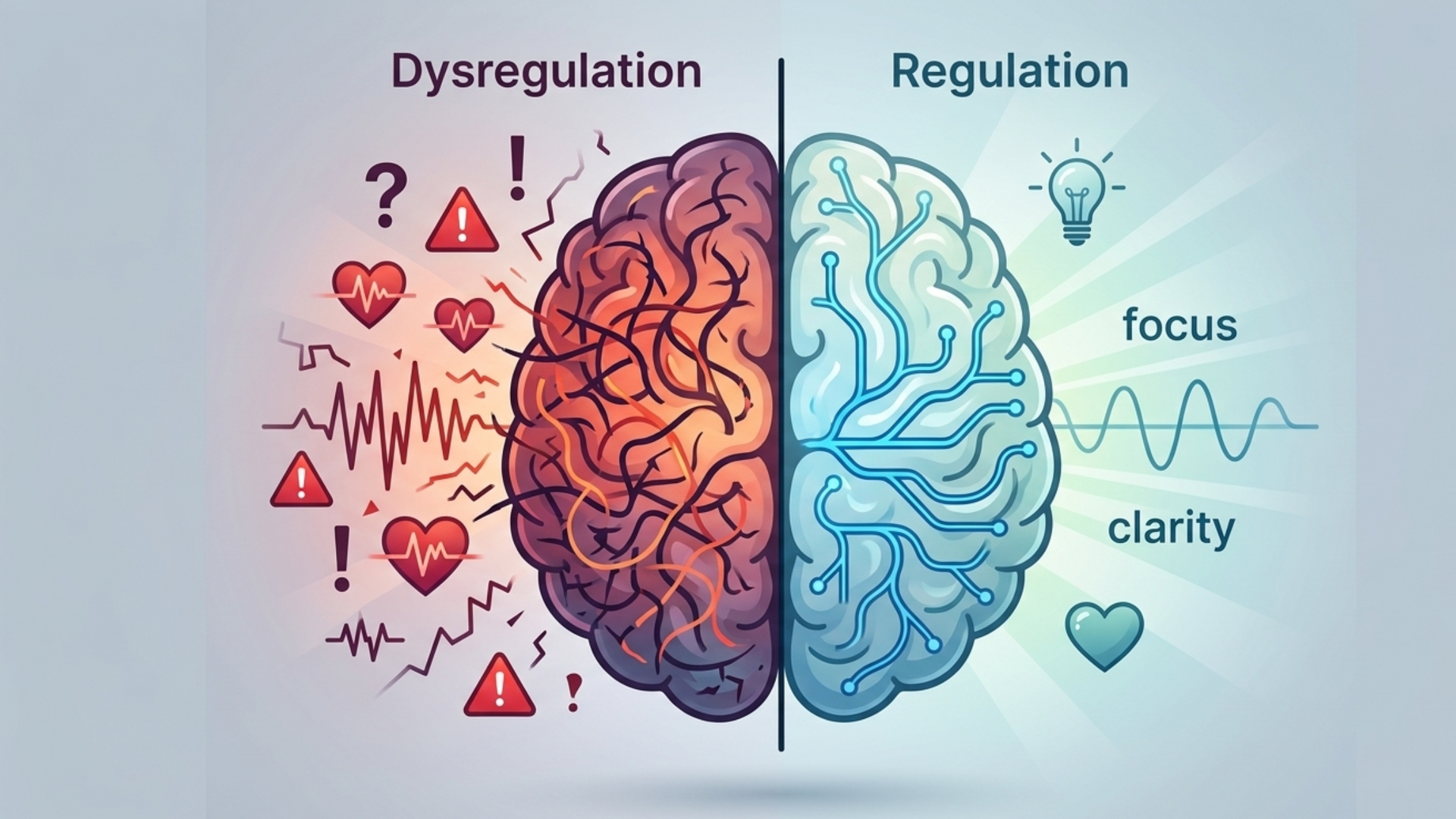
However, when arousal levels become too low, individuals may feel bored, distracted, or unmotivated. Conversely, excessively high arousal can lead to anxiety, stress, or nervousness, which may interfere with performance.
Because of this relationship, arousal theory emphasizes the importance of maintaining a balanced level of stimulation for optimal performance.
The Yerkes–Dodson Law
A major concept connected to arousal theory is the Yerkes–Dodson Law, developed by psychologists Robert Yerkes and John Dodson in 1908. This principle explains how performance changes depending on the level of arousal.
The relationship between arousal and performance is often represented by an inverted U-shaped curve. At low levels of arousal, performance tends to be poor because the individual may lack motivation or focus. As arousal increases, performance improves because the person becomes more alert and engaged.
However, once arousal becomes too high, performance begins to decline. High stress or extreme anxiety can interfere with concentration, decision-making, and coordination.
This relationship demonstrates that the best performance occurs at moderate levels of arousal, where individuals are alert but not overwhelmed.
Examples of Arousal Theory in Everyday Life
Arousal theory can be observed in many everyday situations. Students, athletes, and professionals often experience changes in performance depending on their level of excitement or stress.
For instance, athletes often perform best when they feel energized and focused but not overly nervous. Too little excitement may lead to lack of motivation, while excessive anxiety can negatively affect coordination and decision-making.
Similarly, students preparing for an exam may benefit from a moderate level of pressure that encourages concentration and preparation. However, extreme anxiety may lead to difficulty remembering information or staying focused during the test.
In work environments, individuals may seek stimulating tasks or challenges when they feel bored. At the same time, they may take breaks or practice relaxation techniques when they feel overwhelmed.
These examples illustrate how people naturally adjust their behavior to regulate their level of arousal.
Biological Factors Behind Arousal
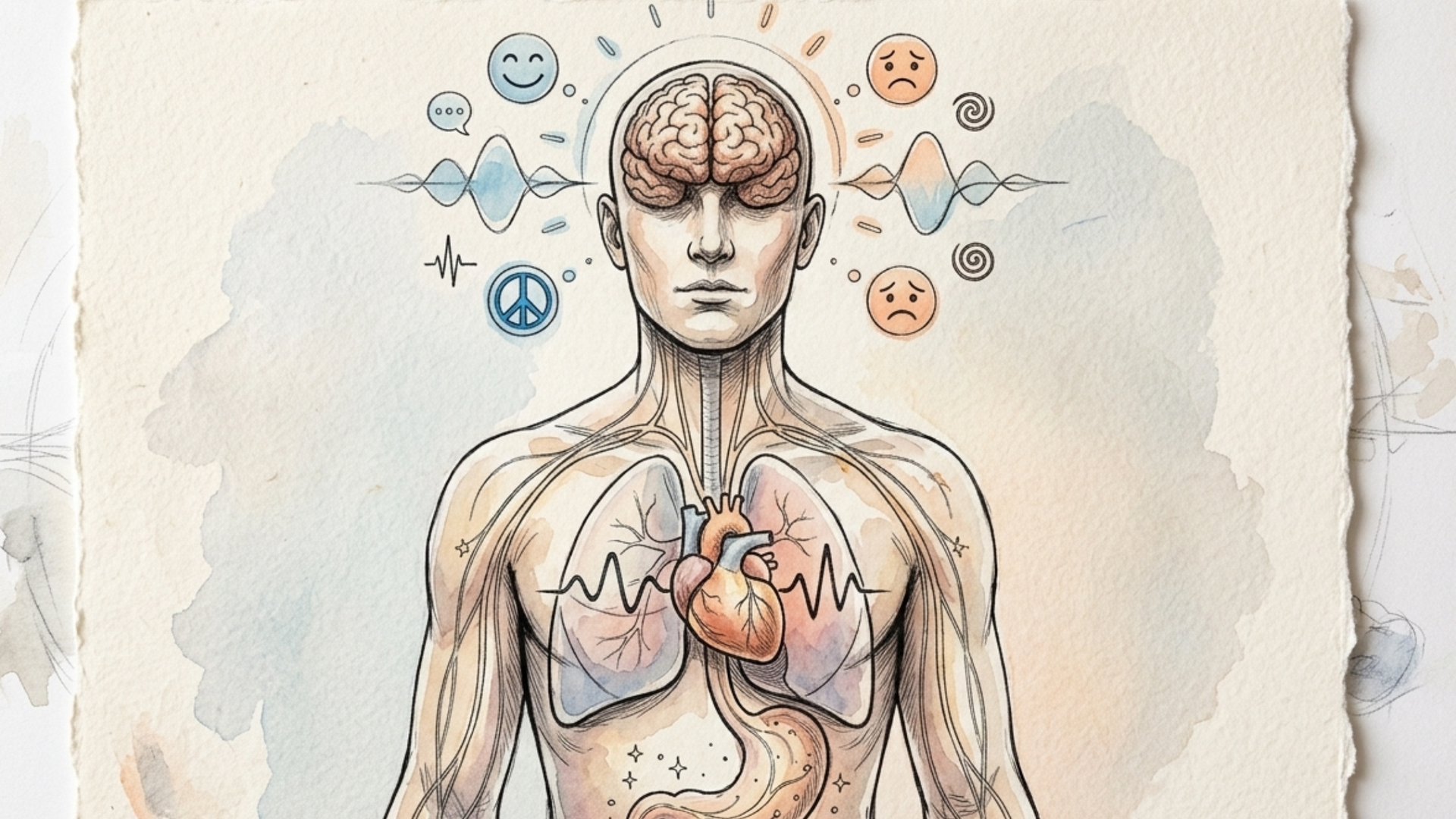
Arousal is not only a psychological state but also a physiological process involving several systems in the body. The brain and nervous system play key roles in regulating levels of alertness and responsiveness.
The reticular activating system (RAS) in the brainstem is particularly important in controlling wakefulness and attention. This network of neurons helps regulate the brain’s level of alertness and readiness to process information.
Hormones and neurotransmitters also influence arousal levels. Chemicals such as adrenaline, dopamine, and norepinephrine can increase alertness, attention, and energy during stimulating situations.
When a person experiences stress or excitement, the body activates the sympathetic nervous system, preparing the body for action. This process increases heart rate, breathing, and overall alertness.
These biological responses help explain why certain situations can significantly influence motivation and performance.
Individual Differences in Optimal Arousal
Not everyone has the same optimal level of arousal. Different people prefer different levels of stimulation depending on their personality, experiences, and environment.
Some individuals thrive in highly stimulating environments and enjoy activities that involve excitement or risk. Others prefer calmer environments with lower levels of stimulation.
These differences are often related to personality traits such as introversion and extraversion. Extroverted individuals typically seek higher levels of stimulation, while introverted individuals may feel more comfortable with lower levels of arousal.
Because of these differences, the level of arousal that leads to optimal performance can vary from one person to another.
Applications of Arousal Theory
Arousal theory has practical applications in several fields, including education, sports psychology, workplace productivity, and mental health.
In education, teachers may design engaging lessons and activities that stimulate curiosity and maintain student attention. In sports psychology, coaches help athletes manage their excitement and stress levels to achieve peak performance.
Workplace environments also benefit from understanding arousal theory. Employers often encourage breaks, goal-setting, and stimulating tasks to maintain productivity and reduce burnout.
Mental health professionals may use relaxation techniques, mindfulness, or stress-management strategies to help individuals regulate excessive arousal caused by anxiety or stress.
These applications demonstrate how understanding arousal levels can help improve performance, well-being, and motivation in everyday life.
Criticisms and Limitations
Although arousal theory provides valuable insight into motivation and performance, it is not a complete explanation of human behavior.
One limitation is that it focuses primarily on levels of stimulation, while human motivation is influenced by many other factors, including personal goals, emotions, social influences, and rewards.
Additionally, the theory does not always explain complex behaviors that involve long-term goals or personal values.
Despite these limitations, arousal theory remains an important concept in psychology because it highlights the strong connection between alertness, motivation, and performance.
Final Thoughts
Arousal theory offers a valuable framework for understanding how levels of alertness and stimulation influence human behavior and performance. According to the theory, people are motivated to maintain an optimal level of arousal that allows them to stay focused, engaged, and productive.
Too little stimulation can lead to boredom and reduced motivation, while excessive arousal can create stress and anxiety that interfere with performance. Finding the right balance is essential for achieving peak performance in academic, professional, and everyday situations.
Supporting your brain and cognitive health can also play a role in maintaining focus and mental balance. Take our quick quiz to get personalized supplement recommendations designed to support memory, focus, mood balance, and long-term brain health, helping you make informed choices for better cognitive wellness.
Frequently Asked Questions
What does “arousal” mean in psychology?
In psychology, arousal refers to the body’s level of alertness, activation, and readiness to respond to stimuli. It involves both mental awareness and physiological responses such as increased heart rate or attention.
How does arousal affect learning and concentration?
Moderate levels of arousal often improve focus and learning because they increase attention and motivation. However, very low or very high arousal levels can interfere with concentration and memory.
Is arousal theory only related to stress?
No. Arousal includes both positive and negative forms of stimulation, such as excitement, curiosity, fear, or anxiety. The theory focuses on how different levels of stimulation influence behavior and performance.
Can people control their level of arousal?
To some extent, yes. Techniques such as deep breathing, mindfulness, physical activity, and time management can help regulate stress and maintain balanced levels of arousal for better performance.