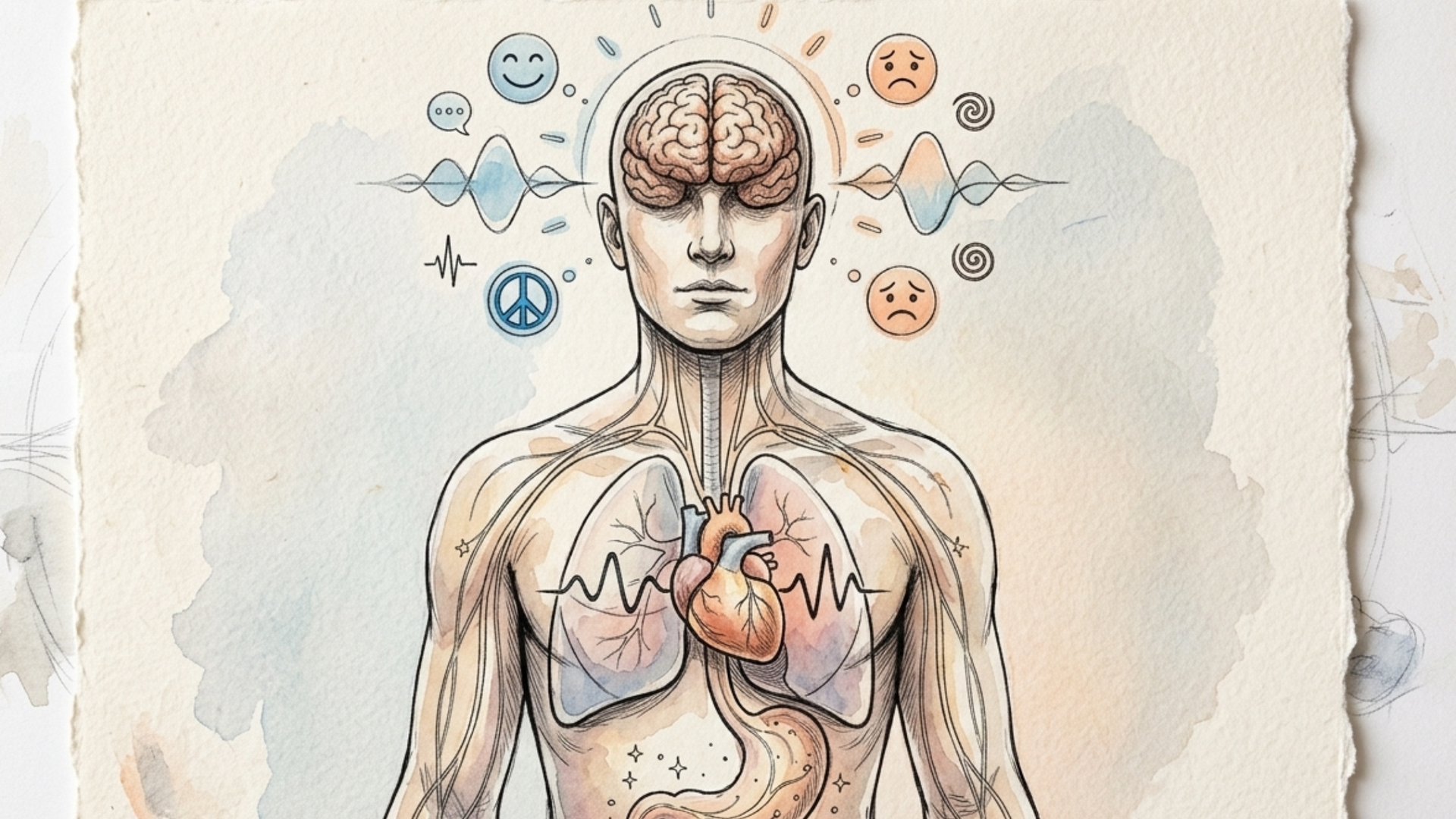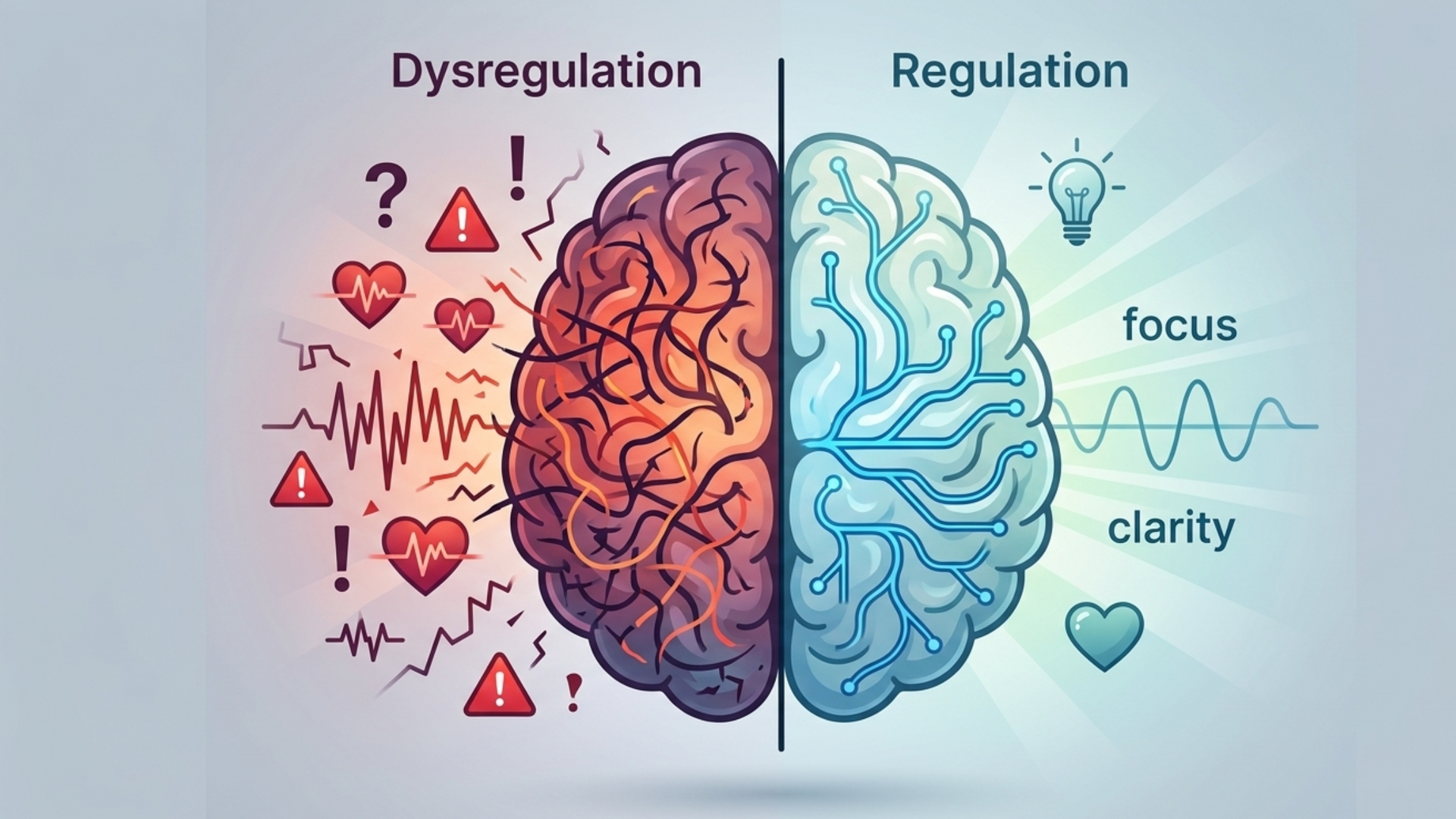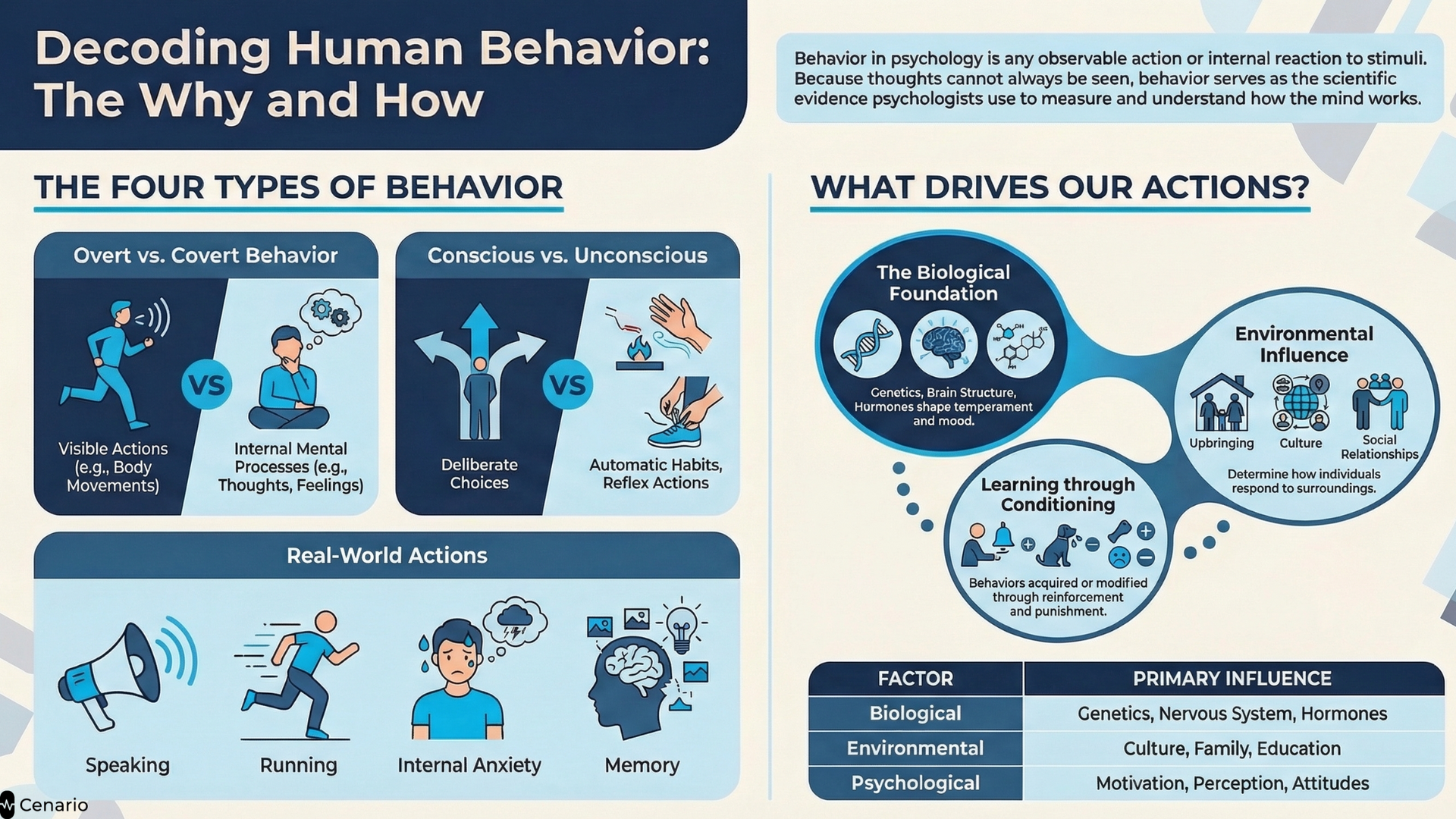

Behavior in psychology refers to any observable action or reaction of a person or animal in response to internal or external stimuli. It includes everything individuals do such as speaking, walking, studying, laughing, or even subtle actions like blinking and body language. Psychologists study behavior to understand how people interact with their environment, how they learn, and how mental processes influence actions.
Behavior is one of the central topics in psychology because it provides visible evidence of how the mind works. While thoughts and emotions cannot always be directly observed, behavior allows psychologists to measure and analyze human and animal responses scientifically.
You can read or explore more here at the Knowledge Hub for more mental health–related articles that help you better understand psychology, behavior, and overall well-being. If you’re interested in improving your mental wellness, you can also take the quiz to get personalized supplement recommendations designed to support focus, mood balance, cognitive performance, and overall mental health.
Understanding Behavior
In psychology, behavior is not limited to obvious physical actions. It also includes patterns of response shaped by biological factors, mental processes, and environmental influences.
For example, when a student studies hard for an exam, that behavior may be influenced by motivation, fear of failure, encouragement from parents, or personal goals. Similarly, a child smiling when receiving praise demonstrates behavior shaped by social interaction and emotional response.
Psychologists examine behavior to answer important questions such as:
- Why do people behave differently in similar situations?
- How do habits form?
- What influences learning and decision-making?
By studying these questions, psychologists can better understand human development, personality, and mental health.
Types of Behavior
Behavior in psychology is often categorized into different types to help researchers study it more effectively.
1. Overt Behavior
Overt behavior refers to actions that can be directly observed by others. These behaviors are visible and measurable.
Examples include:
- Talking
- Running
- Writing
- Smiling
- Crying
Because overt behaviors can be seen, psychologists often measure them in experiments and observations.
2. Covert Behavior
Covert behavior involves internal mental processes that cannot be directly observed. These include thoughts, emotions, and mental imagery.
Examples include:
- Thinking about a problem
- Feeling anxious before an exam
- Remembering a past event
Although covert behaviors are hidden, psychologists study them through self-reports, interviews, and psychological tests.
3. Conscious Behavior
Conscious behavior occurs when a person is aware of their actions and decisions. For instance, choosing to study instead of watching television is a conscious behavior.
4. Unconscious Behavior
Unconscious behavior happens without awareness or deliberate control. Reflex actions, habits, and some emotional responses often fall into this category.
Factors That Influence Behavior
Human behavior is complex and influenced by several interconnected factors.
Biological Factors
Biological elements such as genetics, brain structure, hormones, and the nervous system play a major role in shaping behavior. For example, certain genetic traits may influence temperament, while hormones can affect mood and emotional responses.
Environmental Factors
The environment also strongly affects behavior. Family upbringing, culture, education, social relationships, and life experiences all shape how people behave.
For example, a child raised in a supportive and encouraging environment may develop confidence and positive social behaviors.
Psychological Factors
Mental processes such as perception, motivation, attitudes, and emotions influence behavior. A person who believes they can succeed is more likely to engage in behaviors that help them reach their goals.
Behavior and Learning
Behavior is closely connected to the process of learning. Many psychologists have studied how behaviors are acquired and modified through experience.
One important theory is behaviorism, which suggests that behavior is learned through interaction with the environment. According to behaviorists like John B. Watson and B. F. Skinner, behavior can be shaped through reinforcement and punishment.
For example:
- A student who receives praise for good grades may be motivated to study more.
- A child who is scolded for misbehavior may avoid repeating that action.
These processes are known as conditioning, and they help explain how habits and routines develop.
Importance of Studying Behavior
Studying behavior is important because it helps psychologists understand how individuals think, learn, and interact with others. This knowledge has practical applications in many areas of life.
In education, understanding behavior helps teachers develop better learning strategies.
In clinical psychology, it helps professionals treat mental health disorders and behavioral problems.
In workplaces, understanding behavior can improve communication, leadership, and productivity.
Behavioral studies also contribute to fields such as health psychology, social psychology, and developmental psychology.
Behavior in Everyday Life
Behavior plays a role in nearly every aspect of daily life. The way people communicate, solve problems, manage emotions, and interact socially all involve patterns of behavior.
For example:
- Choosing healthy habits like exercise and balanced eating reflects behavioral choices influenced by knowledge and motivation.
- Social behaviors such as cooperation, empathy, and respect shape relationships and communities.
By understanding behavior, individuals can become more aware of their actions and develop healthier and more effective ways of responding to life’s challenges.
Conclusion
Behavior is a fundamental concept in psychology that focuses on the actions and reactions of individuals in different situations. It is shaped by biological, psychological, and environmental factors, and it plays a crucial role in learning, social interaction, and personal development.
Through the scientific study of behavior, psychologists gain valuable insights into how people function and how behaviors can be changed or improved. Understanding behavior not only advances psychological research but also helps individuals lead more balanced and productive lives.
If you want to take the next step in improving your mental well-being, take the quiz to get personalized supplement recommendations designed to support your focus, mood, stress management, and overall cognitive health. It’s a quick way to discover options tailored to your specific needs and lifestyle.
Frequently Asked Questions
What is behavior in psychology?
Behavior in psychology refers to any action or reaction of a person or animal in response to internal thoughts or external environmental stimuli. It includes observable actions like speaking or walking as well as internal processes such as thinking and feeling.
What are the main types of behavior studied in psychology?
Psychologists commonly classify behavior into two main types: overt behavior, which can be directly observed (such as talking or writing), and covert behavior, which involves internal mental processes like thoughts, emotions, and memories.
What factors influence human behavior?
Human behavior is influenced by a combination of biological factors (genetics, hormones, brain activity), environmental factors (family, culture, education), and psychological factors (beliefs, emotions, motivation, and perception).
Why is understanding behavior important?
Understanding behavior helps psychologists and researchers explain how people think, learn, and interact with others. This knowledge is used to improve education, support mental health treatment, strengthen relationships, and develop healthier habits in everyday life.