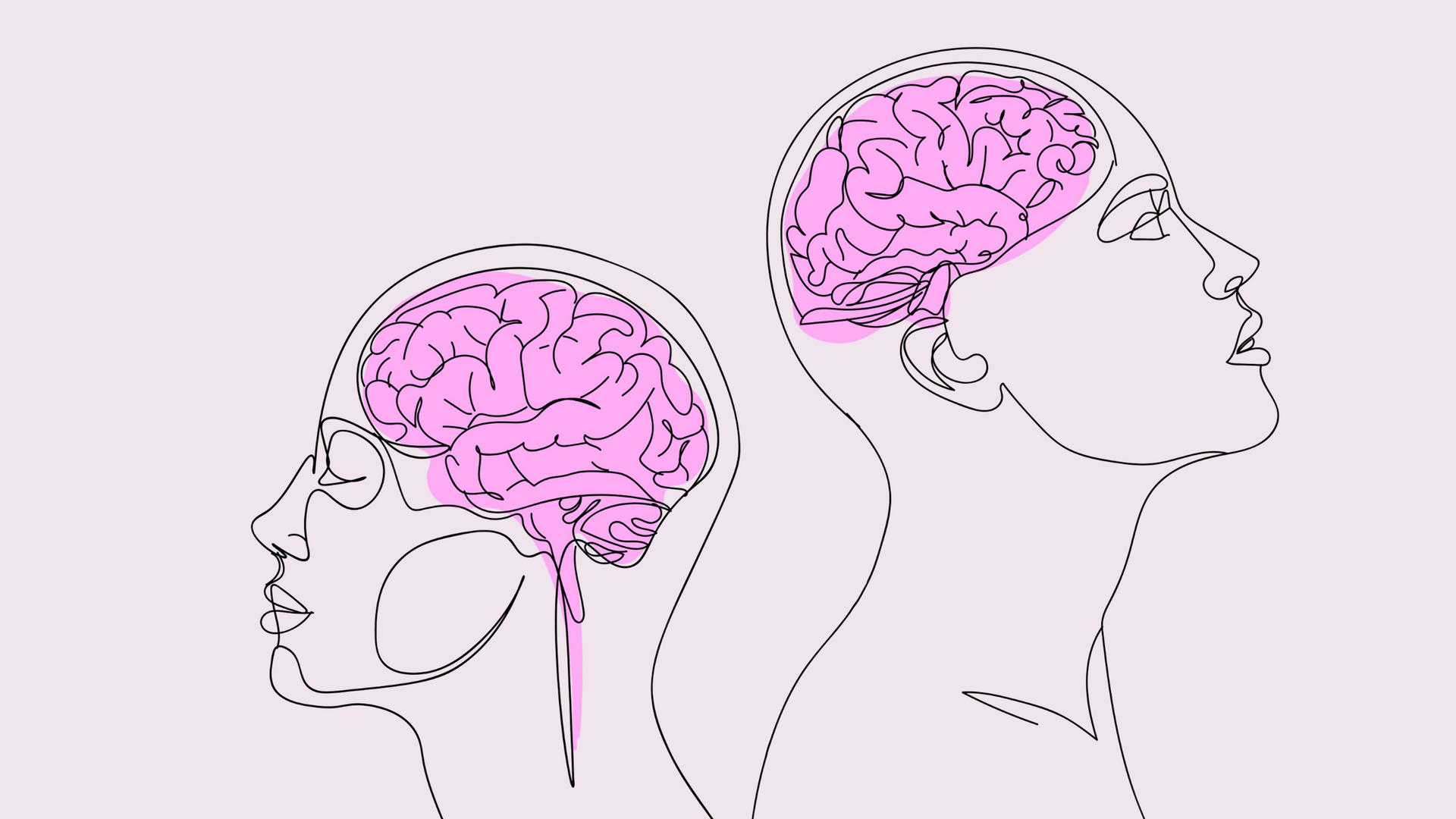

The brain is the most complex organ in the human body. It serves as the control center for everything you think, feel, and do from basic survival functions like breathing and heartbeat to advanced processes like decision-making, memory, and emotions.
Weighing about 1.3 to 1.4 kilograms, the brain contains billions of nerve cells called neurons that communicate through electrical and chemical signals. These signals form networks that allow the brain to process information, store memories, and coordinate behavior.
If you want to better understand how your brain affects your mental health and performance, you can explore more in our Knowledge Hub and take the quiz to get personalized supplement recommendations designed to support focus, mood, and cognitive function.
Structure of the Brain
The brain is made up of several major parts, each with specific roles.
The cerebrum is the largest part and is responsible for higher functions such as thinking, reasoning, language, and voluntary movement. It is divided into two hemispheres (left and right), each controlling different aspects of the body.
The cerebellum, located at the back of the brain, helps coordinate movement, balance, and posture. It ensures that physical actions are smooth and precise.
The brainstem connects the brain to the spinal cord and controls vital functions such as breathing, heart rate, and blood pressure. These processes happen automatically without conscious effort.
Within the brain, specific regions also play key roles. The prefrontal cortex is involved in planning and decision-making, the amygdala processes emotions like fear and stress, and the hippocampus is essential for memory formation.
How the Brain Works
The brain operates through a vast network of neurons that send and receive signals.
Neurons communicate across tiny gaps called synapses using chemical messengers known as neurotransmitters. These chemicals, such as dopamine, serotonin, and norepinephrine—help regulate mood, attention, motivation, and many other functions.
When you think, learn, or experience something new, your brain forms and strengthens connections between neurons. This ability is known as neuroplasticity, which allows the brain to adapt and change over time.
This is why learning, habits, and experiences can shape how your brain functions.
The Brain and the Body
The brain does not work alone, it is part of the central nervous system, which includes the spinal cord and connects to the entire body.
It constantly receives information from the senses, such as sight, sound, and touch, and sends signals back to control movement and internal processes.
The brain also regulates hormones through its connection with the endocrine system. This affects stress levels, sleep cycles, appetite, and energy.
Because of these connections, changes in the brain can influence both physical and mental health.
The Brain and Mental Health
Mental health is closely tied to brain function.
Imbalances in neurotransmitters, changes in brain activity, or structural differences can influence mood, behavior, and thinking patterns.
For example, low levels of certain neurotransmitters may be associated with low mood or reduced motivation, while overactivity in stress-related areas of the brain can contribute to anxiety.
However, mental health is not determined by biology alone. It is shaped by a combination of biological, psychological, and environmental factors.
Energy and the Brain
The brain is highly energy-demanding. Although it makes up only about 2% of body weight, it uses around 20% of the body’s energy.
Its primary fuel is glucose (blood sugar), which is why stable nutrition is important for focus and mental clarity.
Oxygen is also essential. Even short disruptions in oxygen supply can affect brain function.
This is why lifestyle factors such as diet, sleep, and physical activity play a crucial role in maintaining brain health.
Protecting and Supporting Brain Health
The brain is protected by the skull and cushioned by fluid, but it still requires proper care to function optimally.
Healthy habits can support brain function over time. Getting enough sleep allows the brain to recover and process information. Physical activity improves blood flow to the brain, supporting cognitive function.
Managing stress is also important, as chronic stress can affect brain structure and function.
Engaging in learning, problem-solving, and social interaction can help maintain cognitive health and support neuroplasticity.
Common Challenges Affecting the Brain
The brain can be affected by various challenges, both short-term and long-term.
Stress, fatigue, and lack of sleep can reduce focus and memory. Emotional strain can affect mood and decision-making.
Long-term issues may include cognitive decline or neurological conditions, which can impact thinking, memory, and behavior.
Understanding how the brain works can help you recognize these challenges and take steps to support your mental and cognitive health.
Final Thought
The brain is the foundation of everything you experience your thoughts, emotions, memories, and actions all begin here.
By understanding how it works and taking steps to support its health, you can improve not only your cognitive performance but also your overall well-being.
If you want to take a more personalized approach to supporting your brain, consider taking the quiz to get supplement recommendations designed to match your needs, helping you improve focus, mood, and mental clarity.
Frequently Asked Questions
Can the brain change and improve over time?
Yes, the brain has the ability to change through a process called neuroplasticity. This means it can form new connections and adapt based on experiences, learning, and habits. Activities like studying, practicing new skills, and maintaining healthy routines can support this process.
What are the most important things for brain health?
Key factors include proper sleep, balanced nutrition, regular physical activity, stress management, and mental stimulation. These support brain function, memory, and emotional balance over time.
Does the brain affect emotions and behavior?
Yes, the brain plays a central role in regulating emotions and behavior. Different regions and neurotransmitters influence how you feel, react, and make decisions. Changes in brain function can directly affect mood and actions.