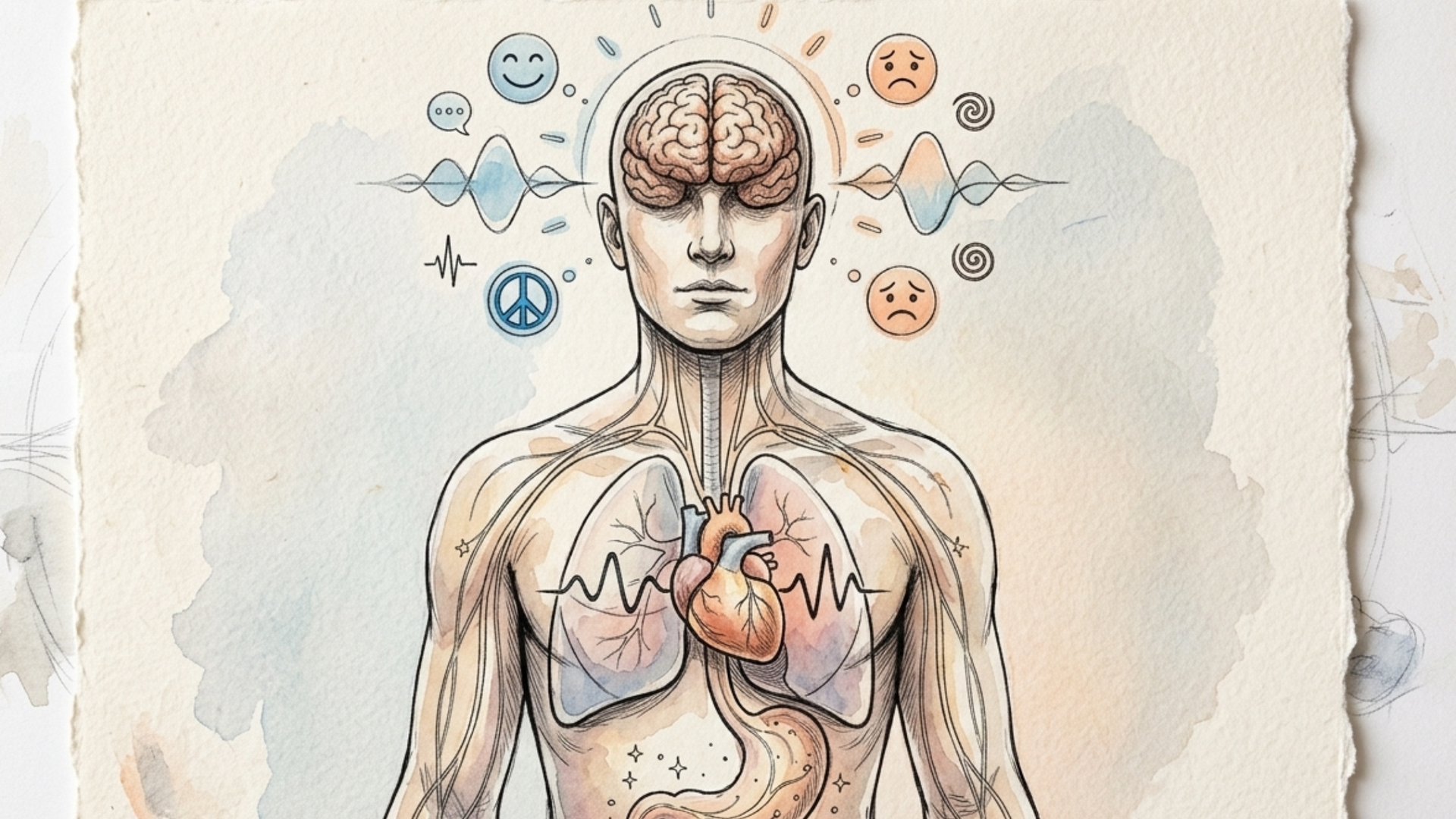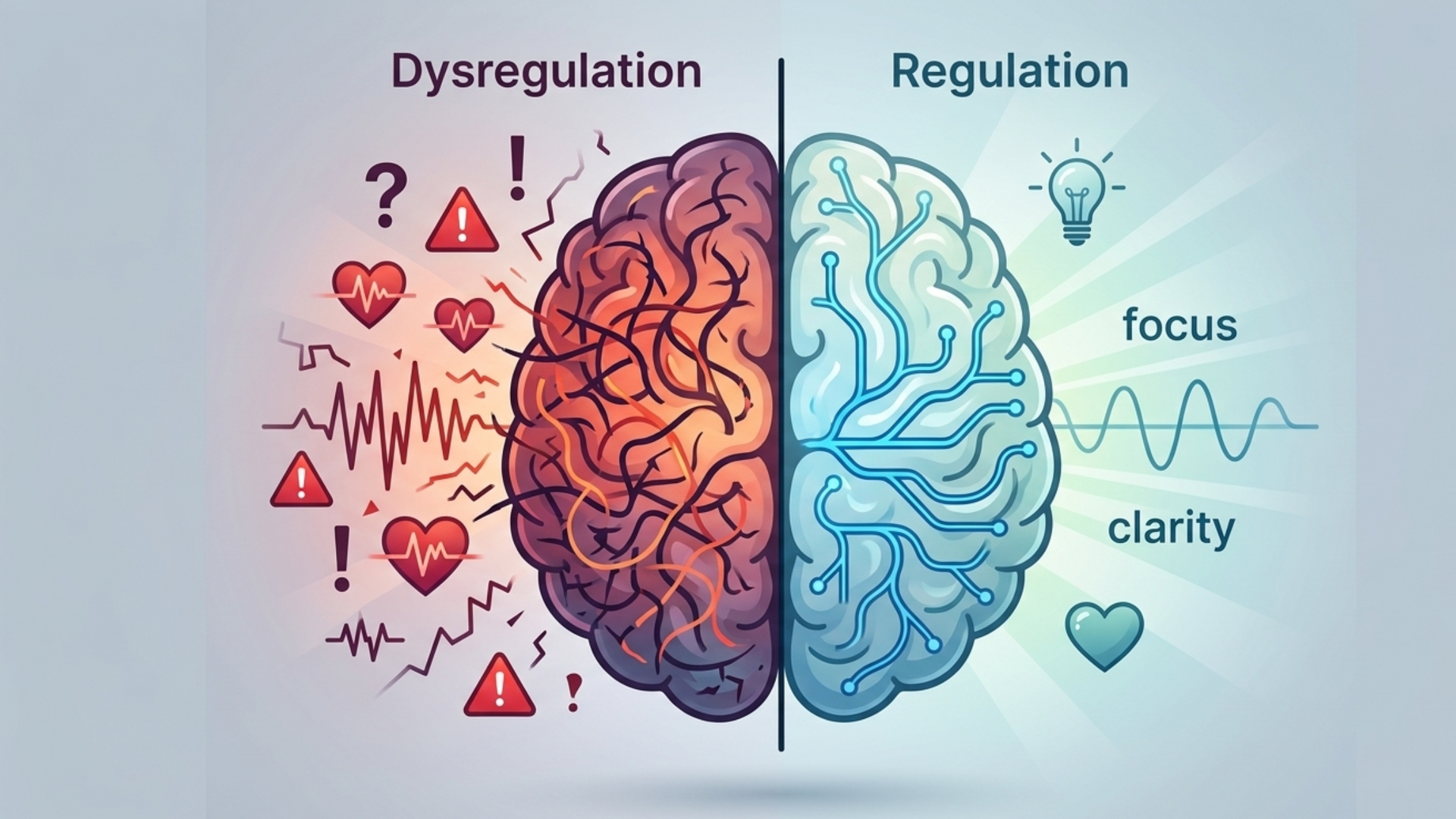

Burnout syndrome is a psychological condition that results from prolonged exposure to chronic stress, particularly in work or demanding environments. It is characterized by feelings of emotional exhaustion, reduced motivation, and a sense of decreased accomplishment. People experiencing burnout often feel overwhelmed, mentally drained, and unable to cope with ongoing pressures in their professional or personal lives.
The concept of burnout syndrome was first widely discussed by Herbert Freudenberger in the 1970s. Freudenberger observed that individuals working in high-pressure professions, especially those involving caregiving or service roles, often developed emotional fatigue and reduced enthusiasm for their work after long periods of stress. Later research expanded this concept and identified burnout as an important topic in occupational health and psychology.
Burnout syndrome is now recognized as a significant issue that can affect mental health, workplace productivity, and overall quality of life.
If you want to learn more about mental health, stress management, and emotional well-being, you can read or explore more articles in the Knowledge Hub for additional mental health and psychology topics. You can also take the quiz to get personalized supplement recommendations designed to support focus, stress resilience, emotional balance, and overall cognitive wellness.
Key Characteristics of Burnout
Burnout syndrome typically develops gradually rather than appearing suddenly. It often begins with prolonged exposure to demanding situations, excessive workload, or ongoing emotional pressure.
Psychologists generally describe burnout through three main components:
- Emotional exhaustion, which involves feeling drained, fatigued, and unable to recover energy even after rest.
- Depersonalization or cynicism, where individuals may develop negative attitudes toward their work, colleagues, or responsibilities.
- Reduced personal accomplishment, characterized by feelings of inefficiency, self-doubt, or a belief that one’s efforts are no longer meaningful or effective.
These components can interact and intensify over time, leading to a cycle of stress and emotional fatigue.
Causes of Burnout Syndrome
Burnout syndrome can develop when individuals experience continuous stress without sufficient recovery or support. Several environmental and personal factors can contribute to burnout.
Common causes include:
- Excessive workload – Constant pressure to meet deadlines or manage large responsibilities without adequate rest.
- Lack of control – Feeling powerless to influence decisions, schedules, or work conditions.
- Limited recognition or reward – When effort and achievements are not acknowledged or appreciated.
- Workplace conflict or poor communication – Tension with colleagues, supervisors, or unclear expectations.
- Perfectionism or high personal expectations – Individuals who set extremely high standards for themselves may become more vulnerable to burnout.
- Poor work-life balance – Limited time for relaxation, hobbies, or personal relationships.
When several of these factors occur together over long periods, the risk of burnout increases significantly.
Symptoms of Burnout
Burnout can affect emotional, physical, and behavioral functioning. Symptoms often appear gradually and may intensify if the underlying stress continues.
Common symptoms include:
- Persistent fatigue or emotional exhaustion
- Decreased motivation or enthusiasm for work
- Difficulty concentrating or reduced productivity
- Increased irritability, frustration, or mood changes
- Feelings of detachment or cynicism toward responsibilities
- Sleep disturbances or chronic tiredness
- Frequent headaches or physical tension
Recognizing these symptoms early can help individuals address stress before burnout becomes severe.
Burnout and Mental Health
Burnout syndrome is closely related to mental health because chronic stress can influence emotional well-being, cognitive functioning, and mood. Prolonged burnout may increase the risk of anxiety, depressive symptoms, and emotional exhaustion.
Researchers emphasize that burnout is not simply a result of personal weakness or lack of motivation. Instead, it often reflects ongoing environmental pressures combined with limited opportunities for recovery.
Addressing burnout therefore requires both individual coping strategies and supportive environments that promote balance and well-being.
Burnout in Different Areas of Life
Although burnout is often associated with workplace stress, it can occur in other areas of life as well. Students may experience academic burnout due to heavy workloads, performance pressure, and long periods of studying.
Caregivers and parents may also experience burnout when facing ongoing emotional demands and responsibilities without sufficient support.
In each case, the underlying issue involves prolonged stress combined with limited time for rest, recovery, and emotional renewal.
Preventing and Managing Burnout
Managing burnout often involves addressing both personal coping strategies and environmental conditions. Developing healthy routines, maintaining supportive relationships, and setting realistic expectations can help reduce stress.
Regular physical activity, adequate sleep, and relaxation practices can support emotional recovery and mental clarity. In workplace settings, organizations can help prevent burnout by promoting balanced workloads, clear communication, and supportive leadership.
Recognizing early signs of burnout allows individuals to make adjustments before stress becomes overwhelming.
Modern Research on Burnout
Modern research continues to explore how burnout affects both mental and physical health. Studies have shown that chronic stress can influence brain functioning, emotional regulation, and immune system responses.
Researchers also examine how workplace policies, leadership styles, and organizational culture influence burnout levels. Understanding these factors helps organizations design healthier work environments and promote employee well-being.
These findings highlight the importance of balancing productivity with mental health support.
Final Thoughts
Burnout syndrome represents a state of emotional, mental, and physical exhaustion caused by prolonged exposure to stress. It often develops gradually when individuals face ongoing demands without adequate recovery or support.
Understanding burnout helps individuals and organizations recognize the importance of maintaining balance, managing stress, and creating environments that support well-being. By addressing both personal coping strategies and workplace conditions, it is possible to reduce burnout and promote healthier, more sustainable approaches to work and daily life.
Frequently Asked Questions
How is burnout different from normal stress?
Stress is usually temporary and often related to specific challenges or deadlines. People experiencing stress may still feel motivated to complete tasks once the pressure decreases. Burnout, however, develops after prolonged and unmanaged stress, leading to emotional exhaustion, reduced motivation, and a sense of detachment from work or responsibilities.
Who is most at risk of burnout syndrome?
Burnout can affect anyone, but it is more common among individuals in high-pressure or emotionally demanding roles. Professions such as healthcare workers, teachers, social workers, and caregivers often face high levels of responsibility and emotional involvement, which can increase the risk of burnout if proper support and balance are not maintained.
Can burnout affect physical health?
Yes, burnout can influence physical health. Chronic stress associated with burnout may lead to symptoms such as fatigue, sleep problems, headaches, muscle tension, and weakened immune function. Over time, ongoing stress may also increase the risk of other health concerns if it is not properly managed.
How long does it take to recover from burnout?
Recovery from burnout varies from person to person. Some individuals may begin to feel better after making lifestyle adjustments, improving work-life balance, and reducing stress levels. In more severe cases, recovery may require longer periods of rest, changes in work conditions, or professional support to restore emotional and mental well-being.