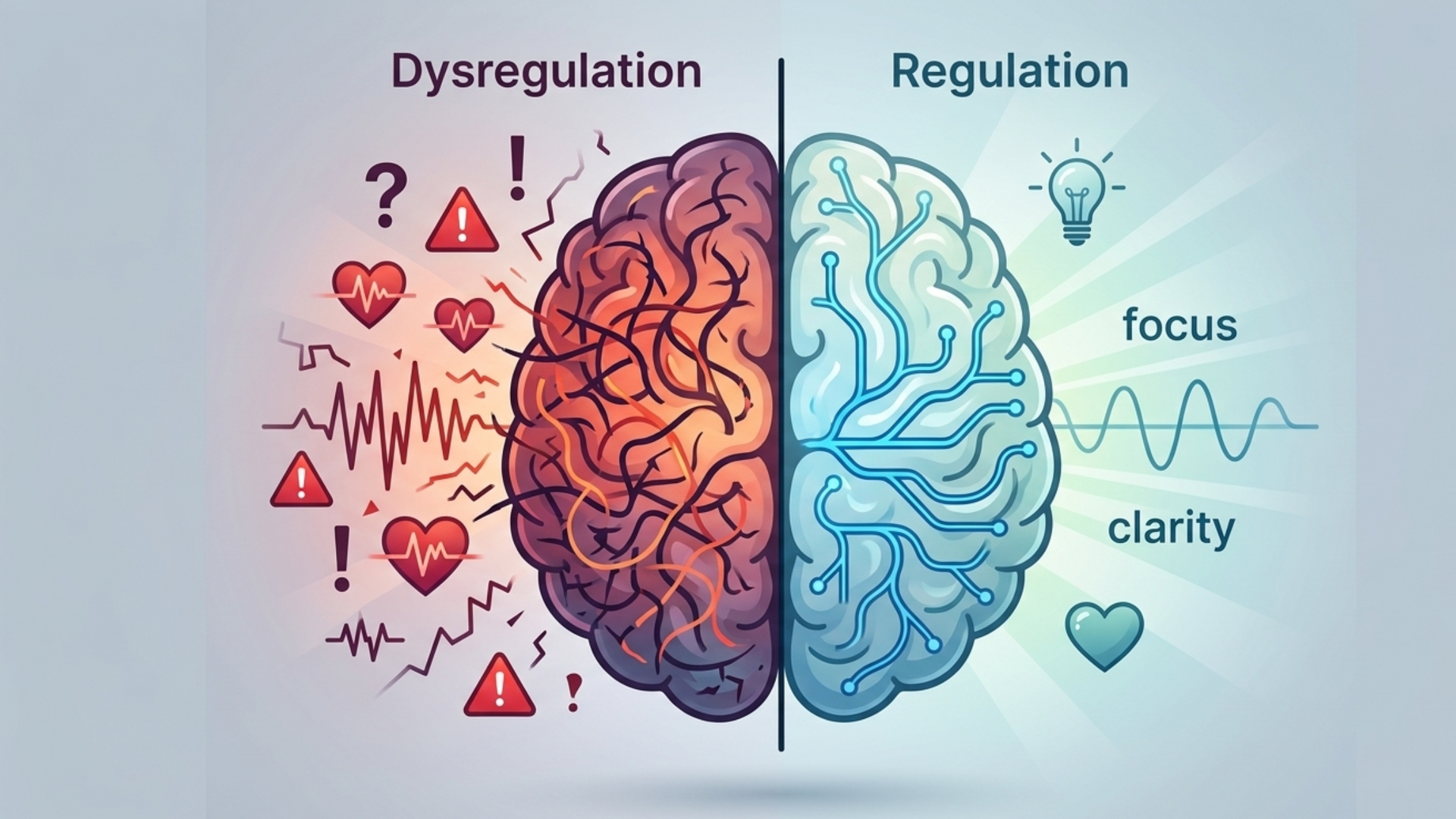

Congruence in psychology refers to a state of alignment between a person’s self-concept, emotions, and behaviors. When someone is congruent, their internal experiences, such as thoughts, feelings, and beliefs are consistent with how they see themselves and how they act in the world. This alignment creates a sense of authenticity and psychological balance.
The concept of congruence is closely associated with the work of Carl Rogers, a leading figure in humanistic psychology. Rogers believed that psychological well-being depends on the degree to which a person’s self-image matches their real experiences. When individuals are able to accept their feelings and express them honestly, they experience greater congruence and emotional health.
Understanding congruence helps psychologists explain how self-awareness, acceptance, and personal growth contribute to a healthy personality.
If you want to explore more mental health and psychology topics, you can read or explore more here in the Knowledge Hub for additional articles related to emotional well-being and human behavior. You can also take the quiz to get personalized supplement recommendations designed to support focus, emotional balance, stress resilience, and overall cognitive wellness.
The Meaning of Congruence in Psychology
Congruence occurs when a person’s inner experiences are consistent with their outward expression. In other words, what someone feels internally matches how they behave and present themselves to others.
For example, a person who feels confident and comfortable expressing their thoughts honestly may demonstrate congruent behavior. Their actions, feelings, and beliefs are aligned, which can lead to greater emotional clarity and stability.
In contrast, when individuals hide or deny their true feelings in order to meet external expectations, they may experience psychological tension. This situation can create a mismatch between their internal experiences and their outward behavior.
Congruence therefore represents a state of authenticity in which individuals acknowledge and accept their emotions rather than suppressing or distorting them.
Congruence and Self-Concept
In Rogers’ theory, the self-concept refers to the collection of beliefs individuals hold about themselves. This includes perceptions about personality traits, abilities, values, and identity.
Congruence occurs when a person’s real experiences are consistent with their self-concept. For instance, if someone believes they are compassionate and regularly acts in caring ways, their experiences support their self-concept.
However, when experiences contradict self-beliefs, a state known as incongruence may occur. Incongruence happens when individuals feel a conflict between their self-image and their actual experiences.
For example, a person who believes they must always appear strong may struggle to acknowledge feelings of vulnerability. This mismatch can lead to emotional discomfort and confusion.
Congruence in Therapy
In person-centered therapy, congruence is not only important for clients but also for therapists. Carl Rogers emphasized that therapists should be genuine and authentic in their interactions with clients.
When therapists demonstrate congruence, they communicate honestly and openly rather than hiding behind a professional role. This authenticity helps create a supportive environment where clients feel safe to explore their thoughts and emotions.
Rogers believed that three conditions are essential for effective therapeutic relationships: empathy, unconditional positive regard, and congruence. Together, these qualities help individuals develop greater self-understanding and personal growth.
Benefits of Congruence
When individuals experience congruence, they often feel more comfortable with themselves and their emotions. This alignment can lead to several psychological benefits.
People who are congruent may experience greater self-acceptance, improved emotional awareness, and stronger interpersonal relationships. Because they are more open about their feelings and values, they often communicate more clearly and authentically.
Congruence can also support personal growth by encouraging individuals to acknowledge their true experiences rather than ignoring or denying them.
Developing Congruence
Developing congruence often involves increasing self-awareness and practicing honest self-reflection. Individuals may begin by recognizing their emotions and understanding how these feelings relate to their values and beliefs.
Open communication with others can also help individuals express their thoughts more authentically. Over time, this process can strengthen alignment between internal experiences and outward behavior.
Supportive environments such as relationships that encourage acceptance and understanding can also promote congruence by allowing individuals to feel safe expressing their true selves.
Final Thoughts
Congruence is an important concept in humanistic psychology that describes the alignment between a person’s self-concept, emotions, and behavior. When individuals accept their experiences and express themselves authentically, they are more likely to experience emotional balance and psychological well-being.
Through greater self-awareness, empathy, and acceptance, individuals can gradually develop a stronger sense of congruence. This alignment supports healthier relationships, clearer self-understanding, and continued personal growth.
Frequently Asked Questions
What does congruence mean in psychology?
Congruence refers to the alignment between a person’s inner experiences, self-concept, and outward behavior. When individuals are congruent, they act in ways that reflect their true thoughts and feelings.
What is incongruence?
Incongruence occurs when there is a mismatch between a person’s self-concept and their actual experiences. This conflict may create emotional discomfort because individuals may feel pressure to deny or hide their true feelings.
Why is congruence important in therapy?
Congruence is important in therapy because it helps create an authentic and trusting relationship between the therapist and client. When therapists are genuine and transparent, clients may feel more comfortable expressing their emotions and exploring personal challenges.
How can someone become more congruent?
Developing congruence involves increasing self-awareness, acknowledging emotions honestly, and aligning actions with personal values. Practicing open communication and self-reflection can help individuals become more authentic in their daily lives.