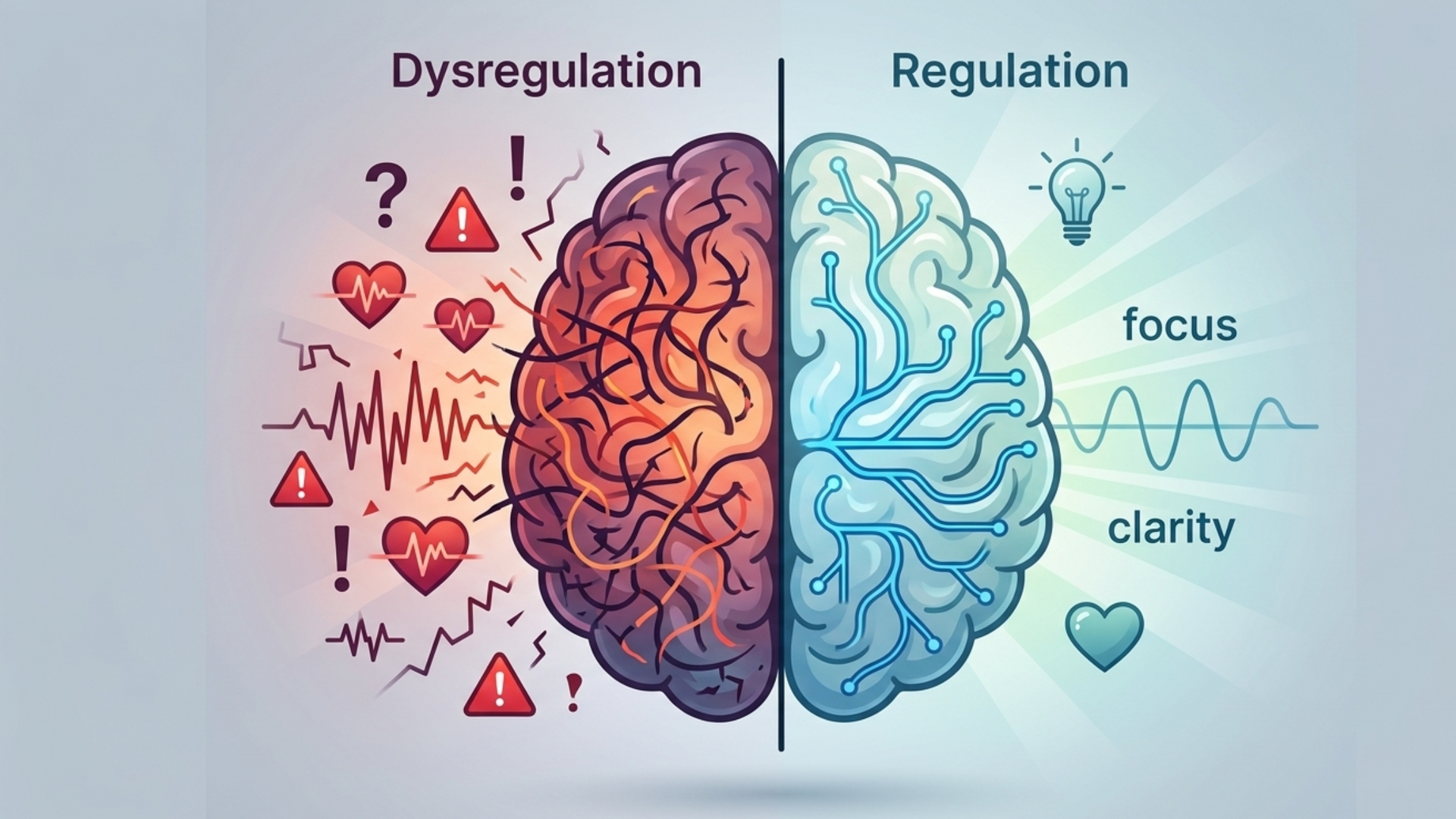

Dark psychology is a term used to describe the study of psychological techniques that individuals may use to manipulate, influence, or control the thoughts, emotions, and behaviors of others for personal gain. It focuses on understanding how certain people use psychological strategies such as deception, persuasion, intimidation, or emotional manipulation to achieve their goals.
Although the term is not an official branch of psychology, it is commonly discussed in relation to personality traits, manipulation tactics, and unethical forms of influence. Researchers often connect dark psychology with personality characteristics known as the Dark Triad, which includes narcissism, Machiavellianism, and psychopathy.
Understanding dark psychology is important because it helps individuals recognize harmful behaviors and protect themselves from manipulation in personal, social, and professional relationships.
You can read or explore more here at the Knowledge Hub for more mental health and psychology-related articles to learn about topics such as emotional intelligence, behavior patterns, personality traits, and cognitive well-being. If you’re interested in supporting your mental performance and emotional balance, you can also take the quiz to get personalized supplement recommendations designed to support focus, mood balance, stress resilience, and overall cognitive health.
Understanding Dark Psychology
Dark psychology focuses on how certain individuals intentionally influence others by exploiting psychological vulnerabilities. These behaviors often involve gaining power, control, or advantage over another person.
For example, a manipulative person might use guilt, fear, or emotional pressure to influence someone’s decisions. In other situations, individuals may use lies, gaslighting, or persuasion techniques to make others doubt their own perceptions or beliefs.
The study of dark psychology helps psychologists understand why some people engage in manipulative behavior and how such behaviors affect relationships and mental health.
The Dark Triad of Personality
One of the most important concepts related to dark psychology is the Dark Triad, a group of three personality traits associated with manipulative and socially harmful behavior.
Narcissism
Narcissism refers to an excessive sense of self-importance and a strong desire for admiration. Individuals with narcissistic traits often believe they are superior to others and may seek constant attention or praise.
They may manipulate situations or relationships to maintain their sense of superiority and control.
Machiavellianism
Machiavellianism involves strategic manipulation, deception, and exploitation of others to achieve personal goals. People with high levels of Machiavellian traits are often highly calculating and may prioritize success or power over honesty or ethics.
The term originates from the political ideas of Niccolò Machiavelli, who wrote about strategies for gaining and maintaining power.
Psychopathy
Psychopathy is characterized by a lack of empathy, shallow emotions, and impulsive behavior. Individuals with psychopathic traits may show little concern for the feelings or well-being of others and may engage in risky or harmful actions without guilt.
Not all individuals with psychopathic traits engage in criminal behavior, but the lack of empathy can make manipulation easier.
Common Manipulation Techniques
Dark psychology often involves specific techniques used to influence or control others. These methods may occur in personal relationships, workplaces, or social environments.
Gaslighting
Gaslighting is a form of psychological manipulation in which a person causes another individual to question their own memories, perceptions, or judgment. Over time, this can weaken the victim’s confidence and make them more dependent on the manipulator.
Emotional Manipulation
Emotional manipulation involves using emotions such as guilt, fear, or sympathy to influence someone’s behavior. For example, a person may exaggerate their suffering to gain attention or pressure others into doing what they want.
Deception and Lies
Manipulators may use false information, half-truths, or misleading statements to control situations or hide their intentions.
Love Bombing
Love bombing is a tactic in which someone gives excessive affection, praise, or attention early in a relationship to quickly gain trust and emotional influence.
Dark Psychology in Everyday Situations
Dark psychology can appear in many everyday situations, including personal relationships, workplaces, politics, and social interactions.
For example, in the workplace, a manipulative coworker may take credit for others’ work or use persuasion to influence decisions. In relationships, one partner might use emotional pressure to control the other.
Recognizing these patterns helps individuals respond more effectively and avoid being exploited.
Effects of Dark Psychological Behavior
Exposure to manipulative behavior can have negative emotional and psychological effects on individuals. Victims may experience:
- Low self-esteem
- Anxiety or stress
- Confusion or self-doubt
- Emotional exhaustion
- Difficulty trusting others
Long-term manipulation can harm personal relationships and emotional well-being.
Recognizing and Protecting Against Manipulation
Understanding dark psychology can help individuals recognize warning signs of manipulation and protect themselves from harmful influence.
Some strategies for protection include:
- Developing strong self-awareness
- Setting clear personal boundaries
- Questioning suspicious behavior or inconsistent information
- Seeking advice or support from trusted individuals
- Learning effective communication and assertiveness skills
Education and awareness are important tools for preventing manipulation and maintaining healthy relationships.
Ethical Perspective in Psychology
While dark psychology focuses on harmful manipulation, professional psychology emphasizes ethical behavior, respect, and well-being. Psychologists study these manipulative tactics mainly to understand human behavior and help people recognize and avoid harmful interactions.
Ethical psychological practice aims to promote healthy communication, empathy, and responsible influence.
Conclusion
Dark psychology refers to the study of manipulative psychological techniques used to influence or control others for personal advantage. It is often associated with personality traits such as narcissism, Machiavellianism, and psychopathy, collectively known as the Dark Triad.
By understanding the tactics and behaviors involved in dark psychology, individuals can become more aware of manipulation and develop strategies to protect themselves. Awareness of these concepts supports healthier relationships, better decision-making, and improved emotional well-being.
If you want to support your mental clarity and emotional well-being, take the quiz to get personalized supplement recommendations designed to support focus, mood balance, stress management, and overall brain health. The quick quiz helps identify options tailored to your individual needs and lifestyle.
Frequently Asked Questions
What is the Dark Triad in psychology?
The Dark Triad is a group of three personality traits that are often linked with manipulative, self-centered, and socially harmful behavior. These traits include narcissism, Machiavellianism, and psychopathy.
- Narcissism involves an inflated sense of self-importance, a need for admiration, and a lack of empathy for others.
- Machiavellianism refers to a tendency to manipulate and deceive others strategically in order to achieve personal goals or gain power.
- Psychopathy is associated with impulsive behavior, emotional detachment, and a lack of guilt or empathy.
Individuals who show high levels of these traits may be more likely to use manipulation or exploitation in relationships and social interactions.
What are common manipulation tactics related to dark psychology?
Several manipulation techniques are commonly associated with dark psychology. One well-known tactic is gaslighting, where a person causes someone else to doubt their own memories or perception of events. Another tactic is emotional manipulation, which involves using guilt, fear, sympathy, or pressure to influence someone’s decisions. Other methods may include deception, exaggeration, blame-shifting, and love bombing, where excessive affection and attention are used to gain emotional control. These tactics can gradually affect a person’s confidence, independence, and ability to trust their own judgment.
How can someone protect themselves from psychological manipulation?
Protecting yourself from psychological manipulation begins with awareness and understanding of manipulative behaviors. Recognizing warning signs such as inconsistent communication, guilt-based pressure, or attempts to control decisions can help individuals identify unhealthy interactions early. Setting clear personal boundaries, maintaining self-confidence, and seeking support from trusted friends, family members, or professionals are also important steps. Developing strong communication and critical thinking skills can help people evaluate situations more clearly and avoid being influenced by manipulative tactics.