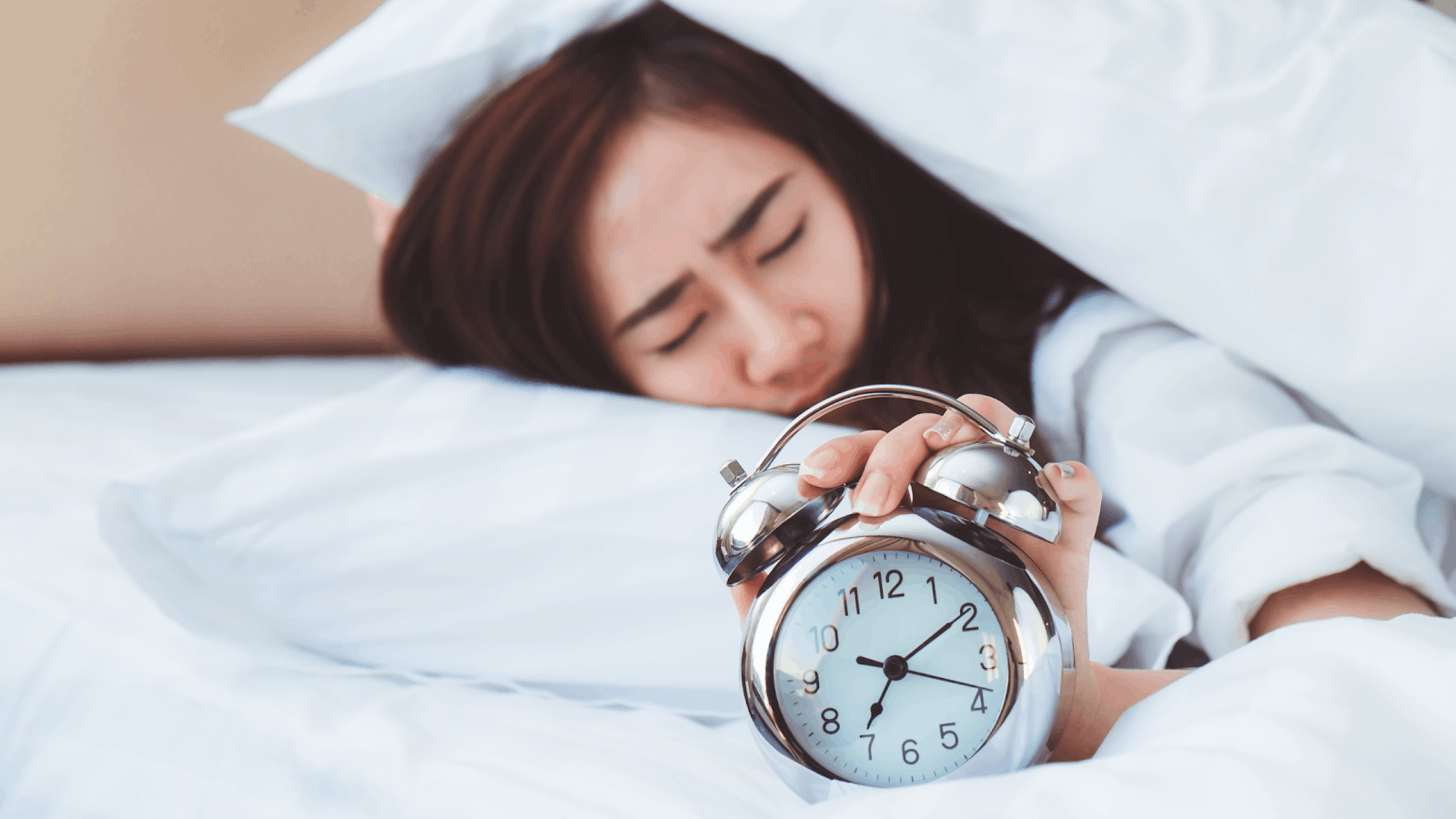

Understanding Delayed Sleep Phase Syndrome
Delayed Sleep Phase Syndrome (DSPS) is a circadian rhythm sleep disorder that significantly affects a person’s sleep-wake cycle, making it challenging to fall asleep and wake up in the morning at socially acceptable times. Unlike insomnia, where individuals struggle to sleep despite feeling tired, people with delayed sleep phase syndrome (DSPS) can sleep soundly but have a delayed sleep-wake phase, often not falling asleep until 2 AM to 6 AM and waking up much later in the day.
This sleep-wake phase disorder occurs when a person’s internal clock does not align with traditional schedules, leading to difficulties in school, work, and daily life. DSPS is particularly common in night owls, adolescents, and individuals with attention deficit hyperactivity disorder (ADHD) or mental health conditions like anxiety and depression.
The circadian rhythm is an internal biological clock that regulates sleep and wake times, influencing when a person feels alert or drowsy. This cycle is controlled by factors such as bright light exposure during the day and melatonin production at night.
In people with delayed sleep phase, the internal clock is misaligned with conventional schedules. The body produces melatonin, the sleep hormone, much later than usual, delaying falling asleep and causing daytime sleepiness when forced to wake up early. Without external intervention, individuals with DSPS naturally follow a sleeping pattern where they fall asleep late at night and wake up in the late morning or early afternoon.
Unfortunately, delayed sleep wake phase is often misdiagnosed as insomnia or mistaken for a bad habit rather than a legitimate circadian rhythm sleep disorder. However, DSPS is a recognized medical condition that requires targeted management to correct the sleep schedule and restore a healthy sleep-wake cycle.
Causes of Delayed Sleep Phase Syndrome
1. Genetic Factors & Inherited Circadian Rhythm Disorders
Research shows that 40-50% of individuals with DSPS have a family history of the condition. Mutations in specific clock genes such as PER3, CRY1, and BMAL1 can disrupt sleep and wake times, leading to a delayed sleep-wake phase.
2. Delayed Melatonin Production & Circadian Dysfunction
In most people, melatonin production begins around 9-10 PM, signaling the body to prepare for sleep. However, individuals with DSPS experience a delayed melatonin release, sometimes not occurring until 2 AM or later, making it difficult to fall asleep at a conventional time.
3. Neurological & Psychological Factors
Conditions such as attention deficit hyperactivity disorder (ADHD), depression, and anxiety can contribute to delayed sleep wake phase due to imbalances in neurotransmitters like dopamine and serotonin, which regulate sleep.
4. Light Exposure & Artificial Lighting
Excessive exposure to blue light from electronic devices at night can suppress melatonin production, further delaying falling asleep. Additionally, insufficient exposure to bright light in the morning prevents the internal clock from resetting properly.
5. Behavioral & Lifestyle Factors
Irregular sleep schedules, staying up late for work, gaming, or studying, and consuming caffeine or stimulants in the evening can reinforce a delayed sleep phase syndrome (DSPS).
.png)
Symptoms of Delayed Sleep Phase Syndrome
DSPS primarily affects sleep timing rather than sleep quality. Here are the most common symptoms:
Primary Symptoms
- Difficulty falling asleep at a conventional time (often past 2 AM)
- Struggling to wake up early, even after adequate sleep
- Excessive daytime sleepiness due to forced early waking
- Better sleep quality when allowed to follow a delayed schedule
- Difficulty adjusting to school, work, or social schedules
Secondary Symptoms
- Chronic sleep deprivation (if forced to wake up early)
- Reduced cognitive function, trouble concentrating, and memory issues
- Mood disturbances such as irritability, anxiety, or depression
- Delayed melatonin secretion, confirmed via sleep studies
Unlike insomnia, where individuals lie awake feeling restless, those with DSPS fall asleep naturally when allowed to follow their biological clock.
Who is Most Affected by DSPS?
1. Adolescents & Young Adults
- DSPS is most common in teenagers, with up to 16% of adolescents showing symptoms.
- School schedules that require early wake-up times often conflict with their natural sleep cycles.
2. College Students & Night Owls
- Many college students develop DSPS due to late-night studying and socializing.
- Their delayed sleep phase often persists even after graduation.
3. Shift Workers & Freelancers
- People with flexible or late-night work schedules (e.g., freelancers, musicians, and programmers) may unknowingly reinforce DSPS.
4. People with Mental Health Conditions
- DSPS is more common in individuals with ADHD, depression, or bipolar disorder, where the brain’s dopamine and serotonin balance affects sleep cycles.
Diagnosing Delayed Sleep Phase Syndrome
If you suspect delayed sleep phase syndrome, a sleep specialist may conduct:
- Sleep Diary (2+ Weeks) – Recording sleep and wake times.
- Actigraphy Test – Wearing a wristwatch device to track sleep patterns.
- Polysomnography (Sleep Study) – Ruling out other sleep disorders.
- Melatonin Testing – Checking if melatonin release is delayed.
Treatment & Management of Delayed Sleep Phase Syndrome
Effectively managing Delayed Sleep Phase Syndrome (DSPS) requires strategies that help reset the body’s internal clock and align sleep patterns with a more conventional schedule. Here are some proven methods:
1. Light Therapy (Phototherapy)
- How it Works: Exposure to bright light (10,000 lux) in the morning helps regulate the body’s circadian rhythm by signaling wakefulness earlier in the day. This encourages the body to fall asleep earlier at night.
- Best Practices: Spend 30–60 minutes in front of a bright light therapy box soon after waking up.
- Try natural sunlight exposure by stepping outside in the morning.
- Avoid artificial blue light from screens at night by using blue light-blocking glasses or reducing screen time at least 2-3 hours before bed.
2. Melatonin Supplementation
- How it Works:Melatonin supplements help regulate sleep by mimicking the body’s natural sleep-inducing hormone. Taking melatonin in the early evening can help shift the sleep-wake cycle earlier over time.
- Best Practices: Take 0.5mg – 3mg of melatonin 1-2 hours before the desired sleep time.
- Use melatonin consistently for several weeks to see noticeable improvements.
- Avoid high doses, as too much melatonin can cause grogginess or reduce its effectiveness.
3. Chronotherapy (Gradual Sleep Adjustment)
- How it Works: This method gradually shifts bedtime earlier to reset the circadian rhythm. Instead of making a sudden change, bedtime is adjusted by small increments over several days or weeks.
- Best Practices: Move bedtime earlier by 15-30 minutes every night.
- Wake up earlier in small steps to help the body adjust.
- Stick to the adjusted schedule, even on weekends, to maintain progress.
4. Cognitive Behavioral Therapy for Insomnia (CBT-I)
- How it Works: CBT-I helps address negative thought patterns related to sleep disorders, improving both sleep quality and sleep hygiene. It teaches techniques to reduce stress, anxiety, and racing thoughts that can interfere with sleep.
- Best Practices: Work with a therapist trained in CBT-I to develop a structured sleep plan.
- Learn relaxation techniques like deep breathing or meditation before bed.
- Identify and change behaviors that may be unknowingly disrupting sleep.
5. Maintaining a Consistent Sleep Schedule
- How it Works: Going to bed and waking up at the same time every day reinforces the body’s natural sleep cycle, helping to regulate internal clock function.
- Best Practices: Stick to a fixed bedtime and wake-up time—even on weekends.
- Avoid sleeping in too late, even if you had a rough night.
- Over time, your body will naturally begin to feel sleepy and wake up at the right times.
6. Avoiding Stimulants Before Bed
- How it Works: Caffeine, nicotine, and screens can interfere with melatonin production and make it harder to fall asleep. Reducing stimulant intake in the evening can prevent delayed sleep onset.
- Best Practices: Avoid caffeine (coffee, tea, soda, energy drinks) at least 6 hours before bedtime.
- Stop using electronic screens at least 3-4 hours before sleep or use blue light filters.
- Avoid alcohol and heavy meals close to bedtime, as these can also disrupt sleep quality.
7. Strategic Napping
- How it Works: Short naps can help reduce daytime sleepiness without interfering with nighttime sleep. However, long or late-afternoon naps can make falling asleep at night even harder.
- Best Practices: Keep naps brief (20–30 minutes) to avoid grogginess.
- Take naps earlier in the afternoon (before 3 PM) to prevent nighttime sleep disruption.
- Avoid long naps if you’re trying to shift your sleep schedule earlier.
.png)
What Makes Delayed Sleep Phase Syndrome Worse?
Certain habits and environmental factors can worsen Delayed Sleep Phase Syndrome (DSPS), making it harder to manage.
1. Inconsistent Sleep Schedule
When sleep and wake times are irregular, the circadian rhythm becomes unstable. Sleeping in on weekends may seem harmless, but it pushes the sleep cycle further, worsening DSPS over time.
2. Excessive Evening Light Exposure
Blue light from phones, TVs, and computers suppresses melatonin, the hormone that signals sleep. Bright indoor lighting, such as LEDs and fluorescents, can also confuse the body’s natural cues, delaying sleep even more.
3. Lack of Morning Sunlight
Morning sunlight is one of the strongest regulators of the body’s internal clock. Without it, the circadian rhythm drifts later, making it difficult to fall asleep and wake up at the right times.
4. Caffeine, Stimulants, and Alcohol at Night
Consuming caffeine or nicotine in the evening can delay sleep onset, while alcohol disrupts deep sleep, leading to poorer rest and worsening symptoms.
5. Anxiety, Stress, and Mental Health Issues
Stress and anxiety keep the body’s alert system active, making it harder to relax. Depression can also disrupt the sleep-wake cycle, reinforcing the challenges of DSPS.
6. Shift Work and Late-Night Activities
Night shifts, freelancing, or late socializing can all push sleep schedules later. Irregular work hours make it even more difficult to establish a healthy and consistent routine.
Complications of Delayed Sleep Phase Syndrome
Chronic Sleep Deprivation
Many people with DSPS are forced to wake up early for school or work, often getting only three to five hours of sleep each night. Over time, this results in chronic fatigue, irritability, and lower productivity.
Daytime Impairment and Cognitive Issues
Lack of proper rest can cause memory problems, poor concentration, and slower reaction times. This not only affects academic and work performance but also increases the risk of accidents, especially when driving.
Mental Health Issues
Sleep disruption is strongly linked to anxiety and depression, as it interferes with mood-regulating brain chemicals. For those with ADHD, DSPS can make impulse control, focus, and executive function even more challenging.
Social and Occupational Challenges
Struggling to meet early commitments often leads to academic difficulties, job performance issues, and strained personal relationships. Misaligned sleep schedules can also create social isolation and make it harder to maintain friendships or family routines.
Increased Risk of Health Problems
When circadian rhythms stay out of sync long-term, the risk of obesity, diabetes, and cardiovascular disease rises. Hormonal imbalances caused by poor sleep can also weaken the immune system and disrupt overall well-being.
Managing DSPS through light therapy, melatonin, and a consistent sleep schedule is key to preventing these complications and improving quality of life.
DSPS vs. Night Owl: What’s the Difference?
While both DSPS and being a “night owl” involve a preference for staying up late, they are not the same.
Night Owl (Late Chronotype)
- Flexible sleep schedule – can adjust with effort
- Prefers staying up late but can wake up early when necessary
- No significant distress or functional impairment
- Can shift sleep earlier with simple lifestyle changes
Delayed Sleep Phase Syndrome (DSPS)
- Biological disorder – rigid circadian rhythm makes shifting sleep difficult
- Cannot fall asleep early even with exhaustion
- Struggles with daily obligations (work, school, etc.)
- Requires structured treatment (light therapy, melatonin, etc.)
A night owl may choose to stay up late, while someone with DSPS physically cannot fall asleep at conventional hours.
Final Thoughts:
Delayed Sleep Phase Syndrome (DSPS) is a lifelong condition for many, but with the right approach, it can be managed effectively. While some individuals may naturally outgrow it, others need consistent sleep hygiene, melatonin regulation, and light therapy to maintain a functional sleep-wake cycle. If DSPS significantly disrupts daily life, consulting a sleep specialist is highly recommended.
For those struggling with DSPS and looking for natural sleep support, melatonin, magnesium, and L-theanine supplements can help regulate sleep patterns. Not sure which one is right for you?
Take our Survey hereto get a personalized recommendation for the best sleep solutions tailored to your needs!
Frequently Asked Questions
Can Delayed Sleep Phase Syndrome go away on its own?
For some people, DSPS symptoms may improve with age, especially after adolescence, as the circadian rhythm stabilizes. However, for many, DSPS is a lifelong condition that requires consistent management. Without proper treatment, the delayed sleep cycle often persists and continues to interfere with daily responsibilities.
Is Delayed Sleep Phase Syndrome the same as being lazy?
No. DSPS is a biological circadian rhythm disorder, not a personality trait or lack of motivation. People with DSPS often sleep soundly and deeply but at a much later time than what society considers “normal.” Labeling it as laziness can lead to stigma and make it harder for individuals to seek proper medical support.
Can children develop Delayed Sleep Phase Syndrome?
Yes. Although most common in teens and young adults, children can also develop DSPS. In children, it may look like trouble getting out of bed for school, excessive morning sleepiness, and better mood and energy in the evenings. Early recognition and treatment are important to prevent long-term academic and behavioral challenges.