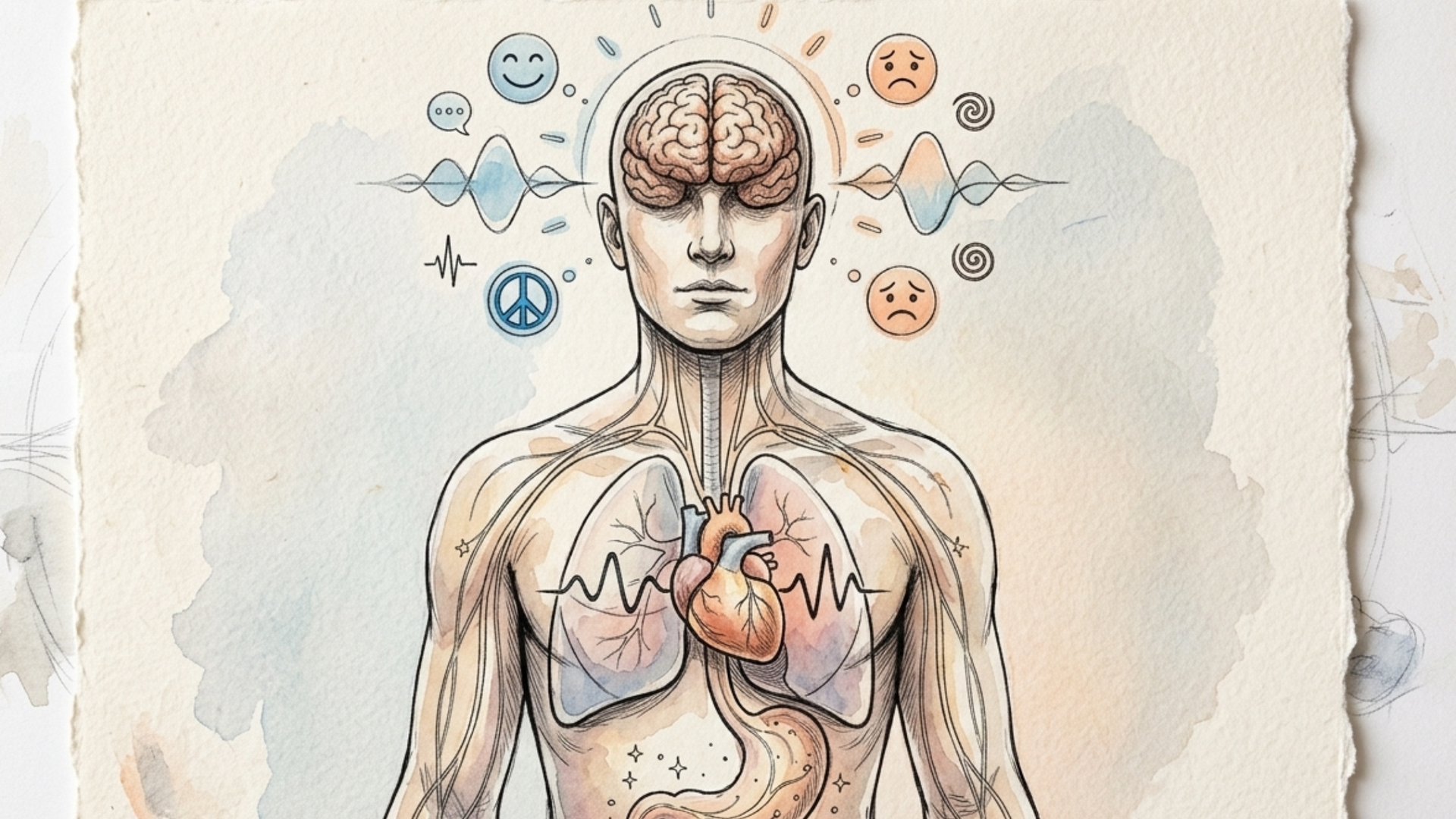
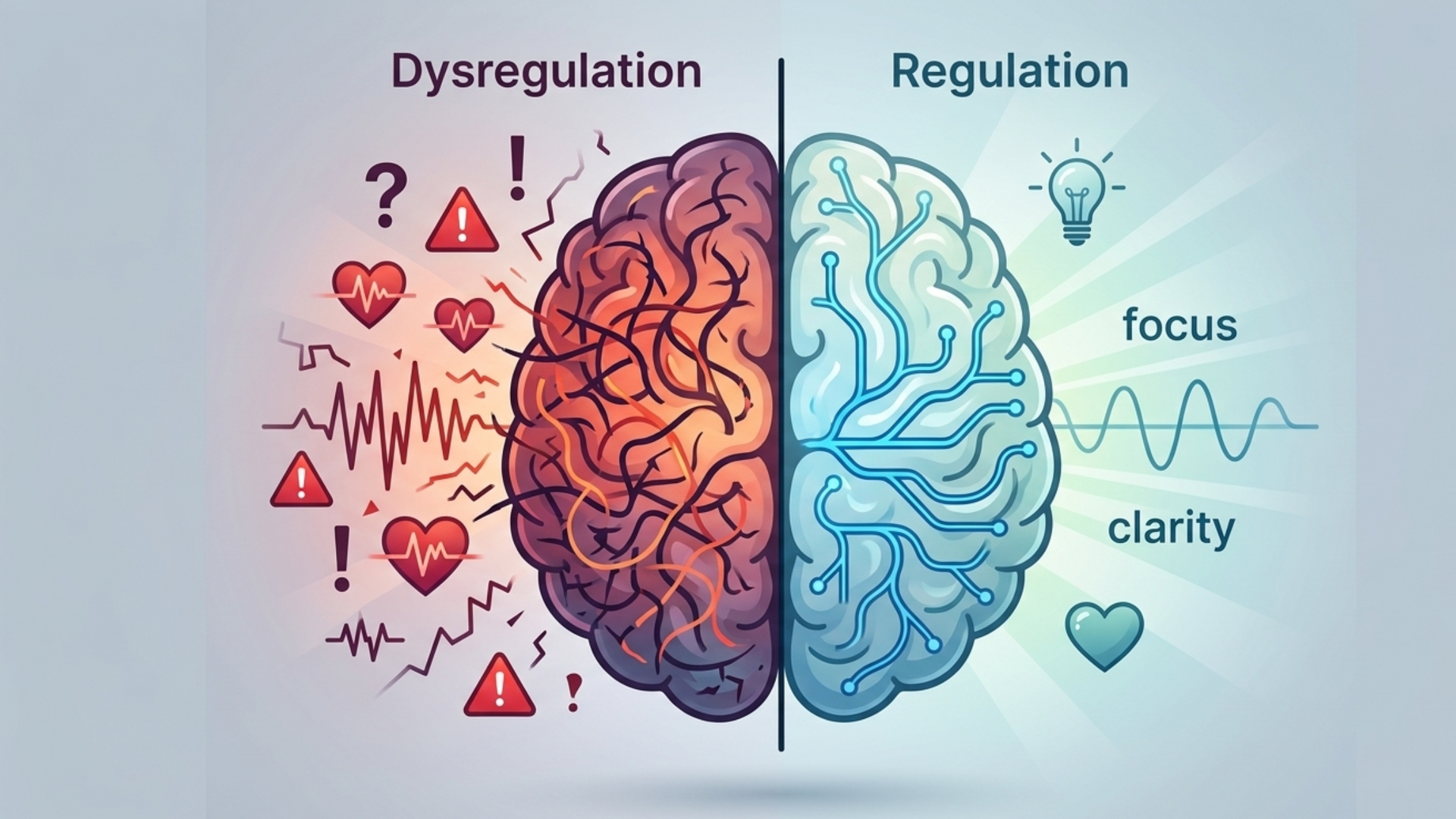
In psychology and medicine, a disorder refers to a condition in which a person’s thoughts, emotions, behaviors, or physical functions become disrupted in ways that interfere with normal functioning or well-being. A disorder usually involves patterns of symptoms that cause distress, difficulty in daily life, or impairment in social, occupational, or personal activities.
In mental health, the term disorder is often used to describe conditions that affect how individuals think, feel, and behave. These conditions are typically identified and categorized using diagnostic systems such as the Diagnostic and Statistical Manual of Mental Disorders (DSM), developed by the American Psychiatric Association. The DSM provides guidelines that help clinicians identify and understand different psychological conditions.
Understanding the concept of disorder helps psychologists and healthcare professionals recognize when symptoms go beyond normal emotional or behavioral variations and begin to significantly affect a person’s life.
If you want to explore more psychology and mental health topics, you can read or explore more here in the Knowledge Hub for additional articles on emotional well-being and human behavior. You can also take the quiz to get personalized supplement recommendations designed to support focus, emotional balance, stress resilience, and overall cognitive wellness.
What Defines a Disorder
A disorder is generally identified when patterns of symptoms meet certain criteria related to intensity, duration, and impact on daily functioning. Not every emotional difficulty or unusual behavior qualifies as a disorder. For a condition to be considered a disorder, it usually must involve persistent symptoms that cause noticeable distress or impairment.
For example, feeling anxious before an important event is a normal experience. However, when anxiety becomes severe, persistent, and interferes with daily life, it may be considered an anxiety disorder.
Similarly, sadness is a natural emotion, but prolonged and intense sadness that affects daily functioning may indicate a depressive disorder.
These distinctions help professionals determine when additional support or treatment may be needed.
Types of Disorders
Disorders can affect different aspects of human functioning, including mental, emotional, and physical health. In psychology, disorders are often categorized based on the type of symptoms involved.
Some common categories of psychological disorders include:
- Anxiety disorders, which involve excessive fear or worry
- Mood disorders, which affect emotional states such as depression or persistent mood changes
- Personality disorders, which involve long-term patterns of behavior and thinking that differ from typical expectations
- Neurodevelopmental disorders, which affect brain development and functioning during childhood
- Psychotic disorders, which may involve disturbances in perception or thinking
Each category includes multiple conditions that share similar patterns of symptoms.
Causes of Disorders
The development of a disorder is often influenced by a combination of factors rather than a single cause. Psychologists and researchers often consider biological, psychological, and environmental influences.
Biological factors may include genetics, brain chemistry, or physical health conditions that affect the nervous system. Psychological factors may involve personality traits, coping skills, and emotional regulation.
Environmental influences may include life experiences, social relationships, cultural factors, and exposure to stress or trauma.
Because many different factors can interact, the causes of disorders are often complex and vary from person to person.
Diagnosis and Assessment
Mental health professionals use careful assessment methods to determine whether a person meets the criteria for a particular disorder. This process may involve clinical interviews, psychological evaluations, and observation of symptoms.
Diagnosis helps clinicians understand the nature of the condition and identify appropriate strategies for treatment or support. However, diagnosis is only one part of the process; understanding the individual’s experiences and personal circumstances is also important.
Psychologists emphasize that diagnostic labels are tools for understanding patterns of symptoms rather than definitions of a person’s identity.
Treatment and Support
Many disorders can be managed through various forms of treatment and support. Psychological therapies, counseling, and behavioral interventions are commonly used to help individuals develop coping strategies and improve emotional well-being.
In some cases, medical treatments may also be recommended to address biological factors associated with certain conditions. Supportive relationships, lifestyle changes, and stress management techniques can also play important roles in recovery and well-being.
Early recognition and professional support often improve outcomes and help individuals maintain a better quality of life.
Final Thoughts
A disorder refers to a condition that disrupts normal patterns of thinking, emotion, or behavior in ways that cause distress or interfere with daily functioning. While everyone experiences emotional challenges at times, disorders involve more persistent and impactful symptoms.
Understanding disorders allows psychologists and healthcare professionals to identify patterns of difficulties, provide appropriate support, and help individuals develop healthier coping strategies. Through research, treatment, and awareness, the study of disorders continues to improve mental health care and overall well-being.
Frequently Asked Questions
What is the difference between a disorder and a normal emotional experience?
Normal emotional experiences, such as sadness or anxiety, are usually temporary and manageable. A disorder typically involves persistent symptoms that significantly interfere with daily life or well-being.
Are all disorders mental health conditions?
No. The term disorder can refer to both mental and physical conditions. In psychology, it usually refers to conditions that affect thoughts, emotions, or behavior, but in medicine it can also refer to physical health conditions.
Can disorders be treated or managed?
Yes. Many disorders can be effectively managed through therapy, counseling, lifestyle changes, and sometimes medical treatment. Early support often improves outcomes and helps individuals maintain daily functioning.
Why do psychologists classify disorders?
Psychologists classify disorders to better understand patterns of symptoms, guide diagnosis, and develop effective treatment approaches. Classification systems also help researchers study mental health conditions and improve psychological care.