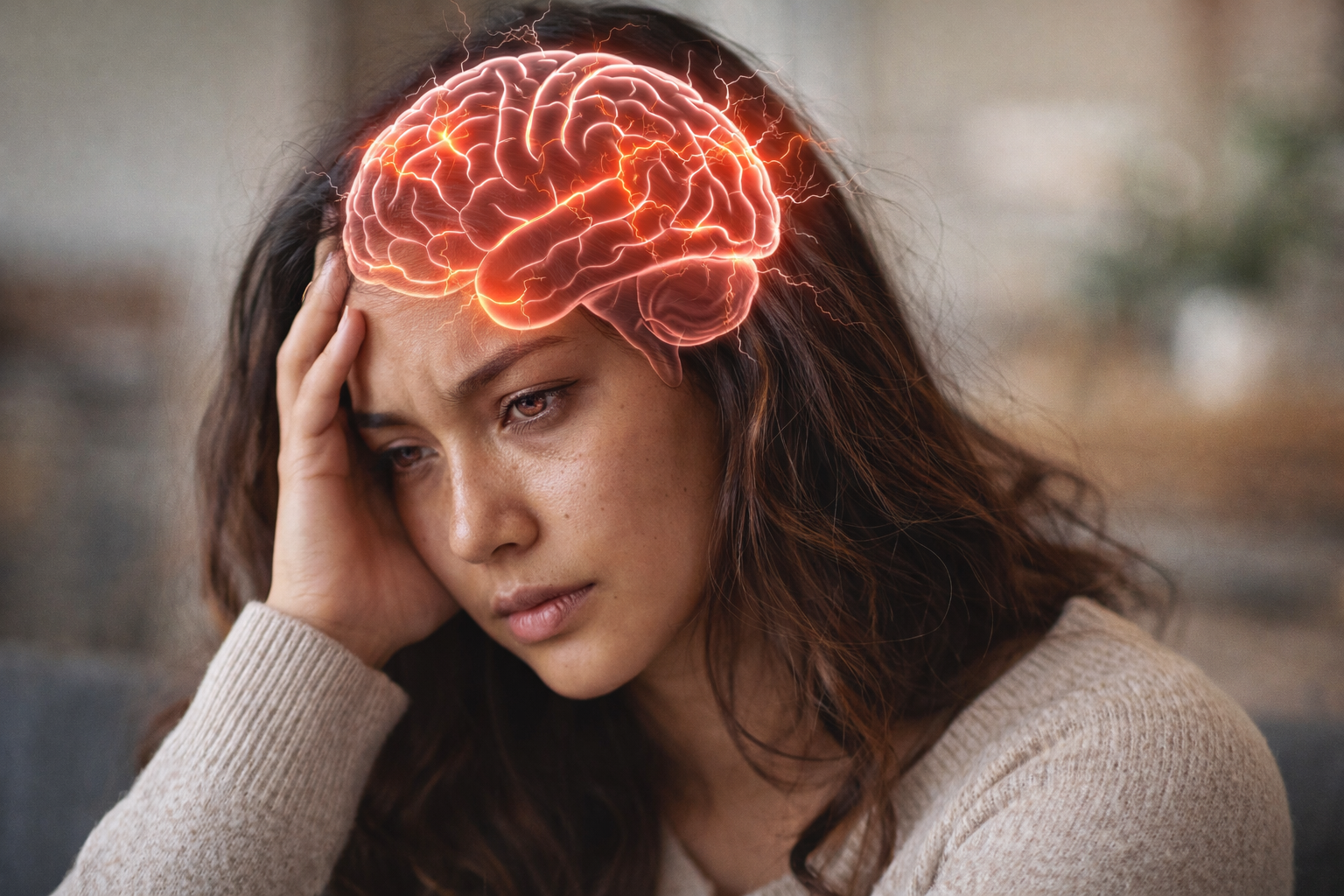
Dopamine: What It Is and How It Affects Your Brain and Mood
What Is Dopamine?
Have you ever felt happy after achieving a goal, eating your favorite food, or getting a compliment? That feeling is linked to dopamine, a chemical messenger in the brain. It plays an important role in mood, motivation, focus, and movement. Often called the “feel-good” chemical, dopamine helps control the brain’s reward system, making sure we enjoy activities that help us survive like eating, socializing, and learning new things.
But this brain chemical does more than just make you feel good. It also affects attention, learning, decision-making, and even movement. When dopamine levels in the brain are too high or too low, it can lead to mental health challenges like depression, anxiety, ADHD, or bipolar disorder.
How Is This Neurotransmitter Produced?
To understand how this brain chemical functions, it’s crucial to know where it originates. The body synthesizes it from an amino acid called tyrosine, which converts into L-DOPA before becoming dopamine. The production process takes place in specific areas of the brain, primarily the ventral tegmental area (VTA) and the substantia nigra.
Once formed, this messenger molecule enables nerve cells to communicate, ensuring different parts of the brain work efficiently. When disruptions occur, cognitive function, emotional stability, and physical coordination may suffer due to reduced interaction with dopamine receptors.
Key Functions of This Brain Chemical
This vital neurotransmitter regulates several mental and physical functions. Here’s how it affects everyday life:
1. Mood Regulation
Maintaining balanced levels of this neurotransmitter is essential for emotional stability. When depleted, it can lead to fatigue, sadness, and a lack of enthusiasm. Conversely, excess amounts may contribute to bipolar disorder symptoms, such as heightened energy and restlessness.
2. Motivation and Drive
This brain chemical fuels determination and goal-setting by activating the reward system. It encourages perseverance and reinforces positive behaviors. A shortage may cause reduced ambition, making everyday tasks feel overwhelming.
3. Pleasure and Reward
The brain’s reward circuit is heavily influenced by this neurotransmitter. Engaging in enjoyable activities—such as eating, exercising, or socializing—stimulates its release, reinforcing behaviors that support well-being. However, excessive artificial stimulation, such as from addictive substances, can lead to long-term imbalances.
4. Focus and Cognitive Function
This neurotransmitter regulates concentration, decision-making, and problem-solving. Disruptions in its interaction with dopamine receptors are often linked to ADHD (Attention-Deficit/Hyperactivity Disorder), making focus and impulse control more challenging.
5. Movement Control
This brain chemical plays an important role in regulating motor function. Deficiencies in the nigrostriatal pathway lead to movement disorders like Parkinson’s disease, causing tremors, stiffness, and impaired coordination.
Pathways in the Brain That Use This Neurotransmitter
The brain uses specific circuits to distribute and regulate this chemical:
- Mesolimbic Pathway (Reward Circuit) – Drives motivation and reinforces pleasurable behaviors.
- Mesocortical Pathway – Supports cognitive functions such as decision-making and emotional control.
- Nigrostriatal Pathway – Governs movement and is affected in Parkinson’s disease.
- Tuberoinfundibular Pathway – Regulates hormone secretion, particularly prolactin, which affects reproductive health.
How Imbalances Affect Mental Health
Disruptions in dopamine levels in the brain can contribute to various neurological and psychological conditions:
Low Levels of This Neurotransmitter
- Depression – A common sign of dopamine deficiency, leading to low energy and a diminished sense of pleasure.
- Fatigue – Reduced availability of this chemical may result in chronic exhaustion and lack of motivation.
- Anhedonia – The inability to feel joy or excitement.
- Lack of Drive – Individuals with low amounts of this neurotransmitter often struggle with motivation.
High Levels of This Neurotransmitter
- Anxiety – Overactivity in this system can contribute to restlessness and heightened stress responses.
- Paranoia – Excessive stimulation of dopamine receptors is sometimes linked to psychotic symptoms.
- Schizophrenia – Overactivity in certain areas of the brain has been associated with this condition.
Dopamine and Gut Health: The Brain-Gut Connection
Did you know that 50% of your body’s dopamine is produced in the gut? Scientists have discovered a strong link between gut health and brain function. A healthy gut helps maintain proper dopamine levels in the brain, while an unhealthy gut may contribute to dopamine imbalance.
Ways to Support Gut Health for Better Dopamine Balance:
- Eat fiber-rich foods like fruits, vegetables, and whole grains.
- Consume probiotics (found in yogurt, kefir, and fermented foods).
- Avoid processed foods and excess sugar, which can harm gut bacteria.
How Social Media Affects Dopamine
Scrolling through social media can feel rewarding, but it can also create dopamine spikes that affect your brain over time. Apps like Instagram and TikTok are designed to trigger small bursts of dopamine, making them addictive.
Overuse of social media can:
- Lower motivation for real-world activities.
- Reduce attention span.
- Cause dopamine desensitization, making everyday activities feel less exciting.
How to Reduce Social Media’s Impact on Dopamine:
- Set time limits for social media use.
- Engage in activities that provide long-term dopamine rewards, like reading or exercise.
- Take breaks (sometimes called “dopamine fasting”) to reset brain chemistry.
What Is Dopamine Fasting?
Dopamine fasting is a trend where people take breaks from high-stimulation activities (like social media, junk food, and video games) to reset their dopamine receptors. While the name is misleading (you can’t actually “fast” from dopamine), reducing artificial dopamine triggers may help improve motivation and focus.
Activities That Can Help Reset the Brain’s Reward System:
- Spending time in nature.
- Practicing mindfulness or meditation.
- Doing activities that require patience, like puzzles or drawing.
Mental Health Disorders Linked to This Chemical Messenger
1. Depression
A shortage of this neurotransmitter is often a factor in depression, causing lack of motivation, low mood, and difficulty finding pleasure in activities.
2. Anxiety
When this brain chemical fails to regulate stress properly, it may heighten feelings of unease and nervousness.
3. ADHD
Low levels of this neurotransmitter are associated with ADHD, contributing to impulsivity, inattentiveness, and difficulty focusing.
4. Addiction
Drugs, alcohol, and nicotine artificially increase the release of this chemical, leading to dependency and disrupting the natural reward system.
Natural Ways to Support Healthy Levels
Optimizing dopamine production can enhance mood, cognition, and motivation. Here are some effective strategies:
1. Eat Nutrient-Rich Foods
Certain foods support dopamine production by providing necessary amino acids and nutrients:
- Almonds
- Eggs
- Fish
- Dairy
- Bananas
- Avocados
2. Engage in Regular Exercise
Physical activity promotes the release of this neurotransmitter, improving overall well-being and mental clarity.
3. Prioritize Sleep
Lack of rest impairs dopamine receptors, reducing focus and mood stability. Ensuring quality sleep helps maintain proper levels of this neurotransmitter.
4. Practice Stress Management
Mindfulness, meditation, and deep breathing exercises help regulate this brain chemical, reducing the effects of anxiety.
5. Consider Supplements
Certain nutrients and herbs can enhance dopamine production naturally:
- Omega-3 Fatty Acids – Found in fish oil and flaxseeds, they support brain function and dopamine receptors.
- Rhodiola Rosea – An adaptogenic herb that helps maintain balance under stress.
- Vitamin D – Supports neurotransmitter function, particularly in regulating mood.
- Magnesium – Crucial for nervous system health and maintaining proper dopamine levels in the brain.
- B Vitamins (B6, B9, B12) – Essential for neurotransmitter synthesis.
- L-Theanine (Green Tea) – Promotes relaxation while enhancing this neurotransmitter’s effects.
Want to know which supplements best fit your needs? Take our quiz to get a personalized supplement recommendation designed for your mental wellness.
When to Seek Professional Help
If you frequently experience mood swings, chronic fatigue, or motivation issues, you may be dealing with a dopamine imbalance. Consulting a healthcare provider can help determine whether lifestyle adjustments, therapy, or medical treatments are necessary.
Frequently Asked Questions
1. Is dopamine the same as serotonin?
No. While both are neurotransmitters, they play different roles. Dopamine is strongly tied to motivation, reward, and movement, while serotonin regulates mood, sleep, and appetite. An imbalance in either one can contribute to mental health problems, but they don’t work the same way.
2. Can lifestyle habits damage dopamine function?
Yes. Poor sleep, chronic stress, substance use, and unhealthy diets can disrupt dopamine production or reduce receptor sensitivity. Over time, this may lead to fatigue, low motivation, or mood disorders.
3. How long does it take to restore dopamine balance naturally?
It depends on the person. With healthy changes—like exercising, improving sleep, and eating nutrient-rich foods—many people notice improvements within weeks. More severe imbalances may take months and sometimes need medical treatment.
Final Thoughts
Dopamine plays a powerful role in shaping how you feel, think, and stay motivated. By caring for your brain and body through healthy habits, stress management, and the right nutrition you can keep this “feel-good” chemical in balance. Remember, small steps add up to lasting improvements in mood, focus, and overall well-being.