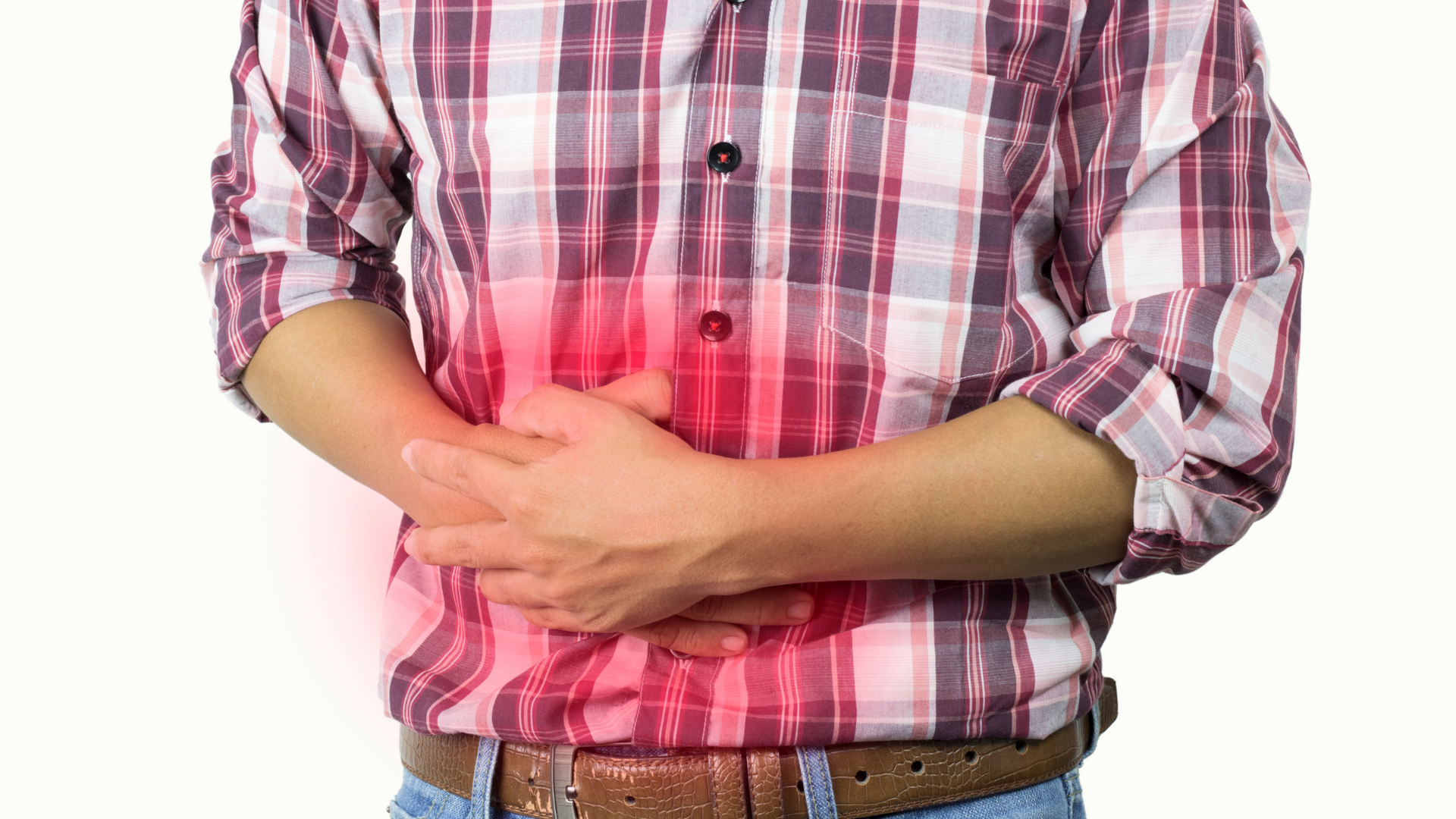

Dysbiosis refers to an imbalance in the gut microbiome, the complex community of microorganisms (bacteria, fungi, and other microbes) that live in your digestive system. In a healthy state, these microorganisms exist in a balanced ecosystem that supports digestion, immunity, and even mental health.
When this balance is disrupted, harmful microbes may grow in excess, beneficial microbes may decrease, or overall diversity may decline. This state is known as dysbiosis.
Dysbiosis is not a disease by itself, but it is increasingly linked to a wide range of health issues, including digestive problems, inflammation, and changes in mood or cognitive function.
If you want to better understand the connection between gut health and mental wellness, you can explore more in our Knowledge Hub and take the quiz to get personalized supplement recommendations designed to support your gut and overall well-being.
The Gut Microbiome: A Brief Overview
The gut microbiome contains trillions of microorganisms that play essential roles in the body.
These microbes help break down food, produce certain vitamins, regulate the immune system, and protect against harmful pathogens. They also communicate with the brain through the gut-brain axis, influencing mood, stress response, and cognitive function.
A healthy microbiome is diverse and balanced, meaning no single type of microorganism dominates excessively.
What Causes Dysbiosis
Dysbiosis can develop from a variety of factors that disrupt the natural balance of gut bacteria.
Diet is one of the most significant influences. A diet high in processed foods, sugar, and low in fiber can reduce beneficial bacteria and promote harmful ones.
Frequent use of antibiotics can also disrupt the microbiome by killing both harmful and beneficial bacteria, sometimes leading to long-term imbalance.
Chronic stress is another contributing factor. Stress can alter gut function and change the composition of the microbiome.
Other factors include poor sleep, lack of physical activity, infections, and certain medications.
Signs and Symptoms of Dysbiosis
Dysbiosis can present in different ways depending on the individual and the severity of the imbalance.
Common digestive symptoms include bloating, gas, diarrhea, constipation, and stomach discomfort. These symptoms often indicate that the gut environment is not functioning optimally.
However, dysbiosis is not limited to digestion. It can also affect other areas of health.
You may experience:
- Fatigue or low energy
- Brain fog or difficulty concentrating
- Mood changes, such as anxiety or irritability
- Increased sensitivity to certain foods
- Skin issues, such as breakouts or irritation
Because the gut is connected to many systems in the body, symptoms can be both physical and mental.
Dysbiosis and Mental Health
One of the most important aspects of dysbiosis is its connection to mental health.
The gut and brain are linked through the gut-brain axis, a communication network involving the nervous system, hormones, and immune signals.
Gut bacteria play a role in producing neurotransmitters such as serotonin, which is closely linked to mood and emotional balance.
When the microbiome is imbalanced, this communication can be disrupted, potentially contributing to symptoms like anxiety, low mood, or reduced cognitive clarity.
This connection highlights why gut health is often considered a key part of overall mental wellness.
Dysbiosis vs. Healthy Gut Balance
A healthy gut microbiome is characterized by diversity and stability.
Beneficial bacteria help regulate inflammation, support digestion, and maintain a protective barrier in the gut lining.
In dysbiosis, this balance is disrupted. Harmful bacteria may increase, beneficial bacteria may decrease, and the overall environment becomes less stable.
This imbalance can lead to inflammation and reduced efficiency in important bodily processes.
How to Restore Gut Balance
Improving dysbiosis involves supporting the growth of beneficial bacteria and restoring balance over time.
Diet is one of the most effective tools. Consuming fiber-rich foods such as fruits, vegetables, and whole grains can feed beneficial bacteria.
Fermented foods, such as yogurt or kimchi, can introduce helpful microbes into the gut.
Reducing processed foods and excessive sugar can also help prevent the overgrowth of harmful bacteria.
Lifestyle factors matter as well. Managing stress, getting enough sleep, and staying physically active all contribute to a healthier microbiome.
In some cases, targeted supplements may be used to support gut health, depending on individual needs.
Long-Term Impact of Dysbiosis
If left unaddressed, dysbiosis may contribute to ongoing health issues.
Chronic imbalance in the gut can affect digestion, immune function, and even metabolic health. It may also influence mental clarity and emotional stability over time.
However, the gut microbiome is highly adaptable. With consistent changes in diet and lifestyle, it is possible to restore balance and improve overall health.
Final Thought
Dysbiosis is a reminder that your body functions as an interconnected system. The health of your gut can influence how you feel physically, mentally, and emotionally.
By understanding what disrupts the microbiome and taking steps to support it, you can improve digestion, energy, and overall well-being.
If you want to take a personalized approach to your gut and mental health, consider taking the quiz to get supplement recommendations designed to support balance, digestion, and cognitive performance.
Frequently Asked Questions
Can dysbiosis go away on its own?
In some mild cases, the gut microbiome may rebalance naturally over time, especially if lifestyle and diet improve. However, persistent dysbiosis often requires intentional changes, such as improving nutrition, reducing stress, and supporting gut health through consistent habits.
How long does it take to fix dysbiosis?
The timeline varies depending on the severity and underlying causes. Some people may notice improvements within a few weeks, while others may take several months. Consistency in diet and lifestyle changes is key to long-term improvement.
Can probiotics help with dysbiosis?
Probiotics may help support the balance of gut bacteria by introducing beneficial strains. However, they are most effective when combined with a healthy diet and lifestyle. Not all probiotics are the same, so choosing the right type for your needs is important.