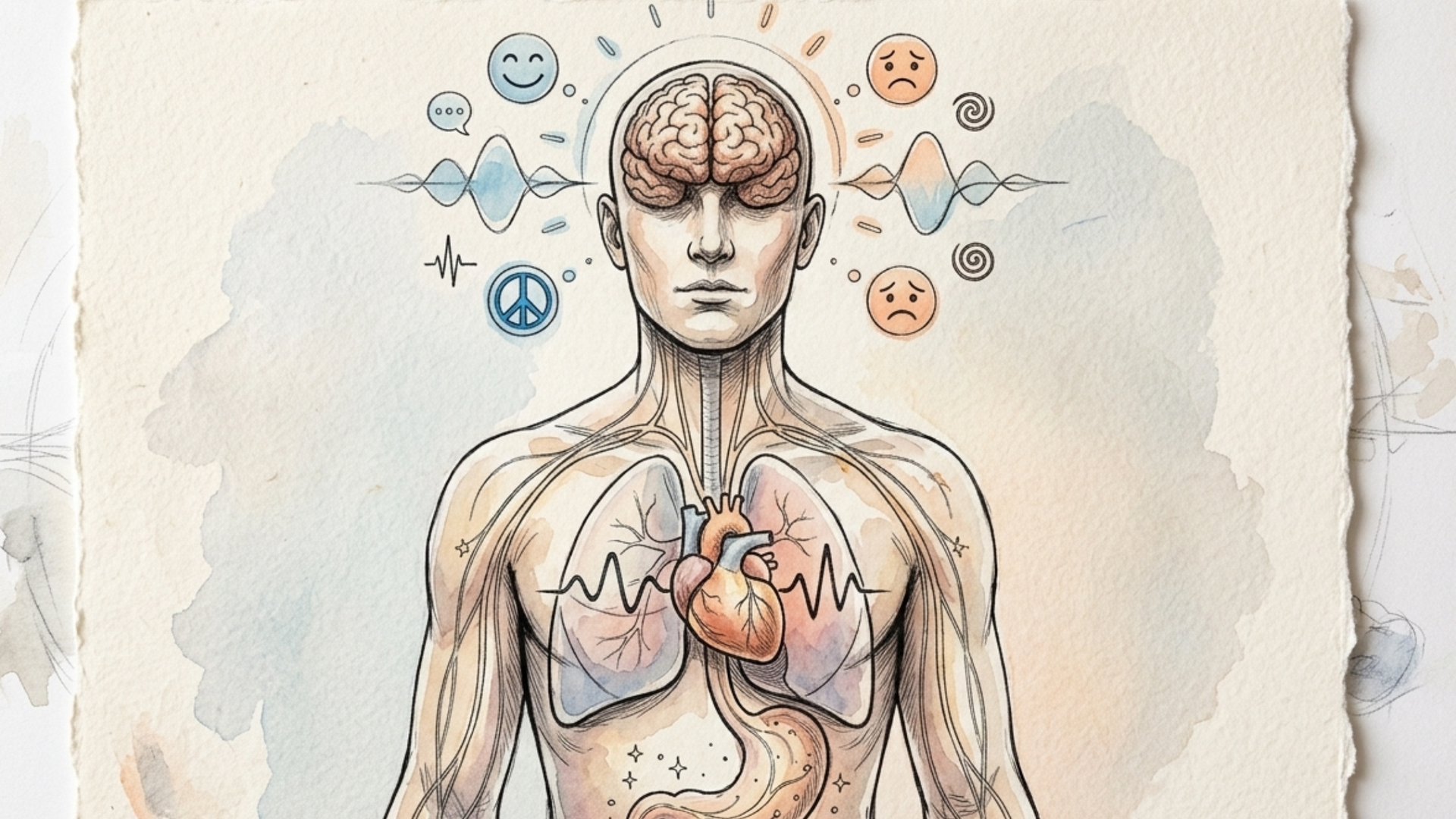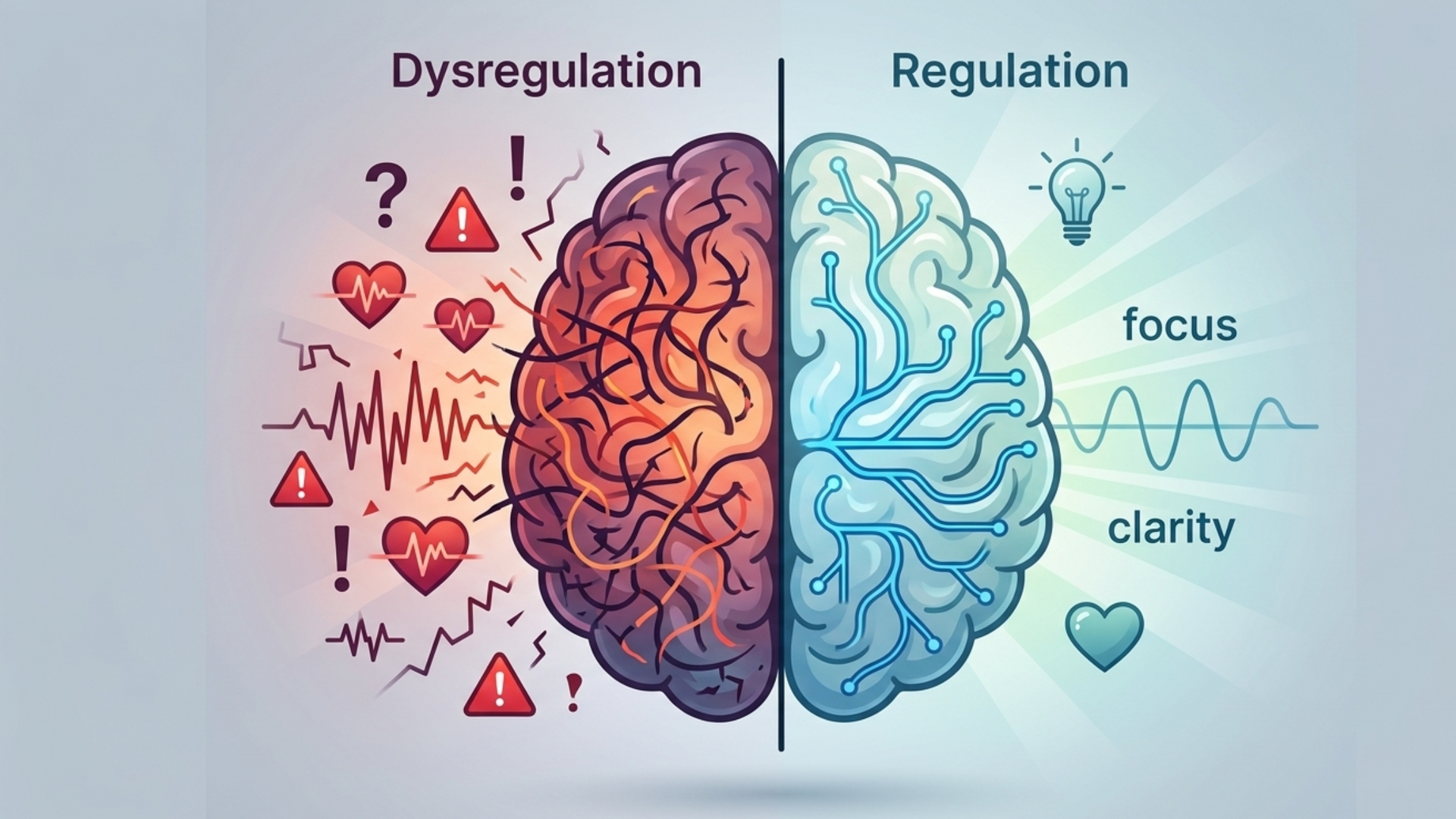

Dysregulation refers to a state in which the body or mind has difficulty maintaining balance and stability, particularly in emotions, stress responses, and behavior. It often shows up as intense emotional reactions, difficulty calming down, or feeling out of control in certain situations.
While everyone experiences emotional ups and downs, dysregulation goes beyond normal fluctuations. It involves a reduced ability to manage or recover from stress, making everyday situations feel more overwhelming than they should.
If you want to better understand how emotional balance, stress, and brain health are connected, you can read or explore more here at our Knowledge Hub for more mental health–related articles, and take the quiz to get personalized supplement recommendations designed to support calmness, emotional stability, and cognitive balance.
What Dysregulation Really Means
At its core, dysregulation is a disruption in the body’s ability to regulate internal states. This includes emotional regulation, but also extends to physical systems such as sleep, energy levels, and stress responses.
The nervous system plays a central role in this process. When functioning well, it helps you respond to challenges and then return to a calm, balanced state. In dysregulation, this system becomes less flexible. You may become stuck in a heightened state of stress or, in some cases, a state of shutdown or low energy.
This imbalance can make it difficult to respond to situations in a controlled and adaptive way.
Signs of Dysregulation
Dysregulation can appear in different ways depending on the individual and the situation. Emotionally, it may involve sudden mood changes, intense reactions, or difficulty calming down after being upset.
You might notice feeling easily overwhelmed, reacting strongly to small triggers, or struggling to manage frustration. In some cases, people may feel emotionally numb or disconnected instead of overwhelmed.
Cognitively, dysregulation can affect focus and decision-making. When the brain is overwhelmed, it becomes harder to think clearly or respond rationally.
Physically, it may show up as restlessness, fatigue, tension, or disrupted sleep. These symptoms reflect the body’s difficulty returning to a balanced state.
What Causes Dysregulation
Dysregulation often develops from a combination of internal and external factors. Chronic stress is one of the most common contributors. When the body is repeatedly exposed to stress without enough recovery, the nervous system becomes overactive and less stable.
Early life experiences can also play a role. Environments that are unpredictable, highly stressful, or lacking emotional support can affect how the brain learns to regulate emotions.
Mental health conditions such as anxiety, depression, or trauma-related disorders are also linked to dysregulation. In these cases, the brain’s regulation systems may become more sensitive or reactive.
Lifestyle factors, including poor sleep, lack of proper nutrition, and constant overstimulation, can further contribute to imbalance.
How Dysregulation Affects Daily Life
Dysregulation can impact many areas of daily functioning. It may affect relationships, as intense or unpredictable emotional reactions can make communication more difficult.
In work or school settings, it can reduce focus, productivity, and decision-making ability. You may find it harder to stay organized or manage responsibilities effectively.
Over time, dysregulation can also affect self-confidence. Feeling unable to control your reactions may lead to frustration or self-doubt, creating a cycle that reinforces the imbalance.
Dysregulation vs Normal Emotional Reactions
It is normal to experience strong emotions in response to challenging situations. However, dysregulation differs in intensity, frequency, and recovery.
With normal emotional responses, you can eventually calm down and return to a balanced state. With dysregulation, reactions may feel more intense, last longer, and be harder to control or recover from.
Understanding this difference helps identify when additional support may be needed.
How to Improve Emotional Regulation
Improving regulation is a gradual process that involves strengthening your ability to manage stress and return to a calm state.
One of the most important steps is developing awareness. Recognizing early signs of dysregulation allows you to respond before emotions become overwhelming.
Practicing calming techniques, such as slow breathing or grounding exercises, can help regulate the nervous system. These techniques signal the body that it is safe to relax.
Consistency is key. Building routines that support sleep, nutrition, and stress management creates a more stable foundation for emotional regulation.
It is also helpful to reduce excessive stimulation and allow time for mental recovery. Creating space for rest and reflection can improve your ability to handle future stress.
The Role of the Nervous System
The nervous system is central to regulation. It controls how your body reacts to stress and how quickly it returns to balance.
When the nervous system is dysregulated, it may remain in a state of heightened alertness or, alternatively, shift into a state of low energy and withdrawal. Both states reflect difficulty maintaining equilibrium.
Supporting the nervous system through healthy habits and calming practices can improve overall regulation and resilience.
Building Long-Term Stability
Long-term improvement in regulation comes from consistent, supportive habits rather than quick fixes. Over time, the brain and body can learn to respond to stress more effectively.
This process involves patience and self-compassion. Progress may be gradual, but each step toward better regulation strengthens your ability to manage challenges.
By focusing on balance rather than perfection, you can build a more stable and resilient mental state.
Final Thoughts
Dysregulation is a sign that your body and mind are struggling to maintain balance, often due to stress, lifestyle factors, or past experiences. While it can feel overwhelming, it is not permanent.
With awareness, supportive habits, and consistent practice, you can improve your ability to regulate emotions and respond to stress more effectively.
If you want to take a more personalized approach to supporting your emotional balance and mental clarity, take the quiz to get personalized supplement recommendations designed to support calmness, regulate stress responses, and enhance overall cognitive function.
Frequently Asked Questions
What does dysregulation mean in simple terms?
Dysregulation means difficulty managing emotions, stress, or internal states, often leading to feeling overwhelmed or out of control.
Is dysregulation the same as anxiety?
No, but they are related. Dysregulation refers to difficulty managing emotional and physical responses, while anxiety is a specific emotional state that can contribute to dysregulation.
Can dysregulation be improved?
Yes, with consistent habits such as stress management, proper sleep, and emotional awareness, regulation can improve over time.
Why do I react strongly to small situations?
This may be due to a dysregulated nervous system, where your body responds more intensely to stress than necessary.