
Understanding Erectile Dysfunction
Erectile dysfunction, commonly called ED, is a condition where a man struggles to create or maintain an erection firm enough for sexual activity. While it’s common for this to happen occasionally due to stress or fatigue, when ED occurs regularly or becomes a long-term issue, it may be a sign of a more serious health condition.
This article offers a clear and detailed explanation of ED, including its causes, symptoms, how it’s diagnosed, and the many ways to treat erectile dysfunction effectively. We’ll also explore how it connects with issues like blood pressure, blood flow, and relationship problems, making this a helpful guide for anyone wanting to understand ED better, whether for personal reasons or to support a partner.
Understanding Erectile Dysfunction
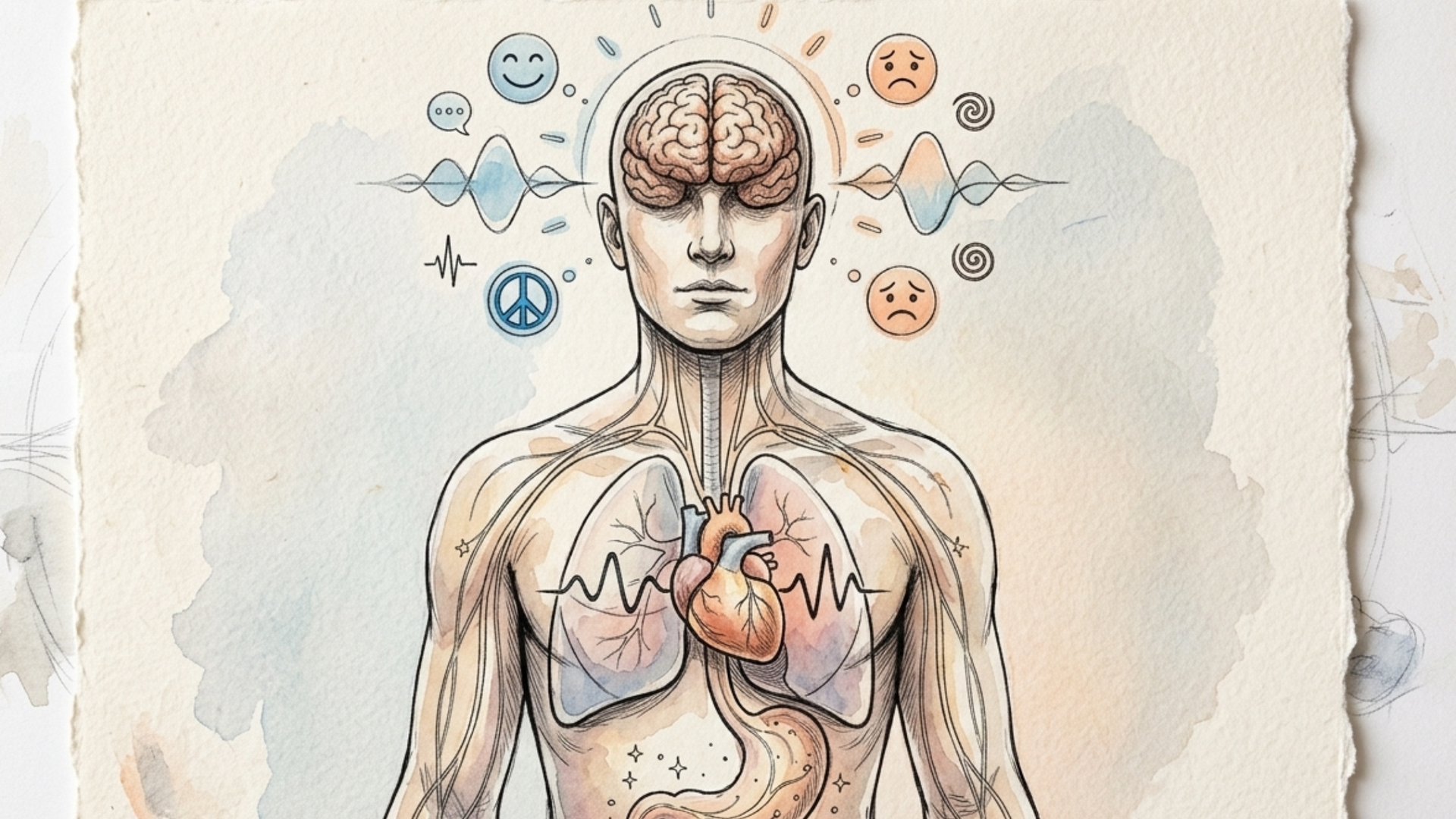
Erectile dysfunction happens when there is a problem with the body’s ability to increase blood flow to the penis, which is necessary to produce an erection. For most men, the process of creating an erection begins with sexual arousal. The brain sends signals to the blood vessels in the penis to widen, allowing more blood to flow in. If anything disrupts this, whether it’s physical, psychological, or a mix of both, ED can develop.
ED is often misunderstood. It’s not about a lack of desire for sex, nor is it always caused by aging alone. Instead, it often results from a combination of medical and emotional issues, many of which are treatable.
Symptoms of Erectile Dysfunction
The most noticeable symptom of ED is difficulty getting or keeping an erection. However, it can also involve other sexual challenges. Some men may notice a reduced interest in sex or may struggle with premature ejaculation, where ejaculation happens sooner than desired. Others may find that they can’t maintain an erection long enough to complete sexual activity.
These experiences can be frustrating and may lead to low self-esteem, embarrassment, or emotional distance in a relationship. In many cases, relationship problems begin to appear when ED is not addressed or understood.
What Causes ED?
Erectile dysfunction can develop for a variety of reasons, and the root cause often involves more than one factor. One of the most common physical causes is poor blood flow to the penis, often due to vascular disease, a condition that narrows or blocks the blood vessels.
Other common physical causes include:
- High blood pressure, which affects circulation
- Diabetes, which damages blood vessels and nerves
- Obesity, which is linked to hormone imbalance
- Low testosterone levels
- Treatments for prostate cancer, including surgery or radiation
Psychological causes also play a big role. Stress, anxiety, depression, or unresolved relationship problems can all interfere with a man’s ability to become aroused or stay focused during intimacy.
Even a man’s sexual history may influence ED. For example, if someone has had performance anxiety or past trauma, these experiences can make future erections harder to maintain.
Risk Factors: Who Is Most at Risk?
Although ED can affect men at any age, it’s more likely to develop in older men. Age itself doesn’t directly cause ED, but the risk factors for ED tend to increase with age. These include conditions like high blood pressure, heart disease, and diabetes, as well as lifestyle habits such as smoking, poor diet, and lack of exercise.
Men who are overweight, lead sedentary lives, or drink heavily are also more likely to experience ED. Emotional health matters, too. Men facing high levels of stress, anxiety, or who have unresolved relationship problems are also at higher risk.
Getting Diagnosed with Erectile Dysfunction
To be officially diagnosed with erectile dysfunction, a man will usually need to visit a doctor or urologist. The medical provider may ask questions about your health history, medications, and sexual performance. Understanding a man’s sexual history can help uncover patterns that point to physical or psychological causes.
Doctors might also perform a physical exam or request blood tests to check hormone levels, cholesterol, or blood pressure. In some cases, they may use tests to measure blood flow to the penis.
It’s important to remember that ED is not just about sex, it can be an early warning sign of serious conditions like vascular disease or prostate cancer. Getting diagnosed early can make treatment more effective and help prevent long-term complications.
.jpg)
Treatment Options for Erectile Dysfunction
The good news is that many effective treatment options are available for erectile dysfunction (ED), depending on the cause and the individual’s needs.
In mild cases, simple lifestyle changes can have a big impact. These include:
- Improving your diet
- Getting regular physical activity
- Quitting smoking
- Managing blood pressure
- Reducing stress
- Getting enough quality sleep
These changes can help restore natural sexual function by supporting healthy blood flow and hormone balance.
If lifestyle changes aren’t enough, a doctor may prescribe medications such as:
- Viagra (sildenafil)
- Cialis (tadalafil)
- Levitra (vardenafil)
These drugs work by increasing blood flow to the penis, making it easier to create and maintain an erection. However, they should only be used under medical supervision, especially if you take medication for blood pressure or heart disease.
If medications aren’t effective, doctors may suggest medical devices. These include:
- Vacuum erection devices (penis pumps), which draw blood flow into the penis
- Penile implants, which are surgically placed inside the penis and allow a man to control when he has an erection
A penile implant is usually considered when other treatments don’t work. While it’s a more invasive option, it can be a long-term solution for some men.
For men whose ED is caused by emotional or psychological factors, therapy or counseling can be very effective. Talking to a mental health professional can help treat anxiety, depression, or relationship problems that may be interfering with sexual activity.
Final Thoughts: ED Is Treatable
Erectile dysfunction is nothing to be ashamed of. It affects millions of men — and not just those in older age groups. Whether it’s caused by physical health, emotional challenges, or a combination of both, ED can be managed and often fully treated.
If you or someone you care about is struggling with ED, the first step is to talk to a doctor. By identifying the cause and working through a treatment plan, it’s possible to regain confidence, restore intimacy, and enjoy a healthier, happier life.
Frequently Asked Questions
Can erectile dysfunction be reversed naturally?
In many cases, yes. Erectile dysfunction (ED) caused by lifestyle factors such as poor diet, lack of exercise, smoking, or high stress may be improved, or even reversed, through healthy changes. Regular physical activity, improved sleep, stress management, and a balanced diet can help restore blood flow and hormone balance. However, results depend on the underlying cause, and it’s best to consult a doctor for a personalized plan.
2. Does masturbation cause erectile dysfunction?
No, masturbation does not cause ED. In fact, it’s a normal and healthy part of male sexual behavior. However, excessive or compulsive masturbation, especially combined with unrealistic expectations from pornography, may affect performance anxiety or arousal during real-life sexual activity. If this becomes a concern, a therapist or doctor can help.
3. Is erectile dysfunction linked to sleep disorders?
Yes, sleep disorders like insomnia or sleep apnea can contribute to ED. Poor sleep affects hormone levels, especially testosterone, and reduces energy, mood, and mental focus. Sleep problems also impact blood pressure and blood flow, both of which are important for healthy sexual function. Treating sleep disorders can often improve symptoms of erectile dysfunction.