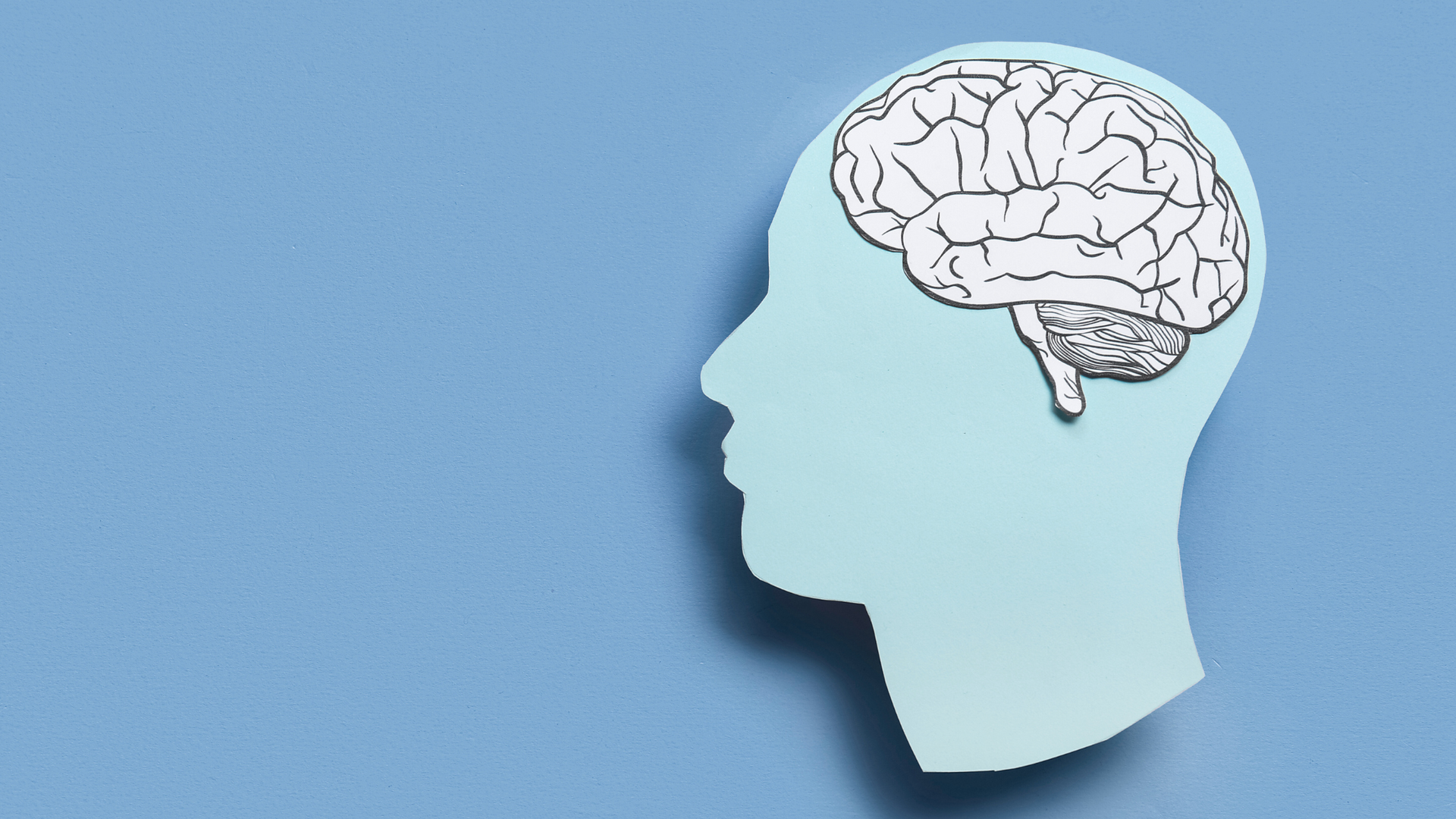

Fatigue is a state of persistent tiredness, low energy, and reduced ability to function physically or mentally. It is more than just feeling sleepy after a long day, it is a deeper sense of exhaustion that does not always go away with rest.
Fatigue can affect how you think, feel, and perform daily tasks. It may reduce concentration, slow reaction time, and lower motivation. In many cases, it is a signal from the body and mind that something needs attention, such as rest, recovery, or lifestyle adjustments.
If you want to better understand your energy levels and mental performance, you can explore more in our Knowledge Hub and take the quiz to get personalized supplement recommendations designed to support energy, focus, and overall well-being.
What Fatigue Feels Like
Fatigue can present in different ways depending on its cause and severity.
Physically, it may feel like heaviness in the body, muscle weakness, or a lack of stamina. Even simple activities may feel more demanding than usual.
Mentally, fatigue often shows up as brain fog, difficulty concentrating, forgetfulness, and slower thinking. Tasks that normally require little effort may feel overwhelming.
Emotionally, fatigue can lead to irritability, low motivation, or feeling unmotivated to engage in activities. It can also reduce patience and make stress harder to manage.
Types of Fatigue
Fatigue is not always the same, it can have different forms.
Physical fatigue occurs when the body is overworked or lacks rest. This is common after intense physical activity or insufficient sleep.
Mental fatigue results from prolonged cognitive effort, such as studying, working for long hours, or dealing with constant decision-making.
Emotional fatigue develops when you are exposed to ongoing stress, pressure, or emotional strain, such as caregiving or dealing with difficult situations.
These types can overlap, meaning you may experience multiple forms of fatigue at the same time.
Causes of Fatigue
Fatigue can have many causes, often related to lifestyle, health, or environmental factors.
Lack of quality sleep is one of the most common causes. Even if you sleep for many hours, poor sleep quality can leave you feeling tired.
Chronic stress can also drain energy by keeping the body in a constant state of alertness. This can lead to both mental and physical exhaustion over time.
Poor nutrition can contribute to fatigue, especially if the body is not receiving enough essential nutrients or stable energy sources.
Other factors include dehydration, lack of physical activity, illness, and hormonal imbalances.
In some cases, fatigue may be linked to underlying medical conditions and should be evaluated if it persists.
Fatigue and the Brain
Fatigue is closely connected to how the brain functions.
The brain requires a constant supply of energy, oxygen, and balanced neurotransmitters to maintain focus and alertness. When these are disrupted, mental fatigue can occur.
For example, unstable blood sugar levels can lead to energy crashes and reduced concentration. Chronic stress can affect neurotransmitters and increase mental exhaustion.
Sleep also plays a major role. During sleep, the brain restores energy and clears waste. Without sufficient rest, this process is incomplete, leading to fatigue.
Signs You May Be Experiencing Fatigue
Fatigue can be recognized through several signs that affect daily life.
- Constant tiredness, even after rest
- Difficulty concentrating or thinking clearly
- Reduced motivation or productivity
- Increased irritability or emotional sensitivity
- Physical weakness or lack of energy
Occasional fatigue is normal, but persistent symptoms may indicate a need for lifestyle changes or further attention.
How to Manage and Reduce Fatigue
Managing fatigue involves addressing both physical and mental factors.
Improving sleep quality is one of the most effective steps. A consistent sleep schedule and a restful environment can support recovery.
Balanced nutrition helps maintain steady energy levels throughout the day. Staying hydrated is also important for overall function.
Regular physical activity can improve energy over time, even though it may feel difficult at first.
Managing stress through relaxation techniques, such as breathing exercises or mindfulness, can reduce mental fatigue.
Taking breaks during work or study can also help prevent overload and maintain focus.
Fatigue and Mental Health
Fatigue is closely linked to mental health.
Conditions such as stress, anxiety, and burnout can contribute to ongoing exhaustion. At the same time, fatigue can make it harder to manage emotions and cope with challenges.
This creates a cycle where fatigue and mental health influence each other.
Addressing both physical and emotional factors is important for long-term improvement.
Final Thought
Fatigue is more than just feeling tired, it is a signal that your body and mind need support.
By understanding its causes and making small, consistent changes, you can improve your energy, focus, and overall well-being.
If you want to take a more personalized approach, consider taking the quiz to get supplement recommendations designed to support your energy levels, mental clarity, and recovery.
Frequently Asked Questions
What is the difference between fatigue and sleepiness?
Sleepiness usually means you need rest and can often be relieved by sleep. Fatigue, however, is a deeper state of exhaustion that may not go away even after resting. It can involve physical, mental, and emotional tiredness.
Why do I feel tired even after sleeping enough?
This can happen if sleep quality is poor, such as not getting enough deep sleep. Stress, poor nutrition, or underlying health issues can also affect how rested you feel. It is not just the number of hours you sleep, but the quality of that sleep that matters.
Can fatigue be caused by stress?
Yes, chronic stress can lead to fatigue by keeping the body in a constant state of alertness. This uses up energy and prevents proper recovery. Over time, it can result in both mental and physical exhaustion.