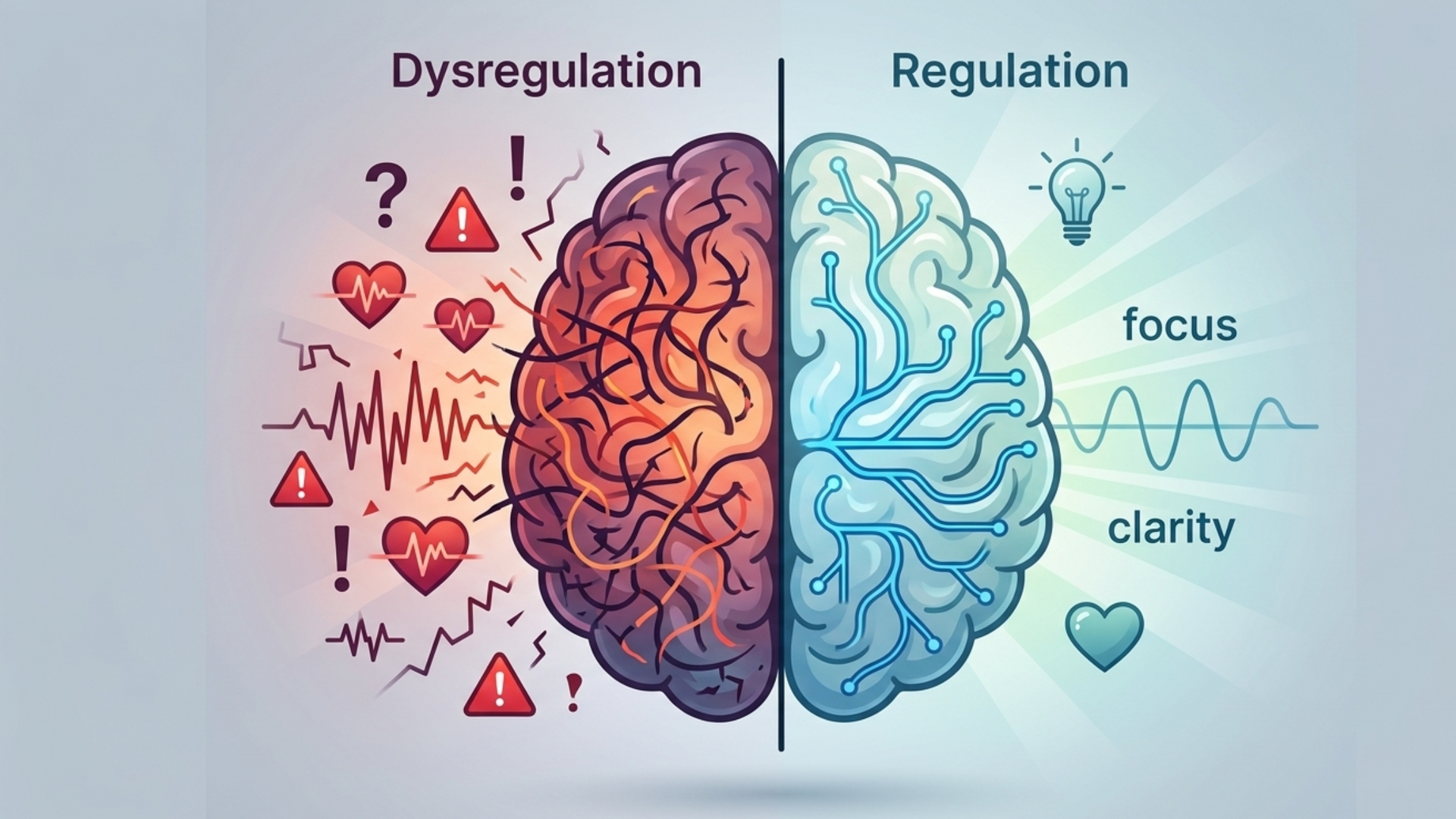
The formal operational stage is the fourth and final stage in the theory of cognitive development proposed by the Swiss developmental psychologist Jean Piaget. This stage typically begins around the age of 11 or 12 and continues into adulthood. During this period, individuals develop the ability to think abstractly, reason logically about hypothetical situations, and use systematic problem-solving strategies.
Unlike earlier stages of development, where thinking is more concrete and tied to direct experiences, the formal operational stage allows individuals to think about ideas that are not immediately visible or physically present. Adolescents and adults in this stage can consider possibilities, imagine future outcomes, analyze complex problems, and reflect on abstract concepts such as justice, morality, freedom, and identity.
This stage represents an important transition in cognitive development because it marks the point where individuals become capable of advanced reasoning, scientific thinking, and deeper self-reflection.
If you want to deepen your understanding of psychology, cognitive development, and mental health, explore more articles here in the Knowledge Hub, where complex psychological concepts are explained in clear and practical ways. You can also take the Cenario quiz to get personalized supplement recommendations designed to support focus, cognitive performance, stress management, and overall mental well-being.
Overview of Piaget’s Cognitive Development Theory
To understand the formal operational stage, it is helpful to consider the broader framework of cognitive development created by Jean Piaget. Piaget proposed that children actively construct knowledge as they interact with their environment. According to his theory, cognitive development occurs in four stages:
- Sensorimotor stage (birth to about 2 years)
- Preoperational stage (about 2 to 7 years)
- Concrete operational stage (about 7 to 11 years)
- Formal operational stage (around 11 years and older)
Each stage reflects a different way of thinking about the world. Earlier stages focus on sensory experiences, symbolic thinking, and concrete reasoning, while the formal operational stage introduces the ability to think abstractly and systematically.
Development of Abstract Thinking
One of the most important characteristics of the formal operational stage is the development of abstract thinking. Before this stage, children generally rely on concrete information—things they can see, touch, or directly experience. In contrast, adolescents begin to think about ideas that are theoretical, philosophical, or hypothetical.
For example, younger children may struggle to understand abstract ideas such as justice or equality because these concepts cannot be physically observed. Adolescents in the formal operational stage, however, are able to analyze these ideas, debate them, and consider different viewpoints.
This ability to think abstractly also allows individuals to engage in complex academic subjects such as algebra, philosophy, and advanced scientific reasoning.
Hypothetical and Scientific Reasoning
Another important feature of the formal operational stage is the ability to think about hypothetical situations. Adolescents can imagine possibilities and consider “what if” scenarios even when those situations have never occurred.
This type of thinking supports the development of scientific reasoning. Individuals in this stage can generate hypotheses, test different possibilities, and evaluate evidence logically. For instance, when solving a scientific problem, they may consider several possible explanations before identifying the most logical conclusion.
Piaget described this process as hypothetico-deductive reasoning, which involves forming a hypothesis and then systematically testing it to determine whether it is correct.
This skill is essential for many areas of learning, including mathematics, science, and critical thinking.
Development of Logical and Systematic Thinking
During the formal operational stage, individuals become better at organizing information and approaching problems in a structured way. Instead of relying on trial and error alone, they can develop strategies for solving complex problems.
For example, when faced with a difficult question, an adolescent might identify all possible solutions, evaluate each option logically, and then select the most reasonable answer. This structured approach reflects the increasing ability to think logically and plan ahead.
These cognitive abilities help individuals make more informed decisions and analyze complicated situations more effectively.
Thinking About the Future
Another key development during this stage is the ability to think about the future and long-term possibilities. Adolescents often begin to consider career paths, personal goals, and life plans.
This future-oriented thinking allows individuals to evaluate different choices and imagine the potential consequences of their actions. It also contributes to the development of personal identity, values, and beliefs.
As adolescents explore different ideas about the world and their place within it, they may question social norms, develop personal philosophies, and reflect more deeply on moral and ethical issues.
Metacognition and Self-Reflection
The formal operational stage also introduces stronger metacognitive abilities, which means thinking about one’s own thinking. Adolescents become more aware of how they learn, reason, and make decisions.
This increased self-awareness can lead to deeper reflection about personal beliefs, emotions, and identity. Teenagers may spend more time analyzing their own thoughts and evaluating how they are perceived by others.
While this level of reflection can contribute to personal growth, it can also lead to temporary self-consciousness as adolescents navigate new social and emotional experiences.
Limitations and Individual Differences
Although the formal operational stage represents the highest level of cognitive development in Piaget’s theory, not all individuals reach this stage at the same time or in the same way. Some people may demonstrate advanced reasoning in certain areas but rely on more concrete thinking in others.
Modern psychologists also suggest that education, cultural context, and life experiences can influence the development of formal operational thinking. While Piaget believed this stage begins in early adolescence, research has shown that complex reasoning skills continue developing throughout adulthood.
Despite these variations, the formal operational stage remains an important framework for understanding how human thinking evolves over time.
Final Thoughts
The formal operational stage represents a major milestone in cognitive development. During this stage, individuals develop the ability to think abstractly, reason logically about hypothetical situations, and analyze complex problems using systematic strategies.
Proposed by Jean Piaget, this stage highlights the transition from concrete thinking to more advanced forms of reasoning. These cognitive skills allow adolescents and adults to engage with complex ideas, evaluate possibilities, and reflect on their beliefs and values.
Understanding the formal operational stage provides valuable insight into how human thinking matures and how individuals develop the ability to reason about the world in increasingly sophisticated ways.
Frequently Asked Questions
At what age does the formal operational stage begin?
According to Jean Piaget, the formal operational stage typically begins around 11 or 12 years old and continues into adulthood. During this time, individuals gradually develop the ability to think abstractly and reason about hypothetical situations.
What is an example of formal operational thinking?
An example of formal operational thinking is when a teenager can solve complex algebra problems, design a scientific experiment, or discuss abstract topics such as justice, ethics, or political systems. These tasks require reasoning beyond concrete experiences.
Do all people reach the formal operational stage?
Not everyone consistently uses formal operational thinking in all areas of life. Some individuals may apply abstract reasoning in academic or professional contexts but rely on more concrete thinking in everyday situations.
Why is the formal operational stage important in education?
The formal operational stage is important because it allows students to engage in advanced learning, including scientific reasoning, critical thinking, hypothetical problem-solving, and philosophical discussions. These abilities support higher education and complex decision-making.