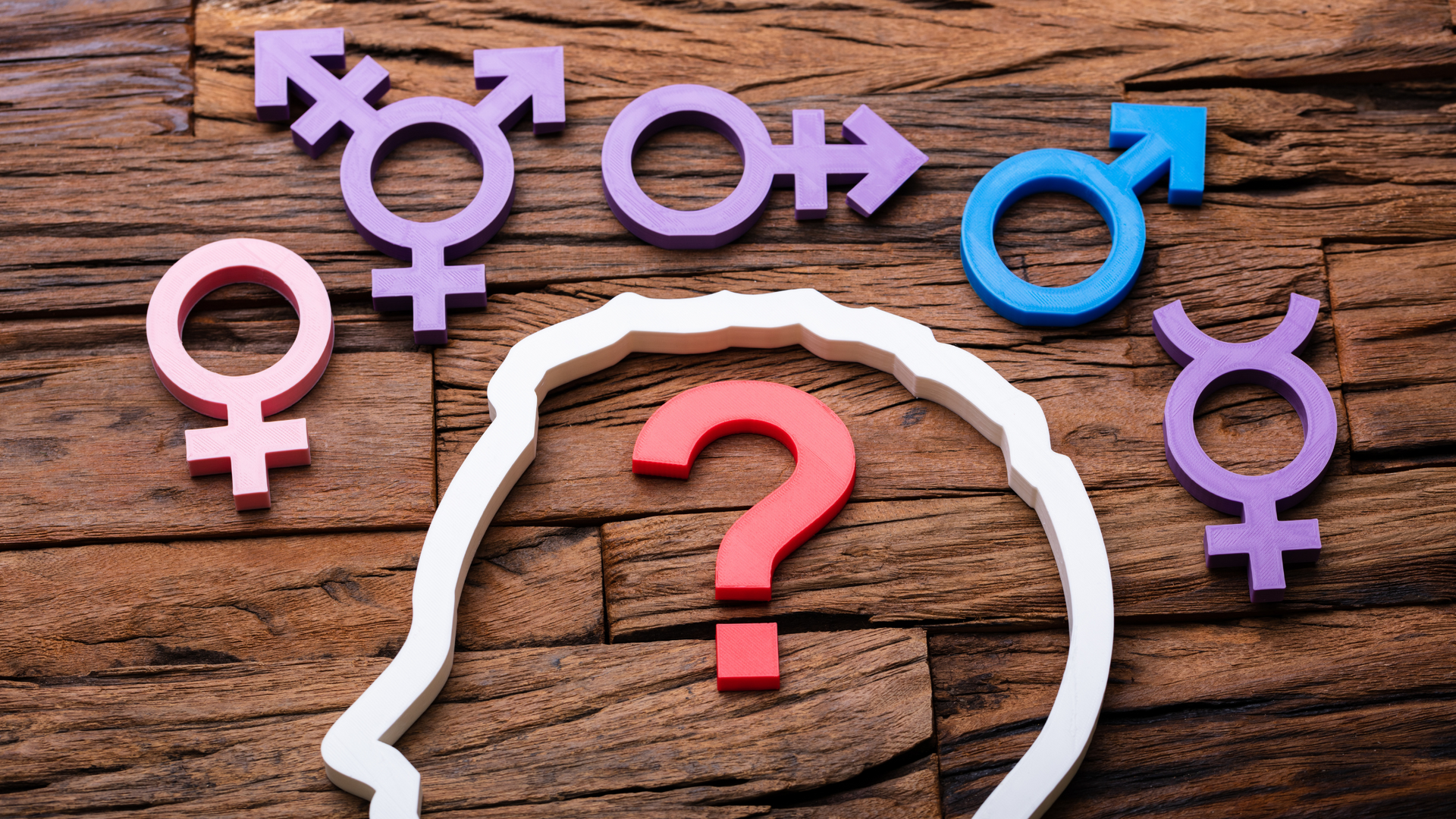

Gender identity refers to a person’s deeply held sense of their own gender. It describes how individuals internally experience and define their gender, which may or may not correspond with the sex they were assigned at birth. In psychology and social sciences, gender identity is considered an important aspect of personal identity because it influences how people understand themselves and how they interact with the world.
Gender identity is not solely determined by physical characteristics. Instead, it involves a complex combination of biological, psychological, and social influences that shape how individuals perceive and express their gender. While some people identify with the gender traditionally associated with their biological sex, others may experience their gender identity differently.
Understanding gender identity helps psychologists and researchers explore how identity develops, how social environments influence personal experiences, and how individuals form a sense of self throughout their lives.
If you would like to learn more about psychology, identity development, and mental health topics, explore more articles here in the Knowledge Hub, where psychological concepts are explained in clear and practical ways. You can also take the Cenario quiz to get personalized supplement recommendations designed to support focus, emotional balance, stress management, and overall mental well-being.
Gender Identity vs. Biological Sex
It is important to distinguish between gender identity and biological sex. Biological sex refers to physical characteristics such as chromosomes, hormones, reproductive organs, and other anatomical features that are typically classified as male or female at birth.
Gender identity, on the other hand, refers to how individuals psychologically experience their gender. For many people, gender identity aligns with the sex they were assigned at birth. In these cases, individuals are often described as cisgender, meaning their gender identity corresponds with their biological sex.
However, some individuals may experience a gender identity that differs from the sex assigned at birth. These individuals may identify as transgender, meaning their internal sense of gender does not match the gender typically associated with their biological sex.
Psychologists emphasize that gender identity is an internal experience rather than something determined solely by physical traits.
Development of Gender Identity
Gender identity typically begins to develop early in childhood. Research suggests that children start to become aware of gender differences at a young age, often around the ages of two or three. During this stage, children begin to recognize and label gender categories such as “boy” or “girl.”
As children grow, their understanding of gender becomes more complex. They learn about social expectations, cultural norms, and gender roles through family interactions, education, media, and social experiences.
Developmental psychologist Lawrence Kohlberg proposed that children gradually develop a deeper understanding of gender through cognitive development. According to his theory of gender constancy, children eventually realize that gender remains stable over time despite changes in appearance or activities.
Although many individuals develop a gender identity that aligns with traditional categories, gender development can vary widely depending on personal experiences and social environments.
Gender Identity and Gender Expression
Gender identity is closely related to gender expression, but the two concepts are not the same. Gender expression refers to the ways individuals present their gender through clothing, hairstyle, behavior, voice, or other forms of outward appearance.
For example, some individuals may express their gender in ways that align with cultural expectations, while others may choose styles or behaviors that do not fit traditional gender norms. Gender expression can vary greatly across cultures and societies, and it may change over time as individuals explore different aspects of their identity.
While gender expression is visible to others, gender identity remains an internal experience that only the individual can fully understand.
Social and Cultural Influences
Gender identity does not develop in isolation. Social environments, cultural beliefs, and community expectations often shape how people understand and express their gender.
Different societies may have different perspectives on gender roles and gender diversity. Some cultures recognize multiple gender identities beyond the traditional male and female categories, while others maintain more rigid gender expectations.
Social attitudes toward gender identity can also influence how comfortable individuals feel expressing their identity openly. Supportive environments that promote understanding and respect may help individuals develop a stronger sense of self and emotional well-being.
Psychologists and researchers often study gender identity within broader social contexts to better understand how cultural influences shape identity development.
Gender Identity and Psychological Well-Being
A person’s gender identity can play an important role in their psychological well-being. Feeling accepted and understood in one’s identity can contribute to confidence, self-esteem, and emotional stability.
On the other hand, individuals who experience misunderstanding, discrimination, or social rejection may face additional emotional challenges. For this reason, many mental health professionals emphasize the importance of supportive environments, open communication, and respectful dialogue around identity-related topics.
Modern psychological research often focuses on understanding the experiences of diverse individuals and promoting mental health support that respects personal identity.
Research and Modern Perspectives
Contemporary psychology recognizes that gender identity is complex and influenced by multiple factors, including biological processes, social experiences, and individual development. Researchers continue to study how identity forms and evolves across different stages of life.
Modern discussions about gender identity often emphasize respect, inclusivity, and the recognition that personal identity can vary widely among individuals. Psychological research aims to better understand these variations in order to promote well-being and healthy social environments.
Final Thoughts
Gender identity is a deeply personal aspect of human identity that reflects how individuals understand and experience their own gender. It develops through a combination of biological influences, psychological processes, and social experiences that shape how people see themselves and relate to others.
By studying gender identity, psychologists gain valuable insight into how identity forms, how social environments influence personal development, and how individuals build a sense of self throughout their lives. Understanding gender identity also encourages greater awareness of the diversity of human experiences and the importance of respect and empathy in social interactions.
Frequently Asked Questions
When does gender identity typically develop?
Research suggests that children begin to develop a sense of gender identity at a young age, often between 2 and 4 years old, when they start recognizing and labeling gender categories and understanding social expectations related to gender.
Is gender identity the same as gender expression?
No. Gender identity refers to a person’s internal sense of their gender, while gender expression refers to how a person presents their gender outwardly through clothing, behavior, hairstyle, or other forms of appearance.
Can gender identity change over time?
For some individuals, gender identity remains stable throughout life, while for others it may evolve as they gain deeper self-understanding and personal experiences. Identity development can be influenced by social environments, cultural factors, and personal reflection.
Why is understanding gender identity important in psychology?
Understanding gender identity helps psychologists study identity development, social influences, and emotional well-being. It also supports efforts to create more inclusive and supportive environments that respect diverse experiences and identities.